
HomeImprovment
Design a Modern Bathroom With Smart Upgrades

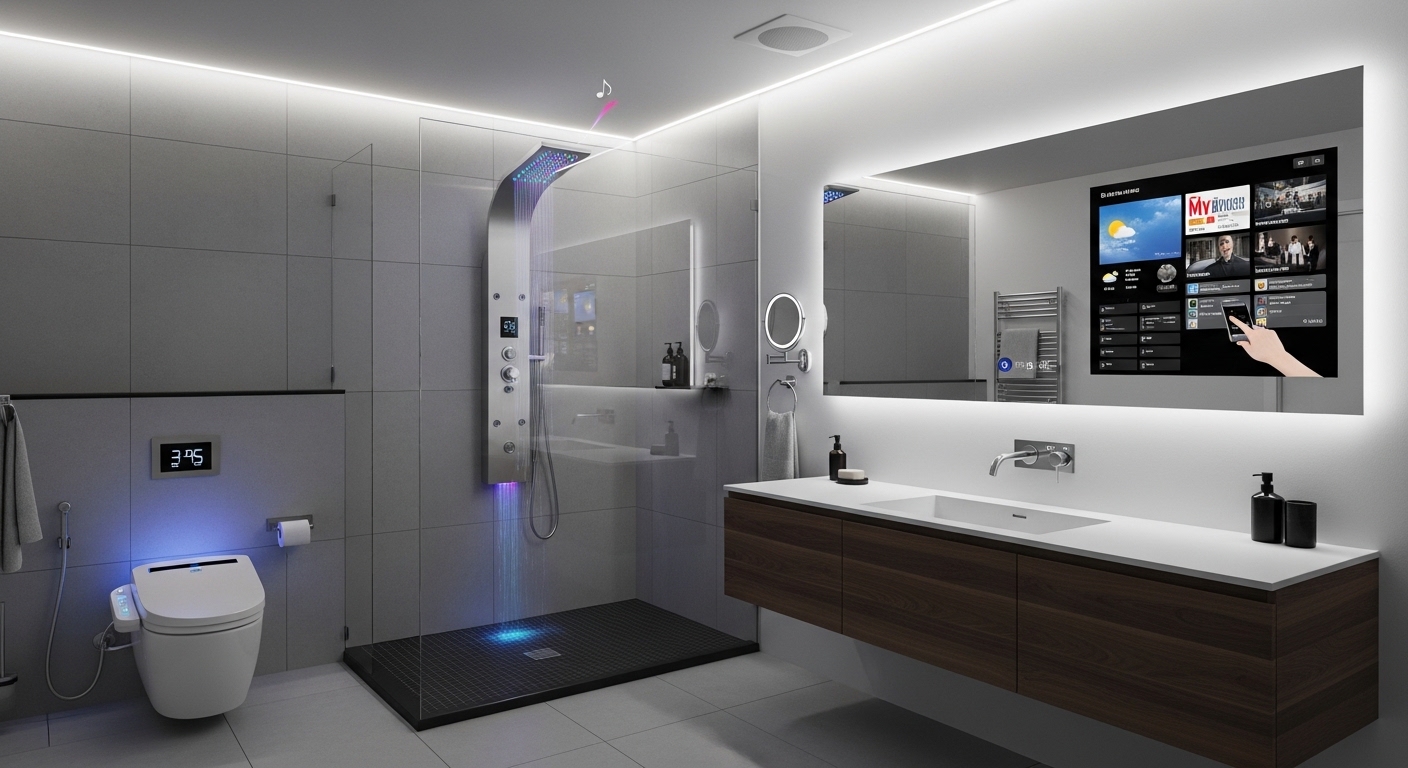
If you want your home to feel fresh and clean, the bathroom is a great place to start. A modern bathroom should look simple, bright, and easy to use every day. It should also feel calm and peaceful, like a small spa at home. You do not need a large space to get great results. With smart planning and the right upgrades, you can design a modern bathroom that looks beautiful and works better for your daily routine.
In this guide, you will learn the key steps and features that help create a bathroom that feels modern, comfortable, and practical.
Start With a Clean and Simple Layout
A modern bathroom begins with a smart and simple layout plan. The layout controls how the shower, toilet, sink, and storage fit together. When you design a modern bathroom, keeping the layout open makes the space feel larger and more comfortable. Too many walls or bulky fixtures can make the room feel crowded.
Replacing a large bathtub with a walk in shower can open valuable floor space. A floating vanity creates a lighter and more spacious look. Glass shower doors allow more light to move through the room. Wall mounted shelves keep storage practical without adding visual weight. Even small layout changes can make a bathroom feel bigger and more inviting.
Choose Modern Colors That Feel Calm
Color choice plays a major role in bathroom design. Modern bathrooms often use soft, neutral shades that create a clean and relaxing atmosphere. White, light gray, warm beige, and soft green are popular options today. Matte black accents add contrast without overwhelming the space.
When you design a modern bathroom, limit the number of main colors. Too many tones can make the room feel busy and cluttered. A simple color palette makes it easier to match tile, cabinets, and fixtures. Calm colors also help the bathroom feel timeless instead of trendy.
Upgrade Lighting for a Better Look
Lighting can completely change how a bathroom looks and feels. Older bathrooms often rely on one ceiling light, which creates shadows and dull corners. Modern spaces use layered lighting to improve both style and function.
A bright ceiling light provides overall illumination for the room. Vanity lights near the mirror give better visibility for grooming tasks. Soft accent lights create a relaxing mood at night. Some homeowners install smart lighting systems that adjust brightness throughout the day. Good lighting instantly makes your bathroom look cleaner and more updated.
Add Smart Bathroom Features
Technology has become a common part of modern homes. Bathrooms are no exception. When you design a modern bathroom, smart features can improve comfort and convenience. Smart mirrors with LED lighting and anti fog systems keep visibility clear after hot showers. Some mirrors display time and temperature for added function.
Smart shower systems allow you to set the perfect water temperature before stepping inside. Touchless faucets improve hygiene and help conserve water. Modern bidet seats and advanced toilets offer comfort features like heated seats and self cleaning functions. These upgrades are not only stylish, they also make daily routines easier.
Pick the Right Modern Tile
The tile covers a large portion of the bathroom, so choosing the right style matters. Large format tiles are very popular in modern design. They create a smooth appearance with fewer grout lines. Fewer grout lines also make cleaning easier.
Subway tiles with clean edges remain a classic modern option. Textured tiles can add depth while keeping a neutral look. Matte finishes often feel more contemporary than glossy surfaces. When mixing tiles for floors and shower walls, keep colors in the same family. This approach keeps the overall look cohesive and balanced.
Choose Fixtures With a Modern Finish
Fixtures include faucets, shower heads, towel bars, and cabinet handles. These details may seem small, but they strongly impact the final design. Matte black fixtures are bold and clean. Brushed nickel offers a timeless and versatile look. Polished chrome feels bright and reflective. Brushed gold adds warmth without feeling flashy.
When you design a modern bathroom, try to keep finishes consistent. Mixing too many metals can make the space feel unplanned. Coordinated fixtures create a polished and professional appearance.
Improve Ventilation and Air Quality
Ventilation is often overlooked during bathroom remodeling. A strong exhaust fan prevents moisture buildup and protects surfaces from damage. Proper airflow reduces the risk of mold and paint deterioration. Modern fans operate quietly and efficiently.
Some advanced ventilation systems include humidity sensors that activate automatically. A fresh and dry bathroom environment supports long term durability. Planning ventilation early is essential when you design a modern bathroom.
Focus on Water Saving Upgrades
Modern bathrooms should be efficient as well as attractive. Low flow shower heads, WaterSense toilets, and efficient faucets reduce water use without lowering performance. These fixtures help lower utility bills while supporting environmental responsibility.
Water saving features are simple upgrades that provide long term value. They allow homeowners to enjoy comfort while using fewer resources.
Work With a Professional Bathroom Remodel Contractor
Bathroom remodeling involves plumbing, electrical work, tile installation, and permits. Even a small mistake can cause expensive repairs later. Working with a licensed contractor helps protect your investment.
A professional team can handle design planning, demolition, permits, plumbing, lighting installation, and finishing details. When you design a modern bathroom with experienced professionals, the final result looks refined and lasts for many years.
Final Thoughts on How to Design a Modern Bathroom
A modern bathroom combines clean design, smart upgrades, and everyday comfort. Small improvements like updated lighting and fixtures can refresh the space quickly. A full remodel with new tile, shower systems, and storage creates a complete transformation.
With careful planning and thoughtful upgrades, you can design a modern bathroom that feels fresh, practical, and beautiful. Smart features add convenience and long term value to your home. Focus on simplicity, choose quality materials, and invest in features that improve daily life.
Contact RODO Development Inc.
- Email: info@rodo-development.com
- Phone: +1 (818) 610-9680
- Office: 19720 Ventura Blvd, Suite E3, Woodland Hills, CA 91364
Operating Hours: Monday–Friday, 8:00 AM – 6:00 PM
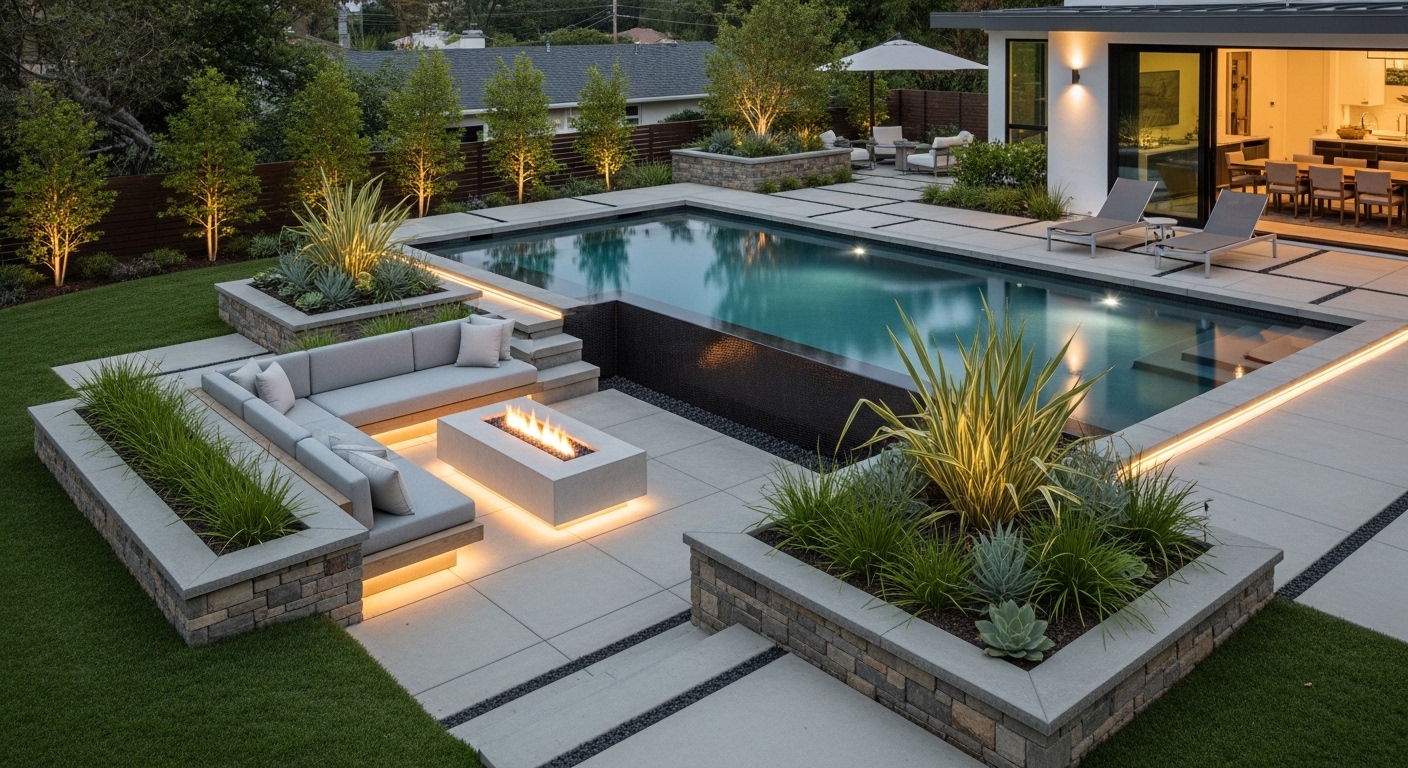
With the ever-evolving landscape of home improvement, transforming your backyard into a private paradise has become both attainable and desirable. By embracing the latest trends in pool design, homeowners are embracing ideas that combine style, innovation, functionality, and sustainability. With help from professional resources like Integrity Pool, you can be confident your vision will blend seamlessly with the industry’s leading advancements to create your personal oasis.
Contemporary pool designs focus on visual appeal and practicality, offering experiences that delight the senses and simplify maintenance. Trends highlight maximizing space, enhancing beauty, and supporting sustainability. These ideas include smart automation, bold aesthetics, natural pools, and LED lighting, providing creative options for any yard size or budget to make your outdoor space unique.
Geometric Pool Shapes
Modern pool shapes favor sleek lines and strong geometric forms over traditional, irregular ones. Rectangles, squares, and L-shaped pools deliver a contemporary aesthetic while maximizing usable space. These shapes suit both expansive and compact sites, providing an architectural clarity that blends perfectly with minimalist and modern landscaping. Features like infinity edges and in-pool seating often integrate seamlessly with geometric forms, producing a polished, cohesive look that appeals to the eye and enhances your swimming experience.
Smart Pool Technology
Today’s homeowners are increasingly turning to technology to simplify pool management. Smart pool systems allow users to monitor and control lighting, heating, and filtration remotely through their smartphones. Automation tools can also balance water chemistry, operate robotic cleaners, and even schedule maintenance cycles. These advancements not only provide convenience but also help improve energy efficiency and reduce costs over time.
Integrated Fire and Water Features
One of the most eye-catching trends is the integration of fire and water elements. Poolside fire bowls, fire pits along lounging areas, and cascading water features create dynamic visual contrasts while establishing inviting focal points for entertaining. These installations allow you to enjoy your outdoor retreat well into the evening and infuse the space with both ambiance and a sense of luxury. The interplay between fire and water is not just visually compelling but also extends the usability of your outdoor area during cooler nights.
Baja Shelves and Sun Ledges
Also known as tanning ledges, Baja shelves offer shallow platforms submerged in water, ideal for lounging, sunbathing, or unwinding without fully submerging. These features mimic resort experiences, making them popular in family-oriented pools where adults can relax while keeping an eye on children. Built-in umbrella stands and custom in-water loungers are becoming standard upgrades, adding comfort and convenience for the entire family.
Eco-Friendly and Sustainable Pools
Sustainability is central to modern pool design. Homeowners are increasingly turning to natural pools that use aquatic plants for filtration rather than chemicals, offering an environmentally conscious swimming experience. Eco-friendly equipment, such as variable-speed pumps and solar heaters, reduces electricity consumption and lowers the overall carbon footprint. These strategies offer long-term cost savings while supporting environmental stewardship.
Dark Pool Finishes
Dark pool finishes, such as deep gray or black plaster, deliver a high-end, mirror-like look. These finishes absorb sunlight more efficiently, naturally warming the water, making them ideal for cooler climates or shaded yards. The reflective surface adds depth and a mysterious elegance, making your pool appear larger and more luxurious. Dark interiors also mask debris, reducing the need for visible maintenance and complementing lush tropical landscaping.
Compact and Courtyard Pools
For smaller properties, compact pools, including plunge and cocktail pools, provide an upscale aquatic experience without overwhelming available outdoor spaces. These pools find a home in narrow side yards, inner courtyards, or on smaller lots where space is at a premium. Despite their size, they often include features like spas, waterfalls, or jets, blending relaxation with style in a cozy footprint.
Custom Lighting for Nighttime Appeal
Pool lighting has advanced from basic to sophisticated options like color-changing LEDs, fiber optic borders, and floating displays, creating dramatic nighttime atmospheres. Programmable settings let homeowners customize lighting for any occasion, enhancing gatherings or providing peaceful evenings. Custom lighting keeps the pool a focal point after sunset and extends outdoor enjoyment. Adopting modern trends maximizes your backyard’s value, beauty, and enjoyment, whether prioritizing energy efficiency, aesthetics, or automation, as today’s innovations enhance residential pools.
Conclusion
Incorporating modern pool design trends into a backyard creates a functional and visually appealing outdoor retreat. Current designs emphasize clean geometric shapes, smart automation, and eco-friendly systems, alongside dramatic fire-and-water features that balance aesthetics, comfort, and efficiency. Features like Baja shelves, custom lighting, and dark finishes enhance the atmosphere for both daytime and nighttime use, while compact pool options provide luxury even in smaller spaces. As homeowners increasingly seek personalized, sustainable outdoor solutions, these innovations cater to diverse lifestyles and property sizes. By integrating contemporary design and advanced technology, pools become extensions of the home, boosting enjoyment, usability, and long-term value year-round.
When you live in a high-wind area, whether along the coast, in open rural landscapes, or in regions prone to seasonal storms, your fence becomes more than just a design feature. It becomes a structural necessity. Many homeowners discover too late that traditional wood or hollow metal fences simply can’t withstand strong gusts, heavy rain, and flying debris.
This is where foam-core aluminum slat fences truly stand apart. By combining lightweight aluminum with an insulated foam-filled interior, these fences deliver a powerful blend of durability, stability, and long-term performance. In particular, the foam filled aluminum fence design is gaining popularity among property owners who need both style and strength without compromise.
Let’s explore why foam-core fences are ideal for high wind areas and why they may be the smartest fencing investment you can make.
Understanding Foam-Core Aluminum Slat Fences
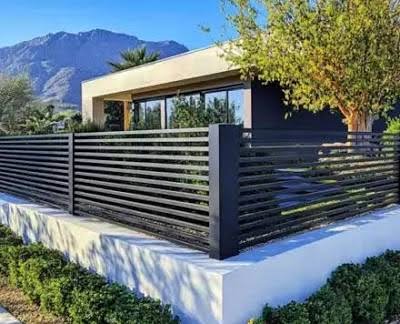
At first glance, an aluminum slat fence looks sleek and modern. The horizontal or vertical slats create clean lines that complement contemporary architecture, while still offering privacy and security. But what makes foam-core slats different is what’s inside.
Unlike hollow aluminum slats, foam-core slats are filled with high-density insulating foam. This internal reinforcement strengthens the structure without adding excessive weight. The result is a fence system that resists bending, rattling, and structural fatigue, even when exposed to constant wind pressure.
Some manufacturers, such as PrimeAlux, have refined this design to enhance both wind resistance and acoustic performance, but the core principle remains the same: a reinforced interior dramatically improves performance in challenging climates.
Why High Wind Areas Demand Better Fencing
Strong winds create consistent pressure against fencing surfaces. Over time, this pressure can:
- Loosen posts
- Warp panels
- Crack welds
- Cause entire fence sections to collapse
Traditional wood fences are particularly vulnerable. Wood can absorb moisture, weaken at joints, and become brittle under temperature fluctuations. Hollow aluminum fences, while lighter and rust-resistant, may still flex excessively under repeated gusts.
In contrast, a foam filled aluminum fence distributes wind pressure more evenly across each slat. The foam interior reduces vibration and internal movement, minimizing stress on fasteners and posts.
1. Superior Structural Stability
One of the biggest advantages of foam-core aluminum slat fencing is structural rigidity.
The foam interior acts as an internal support system. Instead of the aluminum shell carrying all the load, the foam helps absorb and distribute pressure. This reduces the risk of:
- Denting
- Twisting
- Buckling
- Panel separation
In high wind zones, this added reinforcement can significantly extend the lifespan of the fence. The slats maintain their shape, alignment, and integrity even after years of exposure.
2. Reduced Vibration and Noise
Anyone who has experienced strong winds knows the noise that can come with it, rattling fence panels, clanking metal, or whistling gaps.
Foam-filled slats dramatically reduce vibration. The internal foam dampens sound and minimizes movement within the aluminum casing. This results in:
- Quieter performance during storms
- Less stress on mounting hardware
- Improved comfort for homeowners
In windy neighborhoods, this small design detail makes a noticeable difference.
3. Lightweight Yet Strong
One of aluminum’s key advantages is its lightweight nature. However, lightweight materials can sometimes sacrifice strength.
Foam-core technology solves this problem. The foam increases rigidity without making the fence excessively heavy. This balance makes installation easier while maintaining high performance.
Compared to steel fencing, foam filled aluminum fencing offers:
- Corrosion resistance
- Lower overall weight
- Easier installation
- Minimal maintenance
For contractors and homeowners alike, this combination is highly appealing.
4. Weather Resistance Beyond Wind
High wind areas are often associated with other harsh environmental conditions, including:
- Salt air in coastal regions
- Heavy rainfall
- UV exposure
- Temperature fluctuations
Aluminum naturally resists rust and corrosion, unlike iron or untreated steel. When powder-coated, it gains an additional layer of protection against fading and surface damage.
The foam interior does not absorb water like wood. This means no swelling, rotting, or termite damage. The result is a fence that maintains its structural performance year after year.
5. Improved Privacy Without Compromising Strength
Many homeowners in windy areas hesitate to install privacy fencing because solid panels can act like sails during storms.
Foam-core aluminum slat fences offer customizable spacing options. You can choose tighter slat configurations for maximum privacy or slightly spaced slats to allow controlled airflow.
Even when configured for privacy, the reinforced slats resist flexing better than hollow alternatives. This allows homeowners to enjoy security and seclusion without sacrificing durability.
6. Long-Term Cost Efficiency
While the initial cost of a foam filled aluminum fence may be higher than wood or basic hollow aluminum options, the long-term savings often outweigh the upfront investment.
Consider the cost of:
- Replacing warped wood panels
- Repairing storm-damaged sections
- Repainting or sealing wood annually
- Reinforcing posts after repeated wind damage
Foam-core aluminum fencing requires minimal maintenance. There’s no need for staining, sealing, or rust treatment. Occasional cleaning is typically enough to keep it looking new.
Over time, reduced repairs and longer lifespan make it a financially smart choice.
7. Modern Aesthetic Appeal
Functionality matters, but so does appearance.
Aluminum slat fencing offers a sleek, architectural look that complements:
- Contemporary homes
- Coastal properties
- Urban developments
- Luxury landscapes
The clean lines and powder-coated finishes create a polished appearance that elevates curb appeal. Foam-core construction enhances this by preventing warping or visible distortion over time.
Some premium brands, including PrimeAlux, offer refined finishes and customizable options that further enhance design flexibility without compromising performance.
8. Eco-Friendly Considerations
Sustainability is increasingly important to homeowners.
Aluminum is recyclable, making it a more environmentally responsible choice compared to treated wood. Additionally, foam-core fences typically last longer, reducing the need for replacement materials and waste.
Longer lifespan equals lower environmental impact over time.
9. Ideal for Coastal and Storm-Prone Regions
Coastal communities often face a combination of salt exposure and strong winds. Traditional fencing materials deteriorate quickly under these conditions.
A foam filled aluminum fence provides:
- Corrosion resistance
- Structural reinforcement
- Low maintenance requirements
- Long-term reliability
In hurricane-prone regions, choosing reinforced fencing is not just about aesthetics, it’s about protecting your property investment.
Final Thoughts
High wind areas demand fencing solutions that go beyond basic functionality. Strength, durability, and long-term performance are essential.
Foam-core aluminum slat fences provide a powerful combination of structural stability, reduced vibration, weather resistance, and modern design. By reinforcing each slat with high-density foam, these systems withstand wind pressure far better than hollow alternatives or traditional wood fencing.
If you’re building or upgrading in a windy region, investing in a foam filled aluminum fence is a proactive step toward durability and peace of mind. While brands like PrimeAlux offer refined versions of this technology, the key advantage lies in the foam-core design itself, a smart innovation that transforms aluminum fencing into a high-performance barrier built for demanding environments.
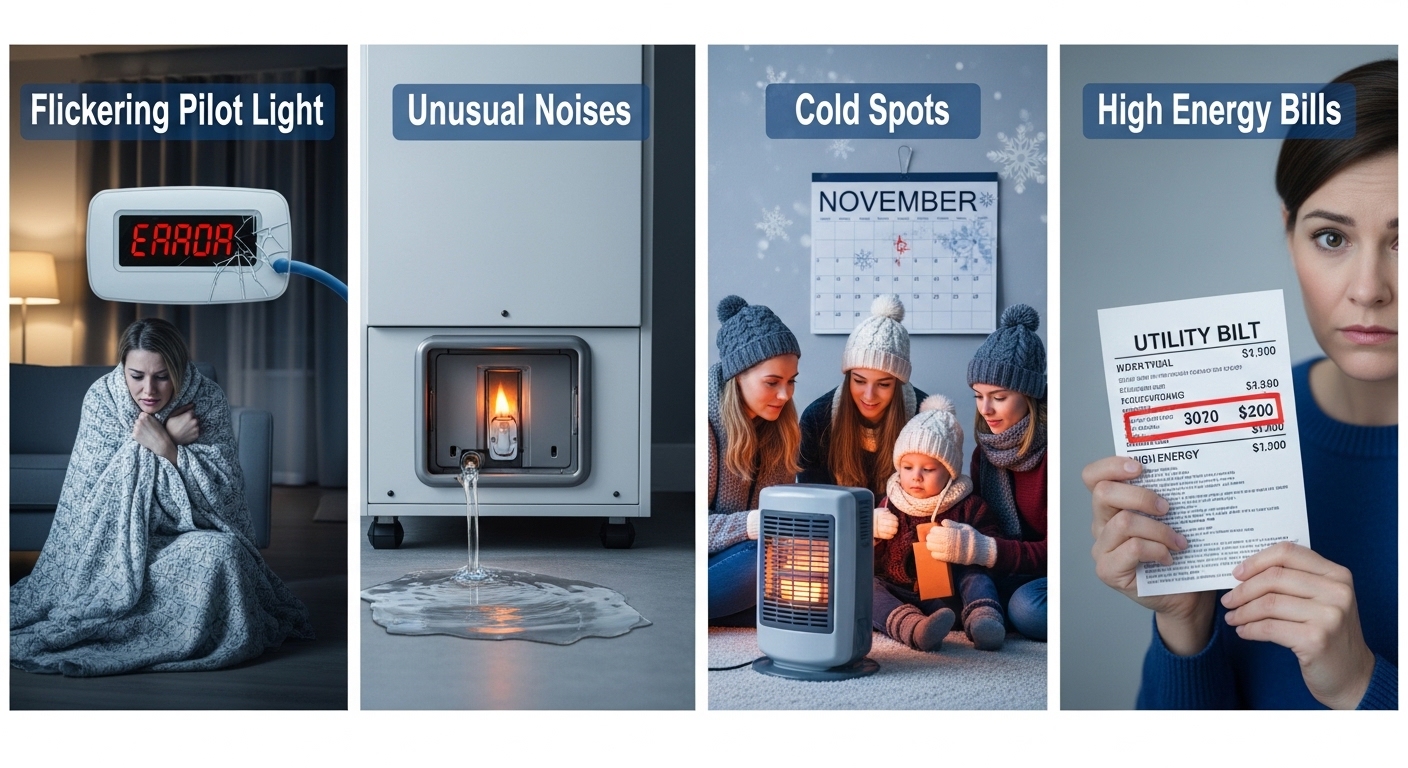
Heating issues can present early warning signs that signal the need for emergency repair before winter temperatures arrive. Identifying these problems early helps prevent sudden breakdowns and disruptions during peak cold periods. Regular maintenance helps keep your unit working properly. Here are a few signs you need emergency heating repair before winter hits:
Heat and Performance Issues
Cold air blowing from the heaters could indicate a problem with the HVAC unit. This issue could be caused by faulty heating elements, clogged ducts, or even a malfunctioning pilot light. An HVAC expert assesses your unit to identify potential causes of these symptoms. They repair or replace the faulty parts and make sure they run properly. Before calling a professional, check whether you set the thermostat to a lower setting.
Your heating system may experience frequent cycling when a unit is malfunctioning. This is when your unit frequently cycles on and off. A faulty component or obstructed airflow might cause it. A professional will assess the unit and may recommend an upgrade if your system is outdated.
Odors and Air Quality
If your unit is malfunctioning, turning on your heaters can sometimes cause unusual odors to circulate throughout your home. The odors could be similar to those of burning electrical parts or mildew. Strange odors might be caused by dust or debris accumulating inside the system, or faulty electronics. If the smell doesn’t go away, you may need to replace the air filters. When dust filters are changed, it makes sure the HVAC system circulates clean air.
If the unusual smell is coming from a burning electrical component, acting quickly during an unexpected breakdown can help prevent a fire hazard. A technician inspects the unit to identify and repair any faulty electrical components. This leaves your HVAC system operating as it should.
A broken HVAC system causes dust and other contaminants to accumulate on various parts. When this happens, it cannot efficiently remove pollutants from the air inside your home. An HVAC technician cleans all the internal parts to clear possible blockages as part of routine maintenance.
System Operation Concerns
Loud or unusual noises from your HVAC unit could indicate a malfunction or failure of internal components. This signals the need for emergency heating repair. If you hear clicking, banging, whistling, or rattling noises, these are signs of an underlying issue, such as loose parts. Clicking and whining noises are caused by wear and tear, and you may hear them as the unit warms up or cools down. A technician checks whether the noises are caused by electrical issues, loose or malfunctioning parts, or dirt buildup. They can then repair or replace the faulty parts.
Energy Efficiency Problems
Problems in your heating system can prevent it from heating your home efficiently, causing it to use more energy than needed. Increased energy usage typically indicates issues that a technician can inspect to pinpoint faults affecting HVAC efficiency. If your unit doesn’t evenly heat your home, it may mean inefficient energy usage. Professionals check for leaking ductwork, low refrigerant, and clogged vents.
Moisture and Condensation Issues
You may notice excess moisture and condensation forming inside due to a malfunctioning HVAC unit. A technician inspects your system to identify specific issues, such as dripping AC units and leaking ductwork. Dripping AC units are a sign of a clogged drain pipe or a damaged pump, which a technician can clean or replace. Excessive indoor moisture could also result from the system’s failure to dehumidify the air. An HVAC technician may assess your unit to determine why it isn’t dehumidifying the air and replace the necessary parts. If the unit is old or no longer suits the home, they may recommend installing a new unit entirely.
Identifying areas of leakage in ductwork helps prevent excess moisture buildup. Your technician may locate these areas and use durable materials to seal them. Sealing the ductwork helps promote moisture regulation while keeping the air flowing through the ductwork.
Schedule Emergency Heating Repair Today
Unusual noises or a lack of heat could indicate a problem with your heating system. Emergency heating repair can restore your heating system before it fails during the winter, which can be inconvenient. Turning off your heater and scheduling a repair can reduce the risk of a prolonged system failure. Take action today to keep your heating system ready when it matters most.
-

 Technology4 months ago
YourAssistantLive com: The Future of Smart Digital Assistance
-

 Blog6 days ago
Simpcit6: Redefining Simplicity in a Complex World
-

 food5 months ago
Calamariere: How to Perfectly Prepare at Home
-

 Blog5 months ago
Baddi Hub: An Emerging Industrial and Business Hotspot
-

 Health3 months ago
Nerovet AI Dentistry: Enhancing Patient Experience and Treatment Outcomes Dental Care
-

 Technology6 days ago
Voomixi com: The Digital Platform Redefining Online Interaction
-

 Crypto5 months ago
Crypto30x.com vs Other Crypto Sites – Best Bitcoin Tools?
-

 Lifestyle6 days ago
Pyjamaspapper: The Ultimate Blend of Comfort and Style in Sleepwear