
Blog
Museumsaufsicht Job: Duties, Requirements, and Career Path

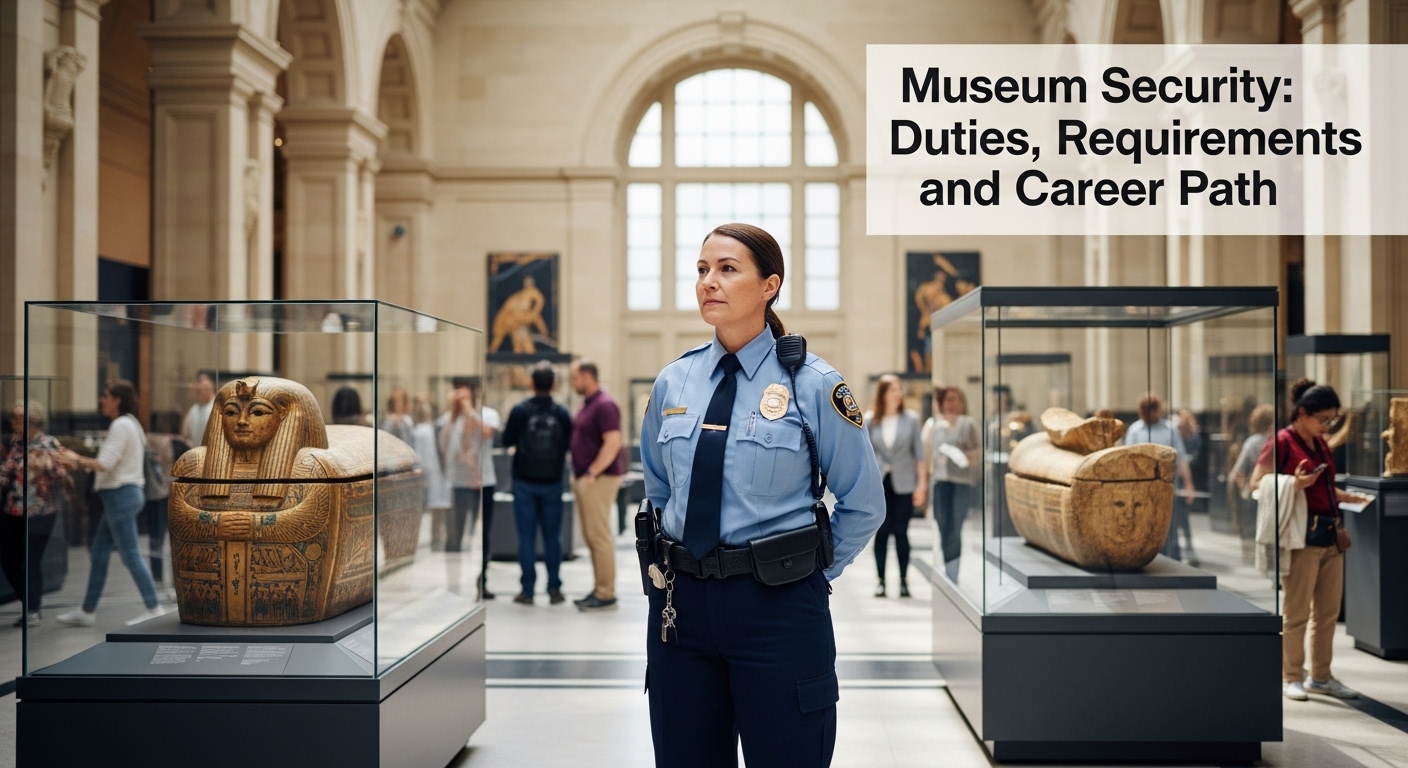
On a slow weekday morning in Berlin, a visitor pauses in front of a centuries-old painting. The gallery is silent except for the soft echo of footsteps. Nearby, a museum attendant watches attentively—not intrusively, not hurriedly. To most people, this presence fades into the background. Yet without it, the museum experience would collapse into disorder. This understated role is at the heart of the Museumsaufsicht Job, a profession that quietly safeguards art, history, and public trust while adapting to the realities of a modern, visitor-driven cultural economy.
At first glance, museum supervision may seem static or routine. In reality, it sits at the intersection of culture, security, public service, and even technology. As museums transform into dynamic spaces for education, tourism, and community engagement, the Museumsaufsicht Job has evolved into a role with real-world relevance far beyond gallery walls.
Understanding the Museumsaufsicht Job in Context
The term “Museumsaufsicht” originates from German-speaking countries and translates roughly to museum supervision or gallery attendant. In English-language discussions, it is often compared to roles such as museum guard, gallery supervisor, or visitor services attendant. However, the Museumsaufsicht Job carries a broader responsibility than those titles suggest.
Professionals in this role are entrusted with protecting priceless collections, ensuring visitor safety, enforcing museum policies, and often serving as the first human point of contact for guests. They operate within a delicate balance: maintaining vigilance without disrupting the contemplative atmosphere that museums depend on. This balance is what makes the role both challenging and essential.
In an era where museums compete with digital entertainment and immersive experiences, the Museumsaufsicht Job contributes directly to visitor satisfaction. A knowledgeable, attentive supervisor can turn a casual visit into a memorable cultural encounter.
Why the Museumsaufsicht Job Matters More Than Ever
Museums today are no longer passive repositories of objects. They are active platforms for storytelling, social dialogue, and even innovation. This shift has amplified the importance of front-facing roles.
From a business and operational perspective, museums face rising insurance costs, stricter safety regulations, and heightened public expectations. The Museumsaufsicht Job sits on the front line of these pressures. Supervisors help prevent damage, reduce liability risks, and maintain the institution’s reputation—all outcomes that matter deeply to museum directors, funders, and partners.
There is also a human dimension. Visitors increasingly expect accessibility, clarity, and respectful guidance. A well-trained museum supervisor provides exactly that, acting as both guardian and guide in shared cultural spaces.
Daily Responsibilities Beyond “Watching the Room”
It is a misconception that museum supervision consists solely of standing still and monitoring artwork. In practice, the Museumsaufsicht Job requires constant situational awareness and decision-making.
A typical day might involve greeting visitors, checking tickets, explaining gallery rules, responding to questions, monitoring environmental conditions, and coordinating with security or curatorial staff. When unexpected situations arise—such as overcrowding, medical emergencies, or rule violations—the museum supervisor must respond calmly and professionally.
This blend of customer service and risk management is what makes the role distinctive. Unlike traditional security jobs, the Museumsaufsicht Job demands diplomacy, cultural sensitivity, and communication skills alongside vigilance.
Skills and Qualifications Shaping the Museumsaufsicht Job
The professional profile of museum supervision has changed significantly over the past decade. While formal academic degrees are not always required, institutions increasingly value soft skills and specialized training.
Strong communication abilities are essential, particularly in international museums where visitors may speak multiple languages. Attention to detail, emotional intelligence, and the ability to remain composed under pressure are equally critical. Many museums now provide training in conflict de-escalation, accessibility awareness, and emergency response.
Technology has also entered the picture. Digital ticketing systems, surveillance tools, and environmental monitoring devices are part of daily operations. As a result, the modern Museumsaufsicht Job rewards adaptability and comfort with basic tech systems—an angle that resonates even with tech-oriented readers.
Career Pathways and Professional Growth
One of the lesser-known aspects of the Museumsaufsicht Job is its potential as a gateway into the broader cultural sector. Many professionals begin in supervisory roles and later transition into visitor services management, education departments, or museum administration.
For students of art history, cultural studies, or tourism, museum supervision offers firsthand exposure to institutional operations. It provides insight into how exhibitions are run, how audiences behave, and how cultural value is protected in real time.
From an entrepreneurial viewpoint, this role also builds transferable skills: customer engagement, operational discipline, and situational leadership. These competencies translate well into other industries, including hospitality, events, and facility management.
Work Environment and Employment Conditions
The working conditions associated with the Museumsaufsicht Job vary widely depending on the institution. Large national museums often operate year-round and require shift work, including weekends and holidays. Smaller galleries may offer more predictable schedules but fewer advancement opportunities.
Compensation levels reflect this diversity. While entry-level pay can be modest, stable employment, public-sector benefits, and union representation are common in many European contexts. For individuals seeking reliable work within a culturally meaningful environment, this balance is appealing. The table below highlights how the Museumsaufsicht Job typically compares with related roles in cultural institutions.
| Role Comparison | Core Focus | Visitor Interaction | Risk Responsibility | Career Mobility |
|---|---|---|---|---|
| Museumsaufsicht Job | Artwork and visitor supervision | High | Medium to High | Moderate |
| Security Guard | Asset protection | Low to Medium | High | Low |
| Visitor Services Staff | Guest experience | Very High | Low | Moderate |
| Curatorial Assistant | Research and exhibitions | Low | Low | High |
This comparison shows why museum supervision occupies a unique operational niche rather than fitting neatly into security or hospitality categories.
The Museumsaufsicht Job in a Digital Age
Digital transformation has reshaped museums in subtle but important ways. Interactive exhibits, timed-entry systems, and augmented reality experiences have altered visitor behavior. As a result, museum supervisors now play a role in guiding guests through digital interfaces and ensuring technology is used appropriately.
Surveillance and analytics tools also support the Museumsaufsicht Job by enhancing situational awareness. However, technology does not replace human judgment. Museums continue to rely on supervisors to interpret behavior, respond empathetically, and preserve the atmosphere that makes physical cultural spaces irreplaceable. This human-centered responsibility is precisely why the role remains relevant, even as automation advances.
Cultural Stewardship and Public Trust
At its core, the Museumsaufsicht Job is about stewardship. Museums hold collections in trust for society, and supervisors act as daily custodians of that trust. Their presence reassures visitors that artworks are protected and that shared rules exist to benefit everyone.
This trust has reputational value. High-profile incidents of vandalism or damage can undermine public confidence and donor support. By preventing such outcomes, museum supervisors contribute indirectly to funding stability and institutional credibility. For founders and leaders in adjacent sectors—such as cultural tourism, creative industries, or education—understanding this role offers insight into how frontline operations sustain long-term value.
The Future of the Museumsaufsicht Job
As museums redefine their missions to emphasize inclusivity, sustainability, and engagement, the Museumsaufsicht Job will continue to evolve. Expectations will likely expand to include greater interpretive support, accessibility awareness, and collaboration with digital tools.
Rather than fading into obsolescence, museum supervision is becoming more professionalized. Institutions are investing in training, standardization, and career development, recognizing that the visitor experience begins not with an exhibit label, but with the people who protect and present it.
For those considering a career that blends public service with cultural impact, or for decision-makers analyzing the operational backbone of cultural institutions, this role deserves serious attention.
Conclusion
The Museumsaufsicht Job may never command headlines or public applause, yet its influence is felt in every successful museum visit. It is the invisible framework that allows art to be admired, history to be respected, and visitors to feel safe and welcome.
In a world increasingly driven by speed and screens, museum supervisors embody something different: patience, presence, and responsibility. Their work reminds us that cultural preservation is not only about objects, but about people—those who guard them and those who come to experience them.
In Singapore’s humid climate, maintaining clean and hygienic home furnishings is essential for a comfortable and healthy living environment. Curtains and sofas are among the most frequently used furnishings in any home, yet they are often overlooked during routine cleaning. Over time, they collect dust, allergens, bacteria, stains, and unpleasant odours that may affect indoor air quality. This is why professional on site curtain cleaning and sofa cleaning services have become increasingly popular among homeowners in Singapore.
As one of Singapore’s most reputable and highly trusted cleaning companies, Duo Nini provides professional cleaning solutions that help restore freshness and cleanliness to curtains and sofas without unnecessary inconvenience.
One of the main advantages of on site curtain cleaning is convenience. Traditional curtain cleaning methods often require curtains to be dismantled, transported for off site cleaning, and later reinstalled. This process can be time-consuming and disruptive, especially for busy households or offices.
With Duo Nini’s on site curtain cleaning service, curtains are professionally cleaned while remaining securely installed. This eliminates the hassle of removal and reinstallation while allowing homeowners to enjoy freshly cleaned curtains in a much shorter time.
Curtains naturally trap airborne dust, smoke particles, pet dander, pollen, and microscopic allergens every day. In Singapore’s humid weather, moisture can also become trapped within curtain fabrics, creating an environment where bacteria and odours may develop. Ordinary vacuuming is often insufficient to remove deeply embedded contaminants.
Duo Nini uses professional-grade steam cleaning equipment designed to penetrate deep into curtain fabrics. High-temperature steam helps loosen dirt while eliminating germs, bacteria, dust mites, and allergens. This process refreshes the curtains thoroughly while remaining safe for many types of curtain materials.
The company follows a detailed cleaning process to ensure effective results. First, the curtains undergo a careful inspection to assess their condition and identify any stains or problem areas. Next, targeted spot treatment is applied where necessary. Finally, high temperature steam cleaning is carried out to sanitise and refresh the curtains completely.
In addition to curtain cleaning, Duo Nini also specialises in professional sofa cleaning services. Sofas are one of the most heavily used pieces of furniture in any home. Daily use causes them to accumulate dust, body oils, sweat, food crumbs, pet fur, and stains over time.
Without proper maintenance, a dirty sofa can become a hidden source of bacteria and unpleasant odours. Surface wiping alone is often unable to remove contaminants trapped deep within the upholstery and cushions. Professional sofa cleaning helps restore cleanliness while extending the lifespan of the furniture.
Duo Nini’s sofa cleaning service uses professional equipment and proven cleaning techniques to remove deeply embedded dirt and stains effectively. Their experienced cleaning specialists carefully assess each sofa material to ensure the appropriate cleaning method is used without damaging the upholstery.
What sets Duo Nini apart is its commitment to quality, professionalism, and customer satisfaction. The company has earned a strong reputation in Singapore for delivering reliable cleaning services with consistent results. Customers appreciate the team’s attention to detail, punctuality, and expertise in handling various curtain and sofa fabrics.
For homeowners seeking a convenient and effective way to maintain a cleaner home, professional on site curtain cleaning and sofa cleaning services are valuable investments. With Duo Nini’s expertise and trusted reputation, customers can enjoy fresher, cleaner, and healthier living spaces with confidence.


In today’s fast-paced digital world, gifting has evolved beyond traditional methods, and platforms like www.ccgiftcards.org How Can Enhances Your Gifting Experience are redefining how people express appreciation and celebrate special occasions. Whether it is birthdays, anniversaries, or corporate milestones, digital gift cards have become a preferred choice due to their ease of use and versatility. This article explores how this innovative platform is transforming gifting experiences and making them more meaningful, efficient, and enjoyable for everyone involved.
The concept behind www.ccgiftcards.org: How Can Enhances Your Gifting Experience lies in simplifying the gifting process while offering maximum flexibility to both the giver and the receiver. Instead of worrying about choosing the perfect physical gift, users can rely on digital gift cards that cater to diverse preferences. This ensures that recipients get exactly what they want, eliminating guesswork and enhancing satisfaction. As we delve deeper, you will understand how this platform stands out in the modern gifting landscape.
Understanding www.ccgiftcards.org
The platform www.ccgiftcards.org: How Can Enhances Your Gifting Experience is designed to provide users with a seamless digital gifting solution that combines convenience with personalization. It allows individuals to purchase and send gift cards instantly, making it an ideal option for last-minute gifting needs. With an intuitive interface and a wide range of options, users can easily navigate through the platform and select the most suitable gift card for any occasion.
Another important aspect of www.ccgiftcards.org: How Can Enhances Your Gifting Experience is its adaptability to different user needs. Whether someone is gifting for personal reasons or corporate purposes, the platform accommodates various requirements. It supports multiple brands and categories, ensuring that recipients have plenty of choices. This flexibility enhances the overall gifting experience and makes it more user-centric.
The Rise of Digital Gifting and Its Impact
Digital gifting has gained immense popularity over the years, and platforms like www.ccgiftcards.org: How Can Enhances Your Gifting Experience are at the forefront of this transformation. With the increasing reliance on technology, people prefer solutions that save time and effort while delivering value. Digital gift cards meet these expectations by offering instant delivery and eliminating the need for physical handling.
Furthermore, the rise of digital gifting has also influenced consumer behavior in a significant way. People now prioritize convenience and personalization over traditional gifting methods. www.ccgiftcards.org: How Can Enhances Your Gifting Experience aligns perfectly with these trends by offering customizable options and a user-friendly interface. This shift highlights the growing importance of digital platforms in modern gifting practices.
Key Features of www.ccgiftcards.org
One of the standout features of www.ccgiftcards.org: How Can Enhances Your Gifting Experience is its ability to provide instant delivery of gift cards. This feature is particularly useful for individuals who need a quick and reliable gifting solution. The platform ensures that users can send gifts within minutes, making it ideal for last-minute occasions or unexpected celebrations.
Another notable feature is the variety of options available on the platform. Users can choose from a wide range of categories, including retail, entertainment, and dining. This diversity ensures that there is something for everyone, regardless of their preferences. The platform’s commitment to offering multiple choices enhances user satisfaction and makes the gifting process more enjoyable.
Benefits of Using www.ccgiftcards.org
Using www.ccgiftcards.org: How Can Enhances Your Gifting Experience offers numerous benefits that make it a preferred choice among users. One of the primary advantages is convenience, as the platform allows users to purchase and send gift cards from the comfort of their homes. This eliminates the need to visit physical stores and saves valuable time.
Another significant benefit is the flexibility it provides to recipients. Instead of being restricted to a specific item, recipients can use the gift card according to their preferences. This ensures that they get something they truly value, enhancing their overall experience. The platform’s focus on user satisfaction makes it a reliable and effective gifting solution.
How www.ccgiftcards.org
Personal gifting becomes more meaningful when it is tailored to the recipient’s preferences, and www.ccgiftcards.org: How Can Enhances Your Gifting Experience excels in this area. By offering customizable gift cards, the platform allows users to add a personal touch to their gifts. This makes the experience more memorable and strengthens relationships.
Additionally, the platform simplifies the process of selecting the perfect gift. Users no longer have to worry about choosing the wrong item, as gift cards provide recipients with the freedom to decide. This reduces stress and ensures a positive gifting experience for both parties. The ease and flexibility offered by the platform make it an ideal choice for personal gifting.
Role of www.ccgiftcards.org
Corporate gifting plays a crucial role in building relationships and expressing appreciation, and www.ccgiftcards.org: How Can Enhances Your Gifting Experience offers a practical solution for businesses. The platform allows companies to send gift cards to employees, clients, and partners, making the process efficient and scalable.
Moreover, the platform ensures consistency and professionalism in corporate gifting. Businesses can choose from a variety of options that align with their brand image and values. This helps in creating a positive impression and strengthening business relationships. The platform’s ability to cater to corporate needs makes it a valuable tool for organizations.
Table: Comparing Traditional Gifting and Digital Gifting
Traditional gifting often involves physical items, which can be time-consuming to purchase and deliver. In contrast, digital gifting through www.ccgiftcards.org: How Can Enhances Your Gifting Experience offers a faster and more convenient alternative. The table below highlights the key differences between the two approaches.
| Aspect | Traditional Gifting | Digital Gifting |
|---|---|---|
| Delivery Time | Takes days | Instant delivery |
| Convenience | Requires store visits | Fully online |
| Flexibility | Limited choices | Wide variety |
| Personalization | Moderate | High |
| Cost Efficiency | May include extra costs | More affordable |
This comparison clearly shows how digital gifting provides a superior experience in terms of convenience and flexibility. The platform’s ability to streamline the process makes it a preferred choice for modern users.
Security and Reliability of www.ccgiftcards.org
Security is a major concern for users when it comes to online transactions, and www.ccgiftcards.org: How Can Enhances Your Gifting Experience addresses this issue effectively. The platform uses advanced security measures to protect user data and ensure safe transactions. This builds trust and confidence among users.
In addition to security, the platform is known for its reliability. Users can depend on it to deliver gift cards promptly without any technical issues. This consistency enhances the overall user experience and makes the platform a dependable choice for gifting needs.
Future of Gifting with www.ccgiftcards.org
The future of gifting is undoubtedly digital, and platforms like www.ccgiftcards.org: How Can Enhances Your Gifting Experience are leading the way. As technology continues to evolve, we can expect even more innovative features that enhance user experience. These advancements will further simplify the gifting process and make it more engaging.
Moreover, the growing popularity of digital solutions indicates that traditional gifting methods may gradually decline. www.ccgiftcards.org: How Can Enhances Your Gifting Experience is well-positioned to adapt to these changes and continue providing value to users. Its commitment to innovation ensures that it remains relevant in the ever-changing digital landscape.
Conclusion
In conclusion, www.ccgiftcards.org: How Can Enhances Your Gifting Experience offers a modern and efficient approach to gifting that meets the needs of today’s users. Its combination of convenience, flexibility, and personalization makes it a standout platform in the digital gifting space. By simplifying the process and enhancing user satisfaction, it has redefined how people give and receive gifts.
As more individuals and businesses embrace digital solutions, platforms like www.ccgiftcards.org: How Can Enhances Your Gifting Experience will continue to play a significant role in shaping the future of gifting. Whether for personal or corporate use, it provides a reliable and enjoyable experience that makes every occasion special.
-

 Blog5 months ago
Simpcit6: Redefining Simplicity in a Complex World
-

 Blog9 months ago
Baddi Hub: An Emerging Industrial and Business Hotspot
-

 food9 months ago
Calamariere: How to Perfectly Prepare at Home
-

 Technology9 months ago
YourAssistantLive com: The Future of Smart Digital Assistance
-

 Health8 months ago
Nerovet AI Dentistry: Enhancing Patient Experience and Treatment Outcomes Dental Care
-

 Technology5 months ago
Voomixi com: The Digital Platform Redefining Online Interaction
-

 Business7 months ago
Top Benefits of Using Quality Wire Rope Lube in US Heavy Industry
-

 Technology8 months ago
Anonibs: The Trending Anonymous Image Board Platform