
HomeImprovment
House Extension London

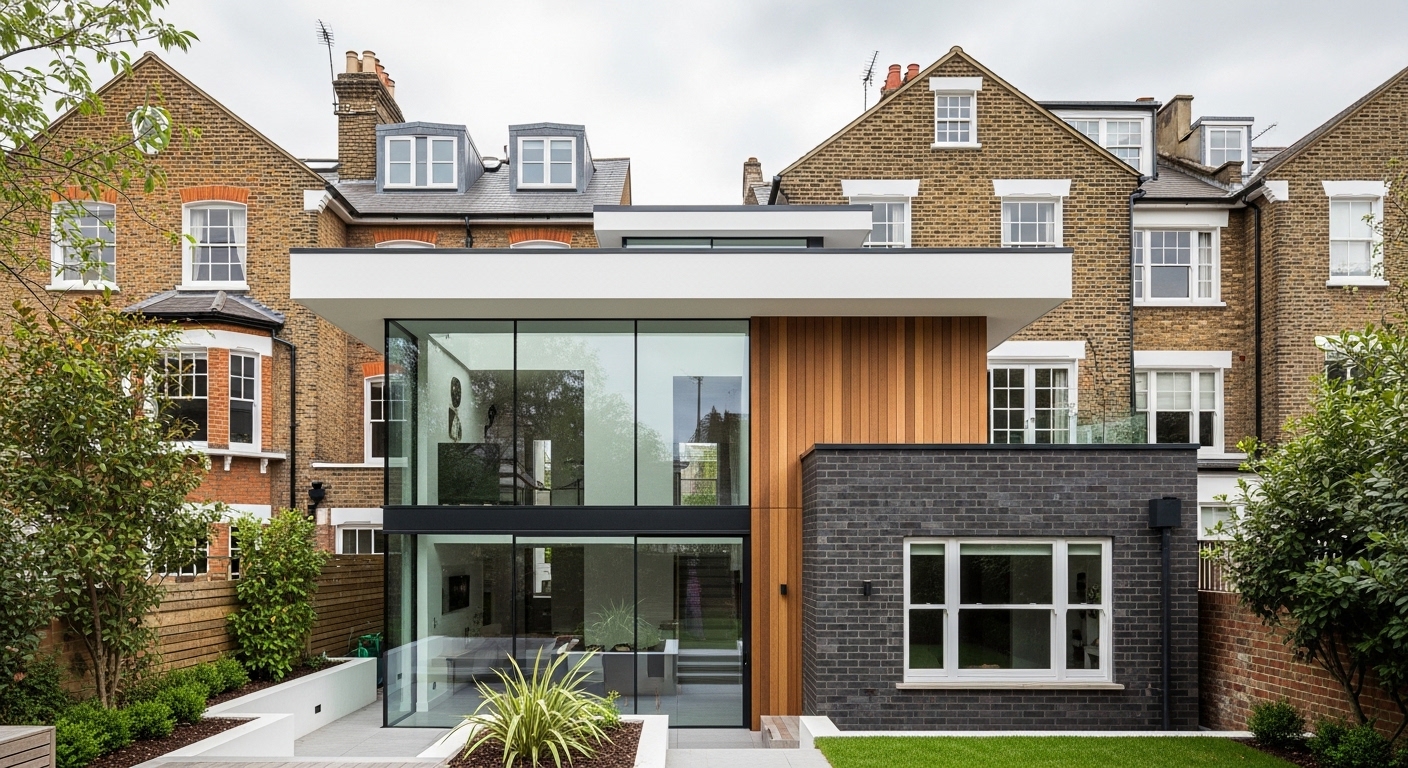
House extensions in London offer homeowners practical solutions to space constraints without the disruption and expense of moving. The capital’s property market, where moving costs run high and suitable larger properties command premium prices, makes extending your existing home an attractive alternative. Whether you’re planning a single-storey rear extension to create an open-plan kitchen, a two-storey addition for extra bedrooms, or a wrap around extension maximizing ground floor space, house extensions transform how properties function while adding significant value. Understanding the types of extensions available, planning requirements, costs, and processes helps you make informed decisions about improving your London home.
Why House Extensions Are Popular in London
London’s housing market drives many homeowners toward extensions rather than moving. The cost of moving in London—including estate agent fees, stamp duty, legal costs, and removal expenses—easily reaches £30,000 to £50,000 or more for typical family homes. This represents a substantial sum that could instead fund significant home improvements. Extensions often prove more cost-effective while allowing families to stay in neighborhoods they love, near good schools, established friendships, and familiar communities.
Space limitations affect many London properties. Victorian and Edwardian terraces, which dominate much of the capital’s housing stock, typically feature small kitchens and separated living spaces that don’t suit contemporary family life. Post-war properties often have modest room sizes that feel cramped for modern needs. Extensions address these limitations, creating the open-plan living areas, larger kitchens, and additional bedrooms that transform how families use their homes.
Property values increase substantially with well-designed extensions. Adding 20 to 40 square meters of high-quality space typically adds 15% to 20% to property values across London, sometimes more in areas where space commands particular premiums. Beyond financial returns, extensions improve quality of life by creating space suited to how you actually live—whether that means kitchens large enough for family meals, home offices supporting flexible working, or additional bedrooms accommodating growing families.
Types of House Extensions in London
Single-storey rear extensions remain the most popular extension type, creating open-plan kitchen and dining areas suited to modern living. These extensions typically project 3 to 6 meters from the rear of properties, adding 15 to 30 square meters of space. Large glazed doors—bi-fold, sliding, or structural glass—connect interiors to gardens while flooding spaces with natural light. Single-storey extensions work particularly well for families wanting to improve ground floor living without the expense and complexity of two-storey additions.
Two-storey extensions provide more substantial space increases, adding both ground floor living areas and first floor bedrooms. These extensions require careful design to ensure they complement rather than overwhelm existing buildings, particularly important in conservation areas where planning officers scrutinize street scene impacts. Two-storey extensions prove cost-effective per square meter because foundation and construction costs spread across two floors.
Side return extensions convert narrow passages running alongside terraced and semi-detached properties into valuable floor area. These passages typically sit unused, representing wasted space that extensions transform into kitchen or dining areas. Side return extensions work particularly well combined with rear extensions, creating wrap around extensions that maximize ground floor space.
Wrap around extensions combine rear and side return extensions into L-shaped additions that create generous open-plan areas. These extensions add 25 to 40 square meters by utilizing both rear projection and side return space, delivering dramatic improvements in ground floor living. Multiple glazed elevations bring natural light from different directions, creating bright spaces that become the heart of homes.
Loft conversions provide additional accommodation without extending property footprints or impacting gardens. Converting unused roof spaces into bedrooms, home offices, or playrooms adds valuable square meters while often qualifying as permitted development requiring no planning permission. Loft conversions suit properties with adequate roof height and structure to support conversion work.
Planning Permission and Building Regulations
Understanding planning requirements proves essential for house extensions. Some extensions qualify as permitted development—a category of minor works requiring no formal planning applications. However, permitted development has specific limitations regarding extension size, height, proximity to boundaries, and materials. Many London properties have Article 4 directions removing these rights, particularly in conservation areas, meaning full planning applications are required.
Conservation areas exist throughout London where stricter design controls apply. Extensions in these areas require careful material selection, appropriate detailing, and designs that respect local character. Planning officers scrutinize how extensions affect street scenes and neighboring properties, looking for designs that appear subordinate to original buildings.
Building Regulations apply to all extensions regardless of whether planning permission is needed. Regulations cover structural safety, fire safety, insulation, ventilation, and drainage. Architects prepare technical drawings ensuring compliance with these standards. Party wall agreements are typically required for terraced and semi-detached properties where work affects shared boundaries.
House Extension Costs in London
Extension costs vary based on size, specification, and location. Single-storey extensions typically cost £2,000 to £3,500 per square meter, with most projects in the £2,500 to £3,000 range. Two-storey extensions cost £1,800 to £2,800 per square meter, with lower per-square-meter costs because construction spreads across two floors. These figures include construction, basic finishes, and standard specifications—premium materials and luxury finishes increase costs significantly.
Additional expenses include architectural fees (8% to 15% of construction costs), structural engineer fees (£1,500 to £4,000), planning application fees, building control costs, and party wall surveyor fees. Budget 10% to 15% contingency for unexpected issues during construction.
Why Choose Extension Architecture
Extension Architecture specializes in house extensions across London with comprehensive experience navigating borough planning requirements. The practice designs extensions that transform how families live while respecting London’s architectural heritage. From initial consultations through final completion, Extension Architecture provides expert guidance ensuring your extension delivers the space, functionality, and quality you expect.
In a rapidly evolving housing market, both real estate professionals and homebuyers must stay up to date with the latest trends and preferences shaping new home sales. The way homes are designed, purchased, and lived in is transforming swiftly, impacted by changes in technology, buyer values, and the economic climate. As buyers become more informed, their expectations for innovation, efficiency, and flexibility in their next home rise. Companies like New Home Star are adapting quickly, helping both builders and buyers navigate this complex and shifting landscape.
Understanding what homebuyers want is essential as preferences shift towards sustainability and adaptability. From the increased demand for eco-friendly features to the surge in smart home technology, trends reflect fundamental changes in how people live and work. These changes are not only reshaping individual home design choices but also the entire home-buying process nationwide. Buyers and industry experts alike need to pay close attention as these preferences will continue to define the market for years to come.
Emphasis on Sustainability and Energy Efficiency
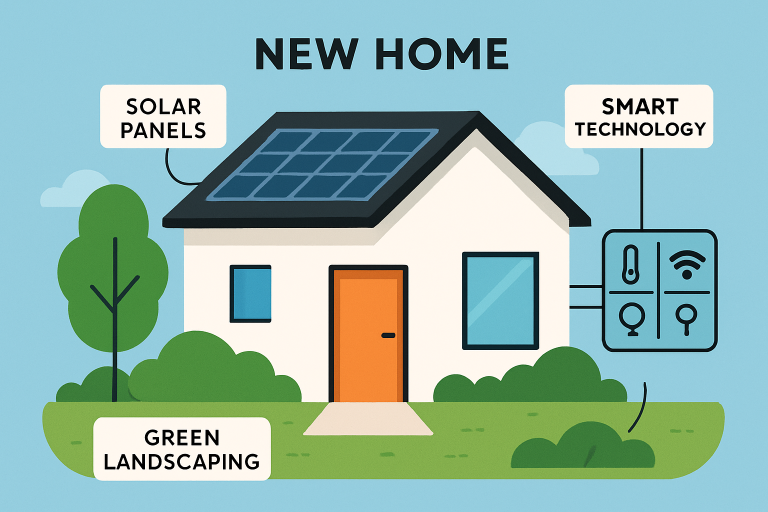
Modern buyers are increasingly prioritizing green living, making sustainability one of the most important factors in new home sales. Features such as ENERGY STAR-rated appliances, solar panels, and buildings made from sustainable materials have shifted from luxury to expectation. This transformation is driven by both environmental awareness and the desire for lower long-term utility bills. The value of eco-friendly homes has reached new heights, with a significant increase in buyers searching for listings with green certifications and renewable energy options. As this trend accelerates, builders and developers must continue to innovate and adapt to these growing demands.
Homebuyers are also more likely to consider the overall impact of their purchase, factoring in aspects such as energy audits, high-efficiency windows, and water-saving plumbing into their buying decisions. Homes that deliver on these fronts often sell faster and command higher prices, proving that sustainability is a practical advantage as much as an ethical one.
Flexible Living Spaces and Home Offices
The last several years have seen a massive shift toward remote and hybrid work models, making flexible, multi-use spaces a crucial feature in new homes. Many buyers are now searching for properties with space for home offices, gyms, creative studios, or playrooms. Real estate listing analytics show that over half of prospective buyers rank a dedicated home office space as very or extremely important.
Open-concept floor plans and creatively designed layouts are replacing rigid room divisions, facilitating seamless transitions between work, relaxation, and family life. Multifunctional rooms, often featuring adjustable furniture or movable partitions, let homeowners adapt their space to changing needs over time. This focus on adaptability is not only a testament to how people’s lives have changed but also a glimpse into how future communities will continue to evolve.
Economic Factors Influencing Buyer Behavior
The state of the economy plays a profound role in shaping new home sales. High mortgage rates and increased home prices have reduced overall affordability, leading to a slower pace of sales despite persistent demand. In 2024, U.S. home sales dipped to their lowest mark in nearly three decades, highlighting the pressure that elevated borrowing costs exert on the buyer pool. Many would-be purchasers are waiting for rates to fall before making their next move, while others have shifted their focus to more affordable suburbs or markets with better investment potential.
Nonetheless, this trend has not affected all segments equally. The premium for new construction homes has narrowed, with the typical price difference between new and existing properties shrinking. This is partly due to the limited inventory of resale homes, as current owners hold onto high-value, low-rate mortgages. As a result, new construction is becoming the only practical option for many buyers, reinforcing a historic preference for brand-new residences that meet modern needs and standards.
Technological Integration in Real Estate
Technology has become integral to both the home-buying process and the homes themselves. Artificial intelligence is increasingly used to automate everything from property searches to mortgage approvals, helping streamline once time-consuming real estate transactions. This shift is expected to continue, with estimates predicting that AI will handle a substantial portion of transaction tasks by 2030, drastically reducing administrative workload and minimizing errors.
Additionally, smart home technologies have become increasingly popular, with buyers expecting features such as advanced security systems, integrated climate control, and real-time monitoring of energy usage. Tech-savvy buyers are looking beyond basic connectivity to more immersive experiences, such as voice-activated appliances and centralized home management platforms. These advancements not only enhance everyday convenience but also add value and appeal to new construction homes, according to industry analyses featured by the National Association of Realtors.
Preference for New Construction
New homes are becoming increasingly attractive to buyers seeking move-in-ready properties with the latest features and minimal maintenance concerns. During 2023, a record 61 percent of American home buyers expressed a preference for new builds, a level not seen since 2007. This growing preference stems not only from the desire for modern amenities but also from the logistical realities of the housing market, where resale inventory remains stubbornly tight.
Builders are responding by offering a variety of customization options, streamlined purchase processes, and incentives that make new construction a compelling option even as prices rise. This shift is reconfiguring market dynamics across the nation, giving builders the confidence to continue expanding their offerings to meet ongoing demand.
Design Trends Shaping Buyer Decisions
Buyers today seek homes that promote well-being, community, and a sense of timeless style. Wellness features such as air purification systems, natural lighting, and access to outdoor spaces are now top priorities. Listings referencing wellness amenities are up 33 percent over the last year, signaling a significant increase in buyer consciousness around health. Home design has also seen a resurgence of nostalgic and retro aesthetics, as well as sustainable materials and finishes that blend style and responsibility.
These preferences underscore a broader shift in buyer values towards prioritizing health, comfort, and long-term value. Forward-thinking builders are integrating these priorities into everything from floorplan offerings and materials selection to neighborhood planning, driving the ongoing transformation of American housing.
Conclusion
The landscape of new home sales is being shaped by a convergence of sustainability, adaptability, technological innovation, and economic shifts. Staying informed about these trends will help buyers and industry professionals make smarter, more resilient decisions as they prepare for the future of real estate.
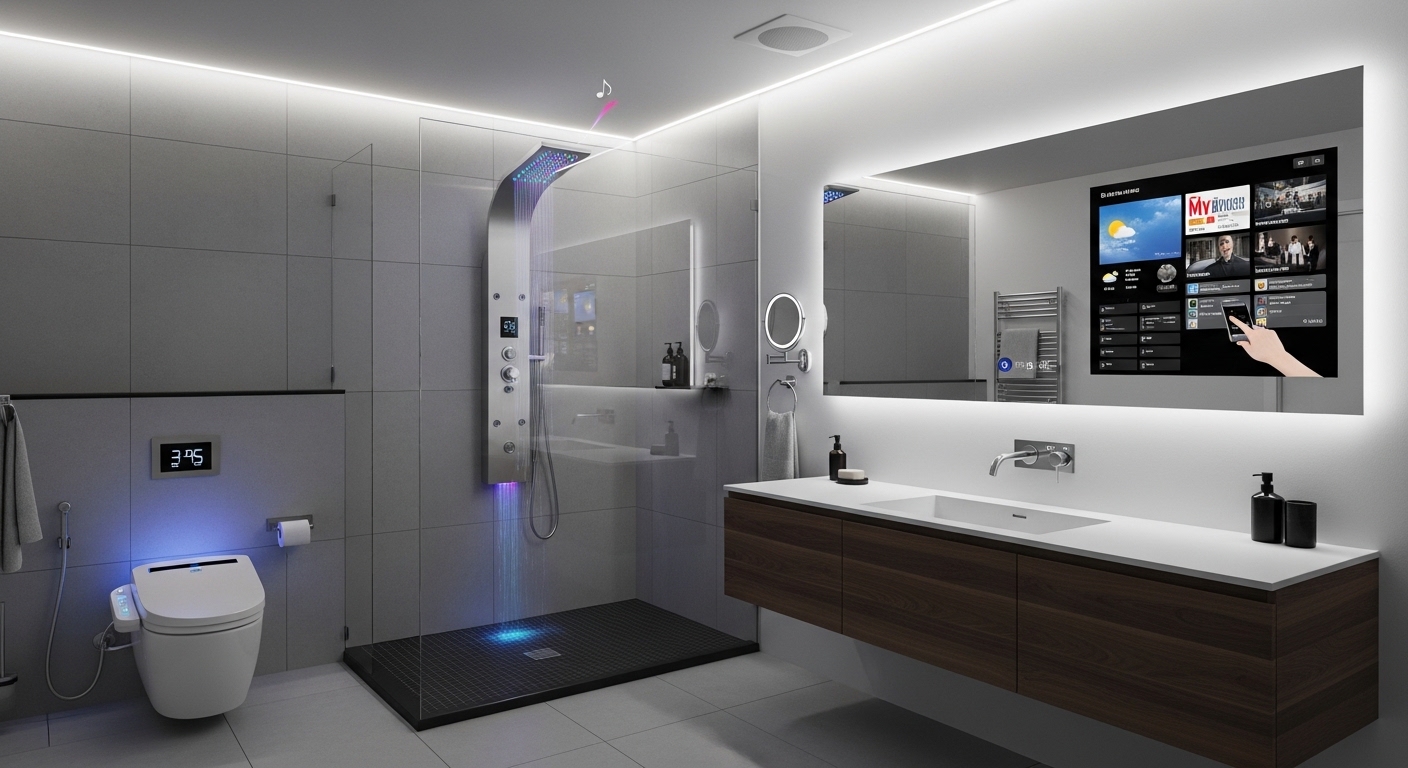
If you want your home to feel fresh and clean, the bathroom is a great place to start. A modern bathroom should look simple, bright, and easy to use every day. It should also feel calm and peaceful, like a small spa at home. You do not need a large space to get great results. With smart planning and the right upgrades, you can design a modern bathroom that looks beautiful and works better for your daily routine.
In this guide, you will learn the key steps and features that help create a bathroom that feels modern, comfortable, and practical.
Start With a Clean and Simple Layout
A modern bathroom begins with a smart and simple layout plan. The layout controls how the shower, toilet, sink, and storage fit together. When you design a modern bathroom, keeping the layout open makes the space feel larger and more comfortable. Too many walls or bulky fixtures can make the room feel crowded.
Replacing a large bathtub with a walk in shower can open valuable floor space. A floating vanity creates a lighter and more spacious look. Glass shower doors allow more light to move through the room. Wall mounted shelves keep storage practical without adding visual weight. Even small layout changes can make a bathroom feel bigger and more inviting.
Choose Modern Colors That Feel Calm
Color choice plays a major role in bathroom design. Modern bathrooms often use soft, neutral shades that create a clean and relaxing atmosphere. White, light gray, warm beige, and soft green are popular options today. Matte black accents add contrast without overwhelming the space.
When you design a modern bathroom, limit the number of main colors. Too many tones can make the room feel busy and cluttered. A simple color palette makes it easier to match tile, cabinets, and fixtures. Calm colors also help the bathroom feel timeless instead of trendy.
Upgrade Lighting for a Better Look
Lighting can completely change how a bathroom looks and feels. Older bathrooms often rely on one ceiling light, which creates shadows and dull corners. Modern spaces use layered lighting to improve both style and function.
A bright ceiling light provides overall illumination for the room. Vanity lights near the mirror give better visibility for grooming tasks. Soft accent lights create a relaxing mood at night. Some homeowners install smart lighting systems that adjust brightness throughout the day. Good lighting instantly makes your bathroom look cleaner and more updated.
Add Smart Bathroom Features
Technology has become a common part of modern homes. Bathrooms are no exception. When you design a modern bathroom, smart features can improve comfort and convenience. Smart mirrors with LED lighting and anti fog systems keep visibility clear after hot showers. Some mirrors display time and temperature for added function.
Smart shower systems allow you to set the perfect water temperature before stepping inside. Touchless faucets improve hygiene and help conserve water. Modern bidet seats and advanced toilets offer comfort features like heated seats and self cleaning functions. These upgrades are not only stylish, they also make daily routines easier.
Pick the Right Modern Tile
The tile covers a large portion of the bathroom, so choosing the right style matters. Large format tiles are very popular in modern design. They create a smooth appearance with fewer grout lines. Fewer grout lines also make cleaning easier.
Subway tiles with clean edges remain a classic modern option. Textured tiles can add depth while keeping a neutral look. Matte finishes often feel more contemporary than glossy surfaces. When mixing tiles for floors and shower walls, keep colors in the same family. This approach keeps the overall look cohesive and balanced.
Choose Fixtures With a Modern Finish
Fixtures include faucets, shower heads, towel bars, and cabinet handles. These details may seem small, but they strongly impact the final design. Matte black fixtures are bold and clean. Brushed nickel offers a timeless and versatile look. Polished chrome feels bright and reflective. Brushed gold adds warmth without feeling flashy.
When you design a modern bathroom, try to keep finishes consistent. Mixing too many metals can make the space feel unplanned. Coordinated fixtures create a polished and professional appearance.
Improve Ventilation and Air Quality
Ventilation is often overlooked during bathroom remodeling. A strong exhaust fan prevents moisture buildup and protects surfaces from damage. Proper airflow reduces the risk of mold and paint deterioration. Modern fans operate quietly and efficiently.
Some advanced ventilation systems include humidity sensors that activate automatically. A fresh and dry bathroom environment supports long term durability. Planning ventilation early is essential when you design a modern bathroom.
Focus on Water Saving Upgrades
Modern bathrooms should be efficient as well as attractive. Low flow shower heads, WaterSense toilets, and efficient faucets reduce water use without lowering performance. These fixtures help lower utility bills while supporting environmental responsibility.
Water saving features are simple upgrades that provide long term value. They allow homeowners to enjoy comfort while using fewer resources.
Work With a Professional Bathroom Remodel Contractor
Bathroom remodeling involves plumbing, electrical work, tile installation, and permits. Even a small mistake can cause expensive repairs later. Working with a licensed contractor helps protect your investment.
A professional team can handle design planning, demolition, permits, plumbing, lighting installation, and finishing details. When you design a modern bathroom with experienced professionals, the final result looks refined and lasts for many years.
Final Thoughts on How to Design a Modern Bathroom
A modern bathroom combines clean design, smart upgrades, and everyday comfort. Small improvements like updated lighting and fixtures can refresh the space quickly. A full remodel with new tile, shower systems, and storage creates a complete transformation.
With careful planning and thoughtful upgrades, you can design a modern bathroom that feels fresh, practical, and beautiful. Smart features add convenience and long term value to your home. Focus on simplicity, choose quality materials, and invest in features that improve daily life.
Contact RODO Development Inc.
- Email: info@rodo-development.com
- Phone: +1 (818) 610-9680
- Office: 19720 Ventura Blvd, Suite E3, Woodland Hills, CA 91364
Operating Hours: Monday–Friday, 8:00 AM – 6:00 PM

Los Angeles is a big city with many old buildings and new projects starting every day. When it’s time to tear down a store, office, warehouse, or large building, you need a trusted Commercial Demolition Company that knows how to do the job safely and on time. Commercial demolition is not just about knocking things down. It takes skill, the right tools, permits, and a trained team. In this guide, we’ll talk about four of the best commercial demolition companies in LA and what makes them stand out.
1. Demo Leaders Inc. – Trusted and Experienced Team
Demo Leaders Inc. is one of the top names in Los Angeles. They have been serving LA since 2010 and are fully licensed and insured. This Commercial Demolition Company handles projects of all sizes, from small retail spaces to large industrial buildings.
They focus on safety, clean job sites, and staying on schedule. Their team also offers grading, excavation, and shoring services, which makes them a full-service company. They recycle materials whenever possible and follow strict safety rules. With over 4,000 projects completed, they have built a strong reputation across Los Angeles.
If you want a company that manages everything from start to finish, Demo Leaders is a solid choice.
2. Penhall Company
Penhall Company is known across the country and has strong operations in Los Angeles. They work on large commercial and industrial demolition projects. This Company uses advanced equipment and trained operators to complete complex jobs.
Penhall also focuses on concrete cutting, removal, and recycling. They work closely with contractors and property owners to make sure the project runs smoothly. Their experience with big buildings and strict safety standards makes them a reliable option for major demolition jobs.
3. Priestly Demolition
Priestly Demolition has handled many commercial projects in the LA area. They are known for careful planning and safe execution. Every demolition company must follow city rules, and Priestly makes sure all permits and safety checks are handled properly.
They work on office buildings, shopping centers, and industrial sites. Their team creates a clear plan before starting any demolition work. This helps prevent delays and keeps everyone safe on the job site.
If safety and planning are your top concerns, this company is worth considering.
4. Engineered Demolition Inc.
Engineered Demolition Inc. focuses on controlled and detailed demolition projects. Some commercial jobs require partial demolition instead of tearing down the entire structure. This Company is skilled in selective demolition.
They use modern tools and careful methods to protect nearby buildings and structures. This is important in busy areas of Los Angeles where buildings are close together. Their attention to detail helps reduce damage and keeps projects on track.
What Makes a Great Commercial Demolition Company?
Not all companies offer the same level of service. A great Commercial Demolition Company should be fully licensed and insured, with a strong safety record and trained workers who understand large-scale projects. Commercial demolition is more complex than residential work because it involves bigger buildings, heavy equipment, and strict city regulations. Companies like Demo Leaders Inc. stand out by combining experience, modern machinery, careful planning, and positive customer feedback across Los Angeles.
Why Safety Is So Important in Commercial Demolition
Safety is the most important part of any demolition project. A trusted Demolition Company will always protect workers, nearby buildings, and the public.
In Los Angeles, projects must follow OSHA rules and local building codes. This includes proper debris removal, dust control, and material recycling. Some buildings may also contain asbestos or lead, which require special handling.
A safe demolition company will inspect the building first and create a step-by-step plan before starting the work.
How to Choose the Right Commercial Demolition Company in LA
Choosing the right company can feel overwhelming, but it doesn’t have to be hard. Start by checking reviews and asking about past projects. A good Commercial Demolition Company will gladly share their experience and explain their process.
Ask about timelines, safety plans, and cleanup procedures. Make sure they handle permits and inspections. It’s also smart to compare quotes, but remember that the cheapest price is not always the best option. Quality, safety, and reliability matter more in the long run.
Finding the Best Commercial Demolition Company in LA
Los Angeles is always growing and changing. Old buildings come down, and new ones rise in their place. Hiring the right Commercial Demolition Company makes the whole process smooth and stress-free.
Companies like Demo Leaders Inc., Penhall, Priestly Demolition, and Engineered Demolition Inc. have strong reputations in LA. Each one brings experience, safety, and professionalism to commercial projects.
Before starting your next demolition project, take time to research and choose a trusted team. The right company will protect your investment, keep everyone safe, and prepare your site for the next stage of construction.
Email: info@demoleaders.com
Phone: +1 (800) 690-2335
License: #1045559
Office Locations:
21241 Ventura Blvd, #160, Woodland Hills, CA 91364
18100 Von Karman Ave, Irvine, CA 92612
-

 Technology5 months ago
YourAssistantLive com: The Future of Smart Digital Assistance
-

 Blog7 days ago
Simpcit6: Redefining Simplicity in a Complex World
-

 food5 months ago
Calamariere: How to Perfectly Prepare at Home
-

 Blog5 months ago
Baddi Hub: An Emerging Industrial and Business Hotspot
-

 Health3 months ago
Nerovet AI Dentistry: Enhancing Patient Experience and Treatment Outcomes Dental Care
-

 Technology7 days ago
Voomixi com: The Digital Platform Redefining Online Interaction
-

 Crypto5 months ago
Crypto30x.com vs Other Crypto Sites – Best Bitcoin Tools?
-

 Lifestyle7 days ago
Pyjamaspapper: The Ultimate Blend of Comfort and Style in Sleepwear