
HomeImprovment
How Rocklin’s Neighborhood Layouts Influence Furniture Layout Decisions


Furniture layout is never just about personal taste. It is shaped by architecture, lot size, street design, and how homes relate to their surroundings. In a city like Rocklin, where neighborhoods range from older, compact subdivisions to newer master-planned communities, these factors play a significant role in how residents arrange their living spaces. Understanding the relationship between neighborhood design and interior furniture decisions helps homeowners create layouts that feel both functional and natural within their specific context.
Rocklin’s growth over the past several decades has produced a diverse housing landscape, and that diversity directly influences how furniture is selected, sized, and positioned.
Rocklin’s Residential Landscape: A Brief Context
Rocklin developed in distinct phases, each with its own planning priorities. Older neighborhoods closer to the historic core often feature smaller lots, narrower streets, and homes with more traditional floor plans. Newer developments on the city’s edges tend to include wider roads, larger homes, and open-concept interiors designed for contemporary lifestyles.
These differences matter because furniture layout responds to space, circulation, and how rooms connect. A layout that works well in a newer subdivision may feel awkward or oversized in an older home, even if square footage appears similar on paper.
Street Patterns and Their Impact on Interior Flow
Neighborhood street design influences how homes are oriented and how rooms are arranged inside. In areas with curving streets and cul-de-sacs, homes often feature prominent front-facing living spaces and expansive windows. Furniture placement in these rooms must account for sightlines, natural light, and entry circulation.
By contrast, grid-style neighborhoods with narrower streets may prioritize privacy, with living spaces set farther back from the street or oriented toward interior courtyards. In these homes, furniture layouts often emphasize inward-facing arrangements, such as seating grouped around focal points rather than windows.
The result is that identical furniture pieces can feel very different depending on how a home engages with its street and surroundings.
Lot Size, Setbacks, and Room Proportions
Rocklin neighborhoods vary widely in lot size, which influences room proportions more than total square footage. Larger lots in newer developments often allow for wider rooms and open-plan layouts, encouraging sectional seating, larger dining tables, and multi-use furniture groupings.
Smaller lots, common in older neighborhoods, tend to produce narrower rooms with more defined boundaries. In these spaces, furniture selection leans toward scaled-down pieces, slimmer profiles, and layouts that preserve clear walking paths. Oversized furniture may physically fit but disrupt circulation, making rooms feel crowded rather than comfortable.
Understanding these proportions is key to making layout decisions that feel intentional rather than forced.
Open-Concept Homes and Flexible Furniture
Many of Rocklin’s newer neighborhoods feature open-concept designs where kitchens, dining areas, and living rooms flow together. In these homes, furniture plays a structural role, subtly defining zones without walls.
Sofas may act as visual dividers, area rugs establish functional boundaries, and dining tables are positioned to balance proximity and separation. Furniture layouts in these spaces require careful consideration of scale and alignment to avoid a fragmented or cluttered feel.
While open layouts offer flexibility, they also demand restraint. Too many pieces can interrupt sightlines and diminish the sense of openness that defines these homes.
Traditional Floor Plans and Defined Spaces
In contrast, homes in Rocklin’s more established neighborhoods often feature traditional layouts with separate rooms. Furniture decisions in these spaces are shaped by door placement, hallway connections, and fixed focal points such as fireplaces or built-in cabinetry.
Here, layout decisions prioritize symmetry, balance, and clear purpose for each room. A living room may center on conversation rather than media, while dining rooms are designed specifically for seated gatherings. These defined spaces can feel cozy and intentional, but they leave less room for oversized or multifunctional furniture.
Garages, Storage, and Interior Flexibility
Rocklin homes often include generous garages, particularly in newer developments. This external storage capacity influences interior furniture decisions by reducing the need for bulky storage pieces inside the home.
In neighborhoods where garages are smaller or primarily used for parking, interior furniture often takes on additional storage functions. Cabinets, media consoles, and multifunctional pieces become part of the layout strategy, affecting both placement and room flow.
This dynamic illustrates how neighborhood design extends beyond visible architecture to shape daily living patterns.
Natural Light, Views, and Orientation
Many Rocklin neighborhoods take advantage of foothill views and natural light. Homes oriented toward open space or greenbelts often feature large windows and sliding doors. Furniture layouts in these homes tend to preserve views, with seating arranged to complement rather than block sightlines.
In more densely built areas, where neighboring homes are closer together, furniture placement may prioritize privacy. Window-adjacent seating is balanced carefully, and layouts may shift inward to create a sense of enclosure and comfort.
Benefits and Limitations of Neighborhood-Driven Layouts
Designing furniture layouts that respond to neighborhood characteristics offers clear benefits. Rooms feel more intuitive, circulation improves, and furniture works with the architecture rather than against it. These layouts often age better because they align with the home’s original intent.
The limitation is that neighborhood-driven layouts can constrain creativity. Homeowners may feel restricted by room shapes or orientations, especially when trying to incorporate newer furniture styles into older homes. Striking a balance between architectural respect and personal expression is an ongoing challenge.
Common Questions About Furniture Layout in Rocklin Homes
Homeowners often ask whether they should follow neighborhood norms or personalize their layouts. In practice, successful layouts do both. Understanding the architectural logic of a home provides a foundation, while personal preferences shape the final arrangement.
Another frequent question concerns resale value. Layouts that respect room function and scale generally appeal to a broader range of buyers, particularly in neighborhoods with established identities.
Bringing It All Together
Furniture layout decisions do not happen in isolation. In Rocklin, they are shaped by neighborhood design, home orientation, and the city’s layered development history. Recognizing these influences helps homeowners make choices that feel grounded and practical rather than arbitrary.
For residents seeking pieces that suit both their homes and their neighborhoods, visiting a local furniture store in Rocklin can provide useful perspective. Retailers familiar with the area understand how different Rocklin neighborhoods influence furniture needs, and in the case of RC Willey, that local context helps bridge the gap between architectural reality and everyday living.
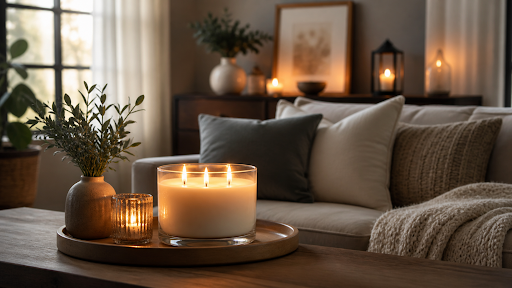
Creating a distinctive home atmosphere is no longer limited to furniture, lighting, or color palettes. Increasingly, people are turning to fragrance as a powerful yet subtle design element. Among the many options available, scented candles—including options like a 3 wick candle—offer a unique combination of visual warmth and aromatic depth that can transform how a space feels and functions. When used thoughtfully, they can help establish a “signature ambience” that reflects personal taste, lifestyle, and emotional preferences.
However, achieving this effect is not simply about lighting a candle and letting it burn. It involves a careful balance of fragrance selection, placement, burn quality, and lifestyle alignment. Understanding these factors—and the trade-offs involved—can help create a consistent and meaningful sensory experience throughout the home.
The Concept of a Signature Home Ambience
A signature home ambience refers to a consistent sensory identity that defines how a space looks, feels, and even smells. Just as individuals develop a personal style in clothing or décor, a home can develop a recognizable atmosphere that guests associate with comfort, relaxation, or sophistication.
Fragrance plays a critical role in this process because it connects directly with memory and emotion. Unlike visual elements, which are processed consciously, scent often works subconsciously, shaping mood and perception in subtle ways. This makes it a powerful tool—but also one that requires intentional use.
The challenge lies in creating an ambience that feels cohesive rather than overwhelming. Too many competing scents or inconsistent fragrance choices can dilute the effect, while a well-curated approach can elevate even simple interiors.
The Role of Candles in Lifestyle Design
Candles serve both functional and aesthetic purposes. On a practical level, they provide fragrance diffusion. On a visual level, they introduce warmth, softness, and movement through flickering light.
In lifestyle design, they are often associated with:
- Relaxation rituals such as evening wind-down routines
- Social settings like dinner gatherings
- Personal moments of mindfulness or reflection
Because of this versatility, they can adapt to different contexts within the same home. However, this flexibility also introduces complexity. A scent that works well in a bedroom may not be suitable for a kitchen or workspace, making it important to think about placement and purpose.
Key Factors That Shape Home Ambience
1. Fragrance Selection
The choice of fragrance is arguably the most influential factor. Different scent families evoke different emotional responses:
- Floral notes often create a calming and elegant environment
- Citrus scents feel fresh and energizing
- Woody or earthy tones provide warmth and grounding
- Gourmand fragrances (such as vanilla or caramel) evoke comfort and familiarity
The trade-off here lies in intensity versus subtlety. Strong fragrances can quickly define a space but may become overpowering over time. Lighter scents are more versatile but may not leave a lasting impression.
Another challenge is personal preference versus shared experience. A scent that one person finds soothing may not appeal to others, especially in shared living spaces. This makes it important to consider household dynamics when selecting fragrances.
2. Room-Specific Application
Different areas of the home serve different purposes, and the fragrance strategy should reflect that.
- Living rooms benefit from inviting, balanced scents that appeal to guests
- Bedrooms often call for softer, calming aromas
- Bathrooms can handle fresher, more cleansing notes
- Workspaces may benefit from subtle, non-distracting fragrances
The difficulty lies in maintaining consistency while adapting to each room’s function. Using completely different scents in every space can create a disjointed experience, while using the same scent everywhere may feel monotonous.
A practical approach is to select a core fragrance profile and vary its intensity or complementary notes across rooms. This maintains a cohesive identity while allowing for functional differences.
3. Candle Size and Burn Performance
Candle size and wick configuration significantly affect how fragrance is distributed. Larger candles with multiple wicks tend to produce a stronger scent throw and more even burn, making them suitable for larger spaces. Smaller options may be better suited for intimate settings.
The trade-off here involves control versus coverage. A larger candle can fill a room quickly but may reduce flexibility in adjusting intensity. Smaller candles offer more control but may require multiple units to achieve the desired effect.
Burn time is another consideration. Longer-lasting candles provide better value over time but may require more maintenance, such as trimming wicks and ensuring even melting.
4. Placement and Spatial Dynamics
Where a candle is placed can influence both its effectiveness and safety. Strategic placement can enhance fragrance distribution and visual impact.
- Central placement allows scent to disperse evenly
- Elevated surfaces can improve airflow and diffusion
- Clustering multiple candles can create a layered visual effect
However, improper placement can lead to uneven scent distribution or safety concerns. Drafty areas may cause uneven burning, while enclosed spaces may trap fragrance and make it feel too intense.
Balancing aesthetics with practicality is key. While it may be tempting to prioritize visual arrangement, functionality should not be overlooked.
5. Seasonal and Lifestyle Alignment
Ambience is not static; it evolves with seasons, routines, and personal preferences. Warmer months often call for lighter, fresher scents, while cooler seasons favor richer, cozier aromas.
The challenge lies in maintaining a recognizable identity while adapting to change. Frequent shifts in fragrance can disrupt the sense of consistency, while sticking to one scent year-round may feel limiting.
A balanced approach involves rotating scents within a defined range that aligns with the home’s overall character. This allows for variation without losing coherence.
Trade-Offs in Creating a Signature Ambience
Achieving a consistent home atmosphere requires navigating several trade-offs:
Consistency vs Variety
A consistent scent profile strengthens identity but may reduce novelty. Variety keeps the experience fresh but can weaken recognition.
Intensity vs Comfort
Stronger scents create a more noticeable impact but risk overwhelming occupants. Subtle scents are more comfortable but may go unnoticed.
Aesthetics vs Functionality
Visually appealing arrangements may not always optimize scent distribution or safety. Functional setups may lack visual appeal.
Cost vs Quality
Higher-quality candles often provide better fragrance and burn performance but come at a higher price point. Budget options may require more frequent replacement.
Understanding these trade-offs allows for more informed decision-making and helps avoid common pitfalls.
Challenges in Different Approaches
Different strategies for using candles come with their own challenges:
Minimalist Approach
Using a single scent throughout the home simplifies decision-making and creates a strong identity. However, it may lack depth and adaptability.
Layered Fragrance Approach
Combining complementary scents can create a richer experience but requires careful coordination to avoid clashing aromas.
Room-Specific Customization
Tailoring scents to each room enhances functionality but can lead to inconsistency if not managed carefully.
Each approach has its merits, and the best choice depends on individual preferences and lifestyle needs.
The Importance of Impact and Intentionality
When creating a home ambience, it is important to consider the broader impact of each decision. This includes not only how a space smells but also how it affects mood, behavior, and overall well-being.
For example:
- A calming environment can support relaxation and better sleep
- An energizing atmosphere can improve focus and productivity
- A welcoming scent can enhance social interactions
At the same time, overuse or poor selection can have negative effects, such as sensory fatigue or discomfort. This highlights the importance of moderation and intentionality.
Another aspect to consider is sustainability and safety. Choosing products with clean-burning materials and proper usage practices can reduce environmental impact and improve indoor air quality.
Practical Guidelines for Building a Signature Ambience
While there is no one-size-fits-all solution, a few general principles can guide the process:
Start by identifying the emotional tone you want your home to convey—whether it is calm, vibrant, cozy, or refined. This serves as the foundation for all fragrance decisions.
Next, select a core scent profile that aligns with this vision. This becomes the anchor for your ambience.
Then, adapt this profile across different rooms and occasions, adjusting intensity and complementary notes as needed.
Finally, pay attention to maintenance and usage habits. Proper care ensures consistent performance and extends the life of your candles.
Wrapping Up
Creating a signature home ambience with candles is both an art and a science. It involves more than simply choosing a pleasant fragrance; it requires thoughtful consideration of how scent interacts with space, lifestyle, and personal preferences.
By understanding the key factors—such as fragrance selection, placement, and burn performance—and carefully balancing the trade-offs involved, it is possible to craft an environment that feels both intentional and inviting.
Ultimately, the goal is not perfection but consistency and authenticity. A well-designed ambience reflects the people who live in the space, enhancing everyday experiences and making the home feel uniquely their own.

When you live in Polk County, protecting your residence needs a lot more than just basic pest control. Many of the homeowners deal with bigger animals and insects at the same time. Due to such reasons, blending the exterminator Polk County with professional opossum removals is necessary. Opossums might seem harmless, but they can create severe issues once they enter the property. Apart from that, common pests, such as rodents, cockroaches and ants can make the situation a lot worse. A proper home protection plan can address such problems together.
Understanding the Differences: Wildlife vs Pests
The exterminator solutions focus on controlling small pests and insects. These include cockroaches, rodents, ants and spiders. Such pests can usually enter your home in search of shelter, water and food. Professional pest control functions through the following ways:
- Preventing future infestations
- Applying the targeted treatments
- Identifying where the pests breed and live
Modern-day pest control techniques keep the focus on prevention. Rather than spraying chemical formulas everywhere, treatments are usually applied around the exterior of the homes to prevent pests from entering. But wildlife, such as opossums, need a completely different approach.
Things That Make Opossums A Huge Problem
Opossums are nocturnal animals, which means they are mostly active at night. They usually enter properties looking for shelter, food and water. They might hide in certain places, such as:
- Near the gardens or garage bins
- Inside the crawl spaces
- Under porches and decks
Even though they avoid humans, they can still create safety concerns and cause damage.
Problems Caused by Opossums
Opossums are said to create many issues for homeowners. Here are some of the common ones:
- Property Damage: They can tear through trash, damage gardens, and disturb landscaping.
- Unpleasant Odors: Droppings and waste can create strong smells around your home.
- Noise Disturbances: Growling, clicking, and movement sounds are common at night.
They can also carry parasites and diseases, making it important to avoid direct contact.
Why Do You Need Wildlife Removal and Pest Control Services Together?
Many people make the mistake of treating wildlife removal and pest control as two different issues. In reality, they are well-connected. To understand this properly, here are some examples:
- Food waste can attract insects
- Insects are said to attract opossums
- Open entry points allow wildlife and pests inside
If you only remove the opossums but overlook the pest issues, another animal might return. If you only treat the pests, the opossums might keep on damaging your property. That is why a combined approach stands out as a good option. It ensures all issues get addressed at the same time.
Why DIY Techniques Might Not Be A Good Option?
Trying to take care of the opossum situation or pest control on your own can lead to much bigger issues. The DIY (Do It Yourself) might:
- Miss out all the hidden entry points
- Fails to remove all the animals
- Allow the pests to return quickly
Wildlife removal needs proper handling so that it can avoid risks from diseases, scratches or bites. A professional and trusted service provider offers a long-term and complete solution, which a DIY method cannot provide.
Useful Tips on Long-Term Home Protection
To keep the home completely safe in Polk County, you should follow these simple and practical tips:
- Schedule periodic inspections
- Keep the trash bins tightly and completely closed
- Maintain your yard properly and remove all the debris
- Seal up the gaps and cracks around your residential property.
- Try not to leave pet food outside
Conclusion
Protecting the house needs a proper approach. Opossums and common pests are usually connected, and dealing with just one issue might not be enough. When you combine the professional opossum removal and exterminator services, you can safeguard your home from repeated infestations, health risks and damage. This approach also makes sure that the symptoms and cause of the issue are properly addressed. The Critter Control of Polk County can offer top-tier solutions for pest control and opossum removal Polk County. They have a team of skilled and certified individuals who can offer effective and safe solutions to keep your home pest-free, healthy and secure. So, don’t think twice, contact the experts from Critter Control today.

It normally begins with something small. A torn food packet in the pantry. A scratching sound in the wall during the night. Maybe a few droppings you are not sure about. However, with rats, small signs rarely mean a small issue. In Tampa, Florida, rat infestations are very common. The easy access to food, numerous hiding spots, and the warm climate make residential properties an ideal place for rodents to settle. Once they gain access to your property, they do not stay quietly in one place. Instead, they start to multiply, spread and cause damage that grows very quickly. Due to such reasons, professional rat removal Tampa is not just useful, it is important. Let’s find out more through this post.
Why Do Rats Pick Residential Properties?
Rats are known for being survival experts. They always search for three main things:
- Shelter
- Water
- Food
Homes are said to provide all these things. Rats can easily enter via small openings, at times as small as a quarter-sized hole. They can also squeeze through the cracks in the foundation, openings near the roof and gaps around the pipes. Once they make it inside the house, they would start settling in the following places:
- Storage and kitchen areas
- Crawl spaces
- Walls
- Attics
All these areas of the house are usually undisturbed, quiet and warm, which makes it a perfect place for nesting.
What are the Real Damages Caused by Rats?
Rats are not just annoying; they are also destructive. One of the main issues is their constant need to chew. Their teeth do not stop growing, so they keep gnawing on anything that they come across. This includes the following:
- Insulation
- Electrical wires
- Plastic pipes
- Wooden structures
Chewing on the wires is particularly dangerous as it can cause electrical fires and even power failures. Then there are contamination-related issues. Rats leave urine and droppings wherever they go. This can ruin food products and also damage the surfaces. In many severe cases, the entire section of materials or floorings might need replacement.
Health Risk That You Should Not Overlook
Rats do not just damage property; they can also affect your health. They are known to carry many severe ailments, which include:
- Rat-bite fever
- Leptospirosis
- Hantavirus
All these diseases can spread via direct contact, airborne particles from rat droppings or contaminated food. Even when you do not see rats often, they might still be moving through the house at night, spreading allergens and bacteria along the way.
How Professional Rodent Removal Experts Can Help?
Professional rodent control does not just remove the rats. It also helps in solving the issue completely. Experts follow these steps to get the removal work done:
Full Inspection
Technicians inspect your home to find entry points, signs of activity and nesting areas. This step is necessary because rates are usually hidden from view.
Targeted Removal
Many of the professionals use strategic mapping techniques to remove rats effectively and safely from residential properties. Compared to DIY traps, these techniques are placed based on movement patterns and rodent behavior.
Exclusion (The Ultimate Game-Changer
This is something many DIY methods miss out on. Experts seal all the entry points with the help of durable materials. This prevents the rats from re-entering your home. Without exclusion, removal is just temporary.
Repair and Cleanup
Once the removal work is complete, experts clean all the contaminated areas and then repair the damage caused during the rat infestation. This step helps in restoring your home’s hygiene and safety.
Conclusion
Rat-related issues in Tampa are much more severe than they first appear. What begins as a few droppings or news can immediately become a massive problem affecting the home’s health, structure and safety. DIY methods might look convenient, but they do not properly address the root of the problem. Due to such reasons, professional rodent control becomes the ideal solution. It offers a complete approach, which consists of inspection, removal, prevention and repair. If you are dealing with rats or want to protect your home before the problem begins, Critter Control of Tampa offers expert solutions on rodent control Tampa you can rely on. Their trained team uses safe, effective methods to remove rats and ensure they do not come back, helping you keep your home clean, secure, and truly yours again.
-

 Blog3 months ago
Simpcit6: Redefining Simplicity in a Complex World
-

 Blog7 months ago
Baddi Hub: An Emerging Industrial and Business Hotspot
-

 food7 months ago
Calamariere: How to Perfectly Prepare at Home
-

 Technology7 months ago
YourAssistantLive com: The Future of Smart Digital Assistance
-

 Health6 months ago
Nerovet AI Dentistry: Enhancing Patient Experience and Treatment Outcomes Dental Care
-

 Technology3 months ago
Voomixi com: The Digital Platform Redefining Online Interaction
-

 Business5 months ago
Top Benefits of Using Quality Wire Rope Lube in US Heavy Industry
-

 Technology6 months ago
Anonibs: The Trending Anonymous Image Board Platform