
HomeImprovment
How to Create a Relaxing Home Environment That Feels Peaceful

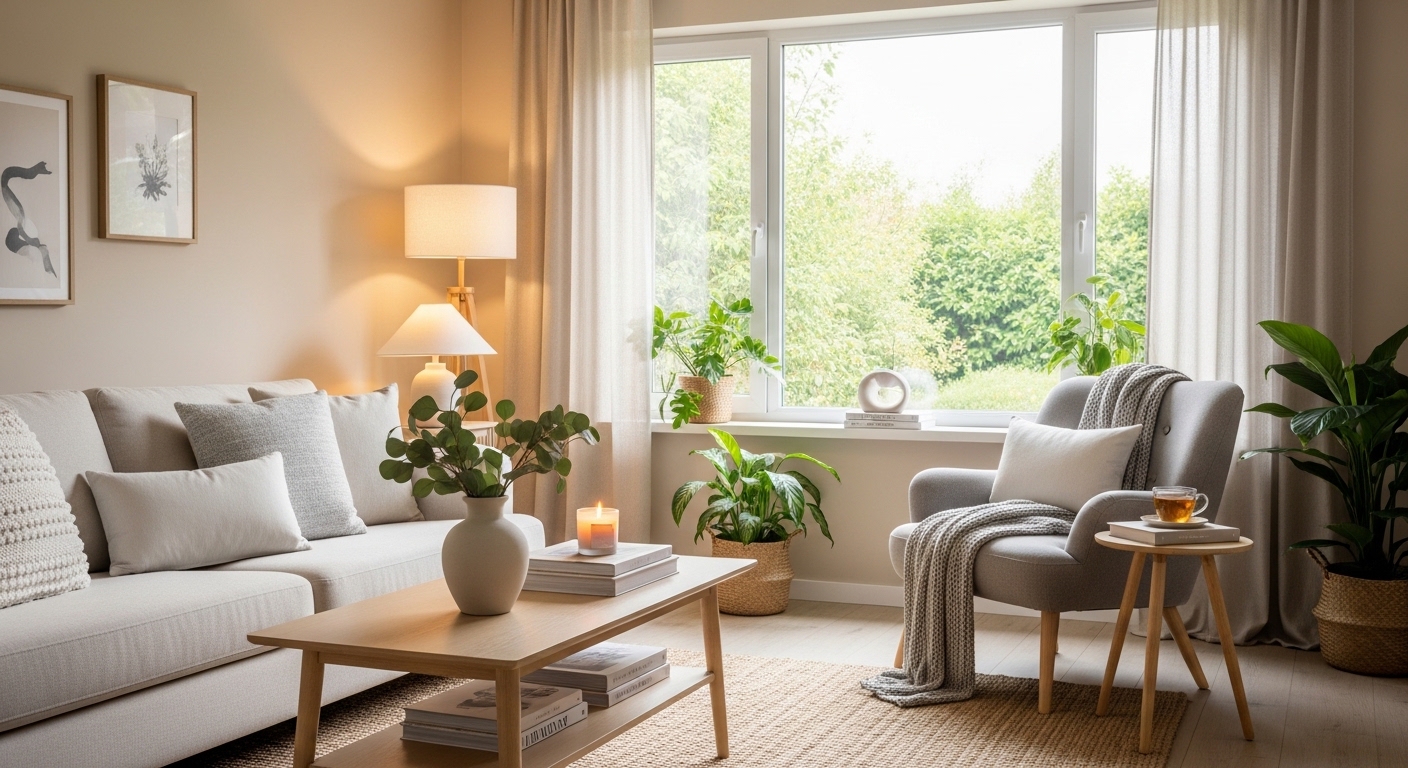
Learning how to create a relaxing home environment starts with understanding what actually makes a space feel calm. It comes down to three things: visual simplicity, natural elements, and sensory comfort. A peaceful home removes visual clutter, brings nature indoors through materials and plants, and engages the senses with soft lighting, soothing textures, and gentle scents. The outside world drains energy. Your home should restore it. This guide covers practical ways to transform your space into a calming environment where you can truly unwind.
Declutter for Visual Calm
Clutter creates mental noise. When surfaces are covered with objects, the brain struggles to rest. Even beautiful things become overwhelming when there are too many of them. A peaceful home starts with less.
This doesn’t mean empty rooms. It means intentional spaces where every item earns its place. Clear countertops, organized shelves, and surfaces with breathing room signal to your brain that it’s safe to relax.
Start small. Clear one surface completely. Notice how it feels. Then move to the next. The goal isn’t perfection but progress toward a space where your eyes can rest without constantly registering visual information.
Storage solutions help maintain calm over time. When everything has a designated place, cleanup becomes simple and clutter doesn’t accumulate. Baskets, bins, and closed cabinets keep necessary items accessible but out of sight.
Choose a Calming Color Palette
Colors shape mood more than most people realize. Bright, bold colors and busy patterns stimulate the brain. For a relax home environment, muted and neutral tones work better.
Soft blues, greens, warm whites, and earthy neutrals promote feelings of calm and balance. These shades mimic nature, sand, sky, leaves, stone, and our bodies respond to them instinctively.
If you’re unsure where to start, learning how to choose a color palette for your home helps you identify undertones in your existing elements and build a cohesive scheme that flows from room to room.
This doesn’t mean avoiding color entirely. Accent colors add personality. But for permanent fixtures like walls, flooring, and large furniture, calming neutrals create a foundation that supports relaxation rather than fighting against it.
Bring Nature Indoors
Biophilic design, the practice of incorporating natural elements into interiors, has real effects on wellbeing. Studies show that spending time around plants boosts positive emotions like happiness and calmness while reducing anxiety.
Plants as quiet companions: Even a single potted fern or trailing ivy softens a room and adds life. Choose low-maintenance varieties if you’re not confident with plant care.
Natural materials: Wood, stone, linen, cotton, wool, and rattan carry warmth and authenticity that synthetic materials can’t replicate. A wooden coffee table, linen curtains, or natural stone tiles on the floor ground a space in textures that feel calming rather than artificial.
Natural light: Open curtains during the day. Let light shift naturally across the room as hours pass. The rhythm of natural light tells your body when to be alert and when to wind down.
When your home contains elements of the natural world, it becomes a peaceful environment that reconnects you to something larger than daily stress.
Layer Soft Lighting
Harsh overhead lighting creates tension. It signals productivity, not relaxation. A calming environment uses layered, adjustable light that shifts with your activities and the time of day.
Warm tones over bright white: Soft yellow light mimics candlelight and sunset. It signals to your body that the day is ending and it’s time to unwind.
Multiple light sources: Combine overhead fixtures with table lamps, floor lamps, and accent lighting. This lets you adjust brightness based on mood and activity.
Dimmer switches: Perhaps the most practical investment for a peaceful home. They let you shift from bright task lighting to soft ambient glow without changing bulbs or fixtures.
In the evening, lower lights gradually. This natural dimming prepares your mind and body for rest, making your home feel like a true retreat rather than an extension of the workday.
Create Comfort Through Texture
A peaceful home engages touch as much as sight. Soft textures invite you to slow down and settle in.
Layer textiles throughout your space: a wool throw on the sofa, linen cushions on the bed, a plush rug underfoot. These layers add visual warmth and physical comfort that makes you want to stay.
Natural textures work best. Cotton, linen, wool, and velvet feel different under the hand than synthetic alternatives. The imperfections in handmade items, a woven basket, a hand-thrown ceramic bowl, add character that mass-produced perfection lacks.
Even flooring contributes to comfort. Cold, hard surfaces feel less inviting than warm materials. If you have hard floors, area rugs define spaces and add softness where you need it most.
Engage the Senses with Scent
Smell connects directly to memory and emotion. Certain scents trigger relaxation almost instantly.
Lavender promotes calm and is associated with rest. Chamomile soothes. Eucalyptus clears the mind. Vanilla and sandalwood create warmth. Experiment to find what works for you.
Essential oil diffusers, candles, or simply fresh flowers bring gentle fragrance into your space. The key is subtlety. A comforting environment smells pleasant, not perfumed.
Avoid synthetic air fresheners that mask rather than create. Natural scents, even just fresh air from an open window, contribute more to a calming environment than artificial fragrance.
Designate a Quiet Space
Every home benefits from at least one corner dedicated entirely to rest. This doesn’t require a spare room. A reading chair by a window, a meditation cushion in a corner, or simply a spot on the sofa that’s yours alone can serve as a personal retreat.
Keep this space minimal. A comfortable seat, good light for reading, perhaps a plant or a single piece of meaningful art. No screens. No work materials. Just space to breathe.
Visiting this spot regularly, even for a few minutes, strengthens your sense of presence and balance. It becomes an anchor in busy days.
Mineral Tiles (one of America’s top-selling tile brands) offers a wide selection of tiles online in natural tones and textures that help create the grounded, organic foundation a peaceful home needs.
Conclusion
Creating a relaxing home environment isn’t about perfection or expensive renovation. It’s about intentional choices that remove stress and invite calm. Declutter for visual simplicity. Choose colors that soothe rather than stimulate. Bring nature indoors through plants and natural materials. Layer soft lighting. Add texture for physical comfort. Engage scent thoughtfully. And carve out space, even a small corner, that belongs entirely to rest.
When your home becomes a peaceful environment, it does more than look good. It restores you. And that restoration prepares you to meet whatever the outside world brings.
FAQs
What colors are most relaxing for a home?
Soft blues, greens, warm whites, and earthy neutrals create the most calming environments. These shades mimic natural elements like sky, foliage, and sand, which our brains associate with safety and rest. Avoid bright, bold colors on large surfaces if relaxation is the goal.
How do plants help create a peaceful home?
Studies show that indoor plants boost positive emotions and reduce feelings of anxiety. They add life and softness to a space, improve air quality, and reconnect us to nature. Even low-maintenance options like pothos or snake plants make a noticeable difference.
What lighting works best for a calming environment?
Warm-toned, layered lighting creates the most relaxing atmosphere. Avoid harsh overhead lights. Instead, combine multiple sources like table lamps and floor lamps with dimmer switches so you can adjust brightness based on time of day and activity.
How does decluttering reduce stress at home?
Visual clutter forces the brain to constantly process information, which creates low-level stress even when you’re not consciously aware of it. Clearing surfaces and organizing belongings signals to your brain that the environment is safe, allowing you to truly relax.
What natural materials feel most calming in a home?
Wood, stone, linen, cotton, wool, and rattan all carry warmth and authenticity. These materials have natural imperfections and textures that feel grounding compared to synthetic alternatives. Incorporating them through flooring, furniture, and textiles creates a more peaceful environment.
HomeImprovment
Avoid Costly Mistakes With a Construction Feasibility Study Before Designing House Plans
Key Takeaways
- A construction feasibility study can be used to discover potential problems prior to design and construction.
- When the homeowner is on the wrong side of the plans, the project is likely to suffer from unexpected costs, delays, and design changes.
- Before developing home builder house plans, all of these should be taken into account: Site conditions, zoning rules, and budget should all be looked at.
- The sooner the feasibility is assessed, the better the construction will be performed and the better the long-term results will be.
- Experienced architects help to make ideas a reality and create concrete plans that can be built.
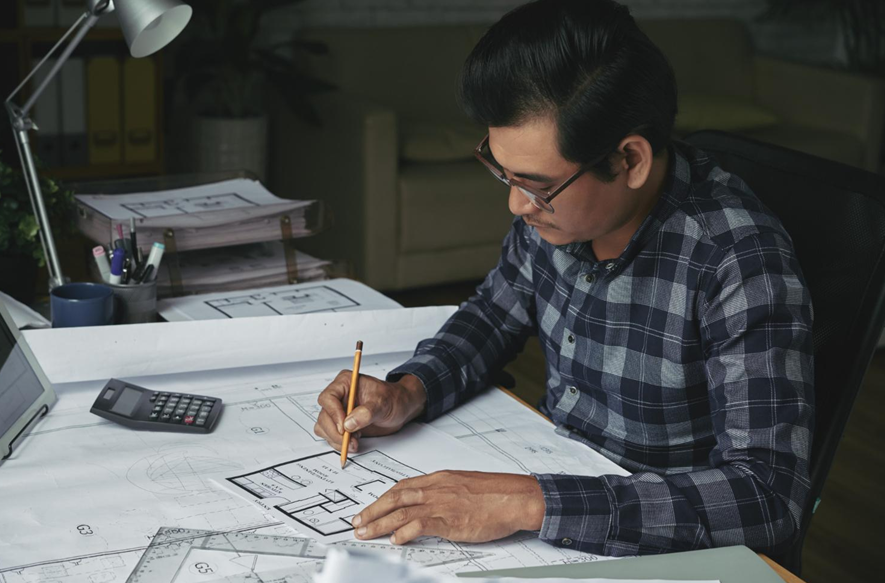
The construction of a home or home improvement is a huge investment, and all projects begin with careful planning. Before creating home builder house plans, it’s essential to complete a construction feasibility study. Getting a preliminary assessment can reveal potential problems, determine if your vision can be realized, and prevent costly surprises at construction time.
What Is a Construction Feasibility Study?
A construction feasibility study is a comprehensive analysis that decides whether a construction project is practicable, economical, and acceptable to the local authority.
Architects and planning professionals consider the property’s features, constraints, budget, construction needs, etc., before entering the design phase. This process gives homeowners a clear vision of what can be accomplished without spending the time and money on detailed plans.
Why Feasibility Comes Before Design
Many construction problems take place because essential questions are not addressed at the beginning of planning.
A feasibility study can help to identify the following factors:
- Zoning and planning restrictions
- Property setbacks
- Utility access
- Site topography
- Soil conditions
- Environmental constraints
- Preliminary construction costs
Solving these issues before design starts will minimize the chances of redesigns, permit delays, and budget overruns.
Common Mistakes a Feasibility Study Helps Prevent
Designing Beyond Your Budget
You can easily develop a dream design that is more than your budget can afford.
A feasibility study will establish project objectives and realistic construction costs, enabling homeowners to determine what features they want to build first before design begins.
Ignoring Local Regulations
Each municipality will have different zoning, height, and setback requirements.
Acknowledging these constraints early on in the process of facilitating the plan prevents unnecessary changes and additions later in the planning process that can be costly.
Overlooking Site Challenges
Sloped lots, drainage problems, poor soils or lack of access can make construction significantly more expensive.
These challenges are identified during a feasibility assessment, which does not delay the project.
Underestimating Construction Timelines
Getting permits, utility connections, and site preparation can take longer than anticipated. Good planning leads to a more realistic project timetable and will help to reduce delays.
How Feasibility Improves House Plans
After developers have a solid grasp of the project constraints, designers can develop more efficient and practical designs.
The design process is geared towards solutions that are appropriate to the property, budget, and design objectives of the homeowner from the outset, rather than making expensive changes later.
This often results in:
- Better space planning
- Improved construction efficiency
- Faster permitting
- Lower risk of unexpected expenses
- Greater long-term property value
When Should You Complete a Feasibility Study?
A feasibility study is recommended to be done before the purchase of detailed design services or the submission of permit applications.
It’s particularly useful for:
- Custom homes
- Home additions
- Second-story additions
- ADUs
- Major renovations
- Sloped or challenging lots
Even projects that appear straightforward can benefit from early professional evaluation.
Choosing the Right Design Team
A feasibility study works best when it’s carried out by a professional and experienced residential designer who is aware of planning and building regulations in the area.
Working with architects early in the project allows homeowners to make informed decisions without having to incur any unnecessary costs later in the process of the project.
Effective communication, budgeting, and planning play a crucial role in the success of construction projects.
Conclusion
Good things always start with good preparation. When building house plans are developed, it is far better to have completed a construction feasibility study first to discover the potential problems early, safeguard your investment, and ensure that the construction process goes smoothly from beginning to end.
From feasibility studies to creatively designed homes that are both functional and long-lasting, at Bay Area Architects, we help homeowners navigate each step of the planning journey.
HomeImprovment
Post Renovation Cleaning and Handover Cleaning – The Final Step to a Perfect Property Presentation
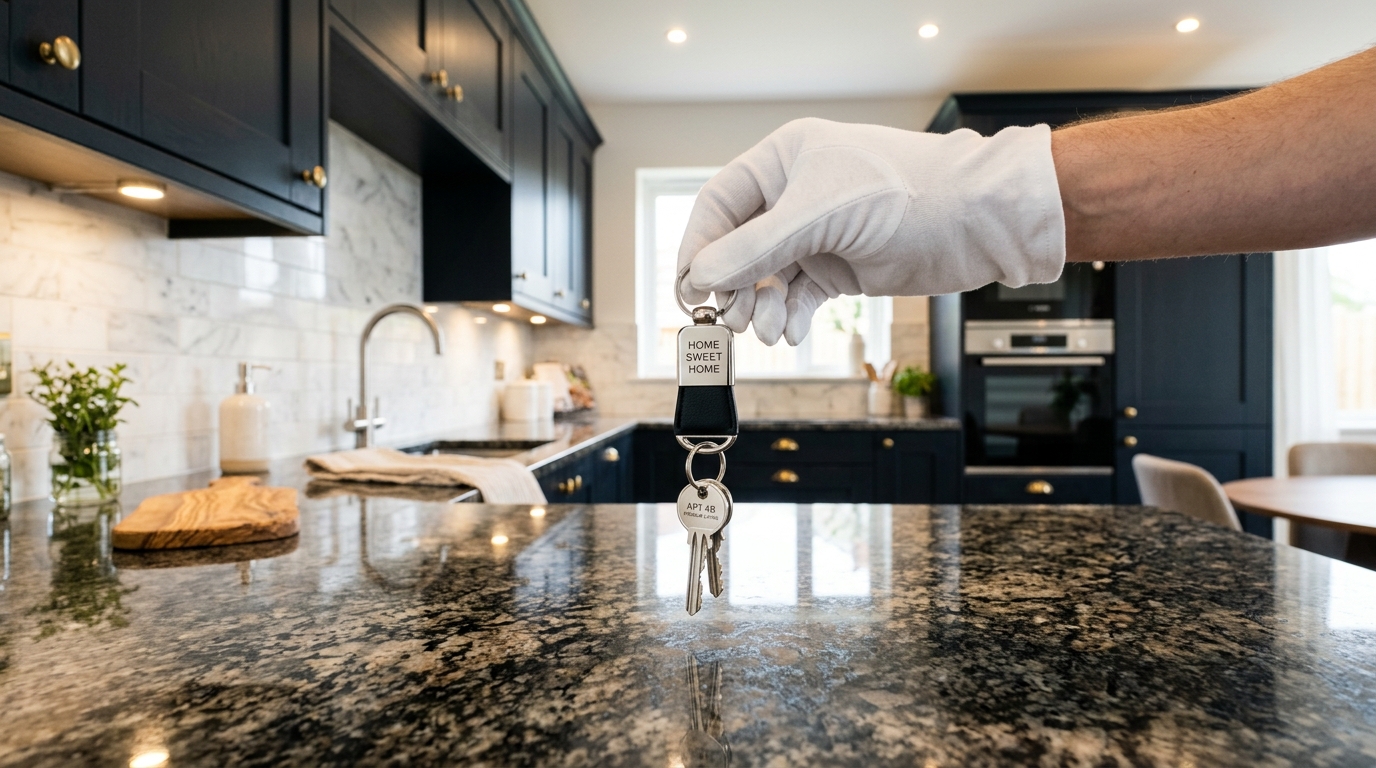
A renovation project can completely transform a property, giving it a fresh new look and enhanced functionality. However, even the most impressive renovation is not truly complete until the property has undergone professional post renovation cleaning. Dust, debris, paint splatters, adhesive residue, and construction waste can significantly affect the appearance of a newly renovated space. This is why handover cleaning Singapore services have become an essential part of every renovation project.
At Govico, a professional and highly trusted cleaning company in Singapore, we understand the importance of delivering a spotless property that is ready for immediate occupation, inspection, or handover. Our specialised post-renovation cleaning solutions help homeowners, contractors, interior designers, developers, and property managers present their completed projects in the best possible condition.
Why Post Renovation Cleaning Is Necessary
Renovation works inevitably generate large amounts of dust and dirt, even when contractors take precautions to protect the property. Fine construction dust often settles on walls, ceilings, floors, light fixtures, window frames, and air-conditioning vents. These particles can remain hidden long after renovation work is completed.
Professional post renovation cleaning goes beyond ordinary housekeeping. It involves a systematic and detailed cleaning process that targets every area affected by renovation activities. The goal is to eliminate all traces of construction work and restore the property to a clean, safe, and welcoming environment.
At Govico, our trained cleaning specialists use professional-grade equipment and proven cleaning methods to remove stubborn dust, dirt, and residues without damaging newly installed surfaces. We pay close attention to every detail, ensuring that the finished space reflects the quality of the renovation itself.
The Importance of Handover Cleaning Singapore
Whether it is a residential home, office, retail outlet, or commercial property, the final presentation of a space can leave a lasting impression. This is where handover cleaning Singapore services play a critical role.
A handover inspection is often the final stage of a renovation project. Property owners expect to receive a clean and immaculate space, while contractors and interior designers want their work to be showcased at its best. Any visible dust, stains, or debris can detract from an otherwise successful project.
Govico’s handover cleaning Singapore service is designed specifically to prepare properties for final inspections and handovers. We ensure that every room, fixture, and
surface is thoroughly cleaned and polished to create a professional and move-in-ready appearance.
Our Comprehensive Cleaning Process
Our post-renovation and handover cleaning services cover all key areas of the property. We remove dust from ceilings, walls, light fittings, switches, doors, and skirting boards. Floors are carefully vacuumed and mopped to eliminate fine particles and construction residue.
Special attention is given to kitchens and bathrooms, where renovation work often leaves behind grout haze, cement stains, adhesive marks, and protective film residues. Glass panels, mirrors, windows, and frames are meticulously cleaned to achieve a crystal-clear finish.
We also clean built-in cabinets, wardrobes, shelving units, and other fixtures to ensure every part of the property is ready for use. Our detailed approach ensures that no corner is overlooked.
Why Choose Govico
Govico has built a strong reputation in Singapore for reliability, professionalism, and attention to detail. Our experienced cleaning teams understand the unique challenges associated with post renovation cleaning and handover cleaning Singapore projects.
We are committed to delivering high-quality results within agreed timelines, helping clients meet project deadlines and handover schedules with confidence. Whether the property is a condominium, landed house, office, retail space, or commercial facility, we tailor our services to suit the specific requirements of each project.
Conclusion
A renovation project deserves a flawless finish. Professional post renovation cleaning and handover cleaning Singapore services ensure that every detail of the newly renovated property is presented at its absolute best. With Govico’s expertise, clients can enjoy a smooth handover process and complete confidence that their property is clean, polished, and ready for its next chapter.

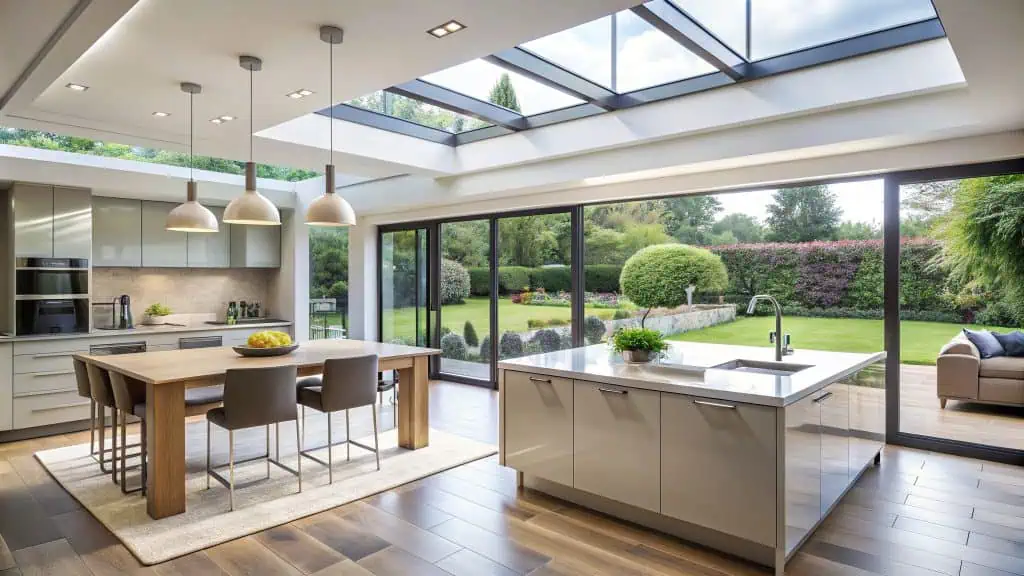
Brighton is one of Melbourne’s most desirable suburbs, and for good reason. Tree-lined streets, a strong sense of community, excellent schools, and easy access to the city make it a place where people genuinely want to put down roots. But loving your suburb and loving your home are two different things. If your house no longer reflects your lifestyle or needs, home renovation in Brighton offers a smarter, more cost-effective path than uprooting and starting over in a new location.
Whether you are looking to modernise a dated bathroom, open up a cramped kitchen, or undertake a full-scale house renovation, working with the right building team makes all the difference. From the first design consultation to the final coat of paint, a quality renovation should feel personal, not generic.
Why Brighton Homeowners Are Choosing Renovation Over Relocation
The Brighton property market is strong, and buying a new home often means paying a premium for a property that still needs work. Stamp duty, agent fees, and moving costs add up quickly, and that’s before you factor in the emotional toll of leaving a neighbourhood you love.
Renovation lets you keep the address you love while building the home you have always wanted. It also adds real, measurable value to your property. A well-executed kitchen renovation or bathroom remodel typically delivers a strong return on investment, particularly in a high-demand suburb like Brighton where buyers have discerning tastes.
The key benefits of renovating in Brighton include:
- Avoiding stamp duty and agent fees associated with buying and selling
- Increasing your property’s market value significantly
- Customising every detail to suit your lifestyle and preferences
- Staying in a community and school zone you already know and enjoy
House Renovations in Brighton: From Vision to Reality
A full house renovation is one of the most rewarding investments a homeowner can make, but it requires experience, planning, and the right team. Brighton homes vary widely in style and era, from Victorian and Edwardian period homes to mid-century builds and contemporary designs. Each brings its own set of opportunities and challenges.
A skilled Brighton renovation builder will work with the existing character of your home while integrating modern functionality. That might mean restoring ornate cornices in a heritage property while fitting it with open-plan living, underfloor heating, and smart home technology. The result is a home that feels both timeless and current.
The process begins with a detailed consultation where your goals, budget, and timeline are discussed thoroughly. From there, design and planning work begins before any construction commences. This stage is critical: thorough upfront planning prevents costly surprises down the track and ensures the final build matches your expectations.
Kitchen Renovation Brighton: The Heart of the Home Reimagined
The kitchen is often described as the heart of the home, and in Brighton, where entertaining and family life are deeply valued, it is usually the first space homeowners want to upgrade. A dated kitchen not only affects daily comfort but can significantly undermine a property’s appeal to future buyers.
A kitchen renovation in Brighton should balance beauty with practicality. Stone benchtops, quality cabinetry, ample storage, and well-designed workflow all contribute to a space that looks impressive and functions even better. Whether you want a sleek contemporary finish, a warm Hamptons style, or something entirely bespoke, the right builder will bring your vision to life with precision.
Bathroom Renovation Brighton: Creating Your Personal Sanctuary
Bathrooms are another space where smart renovation delivers outsized returns, both in daily enjoyment and property value. A tired bathroom with outdated fixtures and poor layout can make an otherwise beautiful home feel neglected. A renovation changes all of that.
Bathroom renovation in Brighton can range from a focused refresh of tiles, tapware, and fittings to a complete reconfiguration of the floor plan. Walk-in showers with frameless glass, freestanding baths, heated towel rails, and well-considered lighting all contribute to a space that feels luxurious rather than merely functional. Working with a builder who has strong relationships with quality suppliers means you get access to premium products at competitive prices.
Laundry Renovations and Smaller Spaces That Make a Big Difference
It might not be the most glamorous room in the house, but a poorly designed laundry can be a daily frustration. Upgrading your laundry space with smart storage solutions, improved appliance placement, durable bench surfaces, and better natural light transforms a purely functional room into one that actually works for you.
In Brighton homes where space is at a premium, making every square metre count matters. A laundry renovation can also serve double duty, incorporating a mudroom entrance or additional storage area that helps keep the rest of the house organised and clutter-free.
What to Look for in a Brighton Renovation Builder
Choosing the right builder is the single most important decision you will make in any renovation project. In Victoria, all residential building work over a certain value must be carried out by a registered building practitioner. This registration is not optional; it is a safeguard for homeowners that ensures the builder meets required standards of competence and holds the necessary insurance.
When evaluating renovation builders in Brighton, look for:
- VBA registration and WorkSafe compliance
- A portfolio of completed local projects with genuine client testimonials
- Clear, transparent communication throughout the planning and build process
- Detailed written quotes with no hidden costs
- A personalised approach that treats your project as a priority, not a number
Start Your Brighton Home Renovation Today
A home renovation brighton is one of the most personal investments you will ever make. It is not just about adding value to bricks and mortar; it is about creating a space where your family can thrive, where you feel proud to welcome guests, and where everyday life simply works better.
For homeowners in Brighton, the opportunity to enhance an already exceptional address is genuinely exciting. Whether your project is a single room or a whole-house transformation, the right builder will guide you through every step with expertise, transparency, and genuine care for the outcome.
If you are ready to start planning your home renovation in Brighton, the first step is a free consultation. Share your ideas, explore the possibilities, and discover how the home you have always imagined can become the home you live in every day.
-

 Blog5 months ago
Simpcit6: Redefining Simplicity in a Complex World
-

 Blog9 months ago
Baddi Hub: An Emerging Industrial and Business Hotspot
-

 food9 months ago
Calamariere: How to Perfectly Prepare at Home
-

 Technology9 months ago
YourAssistantLive com: The Future of Smart Digital Assistance
-

 Health8 months ago
Nerovet AI Dentistry: Enhancing Patient Experience and Treatment Outcomes Dental Care
-

 Technology5 months ago
Voomixi com: The Digital Platform Redefining Online Interaction
-

 Business7 months ago
Top Benefits of Using Quality Wire Rope Lube in US Heavy Industry
-

 Technology8 months ago
Anonibs: The Trending Anonymous Image Board Platform