
HomeImprovment
House Extension London

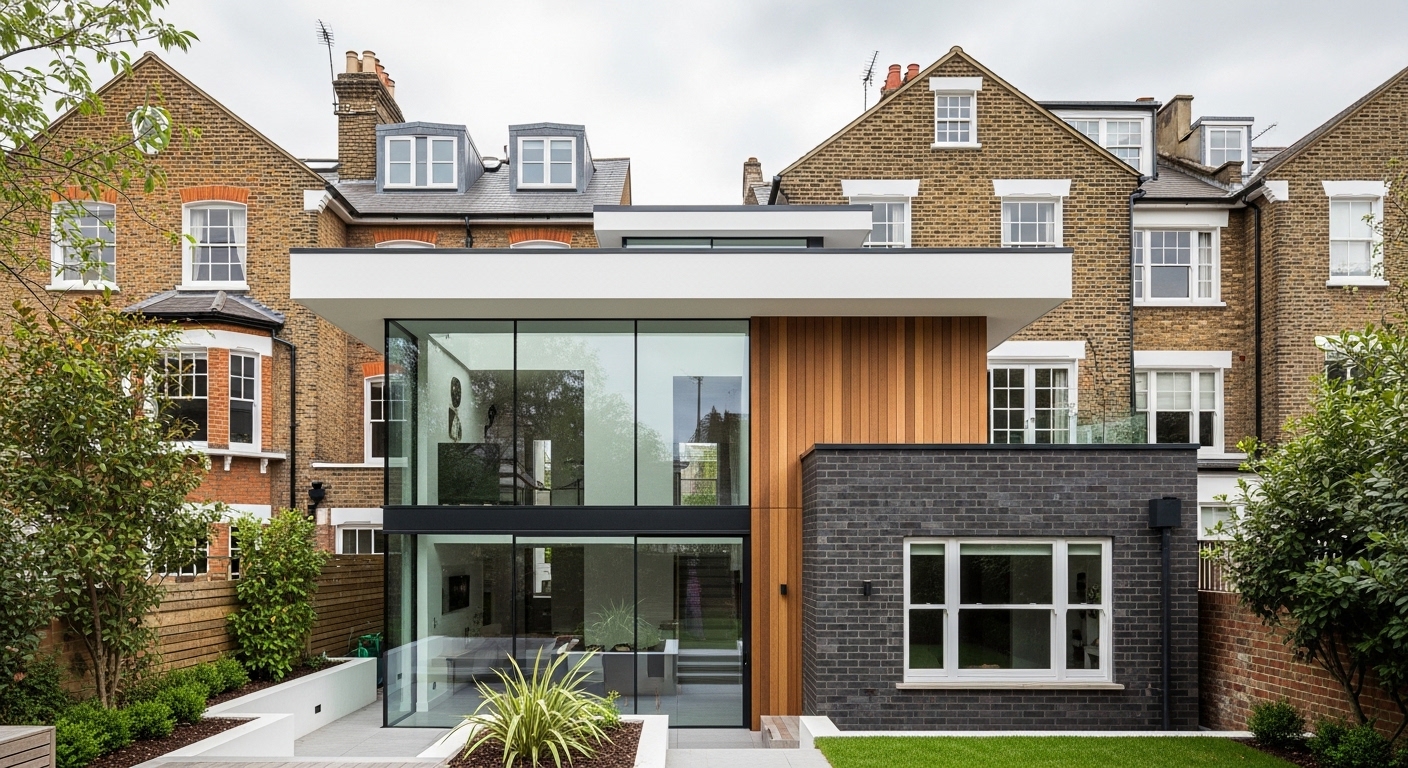
House extensions in London offer homeowners practical solutions to space constraints without the disruption and expense of moving. The capital’s property market, where moving costs run high and suitable larger properties command premium prices, makes extending your existing home an attractive alternative. Whether you’re planning a single-storey rear extension to create an open-plan kitchen, a two-storey addition for extra bedrooms, or a wrap around extension maximizing ground floor space, house extensions transform how properties function while adding significant value. Understanding the types of extensions available, planning requirements, costs, and processes helps you make informed decisions about improving your London home.
Why House Extensions Are Popular in London
London’s housing market drives many homeowners toward extensions rather than moving. The cost of moving in London—including estate agent fees, stamp duty, legal costs, and removal expenses—easily reaches £30,000 to £50,000 or more for typical family homes. This represents a substantial sum that could instead fund significant home improvements. Extensions often prove more cost-effective while allowing families to stay in neighborhoods they love, near good schools, established friendships, and familiar communities.
Space limitations affect many London properties. Victorian and Edwardian terraces, which dominate much of the capital’s housing stock, typically feature small kitchens and separated living spaces that don’t suit contemporary family life. Post-war properties often have modest room sizes that feel cramped for modern needs. Extensions address these limitations, creating the open-plan living areas, larger kitchens, and additional bedrooms that transform how families use their homes.
Property values increase substantially with well-designed extensions. Adding 20 to 40 square meters of high-quality space typically adds 15% to 20% to property values across London, sometimes more in areas where space commands particular premiums. Beyond financial returns, extensions improve quality of life by creating space suited to how you actually live—whether that means kitchens large enough for family meals, home offices supporting flexible working, or additional bedrooms accommodating growing families.
Types of House Extensions in London
Single-storey rear extensions remain the most popular extension type, creating open-plan kitchen and dining areas suited to modern living. These extensions typically project 3 to 6 meters from the rear of properties, adding 15 to 30 square meters of space. Large glazed doors—bi-fold, sliding, or structural glass—connect interiors to gardens while flooding spaces with natural light. Single-storey extensions work particularly well for families wanting to improve ground floor living without the expense and complexity of two-storey additions.
Two-storey extensions provide more substantial space increases, adding both ground floor living areas and first floor bedrooms. These extensions require careful design to ensure they complement rather than overwhelm existing buildings, particularly important in conservation areas where planning officers scrutinize street scene impacts. Two-storey extensions prove cost-effective per square meter because foundation and construction costs spread across two floors.
Side return extensions convert narrow passages running alongside terraced and semi-detached properties into valuable floor area. These passages typically sit unused, representing wasted space that extensions transform into kitchen or dining areas. Side return extensions work particularly well combined with rear extensions, creating wrap around extensions that maximize ground floor space.
Wrap around extensions combine rear and side return extensions into L-shaped additions that create generous open-plan areas. These extensions add 25 to 40 square meters by utilizing both rear projection and side return space, delivering dramatic improvements in ground floor living. Multiple glazed elevations bring natural light from different directions, creating bright spaces that become the heart of homes.
Loft conversions provide additional accommodation without extending property footprints or impacting gardens. Converting unused roof spaces into bedrooms, home offices, or playrooms adds valuable square meters while often qualifying as permitted development requiring no planning permission. Loft conversions suit properties with adequate roof height and structure to support conversion work.
Planning Permission and Building Regulations
Understanding planning requirements proves essential for house extensions. Some extensions qualify as permitted development—a category of minor works requiring no formal planning applications. However, permitted development has specific limitations regarding extension size, height, proximity to boundaries, and materials. Many London properties have Article 4 directions removing these rights, particularly in conservation areas, meaning full planning applications are required.
Conservation areas exist throughout London where stricter design controls apply. Extensions in these areas require careful material selection, appropriate detailing, and designs that respect local character. Planning officers scrutinize how extensions affect street scenes and neighboring properties, looking for designs that appear subordinate to original buildings.
Building Regulations apply to all extensions regardless of whether planning permission is needed. Regulations cover structural safety, fire safety, insulation, ventilation, and drainage. Architects prepare technical drawings ensuring compliance with these standards. Party wall agreements are typically required for terraced and semi-detached properties where work affects shared boundaries.
House Extension Costs in London
Extension costs vary based on size, specification, and location. Single-storey extensions typically cost £2,000 to £3,500 per square meter, with most projects in the £2,500 to £3,000 range. Two-storey extensions cost £1,800 to £2,800 per square meter, with lower per-square-meter costs because construction spreads across two floors. These figures include construction, basic finishes, and standard specifications—premium materials and luxury finishes increase costs significantly.
Additional expenses include architectural fees (8% to 15% of construction costs), structural engineer fees (£1,500 to £4,000), planning application fees, building control costs, and party wall surveyor fees. Budget 10% to 15% contingency for unexpected issues during construction.
Why Choose Extension Architecture
Extension Architecture specializes in house extensions across London with comprehensive experience navigating borough planning requirements. The practice designs extensions that transform how families live while respecting London’s architectural heritage. From initial consultations through final completion, Extension Architecture provides expert guidance ensuring your extension delivers the space, functionality, and quality you expect.

Kitchen remodeling is one of the best investments you can make in your home to enhance its value and improve its comfort and use. These are spaces that are used on a regular basis, and a renovation in these areas will give you a great return on investment, whether you’re looking to sell your home or just want to make a few improvements to your living area. The kitchen are typically the best areas to begin home remodeling in Houston, TX.
Increase Your Home’s Market Value
The first areas buyers check out of a property are the kitchen. Furnishings, renovations, and energy-efficient fixtures will help make a home more appealing and can add a lot to the value of a home.
While you may not be looking to put your home on the market, these improvements will keep your home competitive in a busy real estate market in Houston.
Improve Daily Functionality
Remodeling isn’t only about the look; it’s about how your home functions for you. An overhaul of the kitchen can offer more storage and better planning, as well as better equipment to allow more fun in cooking and entertaining.
Enhance Energy Efficiency
Energy-efficient appliances, LED lighting, water-saving fixtures, and enhanced insulation are common features in modern renovations. These enhancements can also save on your utility costs and make your home more eco-friendly.
Efficient ventilation systems and replacing old plumbing fixtures may also enhance long-term performance and reduce maintenance costs.
Customize Your Living Space
Each family is different. Homeowners can remodel their kitchens to reflect their lifestyles and tastes, from layouts to cabinets, countertops, flooring, and fixtures.
Remodeling offers you all the control over the look and performance of your home, from a trendy design to a classic one to a luxurious one.
Address Aging Features and Repairs
The cabinetry, floors, plumbing, or electrical systems may be worn or outdated in older homes. Remodeling is a chance to upgrade outdated materials before they turn into a big expense.
Solving these problems during the renovation helps to enhance the safety of the building and its durability, as well as to prevent future costly emergency repairs.
Maximize Return on Investment
Renovations to the kitchen are always one of the best-performing home improvement projects. When executed properly, these improvements will sell, and that too quickly; they will draw in buyers and enhance the value of the property.
The use of quality materials and professional craftsmanship further enhances the long-term value of your investment.
Why Work with Professionals?
For a successful remodeling project, one needs to be careful about planning, skill, and details. A professional remodeling contractor can assist homeowners in creating a functional and long-lasting layout, finding high-quality materials, and managing budgets, as well as ensuring that all parts of the home renovation adhere to local building codes.
Professional advice also eliminates delays, prevents expensive errors, and provides beauty and lasting results.
Conclusion
Home remodeling in Houston, TX, is a sensible investment to increase the value, efficiency, and routine comfort of your home. But thoughtful renovations can give long-term value for years, whether you’re aiming to update out-of-date spaces or design your dream home.
MDH Remodeling offers homeowners trustworthy remodeling solutions that are tailored to their kitchen needs, promising a blend of practicality and elegance. They have a team of experts to help them turn your kitchen into a beautiful, functional area that will increase the value of your home for years.
HomeImprovment
Avoid Costly Mistakes With a Construction Feasibility Study Before Designing House Plans
Key Takeaways
- A construction feasibility study can be used to discover potential problems prior to design and construction.
- When the homeowner is on the wrong side of the plans, the project is likely to suffer from unexpected costs, delays, and design changes.
- Before developing home builder house plans, all of these should be taken into account: Site conditions, zoning rules, and budget should all be looked at.
- The sooner the feasibility is assessed, the better the construction will be performed and the better the long-term results will be.
- Experienced architects help to make ideas a reality and create concrete plans that can be built.
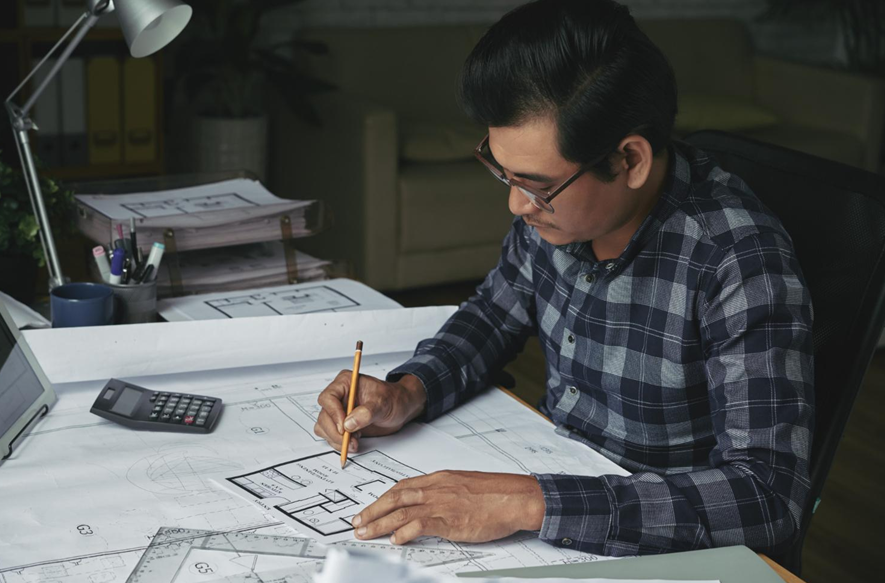
The construction of a home or home improvement is a huge investment, and all projects begin with careful planning. Before creating home builder house plans, it’s essential to complete a construction feasibility study. Getting a preliminary assessment can reveal potential problems, determine if your vision can be realized, and prevent costly surprises at construction time.
What Is a Construction Feasibility Study?
A construction feasibility study is a comprehensive analysis that decides whether a construction project is practicable, economical, and acceptable to the local authority.
Architects and planning professionals consider the property’s features, constraints, budget, construction needs, etc., before entering the design phase. This process gives homeowners a clear vision of what can be accomplished without spending the time and money on detailed plans.
Why Feasibility Comes Before Design
Many construction problems take place because essential questions are not addressed at the beginning of planning.
A feasibility study can help to identify the following factors:
- Zoning and planning restrictions
- Property setbacks
- Utility access
- Site topography
- Soil conditions
- Environmental constraints
- Preliminary construction costs
Solving these issues before design starts will minimize the chances of redesigns, permit delays, and budget overruns.
Common Mistakes a Feasibility Study Helps Prevent
Designing Beyond Your Budget
You can easily develop a dream design that is more than your budget can afford.
A feasibility study will establish project objectives and realistic construction costs, enabling homeowners to determine what features they want to build first before design begins.
Ignoring Local Regulations
Each municipality will have different zoning, height, and setback requirements.
Acknowledging these constraints early on in the process of facilitating the plan prevents unnecessary changes and additions later in the planning process that can be costly.
Overlooking Site Challenges
Sloped lots, drainage problems, poor soils or lack of access can make construction significantly more expensive.
These challenges are identified during a feasibility assessment, which does not delay the project.
Underestimating Construction Timelines
Getting permits, utility connections, and site preparation can take longer than anticipated. Good planning leads to a more realistic project timetable and will help to reduce delays.
How Feasibility Improves House Plans
After developers have a solid grasp of the project constraints, designers can develop more efficient and practical designs.
The design process is geared towards solutions that are appropriate to the property, budget, and design objectives of the homeowner from the outset, rather than making expensive changes later.
This often results in:
- Better space planning
- Improved construction efficiency
- Faster permitting
- Lower risk of unexpected expenses
- Greater long-term property value
When Should You Complete a Feasibility Study?
A feasibility study is recommended to be done before the purchase of detailed design services or the submission of permit applications.
It’s particularly useful for:
- Custom homes
- Home additions
- Second-story additions
- ADUs
- Major renovations
- Sloped or challenging lots
Even projects that appear straightforward can benefit from early professional evaluation.
Choosing the Right Design Team
A feasibility study works best when it’s carried out by a professional and experienced residential designer who is aware of planning and building regulations in the area.
Working with architects early in the project allows homeowners to make informed decisions without having to incur any unnecessary costs later in the process of the project.
Effective communication, budgeting, and planning play a crucial role in the success of construction projects.
Conclusion
Good things always start with good preparation. When building house plans are developed, it is far better to have completed a construction feasibility study first to discover the potential problems early, safeguard your investment, and ensure that the construction process goes smoothly from beginning to end.
From feasibility studies to creatively designed homes that are both functional and long-lasting, at Bay Area Architects, we help homeowners navigate each step of the planning journey.
HomeImprovment
Post Renovation Cleaning and Handover Cleaning – The Final Step to a Perfect Property Presentation

A renovation project can completely transform a property, giving it a fresh new look and enhanced functionality. However, even the most impressive renovation is not truly complete until the property has undergone professional post renovation cleaning. Dust, debris, paint splatters, adhesive residue, and construction waste can significantly affect the appearance of a newly renovated space. This is why handover cleaning Singapore services have become an essential part of every renovation project.
At Govico, a professional and highly trusted cleaning company in Singapore, we understand the importance of delivering a spotless property that is ready for immediate occupation, inspection, or handover. Our specialised post-renovation cleaning solutions help homeowners, contractors, interior designers, developers, and property managers present their completed projects in the best possible condition.
Why Post Renovation Cleaning Is Necessary
Renovation works inevitably generate large amounts of dust and dirt, even when contractors take precautions to protect the property. Fine construction dust often settles on walls, ceilings, floors, light fixtures, window frames, and air-conditioning vents. These particles can remain hidden long after renovation work is completed.
Professional post renovation cleaning goes beyond ordinary housekeeping. It involves a systematic and detailed cleaning process that targets every area affected by renovation activities. The goal is to eliminate all traces of construction work and restore the property to a clean, safe, and welcoming environment.
At Govico, our trained cleaning specialists use professional-grade equipment and proven cleaning methods to remove stubborn dust, dirt, and residues without damaging newly installed surfaces. We pay close attention to every detail, ensuring that the finished space reflects the quality of the renovation itself.
The Importance of Handover Cleaning Singapore
Whether it is a residential home, office, retail outlet, or commercial property, the final presentation of a space can leave a lasting impression. This is where handover cleaning Singapore services play a critical role.
A handover inspection is often the final stage of a renovation project. Property owners expect to receive a clean and immaculate space, while contractors and interior designers want their work to be showcased at its best. Any visible dust, stains, or debris can detract from an otherwise successful project.
Govico’s handover cleaning Singapore service is designed specifically to prepare properties for final inspections and handovers. We ensure that every room, fixture, and
surface is thoroughly cleaned and polished to create a professional and move-in-ready appearance.
Our Comprehensive Cleaning Process
Our post-renovation and handover cleaning services cover all key areas of the property. We remove dust from ceilings, walls, light fittings, switches, doors, and skirting boards. Floors are carefully vacuumed and mopped to eliminate fine particles and construction residue.
Special attention is given to kitchens and bathrooms, where renovation work often leaves behind grout haze, cement stains, adhesive marks, and protective film residues. Glass panels, mirrors, windows, and frames are meticulously cleaned to achieve a crystal-clear finish.
We also clean built-in cabinets, wardrobes, shelving units, and other fixtures to ensure every part of the property is ready for use. Our detailed approach ensures that no corner is overlooked.
Why Choose Govico
Govico has built a strong reputation in Singapore for reliability, professionalism, and attention to detail. Our experienced cleaning teams understand the unique challenges associated with post renovation cleaning and handover cleaning Singapore projects.
We are committed to delivering high-quality results within agreed timelines, helping clients meet project deadlines and handover schedules with confidence. Whether the property is a condominium, landed house, office, retail space, or commercial facility, we tailor our services to suit the specific requirements of each project.
Conclusion
A renovation project deserves a flawless finish. Professional post renovation cleaning and handover cleaning Singapore services ensure that every detail of the newly renovated property is presented at its absolute best. With Govico’s expertise, clients can enjoy a smooth handover process and complete confidence that their property is clean, polished, and ready for its next chapter.
-

 Blog7 months ago
Simpcit6: Redefining Simplicity in a Complex World
-

 Blog11 months ago
Baddi Hub: An Emerging Industrial and Business Hotspot
-

 food11 months ago
Calamariere: How to Perfectly Prepare at Home
-

 Technology11 months ago
YourAssistantLive com: The Future of Smart Digital Assistance
-

 Health10 months ago
Nerovet AI Dentistry: Enhancing Patient Experience and Treatment Outcomes Dental Care
-

 Crypto12 months ago
Crypto30x.com vs Other Crypto Sites – Best Bitcoin Tools?
-

 Technology7 months ago
Voomixi com: The Digital Platform Redefining Online Interaction
-

 Business9 months ago
Top Benefits of Using Quality Wire Rope Lube in US Heavy Industry