
Health
Expert Approaches to Smooth and Youthful Skin


We all have that moment. You catch a glimpse of yourself in the rearview mirror or a shop window, and you notice a shadow or a line that wasn’t there a year ago. Aging is a natural privilege, but wanting to look as energetic on the outside as you feel on the inside is completely normal. For many, skincare creams and serums only go so far. When you want to address dynamic lines without undergoing surgery, cosmetic injectables offer a solution that bridges the gap between topical treatments and invasive procedures.
In the world of medical aesthetics, few treatments have established as strong a reputation for reliability and satisfaction as Botox. It is the gold standard for smoothing skin and restoring a rested appearance. However, the key to great results lies not just in the product, but in the hands of the professional administering it. You aren’t looking to change who you are; you just want to press the pause button on the visible signs of stress and aging.
If you have been considering Botox in Oakville, you likely have questions about safety, results, and what the process actually feels like. This comprehensive guide will walk you through everything you need to know about this popular treatment, how it works, and why a personalized approach makes all the difference in achieving that coveted “natural” look.
Understanding the Science of Smooth Skin
Before booking an appointment, it helps to understand what is happening beneath the surface of your skin. Wrinkles generally fall into two categories: static and dynamic. Static wrinkles are visible when your face is at rest, often caused by a loss of collagen and elasticity. Dynamic wrinkles, on the other hand, form from repetitive muscle movements—smiling, frowning, or squinting.
Botox creates a barrier against these dynamic lines. It is a neuromodulator, which is a fancy way of saying it temporarily relaxes the specific muscles responsible for creating creases in the skin. When injected in small, precise doses, it blocks the nerve signals that tell your muscles to contract. Because the muscle doesn’t move as intensely, the skin above it remains smooth and unwrinkled.
The beauty of this mechanism is that it serves two purposes. First, it softens existing lines, making them less visible. Second, it acts as a preventative measure. If the skin isn’t constantly being folded by muscle movement, new wrinkles are much less likely to etch themselves permanently into your complexion.
Beyond the Forehead: Versatile Treatment Areas
While many people associate injectables solely with forehead lines, the applications are far more versatile. Experienced practitioners use these treatments to sculpt and refine various areas of the face and even address functional concerns.
The Upper Face
This is the most common area for treatment. It includes:
- Forehead Lines: The horizontal lines that appear when you raise your eyebrows. Treating this area creates a smoother, more serene forehead.
- Frown Lines: Also known as “11s,” these are the vertical lines between the eyebrows. Softening these can make you look less angry or stressed.
- Crow’s Feet: The fine lines that radiate from the corners of your eyes when you smile.
- Eyebrow Lift: Strategic injections can relax the muscles pulling the brows down, creating a subtle, non-surgical lift that opens up the eyes.
The Lower Face and Neck
Advanced techniques allow for contouring and smoothing in the lower face:
- Bunny Lines: These are the creases that appear on the bridge of the nose when you scrunch it.
- Lip Flip: By relaxing the muscle around the mouth, the upper lip can gently roll outward, creating the illusion of a fuller pout without dermal fillers.
- Chin Dimpling: Relaxing the mentalis muscle can smooth out an “orange peel” texture on the chin.
- Jawline Contouring: Injections into the masseter muscles can slim a wide jawline and create a more heart-shaped face. This also has the added medical benefit of relieving jaw tension and teeth grinding.
- Neck Bands: Vertical cords in the neck can be relaxed to create a smoother, younger-looking neck profile.
Therapeutic Uses
Beyond aesthetics, this treatment is a game-changer for those suffering from hyperhidrosis, or excessive sweating. When injected into the underarms, it blocks the nerve signals that trigger sweat glands. This can be life-changing for individuals who struggle with confidence due to visible sweat patches, allowing them to wear any fabric or color without worry.
The “Natural” Look: Why Technique Matters
A common fear among first-time clients is looking “frozen” or expressionless. We have all seen examples of overdone treatments where the face lacks movement. However, looking plastic is not a requirement of the procedure; it is usually the result of poor technique or excessive dosage.
The goal of modern aesthetic medicine is not to immobilize the face but to soften expressions. When you visit a high-quality clinic for Botox in Oakville, such as Fyxson Medical Aesthetics, the focus is on customized care. A skilled injector assesses your unique facial anatomy—how your muscles move, the strength of your expressions, and your aesthetic goals.
By tailoring the dosage and placement to your specific structure, practitioners can ensure you still look like yourself, just well-rested. You should still be able to smile, look surprised, and express emotion, but without the deep creasing that accompanies those movements.
What to Expect During Your Appointment
If you have a busy schedule, you will be pleased to know that this is often referred to as a “lunchtime procedure.” It is quick, efficient, and requires virtually no downtime.
The Consultation
Every safe and successful treatment starts with a conversation. Your provider will discuss your medical history and examine your facial muscles. This is the time to point out the specific areas that bother you. Whether it’s a drooping brow or a dimpled chin, your plan will be mapped out before a single needle is used.
The Injection Process
The actual treatment typically takes between 15 to 30 minutes. The needles used are incredibly fine—much smaller than those used for vaccinations or blood draws. Most clients report feeling only a tiny pinch or mild pressure. Because the discomfort is so minimal, anesthesia is rarely needed, though the area can be iced beforehand if you are particularly sensitive.
Immediate Aftercare
One of the biggest advantages of this treatment is the ability to return to your daily routine immediately. You can drive yourself home or go back to work right after leaving the clinic. There might be tiny red bumps at the injection sites, akin to small bug bites, but these usually vanish within 20 minutes to an hour.
The Timeline: When Will You See Results?
Unlike dermal fillers, which offer instant gratification, neuromodulators take a little time to settle in. It requires patience to see the full transformation.
- Days 3-5: You will likely start to notice a reduction in movement in the treated areas. The skin will begin to look smoother.
- Week 2: This is usually when the full effect is visible. The treated muscles are relaxed, and the overlying skin is smooth. This is the perfect time to evaluate if you are happy with the results or if a minor touch-up is needed.
- Months 3-4: The body gradually metabolizes the product, and muscle movement slowly returns. To maintain the results, follow-up appointments are recommended every 3 to 4 months.
Interestingly, many patients find that with regular maintenance, they can go longer between appointments. Consistent treatment can “train” the muscles to relax, meaning lines become less severe over time even as the product wears off.
Why Safety and Expertise Are Non-Negotiable
When it comes to putting anything into your body, quality assurance is paramount. You should always ensure that the facility you choose adheres to the highest standards of safety and hygiene.
Leading clinics in the area, like Fyxson Medical Aesthetics, strictly use products approved by Health Canada and the FDA. This ensures that the formulation is safe, effective, and predictable. Furthermore, the expertise of the injector is crucial. Understanding the complex network of facial nerves and muscles ensures that the product stays exactly where it is supposed to be, avoiding unwanted side effects like a drooping eyelid or an uneven smile.
Choosing a medical spa that combines clinical precision with a luxury environment ensures that your experience is not just safe, but also relaxing and positive. You want a team that views your face as a canvas and the treatment as an art form.
Frequently Asked Questions
Is the treatment safe?
Yes. When administered by trained professionals using approved products, it has an excellent safety profile. It has been used for cosmetic and medical purposes for decades.
Does it hurt?
Most clients report very mild discomfort. The needles are extremely fine. The sensation is often described as a quick pinch that resolves instantly.
Can I prevent wrinkles before they start?
Absolutely. Many younger clients in their late 20s or early 30s use “preventative” doses. By limiting the repetitive folding of the skin early on, deep static wrinkles are less likely to form later in life.
Are there side effects?
Side effects are generally minor and temporary. You might experience slight redness, swelling, or small bruises at the injection site, but these resolve quickly. Serious side effects are rare when you are in the hands of an experienced injector.
Can I exercise afterward?
It is generally recommended to avoid strenuous exercise, lying down flat, or rubbing the treated area for about 4 hours post-treatment. This prevents the product from migrating to unintended areas. After that short window, you can resume all normal activities.
Can this be combined with other treatments?
Yes, it pairs beautifully with other modalities. Many clients combine it with dermal fillers to restore volume, or with chemical peels and laser therapies for comprehensive skin rejuvenation.
Investing in Your Confidence
Taking care of your appearance is a form of self-care. Whether you are preparing for a big event like a wedding or simply want to look more awake during your morning video calls, aesthetic treatments offer a boost of confidence that radiates outward.
The stigma around cosmetic tweaks has largely vanished, replaced by an appreciation for modern maintenance. It isn’t about vanity; it’s about aligning how you look with how you feel. When you look in the mirror and see a refreshed, smooth complexion, it changes how you carry yourself through the day.
If you are ready to explore the benefits of Botox in Oakville, the first step is a professional consultation. By partnering with a team that prioritizes natural beauty and patient education, you ensure that your journey to smoother skin is safe, comfortable, and rewarding.

A lot of people have neck strain symptoms, but are not aware that the problem stems from a daily activity. These seemingly harmless habits can, over time, cause discomfort, whether you are working long hours at a desk, constantly looking at your phone, or sleeping in an awkward position. If left untreated, it can also lead to shoulder joint pain, which may make everyday tasks difficult.
Poor Posture While Sitting
Poor posture is one of the most frequent causes of neck and shoulder pain. Working in an upright posture with a computer is also an added strain on neck muscles, ligaments, and joints. With time, this strain may cause stiffness, limited mobility, headaches, and muscle fatigue.
An ergonomic workstation, an eye-level screen, and a backrest that supports your back can help to minimize unnecessary stress to the neck and shoulders.
Spending Too Much Time on Mobile Devices
Excessive use of cell phones places extra strain on the cervical spine’s discs. Regularly flexing the head forwards puts additional strain and stress on the muscles of the neck, which can lead to muscle strain and discomfort.
Regular breaks, keeping the devices closer to eye level, and reducing the amount of time spent watching screens can help to prevent unnecessary strain.
Sleeping in an Uncomfortable Position
Sleeping position is very important in the alignment of your spine. A pillow that is too high or too flat will leave your neck in an abnormal position during the night and cause stiffness and soreness in the morning.
Selecting a comfortable pillow that helps maintain your neck aligned with your thoracic area and sleeping on your back or side may help reduce overnight strain.
Carrying Heavy Bags on One Shoulder
A lot of people carry their laptops, purses, or backpacks on one shoulder as they go through their day. This imbalance of weight places increased stress on one side of the body, leading to muscle imbalances in the neck and shoulders.
Consider using backpacks that fit on both shoulders, using both shoulder straps, or wearing a lighter load to avoid additional muscle strain.
Skipping Movement During the Day
Remaining in the same position for hours will lead to loss of blood supply to the muscles and promote stiffness. Office workers and drivers are especially prone to developing neck and shoulder discomfort because of prolonged inactivity.
Get up at least every 30 minutes to stretch your neck and shoulders, and move around lightly throughout the day to increase flexibility and prevent tightness in muscles.
Stress and Muscle Tension
People tend to unconsciously tighten their neck and shoulder muscles during emotional stress. Ongoing muscle tension may lead to pain, limited mobility, and tiredness.
Deep breathing, gentle stretching, yoga, or mindfulness exercises are effective relaxation techniques that can help lower stress-induced muscle tension.
When to Seek Medical Advice
Neck Pain is common among people today, but if it lasts too long, you should consult with your doctor. If you have neck pain that:
- Lasts more than 3-4 days
- Neck pain increases every day
- Numbness in your arms starts over the next few days
- Your arms become weak, tingly, or painful
You can have a serious condition. The sooner you identify and correctly treat your condition, the less likely that it will become a much more serious chronic condition.
Conclusion
Chronic neck and shoulder discomfort can be prevented with some simple lifestyle changes. Steps you can take to improve your posture, to take regular movement breaks, to ensure that you have proper support for your sleep, and to manage your stress levels can help lower your risk of developing shoulder joint pain and recurring symptoms of neck strain. To get the best care and customized treatment, visit Discover Optimal Health and uncover solutions for long-term neck and shoulder health.
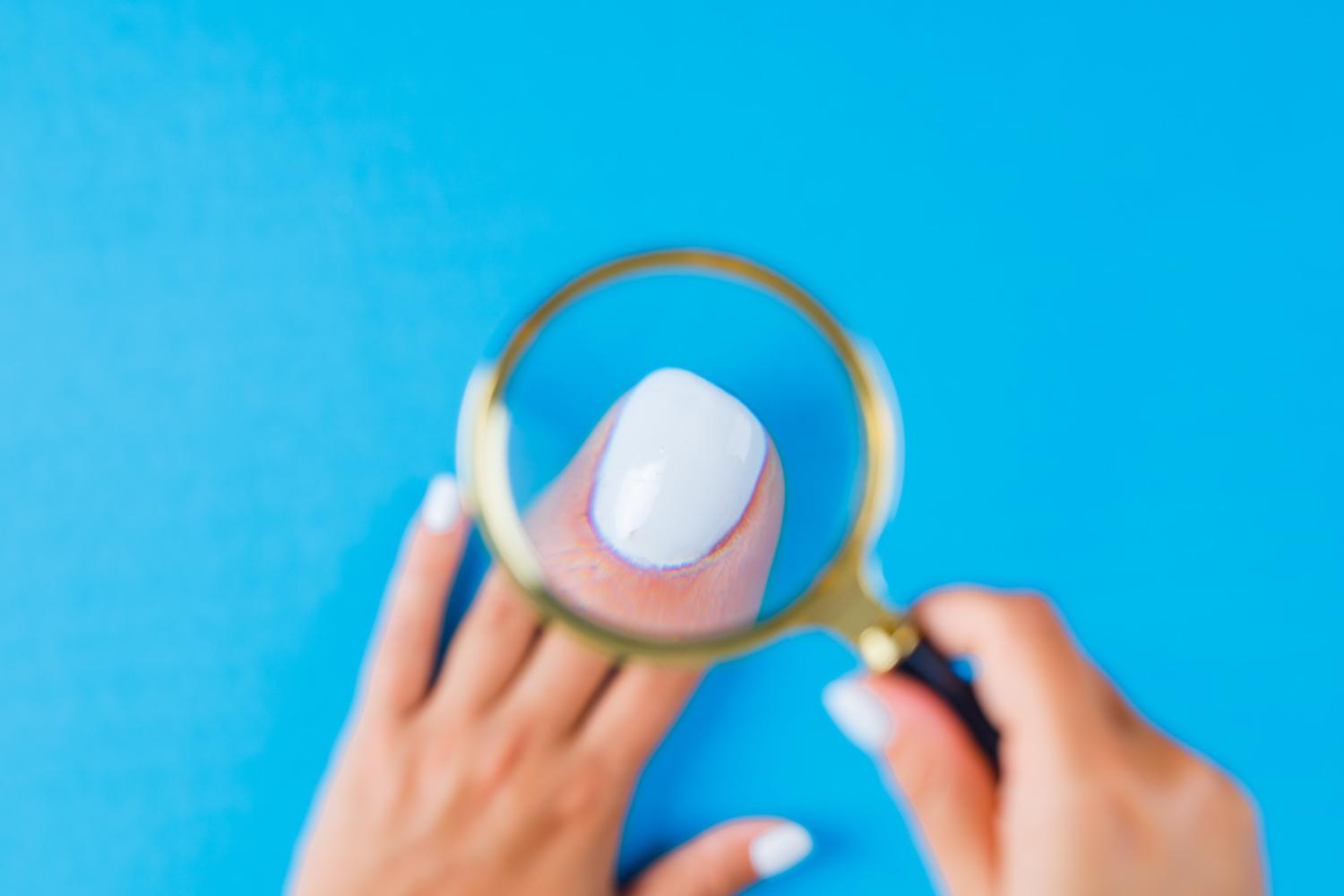
Changes in the nails, such as discolouration, thickness, and brittleness, can be worrying, particularly if they are not self-limiting. Previously, diagnosing these problems involved a trip to the clinic. But these days, with the advent of telemedicine dermatology services, accessing doctor-prescribed toenail fungus treatment and expert care for nail issues has never been quicker or more convenient.
If you’re experiencing symptoms and wondering how remote diagnosis works, here’s exactly how telehealth is changing the way thick yellow toenails are diagnosed and treated.
What Makes Toenails Thick and Yellow?
One of the most prevalent causes of thick, yellow nails is onychomycosis, a fungal infection that grows under or in the nail. It frequently starts gradually but can progress over time if addressed.
Common symptoms are:
- Discoloration (yellow or white)
- Thick nail structure
- Crumbly or brittle edges
- Deformed nail shape
The most common cause is fungal infections; however, other illnesses, such as trauma or psoriasis, can also give rise to comparable symptoms. Which is why diagnosis is so important.
Step 1: Detailed Assessment of Symptoms
The telemedicine consultation usually starts with a prepared questionnaire. Patients give information about:
- At the time of the onset of symptoms
- Changes in nail thickness or colour
- Any soreness or ache
- Previous therapies attempted
This initial assessment allows the dermatologist to understand the course and severity of the condition before recommending dermatologist-developed prescription treatments following the visual examination.
Step 2: Upload Quality Images
Clear photographs are the basis of remote diagnostics. Patients are urged to send in pictures of the afflicted nails from different angles in excellent light.
These pictures enable the dermatologist to assess:
- Patterns & color shifts
- Nail thickness and texture
- Spread of the disease through the nails
Experienced dermatologists can often tell by looking if someone has a fungal infection, especially if the signs are usual.
Step 3: Medical History Check
Diagnosis also requires assessing the patient’s general health. During the telehealth consultation, the provider might review:
- Pre-existing medical conditions
- Medications you are taking
- Footwear and hygiene are lifestyle factors.
This helps to rule out other possible causes and to ensure that any proposed treatment will be safe and appropriate.
Step 4: Find the Most Probable Cause
The dermatologist considers the mix of symptoms, pictures, and medical history and makes a decision as to whether the condition is likely fungal or due to another problem.
If there is strong evidence that it is a fungal infection, therapy often can begin quickly. If the diagnosis is not clear, the clinician may prescribe more testing or an in-person follow-up.
Step 5: Your Personalized Treatment Plan
After diagnosis, your dermatologist will develop a treatment plan specific to you and your thick yellow toenails. This can include:
- Topical medicines for prescriptions
- Oral antifungal medication (if required)
- Hygiene and prevention [Tips]
Not only are we treating the obvious symptoms, but we are eradicating the virus at its source and preventing recurrence.
How Accurate Is An Online Diagnosis?
Telehealth dermatology has been shown to be quite beneficial for numerous skin and nail disorders. For common problems like nail fungal infections, a patient’s history and a visual diagnosis are typically enough.
Dermatologists are educated to see patterns and symptoms that signal particular illnesses. Remote diagnosis can be accurate and efficient with the use of good photos and thorough information.
Advantages of Using Telehealth for Nail Problems
Ease
You can get advice from a specialist from your house without booking in-person visits or traveling.
Quicker Care Access
Telehealth does not have long wait times. You can start therapy sooner.
Operational Monitoring
Patients can post updates on their progress effortlessly and get help on follow-up online.
Privacy & Policy
Telehealth offers a confidential way for anyone concerned about the health of their nails to obtain care.
How to Choose a Telehealth Provider
The success of a remote diagnosis depends on the specialist skills of the physician. Choose a trustworthy platform, and you will be certain to get accurate assessments and successful treatment plans.
GetMyStride connects patients with competent dermatology doctors specializing in nail issue treatment through telemedicine. The simplified method makes it easy to get diagnosed and into therapy quickly.
Final Thoughts
Thick yellow toenails can be more than simply a cosmetic problem. They can also be an indication of an underlying infection that requires the right treatment. With today’s technology, you can receive expert treatment without ever leaving your house.
With a trained telehealth dermatologist, you may get a solid diagnosis and start thick yellow toenails treatment from the comfort of your home.
But early intervention with the right treatment plan can restore nail health and prevent the problem from progressing, making telehealth a sensible and effective choice for patients today.
One of the most time-sensitive cases in the field of dentistry is a knocked-out tooth, which is also known as an avulsed tooth. It can mean the difference between preserving your own natural tooth and having to have a permanent replacement tooth after a sports injury, a fall, or an accident. In case you are already in this crisis, you have just one thing to do, which is to seek emergency dental care as your highest priority.
In our practice, we are aware of the stress that results in oral trauma. Our 30+ years of experience have enabled us to guide numerous patients through such emergencies in a calm, truthful, and informed manner.
First Aid: What to Do When a Tooth is Knocked Out
If a permanent tooth is knocked out, the periodontal ligaments attached to the root begin to die almost immediately. To improve the chances of successful replantation, take into consideration the following crucial steps:
Tooth Only to be dealt with by the Crown
The chewing surface of the tooth is called its crown. Do not touch the root, which may cause the fine fibers that the tooth requires to reconnect with the bone to be destroyed. Get it wet with water or milk in case the tooth is dirty. Should not be washed, sprayed, or scrubbed on the tooth, but this will kill the living tissue.
Keep Tooth Moist
To ensure that the tooth is alive, it is important that the tooth remains hydrated. If possible, try to gently place the tooth back into its socket and hold it there with light pressure. Unless it is an option, store the tooth in a small container of milk or in a tooth preservation kit. In a pinch, tucked inside the cheek is an alternative, though this is not recommended for young children who might swallow it.
Emergency Treatment and Replantation by a Professional
Once you arrive at the office, the clinical goal is to splint the tooth back into place. The body can, in many cases, repair the attachment in a few weeks by keeping the avulsed tooth against the neighboring healthy teeth. But even if successfully replanted, the tooth itself might one day need a root canal treatment, since the blood supply to the inner pulp was damaged in the injury.
Replacement Tooth Cosmetic Replacement Options
In other cases, a tooth may not be saved because of a large amount of bone or root damage. In such situations, contemporary restorative dentistry provides several options to restore your smile with beautiful and durable outcomes.
Dental Implants: The Ultimate Solution
One of the most popular concepts of the replacement of a tooth is a dental implant. It is done by inserting a titanium post in the jawbone to serve as a root, which is subsequently topped with a customized crown. The solution not only helps to avoid bone loss, but also appears precisely like a natural tooth.
Crowns and Braces for the Teeth
In case you cannot be a candidate for implants, a dental bridge is a good alternative. A bridge is based on the healthy teeth on both sides of the gap that become anchors to hold a prosthetic tooth in between. This will fill the gap and will make your smile functional and beautiful again.
Conclusion: Special Attendance When You Require It
Dental emergencies are uncertain, but what you expect to do with your provider should not be uncertain. Be it a need to have immediate replantation or even exploring cosmetic services to fill a gap in your smile, the working relationship with an experienced Dentist League City expert will help to ensure that you obtain the best of care.
Since 1992, we have been Making People Smile at Miller Dentistry. And with a convenient location on Marina Bay Drive, Dr. Brad Miller and his team are devoted to delivering comfortable, lasting dentistry that you can rely upon. In case you have a dental injury, then call us today so that you can book an appointment.
FAQs:
How long will a tooth remain out of the mouth and yet be saved?
Preferably, within 30-60 minutes, a dentist may replace a tooth. The rate of success of the tooth reattaching to the bone reduces considerably after an hour, but it is possible in some cases.
Would a knocked-out baby tooth be a dental emergency?
While you should still call us for an exam to ensure no other damage occurred to the gums or permanent teeth underneath, we typically do not replant primary (baby) teeth. This may end up harming the growing permanent tooth bud.
Is the cost of dental implants covered by insurance following an accident?
Cover is different from your unique plan. Some policies offer benefits to restorative work that is the result of an accident. Our group can assist in taking you through your insurance information to obtain the best benefits.
What would happen if I did not find the tooth that had been knocked out?
If the tooth has been lost, there is no need to panic. We provide various types of cosmetic dentistry treatments, such as bridges and implants, to restore your appearance and comfort in chewing.
-

 Blog7 months ago
Simpcit6: Redefining Simplicity in a Complex World
-

 Blog11 months ago
Baddi Hub: An Emerging Industrial and Business Hotspot
-

 food12 months ago
Calamariere: How to Perfectly Prepare at Home
-

 Technology11 months ago
YourAssistantLive com: The Future of Smart Digital Assistance
-
 Health10 months ago
Nerovet AI Dentistry: Enhancing Patient Experience and Treatment Outcomes Dental Care
-

 Crypto12 months ago
Crypto30x.com vs Other Crypto Sites – Best Bitcoin Tools?
-

 Technology7 months ago
Voomixi com: The Digital Platform Redefining Online Interaction
-

 Business9 months ago
Top Benefits of Using Quality Wire Rope Lube in US Heavy Industry