
HomeImprovment
Home Buyer Strategy: Adapting to Market Trends


The real estate market is continually evolving, and buyers will face both new opportunities and distinct challenges. Whether you are a first-time buyer or a seasoned investor, staying ahead of these trends can make all the difference in your home search. For those considering a move, resources like Your Home Wichita offer valuable insights and tools specifically tailored to local markets.
As the economic environment stabilizes post-pandemic and more homeowners prepare to list their properties, understanding key indicators such as mortgage rates, inventory levels, and emerging buyer preferences has never been more essential. These shifts are not only impacting price points but also influencing how people approach the process of homeownership, from financing methods to the types of properties they seek.
Buyers are becoming increasingly tech-savvy, adopting innovative methods to secure their dream homes, while sellers are responding by offering features that cater to modern needs, such as sustainability and smart home capabilities. Changing market conditions are further prompting a regional divide in affordability, demand, and available inventory.
With competition intensifying in some metros and easing in others, thorough preparation and insider knowledge have become indispensable. Understanding the broader context provided by resources such as Forbes’ housing market predictions can also help inform your approach in this ever-evolving landscape.
Mortgage Rates: A Gradual Decline
The forecast suggests that mortgage rates will trend downward, offering prospective buyers some financial breathing room. Analysts currently project average rates to fall to approximately 6.6% by year’s end, down from the peaks experienced in 2023 (Redfin). These lower rates could increase buying power, unlock pent-up demand, and entice more homeowners to list their properties, further stimulating the market.
Home Prices: A Slight Dip
After several years of steady gains, home prices are predicted to see a modest decrease in many markets. Redfin reports that slight price dips are expected, in part due to the anticipated increase in housing inventory and a more balanced supply-demand dynamic. For buyers who were previously priced out, this could present a new window of opportunity, especially in suburban and secondary markets.
Housing Inventory: An Uptick in Listings
The market is poised for a boost in available homes, thanks to the easing of the “lock-in” effect, where homeowners were previously hesitant to sell due to high mortgage rates. As rates tick lower, more sellers are expected to enter the market, leading to increased choices and potentially moderating price competition for buyers.
Younger Buyers: Innovative Approaches
Homeownership remains a top priority for millennials and Gen Z, but their paths to achieving this goal differ from those of previous generations. Younger buyers are increasingly leveraging co-buying arrangements with friends or siblings, prioritizing investments in up-and-coming markets, and seeking creative financing options such as shared equity programs. Many are also depending on family support for down payments or tapping into side hustles to supplement their income.
Sustainability and Smart Homes: The New Norm
Environmental and technological advancements are increasingly influencing buyer decision-making. Demand for energy-efficient homes, solar panels, low-flow water fixtures, and EV charging stations is on the rise. Additionally, smart home technology—such as security cameras, smart thermostats, and voice-controlled assistants—has evolved from a luxury to an expectation in many regions, a trend that brokers and sellers are leveraging to attract discerning buyers. As noted by Mortgage Rater, sustainability and automation are now powerful selling points in the real estate market.
Regional Variations: A Closer Look
Real estate is hyper-local, with trends and opportunities varying dramatically by region. For instance, cities like Tampa, Phoenix, and parts of the Midwest are seeing robust activity by first-time and younger buyers. Conversely, major coastal cities continue to grapple with affordability and inventory constraints. Buyers need to stay informed about their specific local markets, leveraging reliable sources and local expertise to make well-informed choices.
Affordability Challenges: Overcoming Barriers
Rising prices and rates may have cooled slightly, but affordability remains a prominent challenge—especially for first-time buyers. Down payment requirements, competition from cash buyers, and the increasing cost of living all place pressure on household budgets. To navigate these barriers, buyers are turning to targeted government assistance programs, considering different types of mortgage products, and exploring less conventional neighborhoods for better deals.
Conclusion
The housing market is defined by shifting mortgage rates, moderate pricing corrections, expanding inventory, and a wave of innovative buyers. As green technology and smart features continue to evolve, and with regional trends creating unique opportunities across the country, buyers must equip themselves with up-to-date resources and flexible strategies. By combining market insights, local expertise, and a willingness to adapt, today’s homebuyers can confidently pursue their real estate goals despite an ever-changing landscape.
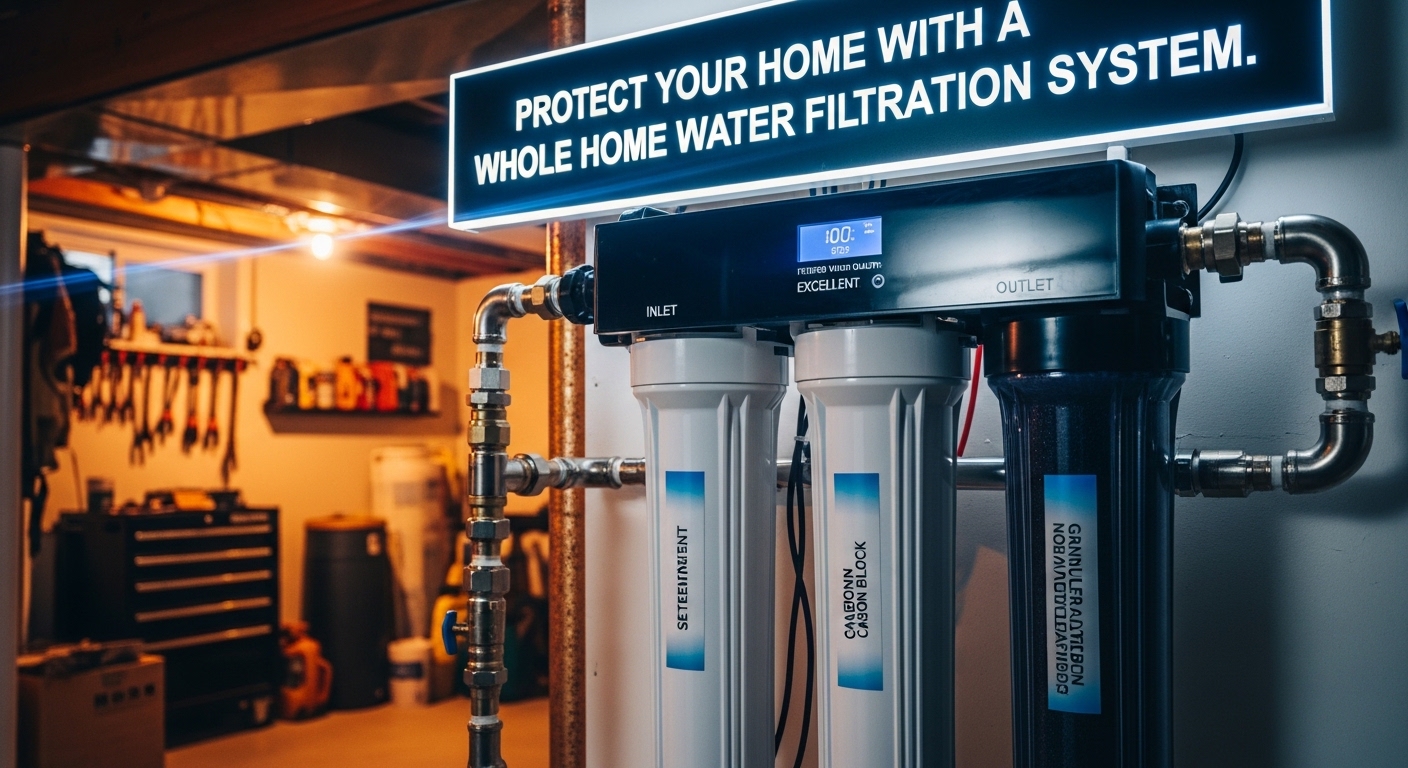
Water is one of the most essential elements for our health, yet the quality of water in many homes can be less than ideal. Many homeowners often overlook the impurities that could be lurking in their tap water, affecting everything from their drinking water to the appliances they use. The solution? A whole home water filtration system. In this post, we’ll explore why every home should consider this upgrade, the benefits it offers, and how it works to improve your daily life.
What is a Whole Home Water Filtration System?
A whole home water filtration in St. Charles, MO system is designed to filter all the water that enters your house. Unlike individual filters attached to faucets or pitchers, this system treats the water as it comes into your home, ensuring that every tap, shower, and appliance is using clean, filtered water.
These systems vary in technology and complexity, but all are built to remove common contaminants like chlorine, bacteria, and minerals found in hard water. By providing whole-house filtration, these systems deliver consistent, clean water to every part of your home.
Benefits of Whole Home Water Filtration
Health Benefits
One of the main reasons homeowners opt for a whole home water filtration system is to improve health. Tap water often contains chlorine, pesticides, heavy metals, and bacteria, which can affect your health over time. A filtration system removes these impurities, ensuring that the water you drink and bathe in is clean and safe.
The removal of chlorine, in particular, can lead to healthier skin and hair. Chlorine can dry out your skin and hair, but with a filtration system in place, your skin stays moisturized, and your hair remains softer.
Protecting Your Home’s Plumbing
Another important benefit of a whole home water filtration system is its ability to protect your plumbing and appliances. Hard water, which contains high levels of calcium and magnesium, can cause scale buildup in pipes, water heaters, and dishwashers, reducing the efficiency of these systems over time. A water filtration system can help prevent this by softening the water and removing mineral deposits.
By preventing this scale buildup, you can extend the lifespan of your appliances and avoid costly repairs and replacements in the future.
Common Contaminants Found in Your Home’s Water
Understanding the types of contaminants that could be in your water helps highlight why filtration is so important. Some common issues include:
- Chlorine: Used by water treatment plants to kill bacteria, chlorine can leave your water with a strong, unpleasant taste and odor.
- Lead: Often found in older pipes, lead can leach into drinking water and cause severe health problems, especially for young children.
- Hard Water: High levels of minerals like calcium and magnesium can cause buildup in pipes and appliances, leading to inefficiency and damage.
While many of these contaminants are regulated by local water authorities, they can still slip through, especially if your water pipes are old or if you’re on a private well. A whole home water filtration system ensures that all contaminants are filtered out, providing your family with clean, healthy water.
How to Choose the Right Whole Home Water Filtration System
Selecting the right water filtration system depends on several factors. Here are a few things to consider:
- Water Usage: Larger homes with more water usage may require a more robust system to handle the demand.
- Filtration Technology: Systems can use various methods to filter water, including carbon filtration, reverse osmosis, and UV disinfection. Research the best option for your needs.
- Maintenance Requirements: Some systems require regular maintenance, such as filter replacement. Be sure to choose a system that matches your lifestyle and maintenance preferences.
Installation and Maintenance of Whole Home Water Filtration Systems
Installing a whole home water filtration system typically involves a professional plumber who will set up the system where the water enters your home. This ensures that all incoming water is filtered before it reaches any faucets or appliances.
Maintenance of these systems is relatively straightforward. Most systems require filter changes every few months, but some may need more frequent upkeep depending on the water quality in your area. Be sure to follow the manufacturer’s guidelines to keep your system working at its best.
Conclusion
Investing in a whole home water filtration system is one of the smartest moves you can make for the health and longevity of your home. Not only does it ensure safe, clean water for drinking, cooking, and bathing, but it also protects your plumbing and appliances from the damaging effects of contaminants. If you’re concerned about the quality of your water, it’s time to explore the benefits of whole home water filtration.
By installing a filtration system, you’ll be taking a significant step toward improving your home’s water quality, enhancing your family’s health, and preserving your home’s plumbing.
For those living in St. Charles, MO, it’s easy to get started with a whole home water filtration in St. Charles, MO. Don’t wait—make the change today for a cleaner, healthier home.

When a pipe bursts or a drain clogs, the expertise of a skilled plumber transforms a household crisis into a manageable inconvenience. Studies have shown that prompt and effective plumbing repairs not only resolve immediate issues but can also prevent long-term property damage. Homeowners who choose to hire local plumbers often benefit from rapid response times and community-focused service excellence.
Local plumbers are adept at providing services that are tailored to the unique needs of the community they serve. This personalized approach can lead to more efficient and satisfactory home repair experiences. In this article, we delve into the manifold ways that hiring local plumbers can revitalize home maintenance and repair practices.
Local Plumbers and Personalized Home Repair Services
Hiring local plumbers often translates into receiving more personalized and attentive services tailored to individual homeowner needs. These professionals not only understand local building codes and regulations but are also familiar with common residential issues in the area. local plumbers
From the installation of water-efficient appliances to solving unique plumbing puzzles, local experts bring a level of customization to the table that larger companies may struggle to match. Their proximity to clients allows them to forge strong relationships, often translating into better understanding and service for homeowners.
When seeking the best local plumber, homeowners should consider the range of services offered, the reputation within the community, and the responsiveness to service calls. Personal recommendations and reviews can be invaluable in making a selection that ensures high-quality, tailored plumbing solutions.
Streamlining Repair Processes with Proximity Advantage
The geographical closeness of local plumbers provides a significant edge in streamlining repair processes. They can often respond faster to emergencies, reducing the risk of water damage and the potential costs associated with it. Proximity enables local plumbers to offer quick diagnostic visits and follow-up appointments with minimal delay.
This expedited service is not just about reduced travel time; it’s about community members helping each other in times of need. Because local plumbers operate within a smaller radius, they have the capacity to provide more focused and scheduled maintenance, preventing problems before they escalate. This approach can save homeowners money in the long run by avoiding emergency call-out fees and expensive repairs.
Homeowners are encouraged to establish a regular maintenance plan with a local plumbing professional. This strategy ensures that small issues are caught early and resolved quickly, thereby circumventing the need for more complex and costly interventions later on.
Enhancing Home Value through Expert Local Plumbing Interventions
High-quality local plumbing work not only addresses immediate repair needs but also contributes to the overall value of your property. Upgrading fixtures, correcting chronic plumbing issues, and ensuring systems are up to code can elevate a home’s appeal in the real estate market.
Local plumbers are well-versed in the latest technologies and can offer advice on the best materials and products for durability and efficiency, making future-proofing decisions more accessible for homeowners. Implementing these improvements enhances long-term property value and can be a compelling selling point for prospective buyers.
To maximize this aspect of home improvement, it’s recommended that homeowners work with local plumbers who have a proven track record of reliable and advanced plumbing solutions. Evaluating portfolios of completed projects and testimonials can guide owners in choosing the right professional for upscale renovations and repairs.
Building Trust and Reliability with Your Neighborhood Plumbing Professionals

One of the quintessential benefits of hiring local plumbers is the establishment of a trustworthy relationship. Repeat business with a local service provider fosters a sense of accountability and dependability that is invaluable during home repair emergencies.
Supporting local businesses also contributes to the local economy, ensuring that the quality of work remains high and services are continually improved. Local plumbers are more likely to go the extra mile for their neighbors to maintain their reputation within the community, resulting in a higher standard of service for homeowners.
To build a strong, trustful relationship with neighborhood plumbing professionals, homeowners should communicate openly about their expectations and experiences. This feedback loop can help refine the plumber’s services and can ensure that homeowners receive fully satisfactory repair work and customer service.
Ultimately, hiring local plumbers brings a multitude of benefits to homeowners, from personalized service to rapid response times and enhanced property value. Embracing the unique knowledge and community spirit of neighborhood professionals not only streamlines repair processes but also strengthens the fabric of local trade and service quality. Ensuring your home’s plumbing needs are met by trusted local experts is an investment in both the immediate functionality of your property and its long-term worth.
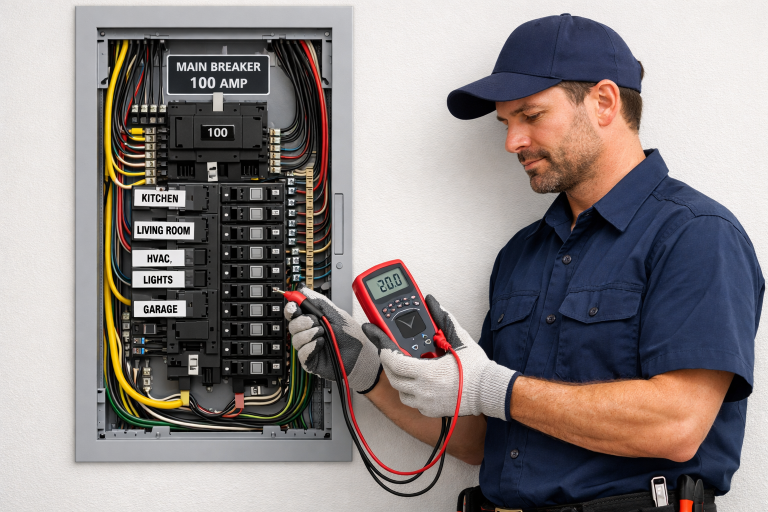
Modernizing your home’s electrical system is a priority for safety, efficiency, and managing the increased demands of today’s appliances. Whether you are considering new home enhancements or upgrades to an existing property, making informed electrical improvements is crucial. Homeowners searching for an experienced electrician in Sun City can ensure that all upgrades comply with the latest safety codes and meet current energy needs.
With constant advances in technology and new appliances entering households every year, aging electrical systems can quickly fall behind in terms of standards and safety. Upgrading not only protects residents from hazards but also boosts the value and performance of a home’s power infrastructure. Consulting experts and prioritizing proper installation can make all the difference in avoiding unnecessary risks and costly repairs.
The typical American home now contains a wide variety of sensitive electronics and high-demand equipment, from entertainment systems to smart appliances and electric vehicles. These tools require steady, reliable, and safe power delivery, which only modern upgrades can guarantee. Even with basic knowledge, it is important to work with professionals who understand the complexities of these systems.
Before moving forward with electrical improvements, seeking guidance from a qualified certified electrician will help you identify the best solutions tailored for your home’s age, size, and future-proofing needs.
Upgrading the Electrical Panel
With the influx of high-wattage appliances and charging stations for electric vehicles, an outdated electrical panel is not just inconvenient. It is unsafe, prone to frequent circuit breaker trips, and even poses a fire risk. Modern homes typically need service panels rated for at least 200 amps to accommodate increased power consumption. Panels more than 25 to 40 years old may not comply with today’s safety codes or provide the protection that new circuits and devices require. Leading sources like Family Handyman recommend routine evaluation and timely replacement of old panels to minimize overloads and support future upgrades.
Upgrading your panel can also make it easier to integrate smart energy management systems or future-proof your home for renewable energy solutions, such as solar panels or battery storage systems. These modern panels can often be expanded or upgraded with additional circuit breakers as your needs evolve. It’s vital to select a licensed electrician with experience in energy-efficient homes to guide you through the process, handle permitting, and guarantee code compliance.
Replacing Outdated Wiring
Many older homes feature knob-and-tube or aluminum wiring that can degrade, leading to overheating, shorts, or an increased risk of electrical fires. In addition to safety concerns, insurance companies often refuse coverage for properties with obsolete wiring methods. Modern copper wiring is the industry standard, providing superior conductivity, enhanced fire resistance, and greater compatibility with energy-efficient appliances. According to the National Fire Protection Association, updating home wiring is one of the most effective steps for fire prevention and long-term peace of mind.
It’s important to assess not only visible wiring but also the condition of connections behind walls, in attics, and in basements. Hidden issues, such as brittle insulation or loose splices, can be uncovered by thorough electrical inspections. Wiring upgrades can also provide additional circuits to support home offices, workshops, or new lighting layouts, enabling greater customization and efficiency. Your electrician can install upgraded wiring with minimal disruption by strategically routing and repairing existing wiring.
Installing GFCI and AFCI Outlets
Electrical codes now require ground-fault circuit interrupters (GFCIs) and arc-fault circuit interrupters (AFCIs) in most rooms. GFCIs are engineered for locations exposed to moisture, such as bathrooms, kitchens, and laundry rooms, where they protect against shock hazards by shutting off power when irregular currents are detected. AFCIs target arc faults concealed within walls and behind outlets that stem from damaged wiring or loose connections, reducing fire risks in bedrooms and living areas. These modern outlets are an easy yet vital upgrade for creating a safer, more compliant home environment.
Today’s GFCI and AFCI outlets often feature indicator lights or built-in testers, making it simple for homeowners to monitor and maintain their safety features. By installing the latest devices, you can detect issues more quickly and reduce potential downtime caused by tripped circuits. Replacing old receptacles with these advanced outlets is a cost-effective step toward comprehensive, up-to-date home safety. Not only do these outlets protect your family, but they can also reduce insurance premiums and improve resale value.
Whole-Home Surge Protection
Lightning strikes, faulty utility lines, or even standard switching of electrical devices can cause sudden voltage spikes harmful to electronics and appliances. Installing a surge protector at the main electrical panel intercepts these surges before they can harm TVs, computers, HVAC systems, and smart home devices. Whole-home protection is far more reliable than relying on point-of-use surge strips. Guidance from This Old House confirms that surge protection is now a must in any comprehensive electrical safety strategy.
Including surge protectors during an electrical upgrade also means your home is prepared for the technology upgrades on the horizon. As more households add smart thermostats, charging stations, and security systems, it becomes increasingly important to shield sensitive circuits. A licensed electrician can recommend devices rated for your specific power requirements and even coordinate surge protection with other home upgrades, like solar installations or backup generators.
Regular Maintenance and Safety Checks
Routine safety checks by licensed electricians are crucial for identifying issues like loose connections and outdated components. Yearly inspections can prevent outages, detect corrosion, and ensure proper functioning of GFCIs and AFCIs. These checkups also offer opportunities to upgrade, such as installing LED fixtures and new protective devices, enhancing safety and efficiency. Investing in electrical upgrades not only protects your home and family but also boosts property value and supports modern technology.
Conclusion
Upgrading and maintaining your home’s electrical system is essential for safety, efficiency, and long-term functionality. Modernizing panels, replacing outdated wiring, installing GFCI and AFCI outlets, and adding whole-home surge protection all reduce fire risks, protect appliances, and ensure compliance with current codes. Regular inspections and proactive maintenance help uncover hidden hazards, support new technology, and prepare your home for future energy needs. By partnering with licensed electricians for these improvements, homeowners not only safeguard their families and property but also enhance comfort, convenience, and overall home value.
-

 Blog2 months ago
Simpcit6: Redefining Simplicity in a Complex World
-

 Blog6 months ago
Baddi Hub: An Emerging Industrial and Business Hotspot
-

 Technology6 months ago
YourAssistantLive com: The Future of Smart Digital Assistance
-

 food6 months ago
Calamariere: How to Perfectly Prepare at Home
-

 Health5 months ago
Nerovet AI Dentistry: Enhancing Patient Experience and Treatment Outcomes Dental Care
-

 Technology2 months ago
Voomixi com: The Digital Platform Redefining Online Interaction
-

 Technology5 months ago
Anonibs: The Trending Anonymous Image Board Platform
-

 HomeImprovment5 months ago
Acamento: How Finishing Techniques Define a Building’s Style