
Health
Innovative Dental Implant Techniques That Transform Smiles

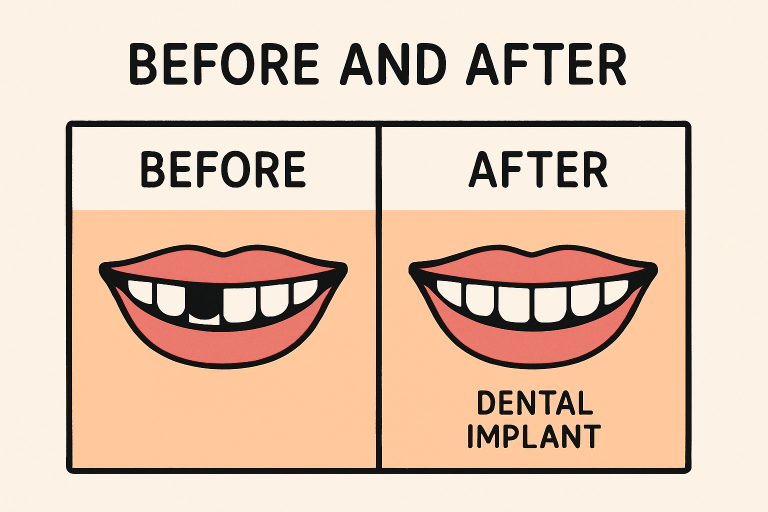
Dental implants have revolutionized restorative dentistry, providing reliable and aesthetically pleasing solutions for individuals with missing teeth. Through ongoing innovation, modern implant techniques deliver excellent function and natural appearance, allowing patients to regain confidence in their smiles while improving oral health. Specialists at the Pikos Institute and other leading centers continue to advance the field by embracing cutting-edge implant technology.
The latest advancements in dental implantology have streamlined procedures and outcomes for both dentists and patients. Today, patients benefit from faster recovery periods, immediate functional results, and reduced discomfort thanks to highly precise approaches and state-of-the-art materials. These techniques are tailored to address various oral health needs, delivering transformative results not achievable with traditional methods.
Same-Day Dental Implants: Immediate Results
Historically, dental implant therapy involved multiple steps and extended healing intervals, often requiring months before the final prosthesis could be attached. This lengthy process posed a challenge for many patients, particularly those seeking rapid results after tooth loss. Thanks to developments in implant design and surgical protocols, same-day dental implants are now achievable for suitable candidates. This technique enables patients to enter a dental clinic with gaps in their smile and leave hours later with fully functional teeth.
The same-day approach minimizes disruptions to a patient’s schedule and lifestyle, as there is less waiting and fewer visits. Additionally, immediate implant placement often helps preserve bone structure and gum tissue, which are critical elements in achieving a natural-looking outcome. According to the American Society of Implant & Reconstructive Dentistry, this innovation greatly enhances the patient experience and helps maintain oral health after tooth loss.
Stent-Based Techniques: Precision in Smile Makeovers
Composite smile makeovers once required meticulous, time-consuming application processes that were heavily dependent on a dentist’s manual skill. Stent-based techniques have transformed this landscape. By leveraging stents with built-in tooth separators, practitioners can apply composite material to multiple teeth simultaneously, ensuring uniformity and symmetry. This not only saves valuable chair time but also improves the consistency and quality of the final results. The precision supported by these devices empowers dentists to create beautifully natural smiles more efficiently than ever before.
Patients benefit through shorter appointments and more predictable outcomes. Especially when targeting aesthetic enhancement across multiple teeth, this technology offers an effective path to achieving a harmonious, radiant smile.
All-on-4 Implants: Full-Arch Restoration with Fewer Implants
For patients with significant tooth loss or diminished bone volume, the All-on-4 technique provides a revolutionary solution. In this method, four implants are strategically placed at angles within the jaw to anchor a full-arch prosthesis. Unlike conventional implants, which often necessitate bone grafting where bone is lacking, All-on-4 can typically be performed without such supplementary procedures. This approach leverages available bone, using precise placement for maximum stability and support.
The immediate loading protocol allows most patients to receive a full set of teeth on the same day as surgery, greatly improving quality of life and self-esteem. The streamlined process is an attractive option for those seeking comprehensive rehabilitation with minimal surgical intervention. According to the American Society of Implant & Reconstructive Dentistry, innovations like All-on-4 have dramatically expanded options for those in need of complete dental restoration.
Root-Analogue Implants: Custom-Fit Solutions
Traditional cylindrical implants may not always provide an ideal fit, particularly when the root anatomy is unique or irregular. Root-analogue implants are designed as custom replicas of the extracted tooth root. Manufactured using exact digital impressions or scans, these implants are placed directly into the tooth socket after extraction for a seamless, anatomical fit. Because they closely mirror the original root, surgical trauma is reduced, and healing is often faster, with better integration into the surrounding bone.
These bespoke solutions are especially useful for patients with unique biological needs or when function and aesthetics must closely match the patient’s natural dentition.
Osseointegration: The Foundation of Implant Success
The cornerstone of dental implant longevity and performance is osseointegration, the process in which bone tissue securely bonds to the implant’s surface. Without proper osseointegration, implants may fail to achieve the necessary stability for daily function. Advances in surface technology, such as improved surface texturing and biomimetic coatings, have significantly enhanced the rate and quality of osseointegration. As materials and design standards evolve, modern implants are setting new benchmarks for durability and comfort.
Thorough understanding and application of osseointegration principles ensure the predictability and success of even the most complex restoration cases, thereby increasing patient satisfaction for years to come.
Final Thoughts
Dentistry’s continuous evolution has ushered in an era where rapid, effective, and natural-looking dental restorations are accessible to more people than ever. From same-day implants to highly individualized root-analogue solutions, these advanced technologies prioritize patient comfort and deliver unmatched functional and aesthetic results. By embracing precision methods and understanding the biological foundation of implant success, professionals are transforming the landscape of restorative dentistry and empowering individuals to reclaim their oral health and confidence.

Car accidents can change a person’s life in seconds. Even small collisions can lead to injuries that can affect the body for weeks, months, or even longer than that. Although some of the injuries are obvious right away, many of them are said to develop gradually over time. To make sure you recover properly, it is essential to take the correct approach to care. This is where a good orthopedic specialist doctor, along with a pain management program, comes in. They can help in diagnosing injuries, handle the ongoing pain well and treat the root cause. This post offers clear insight into how a good pain management program and an orthopedic physician can help in treating injuries after an auto accident.
What are Auto Accident Injuries?
Auto accidents usually cause damage to the musculoskeletal system, which consists of the joints, ligaments, muscles, and bones. All these injuries can range from mild to severe and might include the following:
- Spinal injuries and herniated discs
- Whiplash
- Ligament tears and muscle strains
- Dislocations and fractures
Such injuries are very common due to the strong forces involved in the collisions, even during low speeds. In many situations, symptoms, such as headaches, stiffness, or pain, might not appear instantly. Rather than that, they can develop in hours or days. This delayed response makes medical evaluations extremely important.
Orthopedic Specialist: How Do They Help?
An orthopedic expert keeps their focus on diagnosing and even treating the injuries linked to soft tissues, joints and bones. They offer their assistance in the following manner:
Proper Diagnosis
After the auto accident, it is not that easy to detect what is wrong. An orthopedic doctor takes the help of tools, such as MRIs and X-rays to spot spinal problems, ligament damage, and fractures. They have the skills to detect injuries that might not be obvious during the general check-up
Treating the Main Cause
Orthopedic specialists go beyond treating symptoms. They focus on fixing the actual injury. Here are some of the examples:
- A fracture may need immobilization or surgery
- A torn ligament may require therapy or repair
- A herniated disc may need targeted treatment
Early diagnosis and treatment can prevent long-term complications and improve recovery outcomes.
Restoring the Mobility and Function
One of the main goals of orthopedic care is to help patients regain movement and strength. Without proper treatment, injuries can lead to reduced mobility or chronic conditions. Early care helps restore normal function and prevent lasting damage.
The Significance of Pain Management
While orthopedic care keeps its focus on healing injuries, pain management focuses on enhancing the quality of life and comfort. Pain after an auto accident can be complicated. It might come from muscle tension, nerve irritation, and even inflammation. In some situations, it can become severe if it is not treated properly. Here is what pain management can do:
Control the Pain Early
Pain management specialists use different methods to reduce discomfort, including:
- Medications
- Physical therapy
- Injections
- Minimally invasive procedures
These treatments help control pain while the body heals.
Prevent Chronic Pain from Taking Place
If pain is not managed early, it can turn into a long-term condition. Some injuries, such as whiplash or spinal damage, may lead to ongoing pain if left untreated. A structured pain management plan helps prevent this progression.
Supports the Recovery
Pain can limit your ability to move, exercise, or attend therapy sessions. It reduces the pain, and treatment allows you to participate fully in rehabilitation, which improves overall recovery.
Conclusion
Auto accident injuries can be a lot more complex than they appear. From the long-term pain conditions to the hidden soft tissue damage, effective care is important for recovery. An orthopedic expert can help in diagnosing and treating the underlying injury. A good pain management plan, on the other hand, ensures that the discomfort is properly controlled and the recovery remains on track. Together, they can provide an effective and complete approach to healing. When you are looking for proper pain management in my area, visiting Injury Clinics of Arizona might be the right option. They do understand the value of this combined care, and they offer both customized pain management plans and orthopedic evaluations. They also help patients recover securely, regain their quality of life after the accident, and lessen the long-term complications.


-

 Blog2 months ago
Simpcit6: Redefining Simplicity in a Complex World
-

 Blog6 months ago
Baddi Hub: An Emerging Industrial and Business Hotspot
-
 Technology6 months ago
YourAssistantLive com: The Future of Smart Digital Assistance
-

 food6 months ago
Calamariere: How to Perfectly Prepare at Home
-
 Health5 months ago
Nerovet AI Dentistry: Enhancing Patient Experience and Treatment Outcomes Dental Care
-

 Technology2 months ago
Voomixi com: The Digital Platform Redefining Online Interaction
-

 Technology5 months ago
Anonibs: The Trending Anonymous Image Board Platform
-

 HomeImprovment5 months ago
Acamento: How Finishing Techniques Define a Building’s Style