
HomeImprovment
Modern Pool Design Trends for Residential Backyards

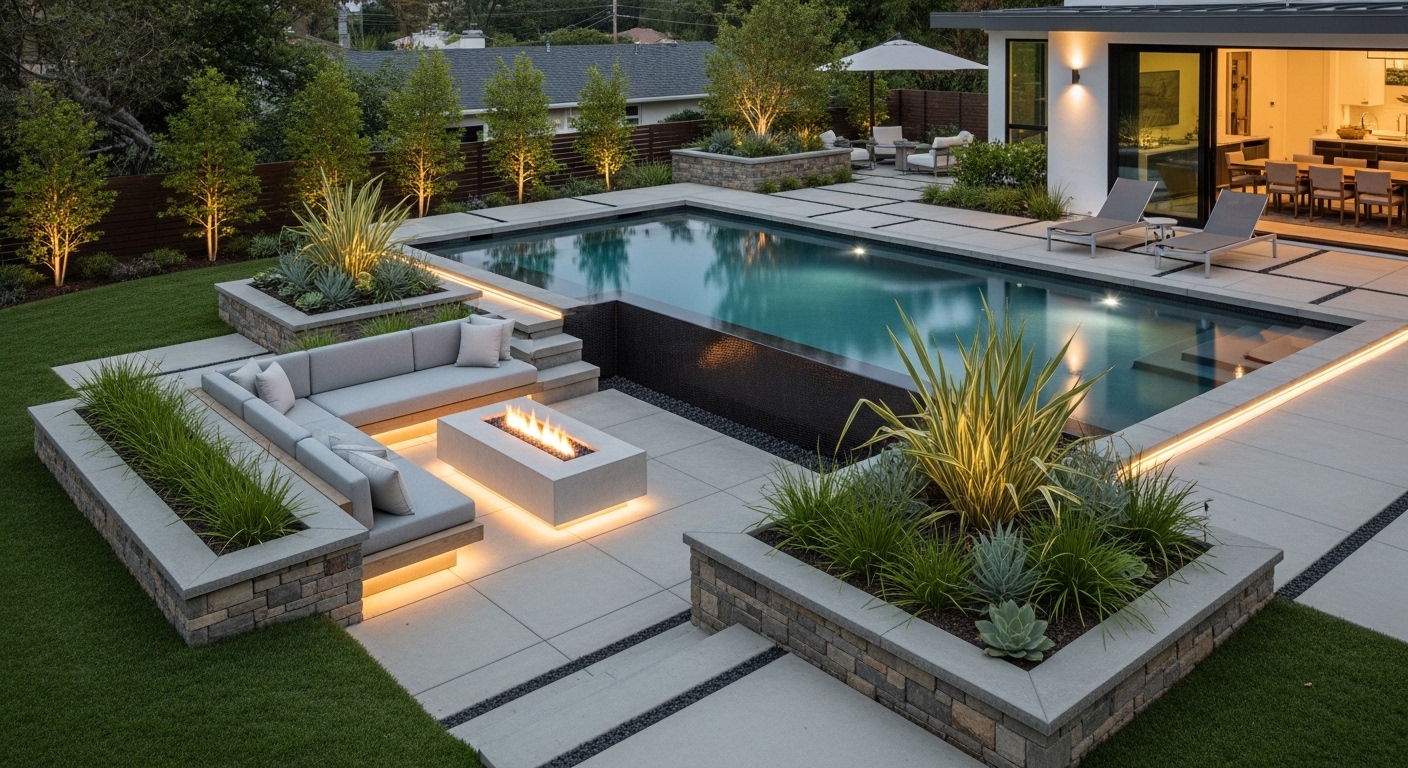
With the ever-evolving landscape of home improvement, transforming your backyard into a private paradise has become both attainable and desirable. By embracing the latest trends in pool design, homeowners are embracing ideas that combine style, innovation, functionality, and sustainability. With help from professional resources like Integrity Pool, you can be confident your vision will blend seamlessly with the industry’s leading advancements to create your personal oasis.
Contemporary pool designs focus on visual appeal and practicality, offering experiences that delight the senses and simplify maintenance. Trends highlight maximizing space, enhancing beauty, and supporting sustainability. These ideas include smart automation, bold aesthetics, natural pools, and LED lighting, providing creative options for any yard size or budget to make your outdoor space unique.
Geometric Pool Shapes
Modern pool shapes favor sleek lines and strong geometric forms over traditional, irregular ones. Rectangles, squares, and L-shaped pools deliver a contemporary aesthetic while maximizing usable space. These shapes suit both expansive and compact sites, providing an architectural clarity that blends perfectly with minimalist and modern landscaping. Features like infinity edges and in-pool seating often integrate seamlessly with geometric forms, producing a polished, cohesive look that appeals to the eye and enhances your swimming experience.
Smart Pool Technology
Today’s homeowners are increasingly turning to technology to simplify pool management. Smart pool systems allow users to monitor and control lighting, heating, and filtration remotely through their smartphones. Automation tools can also balance water chemistry, operate robotic cleaners, and even schedule maintenance cycles. These advancements not only provide convenience but also help improve energy efficiency and reduce costs over time.
Integrated Fire and Water Features
One of the most eye-catching trends is the integration of fire and water elements. Poolside fire bowls, fire pits along lounging areas, and cascading water features create dynamic visual contrasts while establishing inviting focal points for entertaining. These installations allow you to enjoy your outdoor retreat well into the evening and infuse the space with both ambiance and a sense of luxury. The interplay between fire and water is not just visually compelling but also extends the usability of your outdoor area during cooler nights.
Baja Shelves and Sun Ledges
Also known as tanning ledges, Baja shelves offer shallow platforms submerged in water, ideal for lounging, sunbathing, or unwinding without fully submerging. These features mimic resort experiences, making them popular in family-oriented pools where adults can relax while keeping an eye on children. Built-in umbrella stands and custom in-water loungers are becoming standard upgrades, adding comfort and convenience for the entire family.
Eco-Friendly and Sustainable Pools
Sustainability is central to modern pool design. Homeowners are increasingly turning to natural pools that use aquatic plants for filtration rather than chemicals, offering an environmentally conscious swimming experience. Eco-friendly equipment, such as variable-speed pumps and solar heaters, reduces electricity consumption and lowers the overall carbon footprint. These strategies offer long-term cost savings while supporting environmental stewardship.
Dark Pool Finishes
Dark pool finishes, such as deep gray or black plaster, deliver a high-end, mirror-like look. These finishes absorb sunlight more efficiently, naturally warming the water, making them ideal for cooler climates or shaded yards. The reflective surface adds depth and a mysterious elegance, making your pool appear larger and more luxurious. Dark interiors also mask debris, reducing the need for visible maintenance and complementing lush tropical landscaping.
Compact and Courtyard Pools
For smaller properties, compact pools, including plunge and cocktail pools, provide an upscale aquatic experience without overwhelming available outdoor spaces. These pools find a home in narrow side yards, inner courtyards, or on smaller lots where space is at a premium. Despite their size, they often include features like spas, waterfalls, or jets, blending relaxation with style in a cozy footprint.
Custom Lighting for Nighttime Appeal
Pool lighting has advanced from basic to sophisticated options like color-changing LEDs, fiber optic borders, and floating displays, creating dramatic nighttime atmospheres. Programmable settings let homeowners customize lighting for any occasion, enhancing gatherings or providing peaceful evenings. Custom lighting keeps the pool a focal point after sunset and extends outdoor enjoyment. Adopting modern trends maximizes your backyard’s value, beauty, and enjoyment, whether prioritizing energy efficiency, aesthetics, or automation, as today’s innovations enhance residential pools.
Conclusion
Incorporating modern pool design trends into a backyard creates a functional and visually appealing outdoor retreat. Current designs emphasize clean geometric shapes, smart automation, and eco-friendly systems, alongside dramatic fire-and-water features that balance aesthetics, comfort, and efficiency. Features like Baja shelves, custom lighting, and dark finishes enhance the atmosphere for both daytime and nighttime use, while compact pool options provide luxury even in smaller spaces. As homeowners increasingly seek personalized, sustainable outdoor solutions, these innovations cater to diverse lifestyles and property sizes. By integrating contemporary design and advanced technology, pools become extensions of the home, boosting enjoyment, usability, and long-term value year-round.
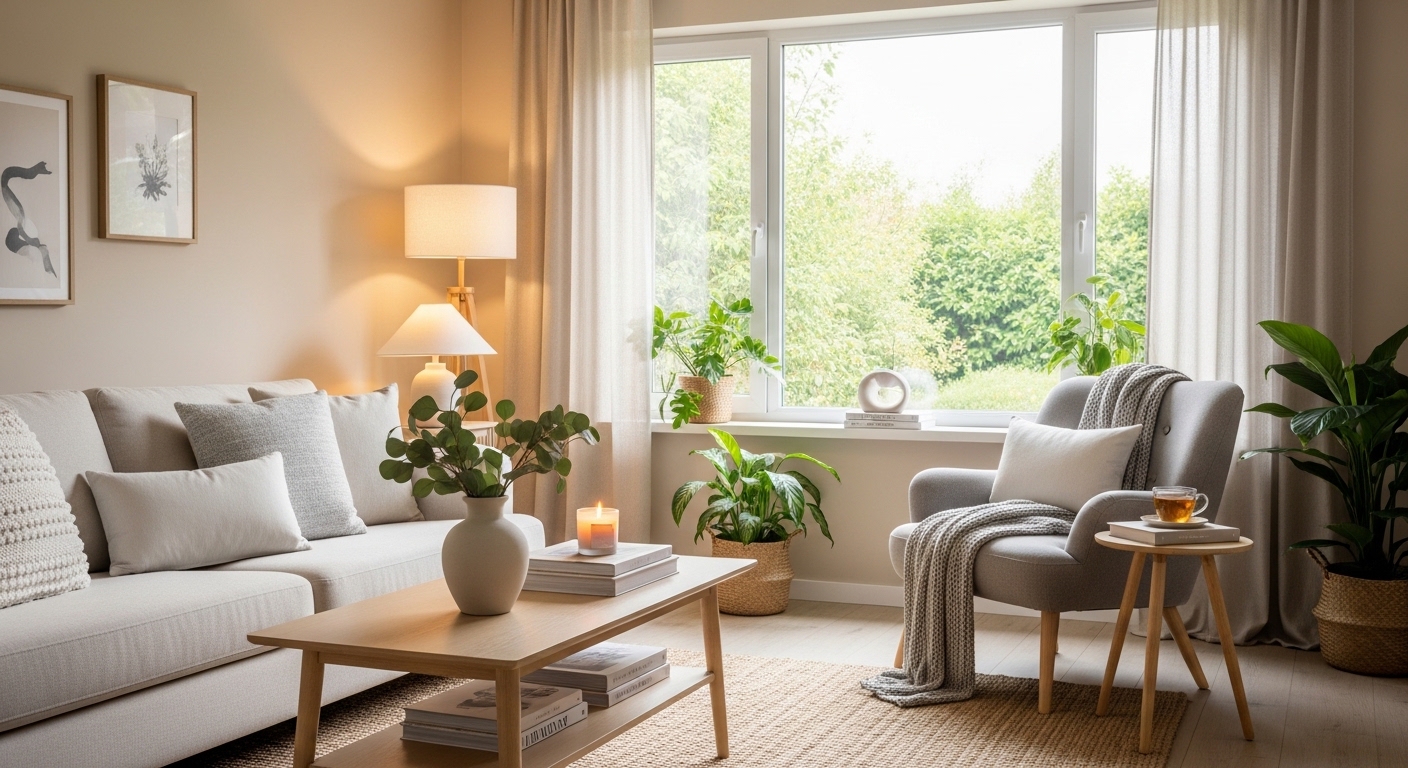
Learning how to create a relaxing home environment starts with understanding what actually makes a space feel calm. It comes down to three things: visual simplicity, natural elements, and sensory comfort. A peaceful home removes visual clutter, brings nature indoors through materials and plants, and engages the senses with soft lighting, soothing textures, and gentle scents. The outside world drains energy. Your home should restore it. This guide covers practical ways to transform your space into a calming environment where you can truly unwind.
Declutter for Visual Calm
Clutter creates mental noise. When surfaces are covered with objects, the brain struggles to rest. Even beautiful things become overwhelming when there are too many of them. A peaceful home starts with less.
This doesn’t mean empty rooms. It means intentional spaces where every item earns its place. Clear countertops, organized shelves, and surfaces with breathing room signal to your brain that it’s safe to relax.
Start small. Clear one surface completely. Notice how it feels. Then move to the next. The goal isn’t perfection but progress toward a space where your eyes can rest without constantly registering visual information.
Storage solutions help maintain calm over time. When everything has a designated place, cleanup becomes simple and clutter doesn’t accumulate. Baskets, bins, and closed cabinets keep necessary items accessible but out of sight.
Choose a Calming Color Palette
Colors shape mood more than most people realize. Bright, bold colors and busy patterns stimulate the brain. For a relax home environment, muted and neutral tones work better.
Soft blues, greens, warm whites, and earthy neutrals promote feelings of calm and balance. These shades mimic nature, sand, sky, leaves, stone, and our bodies respond to them instinctively.
If you’re unsure where to start, learning how to choose a color palette for your home helps you identify undertones in your existing elements and build a cohesive scheme that flows from room to room.
This doesn’t mean avoiding color entirely. Accent colors add personality. But for permanent fixtures like walls, flooring, and large furniture, calming neutrals create a foundation that supports relaxation rather than fighting against it.
Bring Nature Indoors
Biophilic design, the practice of incorporating natural elements into interiors, has real effects on wellbeing. Studies show that spending time around plants boosts positive emotions like happiness and calmness while reducing anxiety.
Plants as quiet companions: Even a single potted fern or trailing ivy softens a room and adds life. Choose low-maintenance varieties if you’re not confident with plant care.
Natural materials: Wood, stone, linen, cotton, wool, and rattan carry warmth and authenticity that synthetic materials can’t replicate. A wooden coffee table, linen curtains, or natural stone tiles on the floor ground a space in textures that feel calming rather than artificial.
Natural light: Open curtains during the day. Let light shift naturally across the room as hours pass. The rhythm of natural light tells your body when to be alert and when to wind down.
When your home contains elements of the natural world, it becomes a peaceful environment that reconnects you to something larger than daily stress.
Layer Soft Lighting
Harsh overhead lighting creates tension. It signals productivity, not relaxation. A calming environment uses layered, adjustable light that shifts with your activities and the time of day.
Warm tones over bright white: Soft yellow light mimics candlelight and sunset. It signals to your body that the day is ending and it’s time to unwind.
Multiple light sources: Combine overhead fixtures with table lamps, floor lamps, and accent lighting. This lets you adjust brightness based on mood and activity.
Dimmer switches: Perhaps the most practical investment for a peaceful home. They let you shift from bright task lighting to soft ambient glow without changing bulbs or fixtures.
In the evening, lower lights gradually. This natural dimming prepares your mind and body for rest, making your home feel like a true retreat rather than an extension of the workday.
Create Comfort Through Texture
A peaceful home engages touch as much as sight. Soft textures invite you to slow down and settle in.
Layer textiles throughout your space: a wool throw on the sofa, linen cushions on the bed, a plush rug underfoot. These layers add visual warmth and physical comfort that makes you want to stay.
Natural textures work best. Cotton, linen, wool, and velvet feel different under the hand than synthetic alternatives. The imperfections in handmade items, a woven basket, a hand-thrown ceramic bowl, add character that mass-produced perfection lacks.
Even flooring contributes to comfort. Cold, hard surfaces feel less inviting than warm materials. If you have hard floors, area rugs define spaces and add softness where you need it most.
Engage the Senses with Scent
Smell connects directly to memory and emotion. Certain scents trigger relaxation almost instantly.
Lavender promotes calm and is associated with rest. Chamomile soothes. Eucalyptus clears the mind. Vanilla and sandalwood create warmth. Experiment to find what works for you.
Essential oil diffusers, candles, or simply fresh flowers bring gentle fragrance into your space. The key is subtlety. A comforting environment smells pleasant, not perfumed.
Avoid synthetic air fresheners that mask rather than create. Natural scents, even just fresh air from an open window, contribute more to a calming environment than artificial fragrance.
Designate a Quiet Space
Every home benefits from at least one corner dedicated entirely to rest. This doesn’t require a spare room. A reading chair by a window, a meditation cushion in a corner, or simply a spot on the sofa that’s yours alone can serve as a personal retreat.
Keep this space minimal. A comfortable seat, good light for reading, perhaps a plant or a single piece of meaningful art. No screens. No work materials. Just space to breathe.
Visiting this spot regularly, even for a few minutes, strengthens your sense of presence and balance. It becomes an anchor in busy days.
Mineral Tiles (one of America’s top-selling tile brands) offers a wide selection of tiles online in natural tones and textures that help create the grounded, organic foundation a peaceful home needs.
Conclusion
Creating a relaxing home environment isn’t about perfection or expensive renovation. It’s about intentional choices that remove stress and invite calm. Declutter for visual simplicity. Choose colors that soothe rather than stimulate. Bring nature indoors through plants and natural materials. Layer soft lighting. Add texture for physical comfort. Engage scent thoughtfully. And carve out space, even a small corner, that belongs entirely to rest.
When your home becomes a peaceful environment, it does more than look good. It restores you. And that restoration prepares you to meet whatever the outside world brings.
FAQs
What colors are most relaxing for a home?
Soft blues, greens, warm whites, and earthy neutrals create the most calming environments. These shades mimic natural elements like sky, foliage, and sand, which our brains associate with safety and rest. Avoid bright, bold colors on large surfaces if relaxation is the goal.
How do plants help create a peaceful home?
Studies show that indoor plants boost positive emotions and reduce feelings of anxiety. They add life and softness to a space, improve air quality, and reconnect us to nature. Even low-maintenance options like pothos or snake plants make a noticeable difference.
What lighting works best for a calming environment?
Warm-toned, layered lighting creates the most relaxing atmosphere. Avoid harsh overhead lights. Instead, combine multiple sources like table lamps and floor lamps with dimmer switches so you can adjust brightness based on time of day and activity.
How does decluttering reduce stress at home?
Visual clutter forces the brain to constantly process information, which creates low-level stress even when you’re not consciously aware of it. Clearing surfaces and organizing belongings signals to your brain that the environment is safe, allowing you to truly relax.
What natural materials feel most calming in a home?
Wood, stone, linen, cotton, wool, and rattan all carry warmth and authenticity. These materials have natural imperfections and textures that feel grounding compared to synthetic alternatives. Incorporating them through flooring, furniture, and textiles creates a more peaceful environment.

As people age or face health challenges, they often need additional support with daily activities. Many families today choose home care instead of moving their loved ones to a care facility. Home care allows people to stay in the comfort of their own homes while receiving the support they need.
Quality home care solutions assist with daily tasks, health management, and emotional support. These services help individuals maintain independence while improving their safety, comfort, and overall well-being.
Home care has become an important part of modern healthcare. Many people prefer it because it offers a more personal and flexible approach to caregiving. Read on.
What Are Home Care Services?
Home care services are designed to help people who need support while living at home. These services can assist seniors, people with disabilities, and individuals recovering from illness or surgery.
Home care focuses on personalized support. Caregivers help with everyday activities such as bathing, dressing, preparing meals, and moving safely around the house. Some caregivers also help with medication reminders and basic health monitoring.
The main goal of home care is to make life easier and safer while allowing people to remain in a familiar environment. This type of care can also help prevent unnecessary hospital visits by ensuring that individuals receive proper support at home.
Home care services can vary depending on the person’s needs. Some individuals may only require occasional help, while others may need daily or full-time care.
Personalized Care for Every Individual
One of the biggest advantages of home care is its tailoring to each person’s needs. Everyone has different health conditions, routines, and preferences.
Care providers usually begin with an assessment to understand the person’s needs. Based on this evaluation, a customized care plan is created. This plan may include help with personal care, meal preparation, mobility support, or companionship.
Personalized care ensures that individuals receive the right type of assistance without losing their independence. For example, someone recovering from surgery may need short-term help, while an elderly person with mobility challenges may require long-term care.
Care plans can also be adjusted over time. As a person’s needs change, caregivers and families can update the care plan to provide the right level of support.
The Comfort of Staying at Home
Home is a place where people feel safe and relaxed. Receiving care at home helps individuals stay connected to their surroundings, family members, and daily routines.
For many seniors, moving to a care facility can be stressful and confusing. Staying at home reduces this stress and helps people feel more comfortable. Familiar surroundings can also improve emotional well-being and reduce anxiety.
Home care allows individuals to enjoy their daily life while receiving the help they need. They can continue doing activities they enjoy, such as :
- Gardening
- Reading
- Spending time with family members
This sense of comfort can have a positive impact on both physical and emotional health.
The Role of Caregivers
Caregivers play an important role in home care services. They provide both practical help and emotional support.
Caregivers assist with daily activities such as bathing, grooming, dressing, and walking safely. They may also prepare meals, help with light housekeeping, and ensure medications are taken on time.
Many caregivers also assist with transportation. They may accompany clients to doctors’ appointments, grocery stores, or community activities. This helps individuals stay active and connected to their community.
In addition to these tasks, caregivers build trusting relationships with the people they care for. Their presence can make clients feel supported and secure. Check out philly home care for more information on caregivers.
Emotional Support and Companionship
Many elderly individuals experience loneliness, especially if they live alone. Home caregivers help reduce this feeling by providing companionship.
Caregivers often spend time talking, sharing activities, or simply being present. They may encourage hobbies, light exercise, or social interaction.
For example, a caregiver might play board games, watch movies, or take short walks with the client. These small activities can make a big difference in improving mood and mental well-being. This emotional support can improve mental health, boost mood, and help individuals feel more connected to others.
Helping Families Manage Care
Family members often want to care for their loved ones, but balancing work, responsibilities, and caregiving can be difficult. Home care services provide families with valuable support. Professional

When confronted with plumbing issues, homeowners often turn to Roto-Rooter for reliable solutions. A staggering 63% of American homeowners have experienced some form of plumbing related problem in the last year, making professional services like Roto-Rooter’s highly sought after. To ensure you receive exceptional service, it’s important to ask the right questions.
Being well-informed not only empowers you to understand the services you’re receiving but also helps establish clear expectations. In this article, we outline crucial inquiries you should make to Roto-Rooter’s technicians to secure top-notch service for your home.
Preparing Your Questions for Roto-Rooter Technicians
Good preparation can make a significant difference in the service you receive. Before the Roto-Rooter technician arrives, compile a list of questions that address your major concerns. This will help ensure that your service is thorough and tailored to your specific needs.
Consider questions pertaining to the issue at hand, such as “What could be causing this problem?” or “Are there alternative methods to address this issue?” Providing details about the plumbing problem and asking for explanations of potential causes can lead to more accurate diagnostics. The more information you share, the better equipped the technicians will be to solve your problem efficiently.
Ahead of time, also inquire about the estimated duration of service and if you should take any preparatory steps, such as clearing the work area. This kind of proactive communication aids in minimizing disruption to your home and daily routine. You can visit rotorooter.com for more information.
Clarifying Roto-Rooter’s Scope of Services
To avoid any misunderstandings, it’s crucial to have a clear grasp of the services Roto-Rooter offers. Ask your technician to explain what the service includes and whether your specific problems fall within their expertise.
Details matter; confirm whether the service will deal with immediate repairs only or if it also encompasses preventative measures. Grasping the extent of the service helps you assess its comprehensiveness and value for money. This information can save you time and resources in the long run, as some issues may require additional professional inspection.
Don’t hesitate to ask for a breakdown of associated costs beforehand. Knowing the cost structure, including any potential for additional charges, enables you to manage your budget accordingly and avoid surprises on your bill.
Inquiring About Roto-Rooter’s Service Guarantees
Learning about service guarantees should be a priority. Roto-Rooter’s assurance of the work provided can give you peace of mind and protect you against future complications related to the service performed.
Ask about the details of any service guarantees or warranties offered. These might include certain durations for parts and labor or follow-up support in case of subsequent issues. Recognizing the specifics, such as the claim process and what exactly is covered, can shield you from unexpected costs should a problem reemerge.
Requesting written documentation of all guarantees is a responsible step. Not only does it verify the commitment to service quality, but it also serves as a point of reference for future communication if you encounter further plumbing problems.
Discussing Maintenance Tips with Roto-Rooter Professionals

While rectifying existing plumbing issues is essential, preventing new ones is equally important. Engage in a conversation with your Roto-Rooter professional about maintenance tips that can help avoid future complications.
Technicians can provide practical advice on regular maintenance practices, like proper disposal of grease and recommendations for regular drain cleaning. They can also suggest products or techniques to keep your plumbing in top shape. This type of advice is invaluable, directly impacting the longevity and functionality of your home’s plumbing system.
A final question to pose might involve recommendations for any preventative measures that could be taken to minimize risks of recurrence. Often, preventative pipe maintenance is overlooked but can prove to be a cost-effective strategy in the long term.
Ultimately, the goal is to leverage Roto-Rooter’s expertise for not just immediate repairs but also long-lasting care of your home’s plumbing system. By preparing pertinent questions, clarifying services, inquiring about guarantees, and gleaning maintenance tips, you set the stage for exceptional service. Remember, proactive communication is the keystone to ensuring that your experience with Roto-Rooter or any professional service is both satisfactory and beneficial for your home.
-

 Blog2 months ago
Simpcit6: Redefining Simplicity in a Complex World
-

 Blog6 months ago
Baddi Hub: An Emerging Industrial and Business Hotspot
-

 Technology6 months ago
YourAssistantLive com: The Future of Smart Digital Assistance
-

 food6 months ago
Calamariere: How to Perfectly Prepare at Home
-

 Health5 months ago
Nerovet AI Dentistry: Enhancing Patient Experience and Treatment Outcomes Dental Care
-

 Technology2 months ago
Voomixi com: The Digital Platform Redefining Online Interaction
-

 Technology5 months ago
Anonibs: The Trending Anonymous Image Board Platform
-

 HomeImprovment5 months ago
Acamento: How Finishing Techniques Define a Building’s Style