
Health
Why Participating in Clinical Trials Matters for Scientific Progress

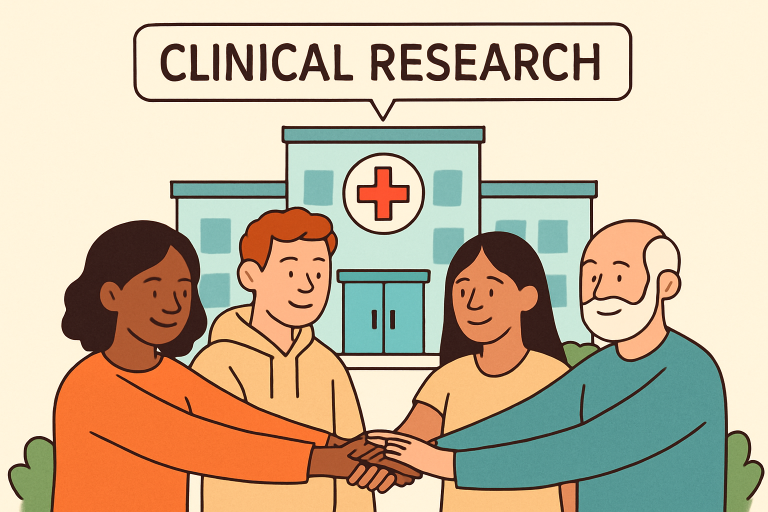
Clinical trials serve as the foundation for medical breakthroughs, providing pathways for new therapies and enhancing current standards of care. By participating in a clinical trial, individuals contribute to the expansion of scientific knowledge, which ultimately benefits public health. Understanding the pros and cons of taking part in clinical trial is an essential step for anyone considering participation, as it helps set expectations and supports informed decision-making.
The importance of clinical trials goes beyond just finding new treatments. Participants’ involvement helps ensure that these new therapies are as effective and safe as possible for everyone. Their experiences and outcomes shape how new drugs and medical devices are used on a broader scale, making public involvement critical.
Diversity in clinical trials is also vital. When people from diverse backgrounds participate, it enables researchers to develop more effective solutions that are relevant to the entire population. Without participant volunteers, even the most promising breakthroughs can remain untested and inaccessible.
Whether you are motivated by the potential for personal health benefits or by the opportunity to contribute to medical science, participating in clinical studies benefits individuals and society alike. If you’re considering this step or seeking more information, the journey begins with understanding the reasons, processes, and safeguards surrounding clinical trial participation.
Understanding Clinical Trials
Clinical trials are research studies conducted with human volunteers to answer specific questions about new medical products, interventions, or approaches. These trials are carefully designed with phases to monitor safety, determine ideal dosages, and compare new options to current standards. Every approved medication or treatment on the market has undergone rigorous clinical trials that begin with laboratory research and extend to carefully monitored studies involving people.
Without these research studies, medical advancements would stall. The results gleaned from trials guide doctors, inform health policy, and drive innovation in patient care. Trials may focus on drugs, devices, surgical techniques, or lifestyle approaches, affecting nearly every branch of medicine.
The Role of Participants in Medical Advancements
The contributions of clinical trial volunteers cannot be overstated. When individuals agree to participate, they help transform laboratory discoveries into real-world treatments. Data collected from their experiences is analyzed for effectiveness, safety, potential side effects, and long-term benefits.
For instance, the swift development and testing of COVID-19 vaccines relied on thousands of global volunteers. Their willingness to participate underpinned worldwide efforts to control the pandemic, illustrating the crucial role participants play in progress. Without volunteers, advances such as new cancer therapies, improved diabetes management, and life-saving cardiac devices would not be possible.
Ensuring Diversity in Clinical Trials
Diversity in clinical trials is essential for equitable healthcare. Historically, certain groups—including minorities, women, the elderly, and those with rare diseases—have been underrepresented in medical research. This lack of inclusion means treatments may work differently, or less effectively, for those left out.
Efforts to improve diversity include targeted outreach, translation of materials into multiple languages, and partnerships with community organizations. By making clinical trials accessible to broader populations, the scientific community can develop therapies that benefit all demographics, not just a select few.
Benefits and Risks of Participation
Benefits
- Access to new treatments before they are widely available.
- Close monitoring and care from medical experts.
- The opportunity to help others by advancing medical science.
- An empowering opportunity to be actively involved in healthcare decisions.
Risks
- Potential for side effects—some known, some still being discovered.
- The possibility that the treatment is ineffective, or less effective than current options.
- Time commitment for travel, appointments, and follow-up exams.
- Emotional and psychological impacts, especially in studies of serious health conditions.
Prospective participants should always have frank discussions with their healthcare providers to carefully consider these factors and ensure a clear understanding of their rights and expectations. Educational resources on clinical trials are provided by many reputable organizations.
Ethical Safeguards in Clinical Research
Protecting participants is a top priority for every legitimate trial. Institutional Review Boards (IRBs)—independent committees composed of scientists, doctors, and community members—review all proposed studies to ensure ethical conduct. They examine informed consent processes, participant welfare, and study protocols to ensure that risks are minimized and justified by potential benefits.
Many countries also have regulatory agencies, such as the U.S. Food and Drug Administration (FDA), which oversee ongoing trials, enforce reporting requirements, and hold sponsors accountable for participant safety at every step.
Overcoming Barriers to Participation
Despite the proven value of clinical trials, various barriers may prevent people from enrolling. These include logistical challenges such as travel, family obligations, and financial concerns. Mistrust of the medical system, often rooted in historical injustices, can also play a role. Language barriers and a lack of awareness further limit participation, especially among underserved populations.
Health institutions, advocacy organizations, and community leaders are working together to address these challenges. Solutions include providing transportation, compensation for time, culturally sensitive outreach, and greater transparency about study aims and participant protections.
Conclusion
Volunteering for a clinical trial is more than a personal health decision—it’s an act that propels scientific discovery and strengthens the future of medicine. Through the commitment of participants, new treatments become available, and care becomes tailored for humanity as a whole. By understanding the importance, benefits, and safeguards of clinical trials, individuals can make informed choices that shape the next era of medical progress.

A lot of people have neck strain symptoms, but are not aware that the problem stems from a daily activity. These seemingly harmless habits can, over time, cause discomfort, whether you are working long hours at a desk, constantly looking at your phone, or sleeping in an awkward position. If left untreated, it can also lead to shoulder joint pain, which may make everyday tasks difficult.
Poor Posture While Sitting
Poor posture is one of the most frequent causes of neck and shoulder pain. Working in an upright posture with a computer is also an added strain on neck muscles, ligaments, and joints. With time, this strain may cause stiffness, limited mobility, headaches, and muscle fatigue.
An ergonomic workstation, an eye-level screen, and a backrest that supports your back can help to minimize unnecessary stress to the neck and shoulders.
Spending Too Much Time on Mobile Devices
Excessive use of cell phones places extra strain on the cervical spine’s discs. Regularly flexing the head forwards puts additional strain and stress on the muscles of the neck, which can lead to muscle strain and discomfort.
Regular breaks, keeping the devices closer to eye level, and reducing the amount of time spent watching screens can help to prevent unnecessary strain.
Sleeping in an Uncomfortable Position
Sleeping position is very important in the alignment of your spine. A pillow that is too high or too flat will leave your neck in an abnormal position during the night and cause stiffness and soreness in the morning.
Selecting a comfortable pillow that helps maintain your neck aligned with your thoracic area and sleeping on your back or side may help reduce overnight strain.
Carrying Heavy Bags on One Shoulder
A lot of people carry their laptops, purses, or backpacks on one shoulder as they go through their day. This imbalance of weight places increased stress on one side of the body, leading to muscle imbalances in the neck and shoulders.
Consider using backpacks that fit on both shoulders, using both shoulder straps, or wearing a lighter load to avoid additional muscle strain.
Skipping Movement During the Day
Remaining in the same position for hours will lead to loss of blood supply to the muscles and promote stiffness. Office workers and drivers are especially prone to developing neck and shoulder discomfort because of prolonged inactivity.
Get up at least every 30 minutes to stretch your neck and shoulders, and move around lightly throughout the day to increase flexibility and prevent tightness in muscles.
Stress and Muscle Tension
People tend to unconsciously tighten their neck and shoulder muscles during emotional stress. Ongoing muscle tension may lead to pain, limited mobility, and tiredness.
Deep breathing, gentle stretching, yoga, or mindfulness exercises are effective relaxation techniques that can help lower stress-induced muscle tension.
When to Seek Medical Advice
Neck Pain is common among people today, but if it lasts too long, you should consult with your doctor. If you have neck pain that:
- Lasts more than 3-4 days
- Neck pain increases every day
- Numbness in your arms starts over the next few days
- Your arms become weak, tingly, or painful
You can have a serious condition. The sooner you identify and correctly treat your condition, the less likely that it will become a much more serious chronic condition.
Conclusion
Chronic neck and shoulder discomfort can be prevented with some simple lifestyle changes. Steps you can take to improve your posture, to take regular movement breaks, to ensure that you have proper support for your sleep, and to manage your stress levels can help lower your risk of developing shoulder joint pain and recurring symptoms of neck strain. To get the best care and customized treatment, visit Discover Optimal Health and uncover solutions for long-term neck and shoulder health.

Changes in the nails, such as discolouration, thickness, and brittleness, can be worrying, particularly if they are not self-limiting. Previously, diagnosing these problems involved a trip to the clinic. But these days, with the advent of telemedicine dermatology services, accessing doctor-prescribed toenail fungus treatment and expert care for nail issues has never been quicker or more convenient.
If you’re experiencing symptoms and wondering how remote diagnosis works, here’s exactly how telehealth is changing the way thick yellow toenails are diagnosed and treated.
What Makes Toenails Thick and Yellow?
One of the most prevalent causes of thick, yellow nails is onychomycosis, a fungal infection that grows under or in the nail. It frequently starts gradually but can progress over time if addressed.
Common symptoms are:
- Discoloration (yellow or white)
- Thick nail structure
- Crumbly or brittle edges
- Deformed nail shape
The most common cause is fungal infections; however, other illnesses, such as trauma or psoriasis, can also give rise to comparable symptoms. Which is why diagnosis is so important.
Step 1: Detailed Assessment of Symptoms
The telemedicine consultation usually starts with a prepared questionnaire. Patients give information about:
- At the time of the onset of symptoms
- Changes in nail thickness or colour
- Any soreness or ache
- Previous therapies attempted
This initial assessment allows the dermatologist to understand the course and severity of the condition before recommending dermatologist-developed prescription treatments following the visual examination.
Step 2: Upload Quality Images
Clear photographs are the basis of remote diagnostics. Patients are urged to send in pictures of the afflicted nails from different angles in excellent light.
These pictures enable the dermatologist to assess:
- Patterns & color shifts
- Nail thickness and texture
- Spread of the disease through the nails
Experienced dermatologists can often tell by looking if someone has a fungal infection, especially if the signs are usual.
Step 3: Medical History Check
Diagnosis also requires assessing the patient’s general health. During the telehealth consultation, the provider might review:
- Pre-existing medical conditions
- Medications you are taking
- Footwear and hygiene are lifestyle factors.
This helps to rule out other possible causes and to ensure that any proposed treatment will be safe and appropriate.
Step 4: Find the Most Probable Cause
The dermatologist considers the mix of symptoms, pictures, and medical history and makes a decision as to whether the condition is likely fungal or due to another problem.
If there is strong evidence that it is a fungal infection, therapy often can begin quickly. If the diagnosis is not clear, the clinician may prescribe more testing or an in-person follow-up.
Step 5: Your Personalized Treatment Plan
After diagnosis, your dermatologist will develop a treatment plan specific to you and your thick yellow toenails. This can include:
- Topical medicines for prescriptions
- Oral antifungal medication (if required)
- Hygiene and prevention [Tips]
Not only are we treating the obvious symptoms, but we are eradicating the virus at its source and preventing recurrence.
How Accurate Is An Online Diagnosis?
Telehealth dermatology has been shown to be quite beneficial for numerous skin and nail disorders. For common problems like nail fungal infections, a patient’s history and a visual diagnosis are typically enough.
Dermatologists are educated to see patterns and symptoms that signal particular illnesses. Remote diagnosis can be accurate and efficient with the use of good photos and thorough information.
Advantages of Using Telehealth for Nail Problems
Ease
You can get advice from a specialist from your house without booking in-person visits or traveling.
Quicker Care Access
Telehealth does not have long wait times. You can start therapy sooner.
Operational Monitoring
Patients can post updates on their progress effortlessly and get help on follow-up online.
Privacy & Policy
Telehealth offers a confidential way for anyone concerned about the health of their nails to obtain care.
How to Choose a Telehealth Provider
The success of a remote diagnosis depends on the specialist skills of the physician. Choose a trustworthy platform, and you will be certain to get accurate assessments and successful treatment plans.
GetMyStride connects patients with competent dermatology doctors specializing in nail issue treatment through telemedicine. The simplified method makes it easy to get diagnosed and into therapy quickly.
Final Thoughts
Thick yellow toenails can be more than simply a cosmetic problem. They can also be an indication of an underlying infection that requires the right treatment. With today’s technology, you can receive expert treatment without ever leaving your house.
With a trained telehealth dermatologist, you may get a solid diagnosis and start thick yellow toenails treatment from the comfort of your home.
But early intervention with the right treatment plan can restore nail health and prevent the problem from progressing, making telehealth a sensible and effective choice for patients today.
One of the most time-sensitive cases in the field of dentistry is a knocked-out tooth, which is also known as an avulsed tooth. It can mean the difference between preserving your own natural tooth and having to have a permanent replacement tooth after a sports injury, a fall, or an accident. In case you are already in this crisis, you have just one thing to do, which is to seek emergency dental care as your highest priority.
In our practice, we are aware of the stress that results in oral trauma. Our 30+ years of experience have enabled us to guide numerous patients through such emergencies in a calm, truthful, and informed manner.
First Aid: What to Do When a Tooth is Knocked Out
If a permanent tooth is knocked out, the periodontal ligaments attached to the root begin to die almost immediately. To improve the chances of successful replantation, take into consideration the following crucial steps:
Tooth Only to be dealt with by the Crown
The chewing surface of the tooth is called its crown. Do not touch the root, which may cause the fine fibers that the tooth requires to reconnect with the bone to be destroyed. Get it wet with water or milk in case the tooth is dirty. Should not be washed, sprayed, or scrubbed on the tooth, but this will kill the living tissue.
Keep Tooth Moist
To ensure that the tooth is alive, it is important that the tooth remains hydrated. If possible, try to gently place the tooth back into its socket and hold it there with light pressure. Unless it is an option, store the tooth in a small container of milk or in a tooth preservation kit. In a pinch, tucked inside the cheek is an alternative, though this is not recommended for young children who might swallow it.
Emergency Treatment and Replantation by a Professional
Once you arrive at the office, the clinical goal is to splint the tooth back into place. The body can, in many cases, repair the attachment in a few weeks by keeping the avulsed tooth against the neighboring healthy teeth. But even if successfully replanted, the tooth itself might one day need a root canal treatment, since the blood supply to the inner pulp was damaged in the injury.
Replacement Tooth Cosmetic Replacement Options
In other cases, a tooth may not be saved because of a large amount of bone or root damage. In such situations, contemporary restorative dentistry provides several options to restore your smile with beautiful and durable outcomes.
Dental Implants: The Ultimate Solution
One of the most popular concepts of the replacement of a tooth is a dental implant. It is done by inserting a titanium post in the jawbone to serve as a root, which is subsequently topped with a customized crown. The solution not only helps to avoid bone loss, but also appears precisely like a natural tooth.
Crowns and Braces for the Teeth
In case you cannot be a candidate for implants, a dental bridge is a good alternative. A bridge is based on the healthy teeth on both sides of the gap that become anchors to hold a prosthetic tooth in between. This will fill the gap and will make your smile functional and beautiful again.
Conclusion: Special Attendance When You Require It
Dental emergencies are uncertain, but what you expect to do with your provider should not be uncertain. Be it a need to have immediate replantation or even exploring cosmetic services to fill a gap in your smile, the working relationship with an experienced Dentist League City expert will help to ensure that you obtain the best of care.
Since 1992, we have been Making People Smile at Miller Dentistry. And with a convenient location on Marina Bay Drive, Dr. Brad Miller and his team are devoted to delivering comfortable, lasting dentistry that you can rely upon. In case you have a dental injury, then call us today so that you can book an appointment.
FAQs:
How long will a tooth remain out of the mouth and yet be saved?
Preferably, within 30-60 minutes, a dentist may replace a tooth. The rate of success of the tooth reattaching to the bone reduces considerably after an hour, but it is possible in some cases.
Would a knocked-out baby tooth be a dental emergency?
While you should still call us for an exam to ensure no other damage occurred to the gums or permanent teeth underneath, we typically do not replant primary (baby) teeth. This may end up harming the growing permanent tooth bud.
Is the cost of dental implants covered by insurance following an accident?
Cover is different from your unique plan. Some policies offer benefits to restorative work that is the result of an accident. Our group can assist in taking you through your insurance information to obtain the best benefits.
What would happen if I did not find the tooth that had been knocked out?
If the tooth has been lost, there is no need to panic. We provide various types of cosmetic dentistry treatments, such as bridges and implants, to restore your appearance and comfort in chewing.
-

 Blog7 months ago
Simpcit6: Redefining Simplicity in a Complex World
-

 Blog11 months ago
Baddi Hub: An Emerging Industrial and Business Hotspot
-

 food12 months ago
Calamariere: How to Perfectly Prepare at Home
-

 Technology11 months ago
YourAssistantLive com: The Future of Smart Digital Assistance
-
 Health10 months ago
Nerovet AI Dentistry: Enhancing Patient Experience and Treatment Outcomes Dental Care
-

 Crypto12 months ago
Crypto30x.com vs Other Crypto Sites – Best Bitcoin Tools?
-

 Technology7 months ago
Voomixi com: The Digital Platform Redefining Online Interaction
-

 Business9 months ago
Top Benefits of Using Quality Wire Rope Lube in US Heavy Industry