
Law
The Rise of Smart Traffic Systems and How They’re Shaping Urban Safety

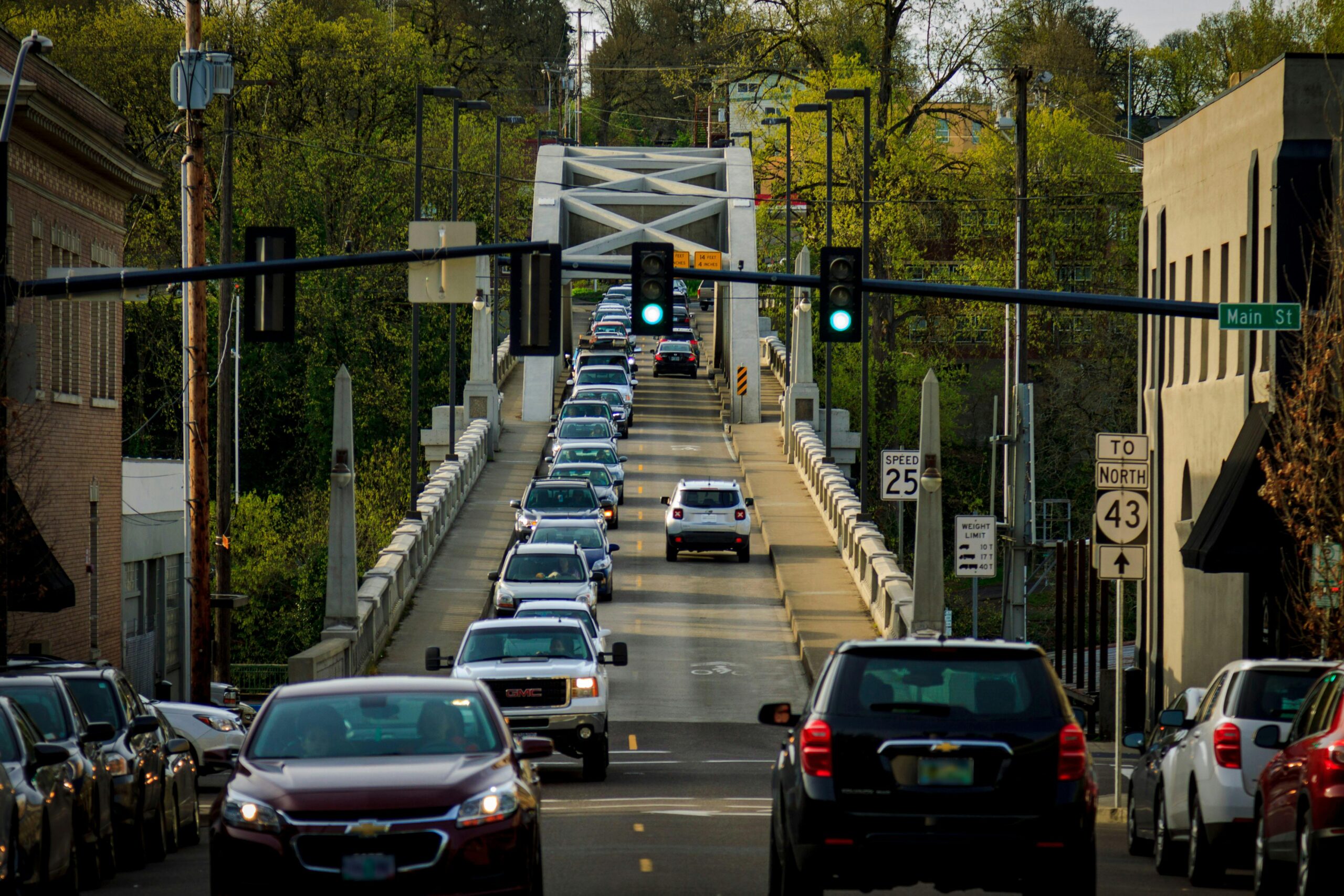
Urban life is increasingly defined by movement, from daily commutes to commercial transportation.
A Nature Journal study reflects on the growing complexity of transportation in urban cities. It explores how urban density, transportation accessibility, and neighborhood design relate to excess travel distance across private, public, and active transportation in Gunsan, South Korea. The results show that higher density at trip origins and destinations reduces excess travel. Though very high density can increase inefficiencies for private cars and public transit.
Transportation accessibility shows an unexpected pattern, and neighborhood design reveals a U-shaped relationship for public and active transportation. Here, excess travel declines at low design levels, rises at moderate levels such as mid-range compactness, and falls again at higher levels.
As cities grow and traffic volumes rise, traditional road management systems struggle to maintain safety and efficiency. Therefore, smart traffic systems are becoming essential. These systems, powered by real-time data, sensors, and artificial intelligence, are transforming how we navigate modern cities.
How Smart Traffic Systems Work
Smart traffic lights, adaptive signal control, and connected vehicle technology are just a few components driving this evolution. By continuously analyzing traffic patterns and adjusting signals, cities can minimize bottlenecks and reduce the likelihood of accidents.
Beyond convenience, the safety implications of these innovations are significant. Intersections that were once hotspots for collisions now benefit from predictive algorithms that anticipate traffic surges and adjust signals accordingly.
A U.S. Government Accountability Office study shows that many state and local transportation agencies are increasingly deploying intelligent transportation systems (ITS). These systems leverage sensors, cameras, communication systems, etc., to improve traffic flow. For example, they can leverage adaptive signal control technology to adjust traffic lights based on the number of vehicles on the road.
How do smart traffic systems integrate with autonomous vehicles?
Smart traffic systems communicate with autonomous vehicles using vehicle-to-infrastructure (V2I) technology. It allows cars to receive real-time information on speed limits, signal timing, and potential hazards. This coordination enables autonomous vehicles to adjust their driving patterns proactively, reducing stop-and-go traffic and improving overall traffic efficiency without human intervention.
Advanced Safety Measures That Go Beyond Intersections
Smart traffic systems extend beyond intersections. Vehicle-to-infrastructure communication enables cars to receive alerts about road hazards, pedestrian crossings, and nearby emergency vehicles. This proactive approach reduces reaction times and allows drivers to make safer decisions.
Cities are also integrating smart cameras and sensors that monitor speed, detect reckless driving, and issue automated warnings. Such measures not only deter risky behavior but also collect data for urban planners to further improve road safety.
All this data can be used for legal and insurance purposes. For instance, an Atlanta News First article reported a multi-vehicle collision at the airport in November, 2025. Authorities reported that several people were injured in the incident, though only one person required hospitalization.
In such cases, victims can seek help from professional Atlanta car accident lawyers for legal counsel. Attorneys can get data from these smart cameras and sensors to determine which driver was at fault.
According to the Atlanta Personal Injury Law Firm, the lawyers can also negotiate with insurance companies better with clear evidence. This can help victims get appropriate compensation for medical expenses and other damages they have suffered.
Environmental and Efficiency Benefits
The environmental impact of smart traffic systems is another compelling advantage. Currently, almost all US cities are facing a traffic congestion problem because of the rising number of vehicles on the road. The National Public Radio reported that data show record-high congestion in 2024. On average, an American spends around 63 hours every year stuck in traffic. That’s more than the average working week hours.
But besides the loss of productivity, this congestion also affects the environment. The Environmental Protection Agency says that burning fossil fuels used for powering vehicles can result in greenhouse gas emissions. Emissions from transportation account for 28% of the total US greenhouse emissions.
By reducing congestion and optimizing traffic flow, these systems lower fuel consumption and vehicle emissions, contributing to cleaner urban air. Electric vehicles and autonomous cars further amplify this effect when paired with intelligent traffic management, creating a more sustainable and efficient transportation ecosystem.
How do smart traffic systems support electric vehicle adoption?
By reducing stop-and-go traffic and optimizing driving routes, smart systems decrease energy consumption for electric vehicles, extending their range. Additionally, these systems can integrate with EV charging networks to direct drivers to available stations efficiently, reducing idle times and encouraging cleaner transportation adoption.
Smart Traffic Systems and Pedestrian Safety
Pedestrians often face the greatest risk in dense urban areas, especially near transit hubs and busy intersections.
The Centers for Disease Control and Prevention revealed an analysis of 2013–2022 data comparing the United States with 27 other high-income countries. The data shows that U.S. pedestrian death rates increased by 50% during this period, while other countries saw a median decline of 25%.
The United States recorded the highest pedestrian death rates overall, though early 2023 estimates indicate a possible modest decline. The findings highlight the need for faster adoption of a safe system approach that prioritizes safer roads, vehicles, speeds, and road user behavior.
Smart crosswalks equipped with motion sensors and adaptive signals can extend crossing times when foot traffic is heavy or when slower-moving individuals are detected. Some systems also use visual and audio cues to alert both drivers and pedestrians, reducing the chance of miscommunication and improving overall street safety.
Can smart traffic systems influence pedestrian behavior positively?
Yes, systems that provide real-time feedback, such as countdown timers, warning lights, or mobile alerts, encourage pedestrians to wait for safe crossing opportunities. With time, these cues can reduce risky behaviors like jaywalking and create a culture of safer pedestrian movement in busy urban environments.
Challenges in Implementing Intelligent Traffic Solutions
Despite their advantages, smart traffic systems come with challenges. High installation costs, data privacy concerns, and the need for regular system maintenance can slow adoption, particularly in smaller cities.
Integration with existing infrastructure also requires careful planning, as outdated traffic hardware may not support newer technologies without significant upgrades. These barriers highlight the need for coordinated planning between city officials, engineers, and technology providers.
Another challenge lies in ensuring system reliability during unexpected events such as severe weather, large public gatherings, or emergency situations. Smart traffic systems depend heavily on uninterrupted data flows and power sources, and any disruption can limit their effectiveness or create confusion for drivers.
Cybersecurity also remains a growing concern, as connected infrastructure can become a target for data breaches or system interference. Addressing these risks requires ongoing investment in system resilience, regular testing, and clear contingency plans to maintain public trust and consistent performance.
Smart traffic systems are reshaping the urban landscape by enhancing safety, efficiency, and environmental sustainability. While technology addresses many traditional challenges of traffic management, human oversight and support, such as legal guidance from experienced attorneys, remain indispensable.
As cities expand and technology integrates deeper into transportation networks, the collaboration between innovation, policy, and public awareness will determine how safe our roads can become.



Understanding how to get the most from your Social Security Disability Insurance (SSDI) is essential for financial stability and peace of mind. With new rules, ongoing legislative changes, and evolving technology, beneficiaries must remain vigilant to avoid missing critical opportunities or falling into avoidable pitfalls. For those navigating the financial system in South Carolina, consulting a Rock Hill Social Security attorney can provide valuable guidance and advocacy throughout the process.
Whether you are already receiving SSDI payments or considering applying, staying current with program updates ensures you protect your rights and maximize your benefits. Recent policy revisions and digital changes are shaping how you receive payments and meet eligibility requirements, making expert advice more important than ever. Understanding which changes matter most to your situation can help you make informed decisions about your claim, reconsideration, or appeal.
In addition, legislative actions both at the federal and state levels continue to impact eligibility and payment calculations, potentially altering the financial landscape for millions of Americans relying on these benefits. Staying abreast of these developments and seeking help from individuals with deep experience in disability law strengthens your ability to respond to new challenges as they arise.
High-quality advocacy is particularly crucial when facing more complex matters, such as appeals or emerging health conditions that may expedite your case. A highly experienced resource in this area, Atty Stroud Baker, offers extensive expertise in guiding clients through complex disability matters and protecting claimants during challenging situations.
Cost-of-Living Adjustments (COLA)
Beneficiaries of SSDI will experience a 2.8 percent increase in 2026, boosting average monthly payments by over $56. These annual adjustments, known as COLAs, are designed to keep benefits in line with inflation and evolving economic realities. While the intent is to sustain purchasing power for those on a fixed income, economic experts and advocates often caution that COLA increases seldom keep pace with the true cost of living, especially amid persistent inflation and higher expenses for essentials such as healthcare, housing, and utilities. As NBC News noted, ongoing inflation has intensified the pressures felt most by people on a fixed income.
Eligibility Criteria Revisions
The Social Security Administration (SSA) has unveiled proposals to redefine eligibility standards for disability benefits, affecting an estimated 750,000 disabled Americans. Primarily, the SSA seeks to modify how work history and age are factored into claims decisions. This means older workers may have a more challenging time meeting the revised requirements, raising concerns among advocacy groups and policy analysts alike. Following these policy shifts and seeking severe advice as soon as possible can help you safeguard your eligibility. More discussion on this issue can be found in national headlines from CNBC.
Application Process Enhancements
Efforts to streamline the SSDI application process have resulted in an expansion of Health Information Technology (Health IT) programs at the SSA. This system allows the electronic transfer of medical documentation directly from healthcare providers, enabling faster, more efficient decisions on pending claims. Healthcare institutions are being urged to participate to benefit patients and help reduce administrative bottlenecks, enhancing the speed and accuracy of claim determinations. Staying aware of these changes is crucial so applicants know what supporting information is now required and how new technology may impact the review process.
Digital Payment Transitions
The U.S. government is in the process of eliminating paper checks for disability and other federal benefits, pushing all recipients to adopt electronic payments. This change aims to reduce the incidence of lost or stolen checks, improve security, and lower costs associated with manual processing. However, it also presents new hurdles for beneficiaries lacking access to bank accounts or digital payment platforms. To prevent disruption of your SSDI payments, ensure your banking arrangements are current and compatible with the SSA’s direct deposit requirements. If you face challenges, consider contacting a community service agency or your attorney to help you set up compliant digital payment solutions.
Compassionate Allowances Expansion
The SSA’s Compassionate Allowances initiative continues to expand, now encompassing 13 additional serious medical conditions. This program accelerates decisions for applicants with diagnoses deemed especially severe or life-threatening. Fast-tracking these cases reflects the SSA’s ongoing commitment to responsive support for vulnerable individuals, removing unnecessary delays for those most in need. The complete, updated list of conditions is available on the SSA’s official portal and regularly reviewed by medical experts and advocacy organizations to ensure fairness and accuracy. For more details, visit the SSA’s Compassionate Allowances page.
Legislative Changes Impacting Benefits
In January 2025, the Social Security Fairness Act was enacted, repealing the Government Pension Offset (GPO) and the Windfall Elimination Provision (WEP). By eliminating these offsets, many retirees and working beneficiaries with public-sector pensions receive a significant boost to their Social Security retirement and disability benefits. This legislative step aims to address longstanding inequities faced by those whose past employment in non-covered positions previously reduced their benefits. Comprehensive details and background on this legislative change can be found on the AARP website.
Strategies to Maximize Your Benefits
1. Stay Informed
Visit the SSA website frequently or subscribe to official update channels to receive timely information on any rule or process modifications. Many advocacy groups also provide useful summaries and actionable alerts tailored for beneficiaries.
2. Consult Qualified Professionals
Working with skilled attorneys or advocates helps you interpret complex eligibility standards and avoid costly errors. They can also represent you if you face appeals, overpayments, or denials that put your financial security at risk.
3. Use Available Resources
Take advantage of services designed to assist SSDI recipients. These may include pro bono legal clinics, disability advocacy organizations, and government programs focused on housing, health, and transportation assistance for people with disabilities.
Conclusion
Staying proactive in monitoring both legislative and administrative changes in the SSDI program enables beneficiaries to make the best possible decisions for their circumstances. By embracing new tools, consulting experienced professionals, and remaining vigilant about policy updates, you can maximize the support you receive and bolster your overall well-being for the future.

Sidewalks are meant to provide safe passage for pedestrians, yet injuries caused by sidewalk accidents remain a persistent issue in Portland. Cracked pavement, uneven surfaces, poor lighting, and temporary obstructions can all turn a routine walk into a serious injury event. When these incidents occur, determining who is legally responsible is rarely straightforward. Proving liability in sidewalk accidents requires careful analysis of local laws, factual evidence, and the specific conditions that led to the injury.
Sidewalk Safety and Responsibility in Portland
Portland’s dense urban layout, frequent rainfall, and aging infrastructure create unique challenges for pedestrian safety. Sidewalk maintenance responsibilities can vary depending on location and circumstances. In many areas, adjacent property owners are responsible for upkeep, while in others, the city retains control.
This division of responsibility is central to sidewalk injury claims. Identifying the correct party is the first step in assessing whether a legal claim is viable.
Establishing Liability in Sidewalk Accident Cases
Proving a Dangerous Condition Existed
To succeed in a sidewalk accident claim, it must be shown that a hazardous condition existed. Examples include raised concrete slabs, missing sections of pavement, or slick surfaces caused by moss or standing water. Lawyers often rely on photographs, video footage, and witness statements to document these conditions as they appeared at the time of the accident.
Importantly, minor imperfections are usually not enough. The condition must pose an unreasonable risk to pedestrians under normal use.
Demonstrating Knowledge or Notice
Liability often hinges on whether the responsible party knew—or should have known—about the dangerous condition. This is referred to as “notice.” There are two primary forms:
- Actual notice, where complaints or repair requests were previously made
- Constructive notice, where the condition existed long enough that it should have been discovered through reasonable inspection
Maintenance records, city service logs, and prior incident reports can be critical in establishing notice.
Showing Failure to Act Reasonably
Even when a hazard is identified, liability requires proof that the responsible party failed to take reasonable steps to repair or warn about it. This might include neglecting timely repairs or failing to post warning signs in areas under construction.
Common Challenges in Sidewalk Accident Claims
Shared or Disputed Responsibility
Sidewalk cases often involve disputes over who had control of the area. In Portland, responsibility may shift depending on whether the sidewalk abuts private property, a commercial space, or public land. Claims involving government entities also introduce shorter notice deadlines and additional procedural requirements.
Comparative Fault Considerations
Oregon follows a comparative negligence system. If an injured pedestrian is found partially responsible—such as being distracted or ignoring visible hazards—their compensation may be reduced. Lawyers must anticipate these arguments and present evidence showing reasonable pedestrian behavior.
Evidence Used to Support Sidewalk Injury Claims
Strong sidewalk accident cases rely on detailed evidence, including:
- Incident photos taken soon after the fall
- Weather and lighting conditions at the time
- Medical records linking injuries directly to the fall
- Expert opinions on sidewalk safety standards
Together, these elements help establish a clear connection between the hazard and the injury.
Practical Examples of Liability Scenarios
A cracked sidewalk outside a retail store that remains unrepaired for months may point toward property owner liability. Conversely, a sudden sidewalk collapse caused by underground utility work could involve a contractor or municipal agency. Each case depends on facts, timing, and applicable local rules.
Frequently Asked Questions About Portland Sidewalk Accidents
Can the city be held responsible for sidewalk injuries?
Yes, but claims against the city are subject to strict notice requirements and shorter timelines. Missing these deadlines can bar recovery.
What if multiple parties share responsibility?
In some cases, liability may be divided among multiple parties, such as a property owner and a maintenance contractor.
Why Legal Insight Matters
Sidewalk accident claims involve more than proving a fall occurred. They require a clear legal narrative supported by evidence and local knowledge. Consulting a personal injury lawyer in Portland can help injured pedestrians understand how liability is evaluated and what steps are necessary to protect their rights.
As Portland continues to grow and evolve, pedestrian safety remains a shared responsibility—one that depends on proper maintenance, accountability, and informed legal advocacy when accidents happen.
-

 Blog9 months ago
Simpcit6: Redefining Simplicity in a Complex World
-
 Blog1 year ago
Baddi Hub: An Emerging Industrial and Business Hotspot
-

 food1 year ago
Calamariere: How to Perfectly Prepare at Home
-
 Technology1 year ago
YourAssistantLive com: The Future of Smart Digital Assistance
-

 Health12 months ago
Nerovet AI Dentistry: Enhancing Patient Experience and Treatment Outcomes Dental Care
-

 Technology9 months ago
Voomixi com: The Digital Platform Redefining Online Interaction
-

 Crypto1 year ago
Crypto30x.com vs Other Crypto Sites – Best Bitcoin Tools?
-

 Business10 months ago
Top Benefits of Using Quality Wire Rope Lube in US Heavy Industry