
Technology
Streamline Your Operations with Bus Fleet Management Software

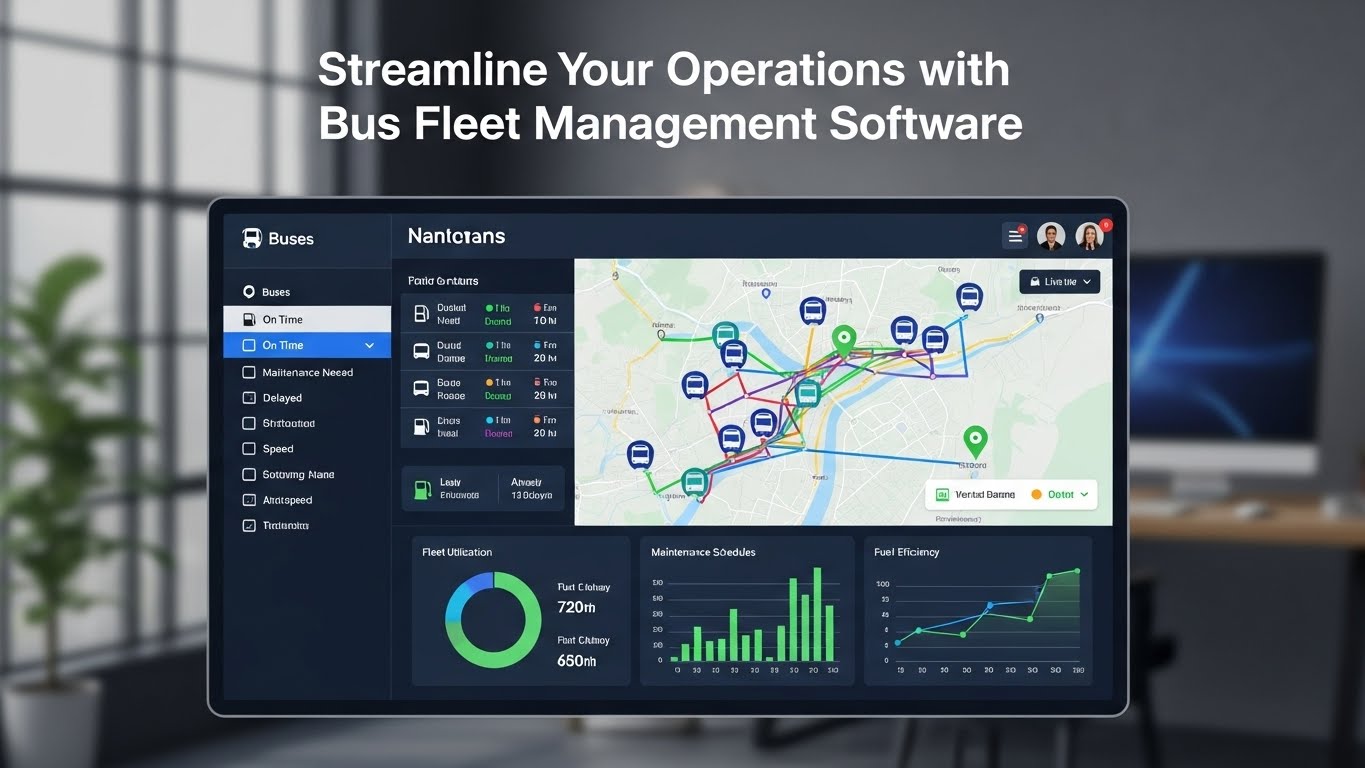
Managing a fleet of buses is a complex balancing act. Whether you oversee public transit, school buses, or a private charter company, the daily challenges are relentless. Vehicles break down, drivers face traffic delays, fuel costs fluctuate, and compliance regulations are constantly tightening. Without a centralized system to handle these moving parts, operational inefficiency isn’t just a risk—it’s a guarantee.
This is where technology steps in to transform chaos into clarity. Modern fleet solutions have moved far beyond simple GPS tracking. Today, they act as the central nervous system for transportation companies, providing real-time data that empowers managers to make smarter, faster decisions.
In this guide, we will explore the essential features of these digital tools, the tangible benefits they offer to your bottom line, and how they can elevate passenger safety and satisfaction.
What is Bus Fleet Management Software?
At its core, bus fleet management software is a digital platform designed to oversee all aspects of vehicle operations. It integrates various data points—from vehicle location and engine health to driver behavior and fuel usage—into a single dashboard.
Historically, fleet managers relied on whiteboards, spreadsheets, and radio communication to keep track of their assets. While these methods might work for a fleet of five, they become impossible to scale. As your fleet grows, the margin for error increases. A missed maintenance check can lead to a costly breakdown; a poorly optimized route can waste gallons of fuel.
Digital management solutions automate these processes. They collect data directly from the vehicle’s telematics system and present it in an actionable format. This allows fleet managers to stop reacting to problems as they happen and start preventing them before they occur.
Key Features That Drive Efficiency
When evaluating potential solutions, it is crucial to understand the specific tools that will bring the most value to your operations. While every platform is different, the most robust systems share a few non-negotiable features.
Real-Time GPS Tracking and Telematics
Knowing where your buses are is the baseline requirement. However, advanced telematics goes deeper than dots on a map. It provides granular visibility into vehicle status, including speed, idling time, and ignition status. This allows dispatchers to provide accurate ETAs to passengers and respond instantly to unexpected delays or emergencies.
Predictive Maintenance Alerts
Breakdowns are the enemy of profitability. They disrupt schedules, strand passengers, and incur expensive emergency repair costs. Top-tier software utilizes predictive analytics to monitor engine diagnostics. By tracking metrics like engine hours and mileage, the system can automatically schedule preventative maintenance, alerting you when a specific part needs attention before it fails.
Route Optimization
Fuel is often the largest operating expense for a fleet. Intelligent routing algorithms analyze traffic patterns, road conditions, and scheduled stops to create the most efficient path for every trip. This not only slashes fuel consumption but also ensures timely arrivals, which is critical for maintaining contracts and public trust.
Driver Performance Monitoring
Your drivers are your most valuable asset, but their behavior on the road directly impacts safety and costs. Management platforms can track harsh braking, rapid acceleration, and speeding. This data isn’t meant to punish drivers but to identify training opportunities. By coaching drivers to adopt safer habits, fleets can significantly reduce accident risks and wear and tear on vehicles.
The Operational Benefits of Going Digital
Implementing bus fleet management software is an investment that pays dividends across multiple areas of the business. The transition from manual to digital management creates a ripple effect of positive outcomes.
Significant Cost Reductions
The financial impact is immediate. By reducing idle time and optimizing routes, fleets often see a double-digit percentage drop in fuel costs. Furthermore, predictive maintenance extends the lifespan of vehicles, meaning capital expenditure on new buses can be delayed. When you add the savings from reduced insurance premiums—often granted to fleets with robust safety monitoring—the ROI becomes undeniable.
Enhanced Passenger Safety and Satisfaction
For any bus operator, the passenger experience is paramount. Digital tools ensure that buses run on time and are mechanically sound, reducing the likelihood of service interruptions. Additionally, features like real-time tracking can be shared with passengers via mobile apps, allowing them to track their bus’s arrival. This transparency builds trust and improves the overall quality of service.
Regulatory Compliance
The transportation industry is heavily regulated. From Hours of Service (HOS) rules to vehicle inspection reports, the administrative burden of compliance is heavy. Fleet management platforms automate these logs. Electronic Logging Devices (ELDs) integrated into the software ensure that driver hours are recorded accurately, protecting the company from hefty fines and legal complications.
Choosing the Right Solution for Your Fleet
Not all software is created equal, and the “best” solution depends entirely on your specific needs. A school district has different priorities than an intercity bus line. When selecting bus fleet management software, consider scalability and integration capabilities.
You need a platform that can grow with you. As you add more vehicles or expand into new territories, the software should handle the increased data load without lagging. Furthermore, the ability to integrate with other systems—such as payroll, ticketing, or HR software—can create a seamless ecosystem where data flows freely between departments.
User experience is another critical factor. The software will be used daily by dispatchers, mechanics, and managers. If the interface is clunky or difficult to navigate, adoption rates will suffer. Look for intuitive dashboards that present complex data in simple, visual formats.
The Future of Fleet Management
The technology powering bus fleets is evolving rapidly. We are moving toward an era of hyper-connectivity. Artificial Intelligence (AI) is beginning to play a larger role, with systems that can predict traffic jams hours in advance or automatically adjust schedules based on real-time passenger demand.
Electric vehicle (EV) integration is another frontier. As fleets transition to electric buses, management software is adapting to monitor battery health, range, and charging station availability. This ensures that the unique challenges of managing an electric fleet do not hinder operational efficiency.
Transforming Your Transport Strategy
The days of managing a bus fleet with pen and paper are behind us. The complexity of modern transportation demands a sophisticated, data-driven approach. By embracing the right technology, you gain more than just a tracking tool; you gain a strategic partner that helps you cut costs, improve safety, and deliver a superior service.
Whether you are looking to optimize a small fleet of shuttles or a massive network of transit buses, the right software provides the visibility and control necessary to succeed in a competitive environment. It empowers you to focus less on putting out fires and more on driving your business forward.

Seamless navigation remains at the core of outstanding digital experiences, and 2026 is shaping up to be an exciting year for innovation in UI menu design. As designers continue to focus on clarity, personalization, and accessibility, the evolution of web design menus addresses new user expectations and technological advancements. Effective navigation not only impacts user satisfaction but also drives higher engagement and conversion rates for businesses targeting online audiences.
The adoption of emerging trends reflects a greater emphasis on meeting users’ needs wherever they are, whether browsing on smartphones, interacting with smart home devices, or accessing content late at night. This article will walk through five critical navigation trends designers are leveraging to build intuitive, attractive, and user-centered menu systems.
Beyond visual appeal, ease of use, and personalization, modern interfaces have become vital. Menus that anticipate user needs, reduce unnecessary clutter, and even support multiple interaction styles (such as touch and voice) can boost productivity and overall enjoyment. The best navigation menus today serve as unobtrusive guides that help users find what they need quickly, regardless of context or device.
To stay competitive, it helps to learn from the best practices shaping the current UI design landscape. From stripped-back layouts to smart menus and beyond, each trend covered in this article plays a unique role in improving digital journeys for everyone.
Minimalist Navigation
Clean interfaces are more than just a stylistic trend. Minimalist navigation is engineered to declutter menus and reduce the number of choices a user must process at any moment. This approach relies on keeping only the most essential links visible, using generous white space, and removing anything that does not enhance the navigation experience.
Recent research shows a significant drop in the number of visible menu items among top digital brands. The primary navigation menus shrank from an average of 8 to just above 5 visible links in two years, resulting in measurable gains in user efficiency. Cognitive load is greatly reduced, and users report feeling less overwhelmed when using websites or apps that embrace minimalist principles.
Personalized and AI-Driven Menus
With advancements in machine learning, there has been a surge in personalized and AI-enhanced navigation menus. Rather than serving the same navigation structure to every visitor, AI-driven menus dynamically adapt to each user’s history, device, and even the time of day. Returning customers might see quick links to favorite pages, while first-time visitors get guided tutorials or simpler menus designed to introduce them to the brand’s offerings.
Leading tech companies and e-commerce giants are already leveraging this approach. For example, features similar to those pioneered by Amazon rely on robust algorithms that analyze individual browsing habits and reorder or spotlight navigation options accordingly. Tailored menus reduce user friction while helping site owners deliver more relevant content, which can increase both time on site and conversions.
Voice-Activated Navigation
Voice-activated interfaces are rapidly moving from novelty to necessity, thanks in part to widespread adoption of voice assistants in smartphones, cars, and smart home devices. Users now expect to interact with navigation components hands-free, asking for menus, products, or page content using natural language. This trend improves accessibility for users with visual or motor impairments and supports multi-tasking behaviors common in modern digital life.
Incorporating a voice search button or activating menus via wake words allows users to bypass traditional navigation hierarchies, reaching their destinations faster and with less effort. Companies adopting well-designed voice UI are not only meeting accessibility standards but are also future-proofing their digital experiences as consumer habits change.
Dark Mode Menus
Dark mode has become a standard offering across devices and platforms. Enhanced by OLED screens and user demand for visually comfortable interfaces, dark-themed menus are celebrated for both style and practicality. Benefitting users who browse in low-light environments, dark mode reduces glare and eye strain. This feature is especially important for users who spend prolonged periods browsing late at night or in dim spaces.
Besides fostering a sleek, modern appearance, dark mode signals a commitment to user customization. It is now common for sites to offer a toggle between dark and light themes, allowing users to choose what best suits their environment and preferences. Popularized by platforms like YouTube and Twitter, this trend continues to grow steadily as users increasingly expect personalized visual experiences.
Gesture-Based Navigation
Touch devices have normalized gesture-based interaction. Swipes, pinches, and taps have replaced some of the clicks and scrolls of earlier eras. This shift calls for navigation systems to become more intuitive, reflecting natural hand movements and mirroring physical interactions users are familiar with from mobile apps.
Swipe gestures are now common for revealing menu panels, refreshing content, or reordering items within a navigation list. These interactions provide a more immersive and seamless experience, especially on mobile platforms. Successful gesture-based navigation anticipates and responds to user intent, making transitions between screens as smooth and engaging as possible. Designers draw inspiration from gaming and app development best practices to keep these gestures fluid and responsive.
Conclusion
Navigation menus set the stage for positive user experiences, reflecting both technological capabilities and evolving user expectations. Minimalist design, personalized AI-driven menus, voice-activated interfaces, dark mode, and gesture-based controls are creating digital environments that are more accessible, efficient, and enjoyable. By embracing these trends, designers and brands position themselves to meet the demands of today’s diverse digital audience, ensuring both engagement and satisfaction in every session.


GlobeInsightBlog stands as a dynamic platform designed to bring readers closer to the pulse of global developments. In an age where information is abundant but clarity is rare, GlobeInsightBlog offers a refreshing approach by combining depth, authenticity, and accessibility. Readers from different parts of the world turn to this platform to explore meaningful discussions that go beyond surface-level reporting. The goal is to provide a comprehensive understanding of events, ideas, and cultural movements shaping our interconnected world.
From emerging economies to technological revolutions, GlobeInsightBlog bridges gaps between regions and perspectives. It emphasizes storytelling that resonates with a global audience while remaining rooted in factual accuracy and thoughtful analysis. This unique combination ensures that readers not only stay informed but also develop a broader worldview. By focusing on quality over quantity, the platform continues to build trust and engagement among its growing readership.
The Vision Behind GlobeInsightBlog
The foundation of GlobeInsightBlog is built on the vision of creating a space where knowledge flows freely across borders. It aims to empower readers with insights that help them make informed decisions in both personal and professional spheres. By addressing complex global topics in a simplified manner, the platform ensures accessibility without compromising on depth or accuracy. This vision reflects a commitment to intellectual curiosity and cultural understanding.
At its core, GlobeInsightBlog values diversity in thought and expression. Contributors from various backgrounds bring unique perspectives that enrich the overall content experience. This collaborative approach allows the platform to present balanced viewpoints on global issues. As a result, readers gain exposure to ideas that challenge assumptions and encourage critical thinking in an ever-changing world.
Content Diversity on GlobeInsightBlog
One of the defining features of GlobeInsightBlog is its diverse range of topics. The platform covers areas such as global politics, economic trends, technological innovation, cultural evolution, and environmental sustainability. This wide spectrum ensures that readers can explore multiple dimensions of global life in one place. Each topic is approached with a focus on clarity, relevance, and real-world impact.
The content is carefully curated to maintain consistency in quality while offering variety in perspective. Whether it is an in-depth analysis of international trade or a reflective piece on cultural traditions, GlobeInsightBlog delivers value through well-researched articles. This diversity not only keeps readers engaged but also encourages them to explore subjects beyond their usual interests, broadening their intellectual horizons.
How GlobeInsightBlog Enhances Global Awareness
GlobeInsightBlog plays a crucial role in enhancing global awareness by presenting information in a context that is both informative and relatable. It connects local events to global trends, helping readers understand how different regions influence one another. This interconnected approach fosters a deeper appreciation of the complexities involved in global interactions.
By highlighting stories from underrepresented regions, GlobeInsightBlog ensures that diverse voices are heard. This inclusive approach allows readers to gain insights into cultures and perspectives they may not encounter elsewhere. As a result, the platform contributes to a more informed and empathetic global community, where understanding replaces misconceptions.
Editorial Approach and Quality Standards
The editorial process of GlobeInsightBlog is centered around accuracy, originality, and readability. Each article undergoes thorough research and careful editing to ensure that it meets high standards of quality. The platform prioritizes authenticity, ensuring that all content is free from plagiarism and reflects genuine human insight.
In addition to maintaining accuracy, GlobeInsightBlog focuses on engaging storytelling. Articles are structured to guide readers through complex topics in a logical and compelling manner. This approach not only enhances readability but also ensures that readers remain engaged from beginning to end, making the learning experience both enjoyable and informative.
Global Trends and Insights on GlobeInsightBlog
GlobeInsightBlog serves as a valuable resource for understanding global trends that shape the future. From technological advancements to shifts in economic policies, the platform provides in-depth analysis that helps readers stay ahead of the curve. These insights are presented in a way that is both accessible and actionable.
The platform also explores the implications of these trends on everyday life. By connecting macro-level developments to individual experiences, GlobeInsightBlog ensures that its content remains relevant to a wide audience. This practical approach allows readers to apply their knowledge in real-world scenarios, enhancing the overall value of the information provided.
Cultural Exploration Through GlobeInsightBlog
Cultural exploration is a key aspect of GlobeInsightBlog, offering readers a window into the traditions, values, and lifestyles of different communities. Through detailed narratives and thoughtful analysis, the platform highlights the richness and diversity of global cultures. This approach fosters a deeper understanding of cultural nuances and shared human experiences.
The platform also addresses the impact of globalization on cultural identities. By examining how cultures evolve and adapt, GlobeInsightBlog provides insights into the dynamic nature of human societies. This exploration not only educates readers but also promotes respect and appreciation for cultural diversity in a rapidly changing world.
Technology and Innovation Insights
Technology plays a significant role in shaping the modern world, and GlobeInsightBlog provides comprehensive coverage of this ever-evolving field. The platform explores innovations that influence industries, economies, and daily life. By breaking down complex technological concepts, it ensures that readers can easily understand their significance.
In addition to highlighting advancements, GlobeInsightBlog examines the challenges associated with technological growth. Topics such as data privacy, digital transformation, and ethical considerations are discussed in detail. This balanced approach allows readers to gain a holistic understanding of technology’s impact on society.
Sample Insight Table on GlobeInsightBlog Topics
| Category | Focus Area | Reader Benefit |
|---|---|---|
| Global Politics | Policy and diplomacy | Better understanding of governance |
| Technology | Innovation trends | Awareness of digital transformation |
| Culture | Traditions and lifestyles | Broader cultural appreciation |
| Economy | Market analysis | Insight into financial trends |
| Environment | Sustainability | Knowledge of ecological issues |
This table illustrates how GlobeInsightBlog organizes its content to deliver targeted insights across various domains. Each category is designed to provide specific value to readers, ensuring a comprehensive learning experience.
Building a Community Through GlobeInsightBlog
GlobeInsightBlog is more than just a content platform; it is a community of thinkers, readers, and contributors. It encourages interaction and dialogue among its audience, creating a space where ideas can be shared and discussed. This sense of community enhances the overall experience, making it more engaging and meaningful.
The platform also supports collaboration by inviting contributions from experts and enthusiasts alike. This inclusive approach allows for a diverse range of voices, enriching the content and fostering a sense of belonging among readers. As a result, GlobeInsightBlog continues to grow as a vibrant hub for global perspectives.
Another Insight Table Highlighting Reader Engagement
| Feature | Purpose | Outcome |
| Expert Articles | Provide depth | Increased credibility |
| Reader Contributions | Encourage participation | Stronger community engagement |
| Interactive Content | Enhance experience | Higher reader retention |
| Global Topics | Expand knowledge | Broader audience reach |
This table demonstrates how GlobeInsightBlog integrates various features to create an engaging and informative platform. Each element contributes to a richer user experience, ensuring that readers remain connected and invested.
Future of GlobeInsightBlog in a Globalized World
As the world becomes increasingly interconnected, the role of platforms like GlobeInsightBlog becomes even more significant. The platform is poised to expand its reach by embracing new technologies and innovative content formats. This forward-thinking approach ensures that it remains relevant in an ever-changing digital landscape.
Looking ahead, GlobeInsightBlog aims to continue its mission of providing reliable and insightful content. By staying true to its core values of quality and authenticity, it will continue to serve as a trusted source for global perspectives. This commitment to excellence ensures that the platform will remain a valuable resource for years to come.
Conclusion
GlobeInsightBlog distinguishes itself through its dedication to quality, diversity, and global understanding. It offers a unique blend of insightful analysis and engaging storytelling, making it a go-to platform for readers seeking meaningful content. By addressing a wide range of topics, it ensures that there is something for everyone.
Ultimately, GlobeInsightBlog succeeds because it connects people through knowledge and shared understanding. It empowers readers to explore the world from different perspectives, fostering a sense of curiosity and awareness. As a result, it continues to build a loyal audience that values depth, authenticity, and global insight.

-

 Blog7 months ago
Simpcit6: Redefining Simplicity in a Complex World
-
 Blog12 months ago
Baddi Hub: An Emerging Industrial and Business Hotspot
-

 food12 months ago
Calamariere: How to Perfectly Prepare at Home
-
 Technology12 months ago
YourAssistantLive com: The Future of Smart Digital Assistance
-

 Health10 months ago
Nerovet AI Dentistry: Enhancing Patient Experience and Treatment Outcomes Dental Care
-

 Crypto12 months ago
Crypto30x.com vs Other Crypto Sites – Best Bitcoin Tools?
-

 Technology7 months ago
Voomixi com: The Digital Platform Redefining Online Interaction
-

 Business9 months ago
Top Benefits of Using Quality Wire Rope Lube in US Heavy Industry