
Lifestyle
Hassle-Free Pool Cleaning for a Healthier Pool

There is nothing quite like diving into crystal-clear water on a blistering Nevada afternoon. For residents of Las Vegas and Henderson, a swimming pool isn’t just a luxury; it’s a necessary retreat from the desert heat. However, maintaining that shimmering blue oasis requires more than just skimming leaves off the surface. The unique climate of Southern Nevada presents specific challenges that make professional pool care essential for longevity and hygiene.
Owning a pool should be about relaxation and enjoyment, not stress and chemistry equations. Yet, many homeowners find themselves overwhelmed by the intricacies of pH balancing, equipment maintenance, and algae prevention. This is where a professional pool cleaning service in Las Vegas becomes invaluable. By entrusting your pool to experts, you ensure your water is safe, your equipment is functioning correctly, and your backyard remains the sanctuary it was meant to be.
Whether you are a new pool owner or looking to upgrade your current maintenance routine, understanding the value of professional care is the first step toward a hassle-free swimming experience.
Why Las Vegas Pools Need Special Attention
The Las Vegas Valley is a unique environment. We enjoy over 300 days of sunshine a year, but we also contend with high temperatures, intense UV radiation, and high winds that deposit dust and debris. These factors create a specific set of needs for local swimming pools.
The Impact of High Heat and Evaporation
During our scorching summers, water evaporation rates skyrocket. As water evaporates, it leaves behind minerals like calcium and magnesium. Over time, this leads to “hard water,” which can cause scaling on your pool tiles and equipment. Regular monitoring and occasional draining—often handled by a professional pool cleaning service in Las Vegas—are required to keep these mineral levels in check.
Dust, Debris, and Skimmer Baskets
It’s not just the heat; it’s the wind. Las Vegas winds can quickly turn a pristine pool into a collection pond for leaves, dirt, and pollen. This debris doesn’t just look unsightly; it clogs skimmer baskets and filters, putting strain on your pump. Consistent cleaning ensures that circulation systems run smoothly, preventing costly repairs down the road.
UV Rays and Chemical Balance
The intense desert sun burns through chlorine rapidly. Without the correct stabilizer levels (cyanuric acid) and regular testing, your pool can become a breeding ground for algae and bacteria in a matter of days. Professional technicians understand the delicate chemical dance required to keep water sanitized without causing skin or eye irritation.
What to Expect from a Certified Pool Service
When looking for a dependable company, you want more than just someone with a net. You need a partner in home maintenance. Established local companies, such as PoolStar™, set the standard for what comprehensive care looks like. Since 2006, they have demonstrated that reliability and certification are key components of a great service provider.
Comprehensive Cleaning Routines
A standard visit from a top-tier technician goes beyond the basics. While skimming the surface is important, a thorough job involves brushing the tile line to remove buildup, vacuuming the pool floor to capture settled dirt, and emptying pump baskets.
Leading companies often utilize professional-grade, battery-operated vacuums. Unlike traditional systems that hook into your pool’s filtration, these independent vacuums capture debris in self-contained bags. This means less dirt goes into your filter, extending the life of your equipment and resulting in a cleaner swim.
Chemical Management
Balancing pool chemistry is a science. A certified pool operator (CPO) is trained to handle hazardous chemicals safely and efficiently. They monitor:
- pH Levels: ensuring water isn’t too acidic or too basic.
- Alkalinity: acting as a buffer for pH stability.
- Sanitizers: keeping chlorine or salt levels effective against pathogens.
- Calcium Hardness: protecting pool surfaces from corrosion or scaling.
Equipment Checks and Maintenance
Your pool pump, filter, and heater are the heart of your swimming pool. Regular service includes visual inspections of these components to catch small issues before they become expensive failures. Whether it’s a noisy motor or a small leak, having a professional eye on your system provides peace of mind.
Specialized Services Beyond Weekly Cleaning
Sometimes, a pool needs a little extra help to get back to its glory days. A full-service pool company offers specialized treatments to address specific issues common in the Las Vegas area.
Acid Washing
If your pool plaster looks stained or dingy, an acid wash might be the solution. This process involves draining the pool and applying a diluted acid solution to strip a thin layer of plaster, revealing the fresh, bright surface underneath. It is an excellent way to rejuvenate an older pool and remove stubborn mineral deposits.
Green-to-Clean Services
We’ve all seen it—a pool that has been neglected and turned into a green swamp. This is often due to an algae bloom caused by chemical imbalances or equipment failure. Professional “Green-to-Clean” services utilize specialized chemicals and filtration techniques to kill the algae and clear the water, restoring it from a health hazard to a sparkling gem.
Filter Cleaning and Tank Maintenance
The filter is the kidney of your pool, trapping dirt and impurities. Over time, the filter cartridges or grids become clogged. Regular disassembly and deep cleaning of the filter tank are crucial for maintaining water clarity and ensuring the pump doesn’t have to work overtime.
The Importance of Hiring Licensed and Insured Pros
In the gig economy, it can be tempting to hire an unlicensed individual for a lower rate. However, your swimming pool is a significant investment, and protecting it requires professional accountability.
Why Certification Matters
A Certified Pool Operator (CPO) has passed rigorous industry exams and training. This certification serves as proof that the technician understands the health and safety regulations governing pool operation. Companies like PoolStar™ prioritize this level of education to ensure their clients receive the safest service possible.
Insurance and Reliability
Hiring a licensed and insured company protects you as a homeowner. If an accident occurs on your property or if equipment is damaged during service, a reputable company has the coverage to handle it. Furthermore, established family-owned businesses have a reputation to uphold. They are invested in the community—serving neighborhoods from Green Valley and Anthem to Summerlin and Spring Valley—and strive for customer satisfaction to maintain their standing.
Finding the Right Fit for Your Home
Choosing a pool cleaning service in Las Vegas is about finding a company that communicates well and respects your property. Look for providers who offer transparent communication and uniform professionalism.
Service Areas and Availability
Las Vegas and Henderson are sprawling communities. Whether you live in the master-planned streets of Southern Highlands or the established neighborhoods of Silverado Ranch, you need a provider familiar with your specific area. Local experts understand the nuances of different neighborhoods, from the specific tree types that drop leaves in Seven Hills to the wind patterns in North Las Vegas.
Technicians You Can Trust
You are inviting someone into your backyard, often when you aren’t home. Trust is paramount. Look for companies that require uniforms and have clearly marked vehicles. This level of professionalism suggests that the company takes its brand and its security seriously.
Making the Switch to Professional Care
If you are currently managing your own pool, ask yourself: Is it worth the time? Between buying chemicals, testing water, scrubbing tiles, and troubleshooting pump issues, DIY pool care is a part-time job. By outsourcing this work to a reliable pool cleaning service in Las Vegas, you reclaim your weekends.
Instead of sweating over a skimmer net, you can host a barbecue. Instead of worrying about algae, you can float on a raft. The cost of service is often offset by the savings in chemicals and the prevention of costly equipment repairs due to neglect or improper balancing.
Your pool is a significant asset to your home and your lifestyle. It deserves the best care possible. With the help of certified, experienced professionals, you can ensure that your pool remains a safe, beautiful, and refreshing escape for you and your family for years to come.

Chartering a yacht for the first time sounds simple enough: choose a beautiful boat, pick a destination, and start planning a week on the water. In reality, there are a few details worth understanding before you book.
The advertised weekly rate is only part of the picture, different yachts suit very different types of trips, and your itinerary may need more flexibility than a hotel-based vacation. A little preparation can make the entire experience much easier.
Here are seven things first-time guests should know before chartering a yacht.
1. Choose the Yacht Around Your Trip, Not Just Its Appearance
It is easy to fall for a yacht based on photos alone. A sleek exterior, large sun deck, and stylish cabins certainly matter, but they do not tell you whether the yacht is right for your group.
Start with how you actually want to spend the trip.
A family traveling with children may care about comfortable cabins, shaded outdoor areas, swimming access, and water toys. A group of friends might prioritize entertainment spaces and a large deck. Couples may prefer privacy, quieter anchorages, and a yacht designed around relaxed cruising.
Also look at practical details such as guest capacity, cabin configuration, cruising speed, onboard amenities, and the number of crew members.
Researching different yacht styles before contacting a charter broker can help you understand what is available. Resources covering yachting, boats, and life on the water, such as The Yacht Insider, can also give newcomers a better feel for the industry before they start comparing individual charter options.
2. The Advertised Charter Price Is Not Always the Final Cost
One of the biggest surprises for first-time charter guests is that the headline weekly rate may not represent the entire vacation budget.
Depending on the charter agreement and destination, additional expenses can include fuel, food and beverages requested by guests, marina or docking fees, local taxes, transfers, and other trip-specific costs.
On many crewed yacht charters, these variable expenses are handled through an Advance Provisioning Allowance, commonly called the APA.
Think of the APA as an onboard expense account rather than another rental charge. The captain uses it for eligible charter expenses during the trip and keeps records of how the money is spent. Under MYBA guidance, the captain is expected to provide an account of APA spending, and unused funds are returned to the charterer.
Before signing anything, ask for a clear breakdown of what the base charter fee includes and what you should budget separately.
3. Your Itinerary Needs Some Flexibility
You may begin your trip with a list of islands, beaches, restaurants, and ports you want to visit. That is useful, but a yacht itinerary should rarely be treated as a fixed schedule.
Weather and sea conditions can change.
The captain may recommend staying in a protected bay longer than expected or changing the route when conditions make another destination more comfortable or safer.
That does not necessarily make the trip worse. In fact, flexibility is one of the advantages of traveling by yacht.
Instead of following a rigid hotel-to-hotel itinerary, you can spend extra time somewhere you love or discover an anchorage you had never considered before.
Talk to the captain or broker about your priorities before departure, then leave enough room for the route to evolve.
4. Be Specific About Food and Personal Preferences
A crewed yacht charter can feel remarkably personal because much of the experience is prepared around the guests.
That only works when the crew knows what you want.
Before the charter, guests are generally asked about preferences such as dietary requirements, allergies, favorite foods, drinks, special occasions, and activities. This information helps the crew provision the yacht and plan the experience in advance.
Do not treat the preference form as paperwork to rush through.
If someone has a serious food allergy, say so clearly. If your group prefers light breakfasts and late dinners, mention it. If you are celebrating a birthday or anniversary, tell the crew before you arrive.
The more useful information they have beforehand, the easier it is to personalize the trip.
5. Pack Much Lighter Than You Think
Yacht vacations generally require less luggage than conventional luxury trips.
Most of the day may be spent swimming, relaxing on deck, exploring coastal towns, or eating outdoors. Lightweight clothing, swimwear, sun protection, sunglasses, and a few outfits for evenings ashore are usually more useful than a suitcase packed for every possible occasion.
Soft-sided luggage can also be easier to store in a cabin than large rigid suitcases.
Footwear deserves some thought too. Yachts often have rules about shoes on deck, both to protect surfaces and keep the boat clean. Ask your charter company what is appropriate before packing.
And do not assume expensive formal clothing is required simply because you are chartering a luxury yacht. Unless your itinerary includes particularly formal venues, comfortable resort-style clothing is often more practical.
6. Understand the Crew’s Role
For someone who has never chartered before, having a professional crew around all day can initially feel unfamiliar.
The crew is there to operate the yacht safely and take care of the guest experience. Depending on the vessel, that can include navigation, meals, housekeeping, tender trips, watersports, and local planning.
The captain also has responsibility for the safe operation of the yacht. That means there may be occasions when a requested route or activity needs to change because of weather, regulations, or safety concerns.
Treating the crew with the same courtesy you would expect in any professional environment goes a long way.
There is also the question of gratuity. Practices vary by charter region and agreement. MYBA guidance describes gratuity as discretionary and notes that brokers may suggest a percentage when guests believe the crew has provided excellent service.
Your broker can explain the convention that applies to your particular charter before you travel.
7. Read the Charter Agreement Before Paying
A yacht charter can involve a significant amount of money, so the contract deserves more attention than the average vacation booking confirmation.
Check the yacht, dates, cruising area, payment schedule, cancellation terms, embarkation and disembarkation points, and any additional expenses.
If the charter uses an APA, make sure you understand how it will be funded and reconciled.
You should also know what happens if weather, mechanical problems, or another unexpected event affects the charter.
Do not be embarrassed to ask questions. A reputable charter professional should be able to explain anything in the agreement that is unclear.
A First Yacht Charter Should Feel Relaxed
The best preparation for a first yacht charter is not planning every hour of the trip. It is understanding the basics well enough that you can relax once you step aboard.
Choose a yacht that genuinely suits your group, understand the full budget, communicate your preferences early, and stay flexible about the route.
Once those details are handled, the appeal of chartering becomes much clearer. You wake up somewhere beautiful, spend the day on or near the water, and move on whenever the next destination feels more interesting.
For many first-time guests, that freedom ends up being the most memorable part of the experience.


Key Takeaways
- Epoxy flooring can create a smooth surface that is easier to maintain and clean than other standard commercial flooring materials.
- Falls, trips, and slips account for over 240,000 workplace injuries involving days away from work. This makes slip-resistant floorings an essential safety consideration for business.
- Commercial epoxy floor coatings are created to endure heavy foot traffic, everyday wear and equipment movement without deteriorating quickly.
- Slip-resistant coating options can enhance workplace safety in busy commercial settings.
Flooring takes constant abuse in all the high-traffic commercial settings. Machinery, carts, equipment, consumers, and workers put a lot of stress regularly on the surfaces that were not designed for heavy use. Over time, the standard flooring materials start to wear down, crack, need expensive repairs or stain. The commercial epoxy floor coating provides a durable solution. It blends long-term performance, appearance, safety and strength in demanding settings.
Why Do High-Traffic Businesses Need Durable Flooring?
Commercial floors do a lot more than support everyday operations. They have an impact on the overall appearance, maintenance expenses, cleanliness and safety. In busy settings, flooring experiences constant pressure due to:
- Routine cleaning procedures
- Spills
- Rolling equipment
- Foot traffic
Damaged or weak flooring can immediately turn into a liability. Businesses often discover that periodic maintenance and repairs create ongoing operational expenses. Picking a durable and correct flooring system from the start can help lower all those costs over time.
Epoxy coatings are designed to strengthen the concrete surface while also creating a protective layer that can resist damage from day-to-day commercial use.
Epoxy Flooring Handles Heavy Wear and Tear
One of the main benefits of commercial epoxy flooring is durability. When it is properly cured and installed, epoxy can create a resilient and hard surface that has the power to handle high volumes of traffic without showing the same type of wear that is seen in many standard flooring materials. This makes epoxy ideal in the following places:
- Distribution centres
- Warehouses
- Medical facilities
- Manufacturing facilities
- Commercial kitchens
- Retail shops
- Auto service centers
Epoxy floor coatings are frequently selected because they can resist chemical exposure, moisture, stains and impacts while maintaining a long-term performance. For businesses that function in challenging settings, that specific durability becomes a massive operational benefit.
Safety Benefits of Commercial Epoxy Coatings
Safety stands out as one of the main priorities for every commercial property. Falls, trips, and slips accounted for 240,000 of workplace injuries involving days away from work. Flooring conditions are said to play a massive part in such incidents.
Many of the epoxy systems can be personalized with the help of slip-resistant additives. It can enhance traction and also maintain a professional appearance. Some of the safety advantages are:
- Fewer uneven flooring risks
- Improved slip resistance
- Easier spill cleanup
- Much better visible with reflective finishes
- Lowers the surface deterioration
All these features can help every business create a secure work setting for visitors and workers.
Long-Term Cost Efficiency
Commercial flooring represents a significant investment. Many business owners focus heavily on installation costs but overlook long-term expenses. Flooring that requires constant repairs, resurfacing, or replacement often becomes more expensive over time.
Epoxy coatings are known for their longevity when properly installed and maintained. Because the surface resists wear, chemicals, stains, and impact damage, businesses may experience fewer repair costs throughout the floor’s lifespan. This can improve the overall return on investment compared to flooring systems that require more frequent maintenance.
Conclusion
High-traffic businesses need flooring systems that can ensure constant use while also supporting long-term performance, cleanliness and safety. The commercial epoxy floor coatings provide a good solution that can resist wear, lower the operational costs, enhance appearance and simplify the maintenance. Their versatility is what makes them ideal for a wide range of industrial and commercial settings. All Colorado Surfaces is the best provider of reliable flooring solutions. This epoxy flooring company offers flooring restoration services, overlays, polished concrete and epoxy coatings throughout Colorado. With over 30 years of experience and more than 1 million square feet of flooring installed, the company keeps its focus on personalized and durable flooring systems that are created for long-term performance.
Frequently Asked Questions
How long do commercial epoxy floors last?
The lifespan depends heavily on the traffic levels, maintenance practices and installation quality. Many of the commercial epoxy floors can do well for many years with the right care.
Is epoxy flooring suitable for heavy equipment?
Yes. Commercial epoxy systems are usually used in industrial settings, manufacturing facilities, and warehouses where equipment traffic is very common.
Are epoxy floors difficult to maintain?
No. Epoxy flooring is normally considered low maintenance because its surface is resistant to common contaminants and is easy to clean.
Can epoxy flooring improve workplace safety?
Yes. Durable surface protection and slip-resistant additives can help lower several flooring-related risks in commercial settings.
Key Takeaways
- Roughly 43 million individuals in the United States depend heavily on private wells for their drinking water.
- Water wells give direct access to groundwater. This helps homeowners to lower their reliance on municipal water infrastructure and supply limitations.
- A well-maintained well system can offer a reliable water source during emergencies, municipal supply disruptions or restrictions.
- Groundwater access enables commercial, agricultural and residential properties to have proper control over the water availability and usage.
Water is the most essential resource for every property. Yet many businesses and homeowners rely entirely on the municipal water systems for everyday use. Even though the public water infrastructure serves many people, the drought conditions and aging pipelines are increasing the interest in alternative water sources. The best well drilling contractors have said that water wells can offer a practical solution, as they give control over long-term water supply.
Water Wells Provide Independent Access to Groundwater
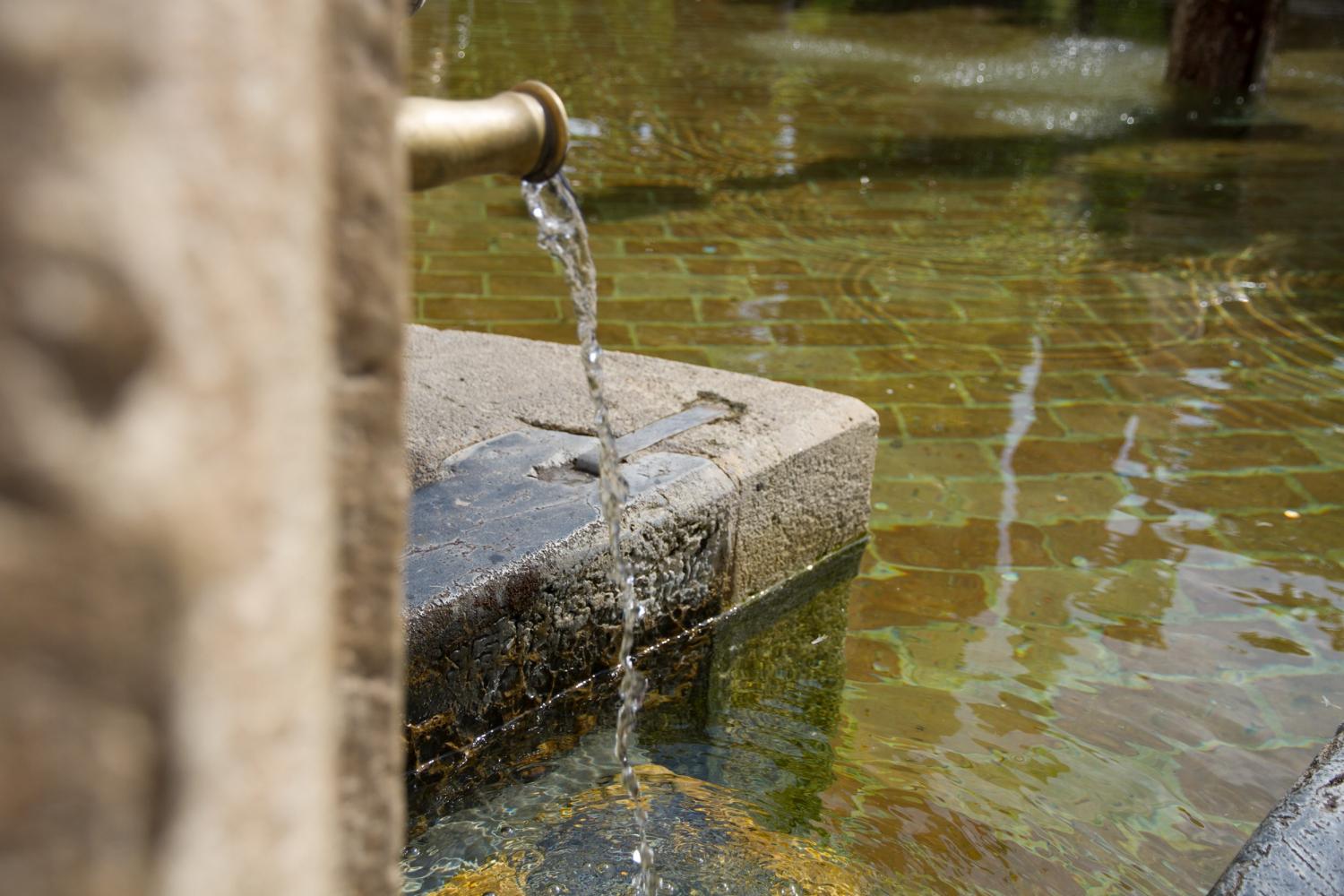
Water wells enable every property owner to draw water from the underground aquifers. This creates an independent source of water that does not depend on the municipal treatment facilities or city pipelines. For many semi-rural and rural properties, wells serve as the main water source. But the interest in private wells has expanded way beyond the remote regions as homeowners are looking for much better water security and long-term dependability. It has been reported that about 43 million individuals in the US obtain their drinking water from private groundwater wells. This shows how widely the groundwater systems are used across the country.
Reduced Dependence on Municipal Infrastructure
The municipal water systems rely heavily on the following:
- Storage facilities
- Pumping stations
- Pipelines
- Plants
Any problem within that network can have a massive impact on the water availability. The service interruptions, maintenance projects, infrastructure failures and water main breaks can lead to unforeseen disruptions. Private wells can lower the chances of all those challenges because the water source exists directly on the property.
This independence becomes very helpful in regions that experience instant population growth. As communities expand, the public water systems usually experience increased pressure to fulfill the rising demand. Property owners who have well-functioning wells can maintain much better control over access to water regarding the municipal system challenges.
Greater Flexibility for Agricultural and Commercial Use
Properties that have much higher water demands usually benefit greatly from the private wells. Agricultural operations require substantial amounts of water for irrigation, livestock, and crop production. Commercial facilities may also depend on large water volumes to support daily operations.
Municipal water restrictions can limit usage during drought conditions or periods of high demand. A private well can provide additional flexibility and help maintain operations when public systems impose conservation measures. This access allows businesses and agricultural properties to better manage their water needs without relying entirely on external supply networks.
Conclusion
As the demand for water keeps growing in the US, many property owners are now looking for dependable alternatives to the municipal water systems. Water wells can give direct access to groundwater, provide long-term control over water costs and availability and lower the dependence on public infrastructure. They can also offer additional security during periods of increased demand and service disruptions. For businesses, agriculture well drilling and homeowners looking for effective water solutions, John’s Well Drilling can offer top-tier well services backed by over 45 years of industry experience. The company provides geothermal wells, pump solutions, complete well system support, agricultural wells and irrigation wells throughout the Delaware region.
Frequently Asked Questions
Are private water wells safe for drinking water?
Yes. Well-maintained and properly constructed wells can offer secure drinking water. Periodic water testing can identify possible contaminants and ensure the water quality stays within the suggested standards.
Do private wells eliminate water bills?
Private wells usually eliminate the municipal water charges. But property owners are still responsible for occasional repairs, maintenance, pump operation and inspection.
Can a water well increase property value?
In some situations, yes. Gaining access to an independent water source might be viewed as a helpful feature, especially in agricultural or rural regions when dependable water access is necessary.
How long does a water well last?
Many wells can stay operational for decades when they are properly maintained and installed. The lifespan depends heavily on the ongoing maintenance, equipment performance, groundwater conditions and construction quality.
-

 Blog7 months ago
Simpcit6: Redefining Simplicity in a Complex World
-

 Blog12 months ago
Baddi Hub: An Emerging Industrial and Business Hotspot
-

 food12 months ago
Calamariere: How to Perfectly Prepare at Home
-

 Technology12 months ago
YourAssistantLive com: The Future of Smart Digital Assistance
-

 Health10 months ago
Nerovet AI Dentistry: Enhancing Patient Experience and Treatment Outcomes Dental Care
-

 Crypto12 months ago
Crypto30x.com vs Other Crypto Sites – Best Bitcoin Tools?
-

 Technology7 months ago
Voomixi com: The Digital Platform Redefining Online Interaction
-
 Business9 months ago
Top Benefits of Using Quality Wire Rope Lube in US Heavy Industry