
Travel
How Are RVs Easier to Travel Around With Than Hotels for Texas Road Trips?

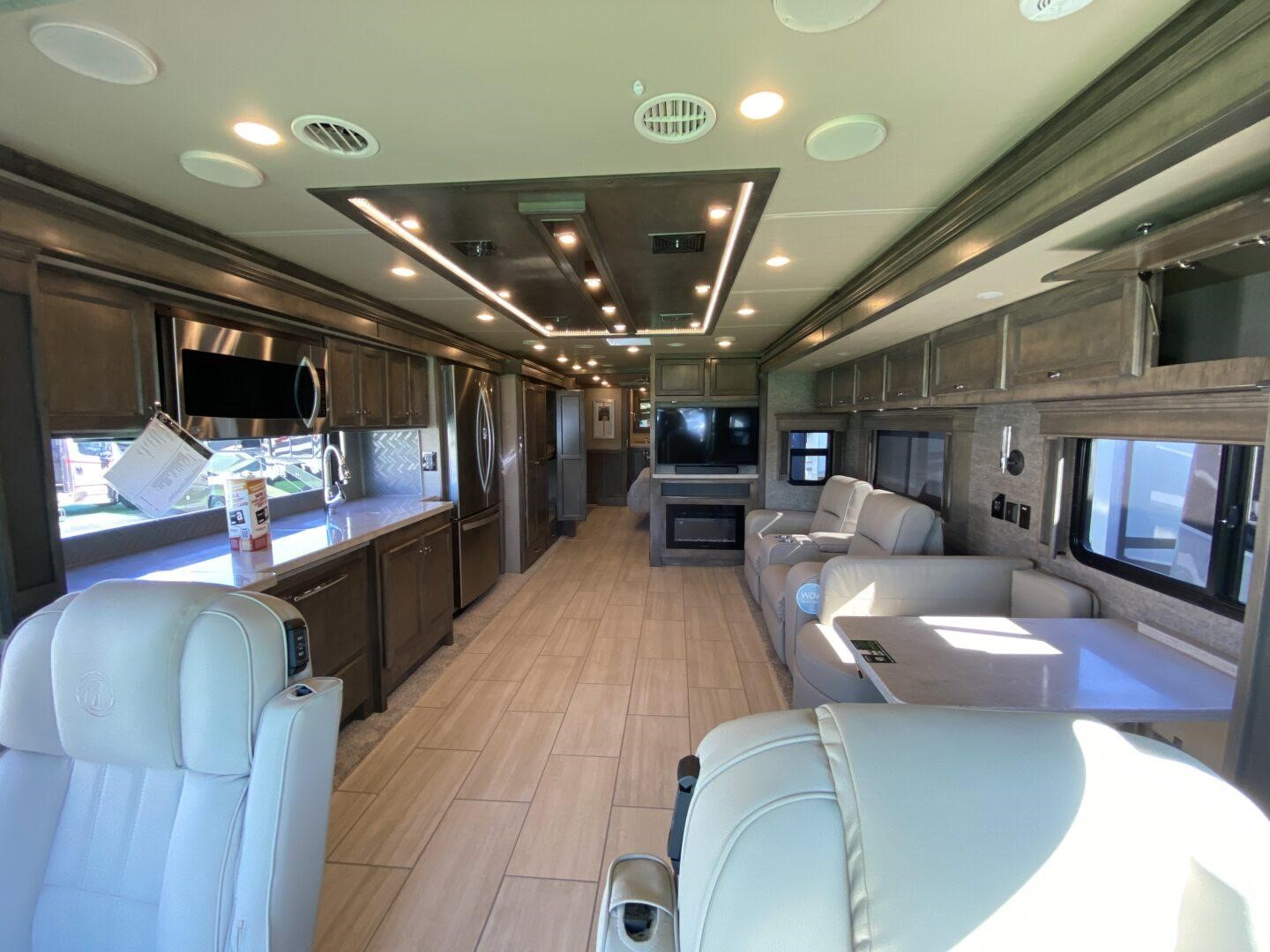
Texas road trips offer unparalleled diversity-from Gulf Coast beaches to West Texas mountains, from Hill Country wine country to Big Bend’s desert landscapes. Choosing between RV travel and traditional hotel stays fundamentally changes your travel experience, costs, and flexibility. For families and adventurers exploring the Lone Star State, working with the best RV Dealers in Texas helps you select the right RV that transforms how you experience Texas destinations.
The freedom to travel on your schedule without hotel check-in times, reservation hassles, or cramped rooms changes everything about road trip adventures.
Cost Savings: The Numbers Don’t Lie
Financial considerations drive many families toward RV travel, and legitimate data supports these decisions beyond anecdotal experiences.
Real Texas Trip Comparisons
The RV Industry Association conducted comprehensive studies comparing RV travel costs against hotel and flight combinations, finding RV travel saves 22-60% depending on group size and trip duration. Similar to how travelers find best cafes in United States through reliable platforms, cost-conscious families discover RV travel offers superior value through careful analysis.
Dallas to Big Bend National Park (600 miles each way):
- Hotel option: 3 nights lodging ($180/night = $540), meals ($200/day = $600), rental car ($300), fuel ($120) = $1,560 total
- RV option: Campground fees ($35/night = $105), groceries ($120), fuel ($360 for truck and trailer) = $585 total
- Savings: 37% with RV travel
Houston to South Padre Island (350 miles each way):
- Hotel option: 4 nights lodging ($160/night = $640), meals ($180/day = $720), gas ($100) = $1,460 total
- RV option: Campground fees ($45/night = $180), groceries ($160), fuel ($210) = $550 total
- Savings: 62% with RV travel for family of 4
Austin to Fredericksburg wine country (80 miles each way):
- Hotel option: 2 nights lodging ($200/night = $400), meals ($150/day = $300), gas ($30) = $730 total
- RV option: Campground fees ($50/night = $100), groceries ($80), fuel ($50) = $230 total
- Savings: 68% with RV travel
These examples assume family of four traveling together. Solo travelers or couples see smaller percentage savings but still benefit from reduced overall costs.
Where Savings Come From
Combined lodging and transportation creates primary savings. Hotels require separate vehicle rentals or personal vehicle usage plus nightly room charges. RVs merge these expenses into one investment, eliminating redundant costs.
Meal preparation savings accumulate quickly when cooking in your RV kitchen versus eating restaurant meals three times daily. A family of four spending $40-60 per restaurant meal pays $120-180 daily for three meals. The same family can prepare equivalent meals for $30-50 in groceries.
Multiple room elimination benefits large families dramatically. A family of six requiring two hotel rooms at $150 each spends $300 nightly versus $35-60 at most RV campgrounds regardless of family size.
Activity money reallocation happens when lodging and meal costs decrease, freeing budget for experiences like state park activities, attractions, and entertainment that create lasting memories.
Flexibility That Changes Everything
The rigid structure of hotel travel constrains spontaneity and forces adherence to predetermined schedules that often don’t match your mood or energy levels.
No Check-In/Check-Out Times
Hotel check-in rarely occurs before 3-4 PM, wasting prime afternoon hours sitting in lobbies or finding activities to kill time. Morning checkout by 11 AM forces early packing and rushing when you’d prefer a leisurely breakfast and gradual departure.
RV camping eliminates these artificial time constraints. Arrive at your campground when you’re ready, set up camp at your pace, and depart according to your schedule. Early risers can break camp at dawn, while night owls can sleep late without checkout pressure.
This flexibility particularly matters for families with young children whose schedules don’t conform to hotel timelines. If your toddler naps from 1-3 PM, you’re not forced to check out at 11 AM and figure out where to spend those hours.
Spontaneous Itinerary Changes
Discovering an unexpected attraction, receiving local recommendations, or simply enjoying a location more than anticipated becomes problematic with hotel reservations. Changing or canceling hotels incurs fees, requires finding new accommodations, and creates logistical headaches.
RV travelers call ahead to campgrounds or simply arrive at first-come sites without complex reservation juggling. Found a hidden swimming hole or small town you love? Stay an extra day. Ready to move on earlier than planned? Pack up and drive to your next destination.
Texas offers countless small towns, roadside attractions, and scenic detours that hotel-dependent travelers often skip due to reservation commitments. RV travelers explore these discoveries freely.
Avoiding Peak Pricing
Hotel rates skyrocket during Texas events-South by Southwest in Austin, Houston Livestock Show and Rodeo, Fort Worth Stock Show, State Fair of Texas, and numerous festivals throughout the year. Weekend rates in popular areas like Fredericksburg or Galveston can triple versus weekday pricing.
Campground rates remain remarkably consistent regardless of local events or seasonal demand. The same campsite costs $45 on a random Tuesday or during the busiest festival weekend, providing predictable budgeting.
This pricing stability extends to last-minute travel. Hotels near capacity charge premium rates for remaining rooms. Campgrounds with available sites charge standard rates regardless of occupancy levels.
Access to Remote Texas Areas
Texas’s best natural attractions often lack nearby hotels. Big Bend National Park, Guadalupe Mountains National Park, Palo Duro Canyon State Park, and numerous wildlife areas feature stunning landscapes but minimal nearby lodging.
Hotel-dependent travelers drive 60-90 minutes each way between accommodations and these remote destinations, losing 2-3 hours daily to transit. RV campers stay inside these parks, waking up to sunrise over the canyon or desert, accessing trails within minutes, and experiencing natural areas beyond day-visitor hours.
Padre Island National Seashore allows beach camping directly on the Gulf Coast. Hotel guests drive to beaches for day visits; RV campers fall asleep to wave sounds and wake up steps from the water.
Traveling with Family: The Space Advantage
Family travel transforms when everyone has adequate personal space and parents maintain some separation from children’s constant energy.
Multiple Hotel Rooms vs One RV
Families with 4+ members typically require two hotel rooms. Parents and young children can share one room, but teenagers and pre-teens need separate space for everyone’s sanity and sleep quality.
Two $150 hotel rooms cost $300 nightly plus tax, totaling $330-360 per night. This rapidly becomes the largest trip expense. A week-long vacation costs $2,100-2,520 just for lodging.
One RV accommodates the same family for campground fees of $35-60 nightly, saving $270-325 daily compared to hotels. Annual family vacation budget of $6,000 either covers 3-4 hotel trips or 10-12 RV adventures.
Everyone Stays Together
Multiple hotel rooms separate families across different rooms, floors, or even buildings. Parents can’t easily check on children, and family members can’t gather together without coordinating room visits.
RVs keep families in one space while providing separate sleeping areas. Parents occupy the master bedroom, children sleep in bunkhouses or convertible dinettes, and everyone shares common living areas during the day.
This proximity matters during evenings when families want to relax together, play games, or simply talk about the day’s adventures without going outside and knocking on another hotel room door.
Kids Have Their Own Space
While everyone stays together, bunkhouse RVs provide dedicated children’s areas separate from adult spaces. Kids can be kids-playing games, reading, watching movies-without feeling they’re disturbing parents.
Parents enjoy adult conversation in the main living area while children entertain themselves in the bunkhouse. This separation preserves everyone’s sanity during extended trips when personalities inevitably clash in close quarters.
Teenagers particularly appreciate having private space away from younger siblings and parents. The bunkhouse becomes their domain where they can listen to music, video chat with friends, or simply escape family togetherness when needed.
The Meal Situation: Control Your Budget and Diet
Food costs and dietary control represent significant advantages for RV travelers compared to hotel-dependent eating.
Hotel Dining vs RV Kitchen
Restaurant meals for family of four easily cost $80-120 for casual dining or $150+ for nicer establishments. Three daily meals total $200-300 in restaurant expenses-$1,400-2,100 weekly just for food.
RV kitchens equipped with refrigerators, stoves, microwaves, and cookware allow meal preparation at grocery prices. The same family spends $30-50 daily on groceries, totaling $210-350 weekly-saving $1,000-1,750 compared to restaurants.
Even factoring occasional restaurant meals for variety or convenience, RV travelers dramatically reduce food costs while maintaining meal quality and nutrition.
Dietary Restrictions Made Easy
Food allergies, religious dietary requirements, vegetarian or vegan preferences, and medical conditions like diabetes all complicate restaurant dining. Menu options limit choices, cross-contamination concerns create anxiety, and explaining requirements to servers grows tiresome.
RV kitchens eliminate these struggles. Cook exactly what you need, read ingredient labels carefully, and control preparation methods to avoid allergen exposure. Parents of children with severe food allergies particularly appreciate this control.
Religious dietary observers can maintain kosher or halal requirements easily when preparing own meals but face significant challenges finding compliant restaurant options in many Texas areas.
Texas BBQ on Your Terms
Texas prides itself on barbecue culture, and sampling regional BBQ represents an essential Texas experience. However, BBQ restaurant meals for families cost $60-100 per visit.
RV owners can purchase Texas brisket, ribs, and sausage from grocery stores or meat markets, then cook on campground grills or their RV’s outdoor kitchen. Enjoy authentic Texas BBQ at fraction of restaurant prices while controlling portions, sides, and accompaniments to your preferences.
Many Texas campgrounds feature community BBQ areas where families gather to cook and socialize. Participating in these informal gatherings creates memorable experiences impossible in hotel settings.
Convenience Factors Hotels Can’t Match
Beyond cost and space, RVs provide daily conveniences that accumulate into significant quality-of-life improvements over hotel travel.
No Daily Packing/Unpacking
Hotel-hopping requires packing suitcases, loading vehicles, driving to new hotels, unloading everything, and settling into new rooms every 1-2 days. This process consumes 1-2 hours per transition and creates fatigue and frustration.
RV travel means unpacking once at trip start. Your belongings stay organized in their assigned spaces throughout the journey. Moving to new destinations requires hooking up or starting the engine-no packing required.
This convenience particularly matters for families with young children who require significant gear-strollers, pack-n-plays, toys, books, diapers, and clothing. Loading and unloading this equipment multiple times becomes exhausting.
Pets Travel with You
Hotels charge pet fees of $25-75 nightly, restrict pet sizes, limit pet numbers, and prohibit pets from certain areas or times. Finding pet-friendly hotels in desired locations creates additional planning challenges.
Some Texas travelers board pets during trips, costing $30-50 daily at kennels-adding $210-350 weekly in pet care expenses plus guilt over leaving family members behind.
RVs allow pets to travel with you without fees, restrictions, or guilt. Your dog enjoys camping adventures alongside the family, explores new places during walks, and sleeps in familiar spaces rather than kennels.
Many campgrounds feature dog parks, pet washing stations, and walking trails where pets socialize and exercise. Dogs often enjoy RV camping more than staying home.
Bathroom Whenever You Need It
Long Texas drives between destinations test bladder capacity, especially for children, elderly travelers, and anyone with medical conditions. Rest stops don’t always appear when needed, and gas station bathrooms vary wildly in cleanliness.
RVs eliminate bathroom anxiety. Pull over anywhere safe and use your own clean bathroom without searching for facilities or waiting in lines. This convenience transforms long drives from stressful endurance tests to comfortable journeys.
Parents of young children particularly appreciate not needing to rush toward rest stops while children announce increasingly urgent bathroom needs.
Your Own Bed Every Night
Hotel bed quality varies dramatically. Firm mattresses, soft mattresses, flat pillows, excessive pillows, scratchy sheets, and mysterious stains create sleep disruption during trips when rest matters most.
Your RV contains your chosen mattress, your preferred pillows, and your familiar bedding. Sleep quality remains consistent regardless of location, helping you wake refreshed and ready for activities.
Couples with different mattress preferences can customize their RV bed to their needs rather than accepting whatever hotel provides. Back pain sufferers appreciate sleeping on their orthopedic mattress throughout trips.
Texas-Specific Travel Advantages
Texas’s unique geography, climate, and attractions create specific advantages for RV travelers that hotel-based visitors miss.
State Parks Immersion
Texas operates 89 state parks encompassing diverse ecosystems from coastal marshes to desert mountains. These parks offer Texas’s best natural beauty, but many lack nearby hotels.
RV camping inside state parks puts you in the heart of natural areas. Wake before dawn to photograph sunrise over Enchanted Rock, hear coyotes calling across Big Bend desert, or watch sea turtles nesting on Padre Island beaches-experiences impossible from distant hotels.
Staying inside parks grants access during golden hour photography times, eliminates driving, and lets you experience wildlife activity during dawn and dusk when animals are most active.
Day visitors must leave by park closing times, but overnight campers enjoy parks after day crowds depart and before they return. Evening stargazing at remote parks reveals night skies impossible to see near city hotels.
Festival and Event Camping
Texas Motor Speedway, Circuit of the Americas, Austin City Limits, SXSW, Houston Livestock Show and Rodeo, and countless festivals offer on-site or nearby RV camping. Park your RV, walk to events, and avoid traffic nightmares and surge-priced hotels.
Texas State Fair in Dallas becomes family tradition when you park your RV at nearby campgrounds and visit multiple days without fighting traffic or paying daily parking fees. Return to your RV for midday breaks when young children need naps or the October heat becomes excessive.
Music festivals like Austin City Limits see hotel prices triple while campgrounds maintain normal rates. Camping also creates community atmosphere as festival-goers gather, share experiences, and form friendships impossible in anonymous hotel settings.
Beach Access
Texas Gulf Coast offers 367 miles of beaches from South Padre Island to Galveston. Beach hotels command premium prices during summer and spring break, often exceeding $250-400 nightly for beachfront locations.
Campgrounds at Galveston Island State Park, Mustang Island State Park, and Padre Island National Seashore provide beach access for $20-45 nightly. Some locations allow beach camping directly on san
Continue
11:22
, letting you fall asleep to wave sounds.
RV beach camping means storing beach equipment, rinsing off sand, preparing meals, and relaxing without repeatedly packing up and driving between hotels and beaches. Families easily return to RVs for lunch, bathroom breaks, or escaping midday sun without losing beach parking spots.
Hill Country Exploration
Texas Hill Country’s small towns-Fredericksburg, Wimberley, Johnson City, Bandera, Kerrville-offer wineries, antique shops, German heritage, and scenic beauty. Exploring multiple towns requires flexible accommodation.
Hotels in popular towns like Fredericksburg book months ahead and charge premium rates. RV campgrounds throughout Hill Country provide bases for exploring several towns without advance reservations or paying hotel premiums.
Drive the scenic routes connecting these towns, stop at roadside farm stands, explore caverns and natural areas, then return to your campground without worrying about hotel checkout times or reservation conflicts.
When Hotels Make More Sense
RV travel isn’t ideal for every situation, and honest assessment helps you choose the right approach for different trips.
Quick business trips requiring professional appearance and meetings benefit from hotels’ business centers, reliable WiFi, and proximity to urban meeting locations. Driving large RVs into downtown Dallas, Houston, or San Antonio creates parking nightmares.
Single-night city stays don’t justify RV setup and breakdown time. Visiting San Antonio’s River Walk, Houston’s Museum District, or Dallas’s Arts District for one night works better with hotels.
When you don’t want to drive large vehicles through urban areas, hotels provide better access to cities. Big RVs struggle with parking garages, narrow streets, and height restrictions that limit access to many city attractions.
Short trips without tow vehicles become problematic if your RV is your only vehicle. Motorhome travelers either tow cars or face driving their large RVs for all local errands and sightseeing-inefficient for urban exploration.
Evaluate each trip individually rather than assuming RVs always provide the best solution. Many Texas RV owners use hotels for city trips and RVs for natural area exploration.
The Time Value
Time represents another dimension of RV advantages beyond obvious cost and convenience factors.
RVs eliminate time searching for restaurants three times daily. Hotel travelers spend 30-60 minutes each meal finding restaurants, waiting for tables, ordering, eating, and paying-totaling 2-3 hours daily just for meals.
RV families prepare and eat breakfast in 30-45 minutes, pack lunches for day activities, then cook dinner in 45-60 minutes. This saves 60-90 minutes daily that can be used for activities, relaxation, or extra sleep.
No time is lost to hotel check-in and checkout processes. Arriving at hotels means finding parking, unloading luggage, waiting in check-in lines, locating rooms, and settling in-often 30-45 minutes per transition.
RV check-in at campgrounds takes 5-10 minutes: provide reservation information, receive site assignment, and drive to your spot. Simple.
Real Texas RVer Testimonials
The Martinez family from Fort Worth traded hotel vacations for RV travel three years ago. “We calculated we were spending $4,500 on a week-long Colorado hotel trip for our family of five. Now we take 4-5 RV trips annually for about the same total cost. Our kids have seen more of America in three years than we saw in childhood.”
Dallas empty-nesters John and Linda purchased a Class C motorhome after retirement. “Hotels felt sterile and expensive. Our motorhome lets us chase warm weather from Texas to Arizona to Montana depending on season. We’re meeting fascinating people at campgrounds and actually spending less than when we traveled 2-3 times yearly staying in hotels.”
The Rodriguez family with a special needs child appreciates RV travel’s accommodations. “Our son requires specific diet and has sensory sensitivities. Hotels created daily stress managing his needs. The RV maintains his familiar environment and routines regardless of location. He’s actually enjoying travel now instead of enduring it.”
Conclusion
RVs fundamentally change how you experience Texas road trips through cost savings of 22-60%, flexibility that hotels can’t match, family-friendly space configurations, meal control, and countless daily conveniences. While hotel stays make sense for certain situations, RV travel delivers superior experiences for families exploring Texas’s natural areas, attending festivals, or taking extended trips.
The freedom to travel on your schedule, modify plans spontaneously, bring pets, sleep in your own bed, and wake up inside state parks transforms vacation experiences from logistical challenges into genuine adventures. Texas’s vast spaces, diverse attractions, and RV-friendly infrastructure make the Lone Star State ideal for RV exploration.
For families tired of expensive hotel rooms, inflexible schedules, and constant restaurant meals, RV travel offers liberation from these constraints while actually reducing costs. Your Texas adventures expand from 1-2 annual hotel trips to regular RV excursions throughout the year, creating memories and experiences impossible within hotel travel constraints.

Outdoor adventures can be simple or big. You may walk in a park, hike a trail, or travel to a new place. No matter where you go, your feet do most of the work. That is why good outdoor footwear is so important.
If you want comfort, safety, and style at the same time, choosing the right footwear matters. Keep reading to learn how to pick the perfect outdoor shoes for your next adventure.
Why Outdoor Footwear Is Important
Outdoor shoes are not the same as regular shoes. The ground outside can be rough, wet, or uneven. Without proper footwear, walking can become hard and even painful. Good outdoor footwear protects your feet from rocks, mud, and sharp objects while giving support on uneven ground.
Strong shoes help prevent slips and falls, keeping your feet stable whether you are hiking a mountain trail or walking through a forest path. In simple words, the right footwear keeps your feet safe and comfortable so you can enjoy the outdoors.
Comfort Should Always Come First
When choosing outdoor footwear, comfort should be your first priority. Shoes may look nice, but if they hurt your feet, they will not be useful. A comfortable shoe allows you to walk for hours without pain. Your feet should feel supported but not tight, and there should be room for your toes to move freely.
Breathable materials allow air to flow, keeping feet cool and dry even during long walks. Comfortable shoes help you enjoy outdoor adventures longer and make every step more pleasant.
The Importance of Strong Materials
Outdoor shoes face many tough conditions. Dirt, water, rocks, and long walks can wear down weak materials, which is why strong materials matter. Leather is one of the most durable options, providing long-lasting protection and shaping to your feet over time for improved comfort.
Synthetic materials are lighter and more flexible, and they often dry faster than leather, which is helpful on wet trails. Waterproof shoes help keep feet dry and prevent blisters, ensuring comfort during long outdoor trips.
Traction Helps You Stay Safe
Traction is the grip shoes have on the ground, and it is very important for outdoor footwear. Trails, hills, and muddy paths can be slippery, and without good traction, it is easy to lose balance.
Support Protects Your Body
Support is another key feature of outdoor footwear. Walking on uneven ground puts pressure on your feet and ankles, and without proper support, pain or injury can occur. Strong shoes provide firm heel support, arch support, and stable soles that keep your body balanced and reduce fatigue during long walks.
High-cut designs can also offer extra ankle coverage for added stability, which is helpful when hiking or navigating rough terrain. Proper support allows your feet to perform well without strain, making outdoor activities more enjoyable.
Protection from Weather and Terrain
Outdoor conditions can change quickly, and good footwear protects your feet from rain, mud, and rough surfaces. Water-resistant materials keep moisture out, while thick soles protect against sharp stones and uneven ground. Warm linings provide comfort in cold weather, and some footwear is designed for extreme environments to withstand the harshest conditions.
Many hikers trust Altberg boots for their reliable protection and durability in rugged terrain. Choosing shoes that suit the climate and terrain ensures your feet stay comfortable and safe throughout any outdoor adventure.
Style Can Go Hand in Hand with Function
In the past, outdoor footwear focused mainly on performance, but today it can also look stylish. Modern designs combine durability with fashion, so you can enjoy comfort while still looking good.
Neutral colors like black, brown, and gray make shoes easy to pair with everyday clothing, and some designs mix leather and fabric for a modern outdoor look. Stylish shoes are versatile enough to wear with hiking gear, casual outfits, or travel clothes, allowing you to move from trails to city streets without changing footwear.
Match Your Shoes to Your Activity
Not all outdoor shoes are designed for the same purpose. Hiking boots are strong and supportive, ideal for long hikes and rough terrain. Trail shoes are lighter and perfect for shorter walks or nature paths.
Outdoor work boots provide extra protection and durability for heavy outdoor tasks. Casual outdoor shoes focus on comfort and are great for relaxed walks, errands, or travel. Choosing shoes that match your activity ensures comfort, safety, and performance, making every outdoor experience more enjoyable.
Durability Makes a Big Difference
Outdoor shoes go through a lot of wear and tear, so strong construction is essential for lasting performance. Durable shoes often have reinforced stitching and thick rubber soles, while high-quality materials prevent early damage.
Although they may cost more initially, strong shoes save money over time because you do not need to replace them as often. Investing in well-made footwear means investing in comfort, safety, and reliability for many outdoor adventures to come.
Tips for Finding the Perfect Fit
Even the best shoes will not work if they do not fit properly. Always try on shoes before buying and test how they feel while walking. Trying shoes in the afternoon, when feet are slightly swollen, helps ensure an accurate fit.
Wearing the socks you plan to use outdoors and walking on different surfaces will show how comfortable and supportive the shoes are. Proper fit prevents blisters, discomfort, and injuries, making your outdoor experience more enjoyable from the first step.
Caring for Your Outdoor Footwear
Proper care helps outdoor shoes last longer and stay comfortable. Clean your shoes after outdoor trips to remove dirt and mud, and let them dry naturally away from strong heat sources.
Protective sprays or leather conditioners keep shoes water-resistant and flexible. Well-maintained footwear remains reliable and supportive for years, allowing you to enjoy countless outdoor adventures without replacing them too soon.
Walk Further with the Right Outdoor Footwear
Choosing the perfect outdoor footwear is about comfort, protection, and performance. Good shoes support your feet, guard against rough terrain, and keep you stable on all surfaces. They allow you to walk longer, reduce fatigue, and prevent injuries. At the same time, modern outdoor shoes look stylish, so you can wear them on trails or in daily life without compromising your style.
Consider your activities, the environment, and your personal comfort when picking your next pair of outdoor footwear. With the right shoes, every step becomes easier, every adventure becomes more enjoyable, and your feet are ready to take on any path ahead. Expand your knowledge and check out more posts on our blog!


Magellan Szoros stands as one of the most captivating and historically rich maritime passages in the world, connecting vast oceans while preserving a unique ecological and cultural identity. This remarkable strait, often associated with early exploration and maritime discovery, continues to attract historians, travelers, and environmental enthusiasts alike. Its dramatic landscapes, combined with its historical significance, create a destination that seamlessly blends nature with human legacy. Understanding Magellan Szoros means diving deep into both its geographical wonders and its timeless stories.
The importance of Magellan Szoros extends beyond its physical beauty, as it has served as a crucial navigation route for centuries. From early explorers seeking new trade routes to modern-day adventurers, this strait has witnessed countless journeys that shaped global history. Its rugged coastlines, unpredictable weather, and breathtaking scenery make it both a challenge and a marvel. As we explore, we uncover a narrative that intertwines nature, exploration, and cultural evolution.
Historical Significance of Magellan Szoros
Magellan Szoros gained worldwide recognition during the Age of Exploration when European navigators searched for a western route to Asia. This strait played a pivotal role in opening new maritime pathways, allowing ships to bypass longer and more dangerous routes. Its discovery marked a turning point in global trade and exploration, establishing it as a cornerstone of nautical history. The passage became a symbol of human determination and curiosity.
Over time, Magellan witnessed numerous expeditions, each contributing to its legendary status. Early sailors faced immense challenges navigating its narrow channels and unpredictable currents, yet their perseverance transformed the strait into a vital link between oceans. The stories of these journeys continue to inspire historians and travelers, preserving the legacy of exploration that defines Szoros.
Geographical Features of Magellan Szoros
The geography of Magellan Szoros is both complex and mesmerizing, characterized by winding waterways, steep cliffs, and diverse ecosystems. The strait cuts through rugged terrain, offering stunning views of mountains, glaciers, and dense forests. Its unique formation creates a natural corridor that connects two major bodies of water, making it a crucial geographical landmark.
In addition to its striking landscapes, is known for its challenging navigation conditions. Strong winds, shifting tides, and sudden weather changes make it a demanding passage for sailors. Despite these challenges, the natural beauty of the region continues to captivate those who venture into its waters, providing an unforgettable experience.
Biodiversity and Natural Ecosystem of Magellan Szoros
Magellan Szoros is home to a rich and diverse ecosystem that supports a wide range of flora and fauna. The surrounding waters are teeming with marine life, including various species of fish, seals, and whales. The coastal areas provide habitats for numerous bird species, making it a haven for wildlife enthusiasts and researchers.
The ecological significance of extends beyond its biodiversity, as it plays a crucial role in maintaining environmental balance. The region’s unique climate and geography create conditions that support both terrestrial and marine ecosystems. Conservation efforts have become increasingly important to protect this natural treasure for future generations.
Climate and Weather Patterns in Magellan Szoros
The climate of Magellan Szoros is known for its unpredictability, with rapid changes in weather conditions being a common occurrence. Strong winds, frequent बारिश, and cold temperatures define the region, making it a challenging environment for both residents and travelers. These weather patterns contribute to the strait’s reputation as a formidable maritime route.
Despite its harsh conditions, the climate of Magellan Szoros adds to its unique charm. The interplay of sunlight, clouds, and mist creates breathtaking दृश्य that enhance the natural beauty of the region. Understanding the weather patterns is essential for anyone planning to explore, as it greatly influences navigation and travel experiences.
Cultural Importance of Magellan Szoros
Magellan Szoros holds significant cultural value, as it has been inhabited by indigenous communities for centuries. These communities have developed deep connections with the land and sea, preserving traditions and knowledge that reflect their unique way of life. Their cultural heritage adds depth and meaning to the region’s historical narrative.
The influence of Magellan Szoros extends to art, literature, and folklore, where it is often depicted as a symbol of adventure and resilience. The stories and traditions associated with the strait continue to inspire creativity and cultural expression. Exploring offers not only a glimpse into its natural beauty but also an opportunity to appreciate its rich cultural heritage.
Economic Role of Magellan Szoros
Magellan Szoros plays a vital role in regional and global economies, particularly in terms of maritime trade and tourism. The strait serves as an important shipping route, facilitating the movement of goods between oceans. Its strategic location makes it a valuable asset for international التجارة and navigation.
In addition to its role in trade, has become a popular destination for tourism. Visitors are drawn to its stunning landscapes, historical significance, and unique experiences. The growth of tourism has contributed to local economies, providing opportunities for development while highlighting the importance of sustainable practices.
Tourism and Travel Experience in Magellan Szoros
Traveling through Magellan Szoros offers an unparalleled experience, combining adventure, history, and natural beauty. Visitors can explore its waterways, observe wildlife, and immerse themselves in its breathtaking surroundings. The strait provides a unique opportunity to witness the raw power and beauty of nature.
Tourism in Magellan Szoros has evolved to include a variety of activities, from guided tours to самостоятельные expeditions. Travelers can enjoy scenic cruises, hiking, and cultural experiences that showcase the region’s diversity. The allure of continues to attract explorers from around the world.
Table: Key Features of Magellan Szoros
| Aspect | Description |
|---|---|
| Location | Connects major oceans through a natural maritime passage |
| Historical Role | महत्वपूर्ण route during global exploration |
| Climate | Cold, windy, and unpredictable |
| Biodiversity | Rich marine and terrestrial ecosystems |
| Tourism Appeal | Scenic landscapes and historical significance |
| Economic Importance | Trade and tourism hub |
The table above highlights the essential aspects of Magellan Szoros, offering a concise overview of its significance. Each feature contributes to the overall importance of the strait, making it a multifaceted destination. Understanding these elements helps in appreciating the complexity and value.
In addition to these key features, Magellan Szoros continues to evolve as a region of interest for researchers and travelers. Its dynamic environment and historical relevance make it a subject of ongoing study and exploration. The combination of natural and human elements ensures that remains a fascinating topic.
Environmental Challenges Facing Magellan Szoros
Like many natural regions, Magellan Szoros faces environmental challenges that threaten its ecosystems and biodiversity. Climate change, pollution, and increased human activity have begun to impact the delicate balance of the region. Addressing these issues is crucial to preserving its natural beauty and ecological significance.
Efforts to protect Magellan include conservation initiatives and sustainable tourism practices. Governments and organizations are working together to minimize environmental impact and promote awareness. These اقدامات are essential for ensuring that future generations can continue to experience the wonders.
Future Prospects of Magellan Szoros
The future of Magellan Szoros depends on a balance between development and conservation. As interest in the region grows, it is important to implement strategies that protect its natural and cultural heritage. Sustainable practices can help maintain the integrity of the strait while allowing for responsible exploration.
Innovation and research will play a key role in shaping the future. Advances in technology and environmental science can provide new insights into its ecosystems and التاريخ. By embracing sustainable approaches, can continue to thrive as a symbol of natural beauty and historical significance.
Conclusion
Magellan Szoros represents a unique blend of history, nature, and culture that continues to captivate the world. Its significance as a maritime passage, combined with its stunning landscapes, makes it a destination of global importance. Exploring this remarkable strait offers a journey through time and nature.
As we reflect on the legacy, it becomes clear that its value extends beyond its physical boundaries. It serves as a reminder of human exploration, environmental beauty, and cultural richness. Preserving and appreciating ensures that its story will continue to inspire generations to come.

Outdoor exploration has always inspired curiosity, resilience, and a deeper connection with nature. In recent years, the concept of Teren Cill has emerged as a comprehensive approach to outdoor adventures, blending exploration, preparation, sustainability, and personal growth into one transformative journey. Whether you are a beginner seeking fresh air beyond city limits or an experienced adventurer aiming to elevate your outdoor experiences, this guide provides a complete understanding of what it truly means to embrace adventure in its most authentic form.
Teren Cill is more than a phrase; it represents a philosophy centered on mindful exploration, strategic planning, and respect for natural environments. From mountain trails and forest expeditions to coastal journeys and desert escapes, this guide will help you navigate every aspect of outdoor living with confidence and clarity.
Understanding Teren Cill and Its Core Philosophy
At its heart, Teren Cill reflects a mindset that prioritizes intentional adventure. Instead of rushing into outdoor activities without preparation, this philosophy emphasizes knowledge, safety, and environmental awareness. The concept promotes balance between thrill and responsibility, ensuring that every journey contributes positively to both personal growth and ecological preservation.
The foundation of this philosophy lies in three core elements: preparation, immersion, and sustainability. Preparation ensures that adventurers equip themselves with the right skills and tools. Immersion encourages deep engagement with natural surroundings. Sustainability guarantees that exploration does not harm ecosystems or future opportunities for others.
By adopting this approach, outdoor enthusiasts can move beyond casual travel and embrace meaningful experiences that shape their perspectives and build resilience.
The Growing Popularity of Teren Cill in Modern Outdoor Culture
In today’s fast-paced digital world, more people are turning to nature for balance and restoration. The rise of hiking communities, camping networks, and eco-tourism initiatives reflects a broader shift toward intentional outdoor experiences. Teren Cill has gained attention because it combines adventure with mindfulness and environmental stewardship.
Social media has played a significant role in showcasing breathtaking landscapes, but the philosophy behind this concept goes deeper than aesthetics. It encourages preparation before posting and learning before leaping. Rather than treating outdoor adventures as quick escapes, it positions them as transformative journeys that enhance physical health, mental clarity, and emotional resilience.
As more travelers seek authentic experiences over superficial tourism, this approach continues to resonate with individuals looking for deeper connections with nature.
Planning Adventures Through the Lens of Teren Cill
Effective planning is essential for any successful outdoor experience. The philosophy behind Teren Cill emphasizes structured preparation that includes destination research, weather analysis, safety considerations, and environmental impact awareness.
Before embarking on a journey, adventurers should evaluate terrain difficulty, seasonal conditions, and local regulations. Understanding the environment ensures not only safety but also respect for wildlife and ecosystems. Preparation also involves physical readiness, mental focus, and logistical organization.
The table below highlights essential planning components for outdoor adventures:
| Planning Element | Description | Importance Level |
|---|---|---|
| Destination Research | Study geography, terrain, and local guidelines | High |
| Weather Assessment | Monitor forecasts and seasonal variations | High |
| Equipment Preparation | Select appropriate gear for terrain | High |
| Safety Measures | Emergency plans and communication methods | Critical |
| Environmental Awareness | Leave-no-trace practices and conservation | Critical |
By systematically addressing these elements, adventurers can ensure that their journeys are safe, rewarding, and environmentally responsible.
Essential Gear and Equipment for Teren Cill Experiences
Outdoor exploration demands proper equipment tailored to the environment. The philosophy of Teren Cill stresses quality over quantity, focusing on essential gear that enhances safety and comfort without unnecessary excess.
Clothing should be adaptable to climate conditions, favoring moisture-wicking fabrics and layered systems. Footwear must match terrain demands, whether for rocky trails, sandy dunes, or forest paths. Navigation tools, hydration systems, and first-aid supplies are equally important.
The following table outlines fundamental gear categories:
| Gear Category | Recommended Items | Purpose |
|---|---|---|
| Clothing | Layered apparel, weather-resistant jackets | Climate adaptation |
| Footwear | Trail shoes, hiking boots | Stability and protection |
| Navigation | Map, compass, GPS device | Direction and route safety |
| Hydration | Water bottles, purification tablets | Health and endurance |
| Safety | First-aid kit, whistle, flashlight | Emergency preparedness |
Investing in reliable gear reduces risk and enhances confidence during outdoor expeditions.
Exploring Diverse Landscapes with Teren Cill
One of the most exciting aspects of this philosophy is its adaptability to diverse environments. Mountain landscapes offer breathtaking views and physical challenges that test endurance. Forest trails provide serene immersion in biodiversity and fresh air. Coastal regions invite exploration of marine ecosystems and sandy horizons. Desert environments present unique survival challenges and striking natural beauty.
Each landscape requires a distinct approach to preparation and engagement. High-altitude areas demand acclimatization, while coastal environments call for tide awareness and weather monitoring. Forest trails require attention to wildlife habitats and conservation practices.
By tailoring preparation to specific terrains, adventurers can experience each environment fully while minimizing environmental impact.
Health and Wellness Benefits of Teren Cill Adventures
Outdoor exploration offers profound physical and mental health benefits. Regular hiking, climbing, or camping strengthens cardiovascular health, improves muscular endurance, and enhances flexibility. Exposure to natural sunlight supports vitamin D production, while fresh air contributes to respiratory well-being.
Beyond physical health, engaging with nature fosters emotional balance and mental clarity. Research consistently shows that time spent in natural settings reduces stress and anxiety. The philosophy behind Teren Cill amplifies these benefits by encouraging mindful immersion rather than distracted participation.
This holistic approach ensures that outdoor experiences contribute to long-term well-being rather than temporary excitement.
Environmental Responsibility and Sustainable Practices in Teren Cill
Sustainability stands as a cornerstone of this philosophy. Responsible exploration includes minimizing waste, respecting wildlife, and preserving ecosystems for future generations. The leave-no-trace principle encourages adventurers to carry out all waste, avoid damaging vegetation, and remain on designated trails.
Sustainable travel also involves supporting local communities and eco-friendly initiatives. Choosing environmentally conscious accommodations and reducing single-use plastics are simple yet impactful actions.
The table below summarizes key sustainability practices:
| Sustainable Practice | Description | Environmental Impact |
|---|---|---|
| Leave No Trace | Remove waste and avoid environmental damage | High Positive |
| Eco-Friendly Gear | Use reusable and biodegradable materials | Moderate Positive |
| Wildlife Respect | Observe animals without interference | High Positive |
| Community Support | Engage with local businesses responsibly | Moderate Positive |
Through mindful choices, adventurers can ensure that exploration enhances rather than harms natural environments.
Overcoming Challenges and Building Resilience Through Teren Cill
Outdoor adventures inevitably present challenges such as unpredictable weather, physical fatigue, and navigation difficulties. Embracing these obstacles fosters resilience and adaptability. The philosophy behind Teren Cill views challenges as opportunities for growth rather than setbacks.
Learning to navigate difficult terrain builds problem-solving skills. Adapting to sudden weather changes enhances decision-making under pressure. These experiences cultivate confidence that extends beyond outdoor environments into everyday life.
By approaching challenges with preparation and composure, adventurers transform obstacles into milestones of personal development.
Technology and Modern Tools Supporting Teren Cill
While nature remains the central focus, modern technology can enhance safety and planning. GPS devices, weather applications, and emergency communication tools provide valuable support without diminishing the authenticity of the experience.
Digital mapping tools allow adventurers to explore unfamiliar regions with greater confidence. Portable solar chargers ensure devices remain functional during extended trips. However, the philosophy emphasizes balanced use of technology, encouraging individuals to disconnect when appropriate to fully engage with their surroundings.
This integration of tradition and innovation ensures safe yet immersive outdoor journeys.
Building Community Around Teren Cill Adventures
Outdoor exploration often fosters meaningful connections among like-minded individuals. Group hikes, camping meetups, and conservation initiatives create opportunities for shared experiences and collaborative learning.
Community involvement strengthens safety, encourages knowledge exchange, and builds lasting friendships rooted in shared passion. Engaging with outdoor networks also promotes environmental advocacy and responsible travel practices.
By participating in collective adventures, individuals expand their horizons while reinforcing the core values of mindful exploration.
The Future of Teren Cill in Global Outdoor Exploration
As environmental awareness continues to grow, the principles behind Teren Cill are likely to shape the future of outdoor culture. Increasing focus on sustainability, wellness, and responsible travel aligns perfectly with this philosophy.
Emerging trends such as eco-tourism, regenerative travel, and community-based conservation further reinforce the importance of mindful exploration. By adopting sustainable practices today, adventurers contribute to preserving natural spaces for generations to come.
The future of outdoor exploration depends not only on discovering new destinations but also on protecting existing ones. Through continued commitment to preparation, immersion, and sustainability, this philosophy will remain relevant in an ever-changing world.
Conclusion
Outdoor adventure offers far more than scenic views or adrenaline rushes. Through preparation, mindfulness, and environmental responsibility, Teren Cill transforms exploration into a lifestyle centered on growth and respect for nature.
By understanding its philosophy, planning strategically, equipping responsibly, and prioritizing sustainability, individuals can embark on journeys that enrich both personal well-being and the planet. As more people seek meaningful connections beyond digital boundaries, this comprehensive approach to outdoor adventures stands as a guiding framework for safe, fulfilling, and transformative experiences.
-

 Blog2 months ago
Simpcit6: Redefining Simplicity in a Complex World
-

 Blog6 months ago
Baddi Hub: An Emerging Industrial and Business Hotspot
-

 Technology6 months ago
YourAssistantLive com: The Future of Smart Digital Assistance
-

 food6 months ago
Calamariere: How to Perfectly Prepare at Home
-

 Health5 months ago
Nerovet AI Dentistry: Enhancing Patient Experience and Treatment Outcomes Dental Care
-

 Technology2 months ago
Voomixi com: The Digital Platform Redefining Online Interaction
-

 Technology5 months ago
Anonibs: The Trending Anonymous Image Board Platform
-

 HomeImprovment5 months ago
Acamento: How Finishing Techniques Define a Building’s Style