
Health
The Comfort of Staying Home While Receiving the Help You Need

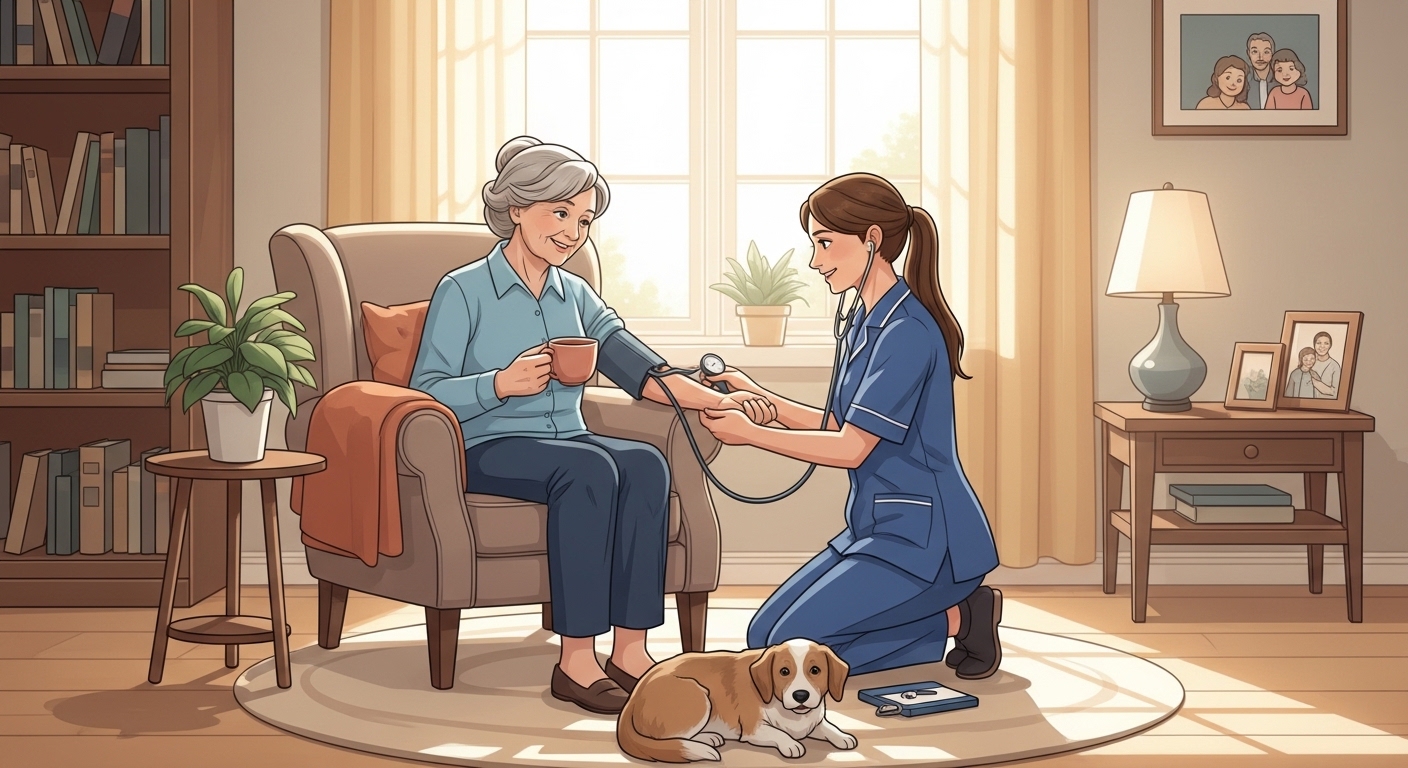
Home is more than a place to sleep. It is where memories live and daily life feels familiar. A favorite chair, a warm kitchen, and a quiet garden can bring immense comfort and peace. Staying home helps people feel safe and calm.
For people who need help with daily tasks, leaving home can feel stressful. Moving to a new place may mean losing familiar spaces and routines. Still, support is important when daily activities become hard to manage alone.
Because of this, many families look for care that comes to the home. With the right help, people can stay where they feel comfortable and safe. Read more to see why home care is a comforting choice for many families.
Why Home Feels Safer and More Comforting
Home gives comfort that is hard to find anywhere else. People know the space, the rooms, and the daily routine. This helps them feel calm and safe. For older adults or people healing from illness, a familiar place can lower stress and worry.
Life often feels easier in a place someone knows well. They know where things are and how their day usually goes. Simple actions like making tea, opening a window, or sitting in a favorite chair can bring comfort and peace.
Staying home also helps people stay close to their community. They may see neighbors, visit a nearby park, or enjoy the area they have known for years. These small moments help people feel connected and independent.
Support That Fits Everyday Life
Home-based care is designed to work around the person’s normal routine rather than forcing them to adapt to a new environment. Caregivers can assist with tasks that may have become difficult, such as preparing meals, organizing medication, or helping with mobility around the house.
This type of care can also support personal needs like bathing, dressing, or maintaining a clean living space. Because the support takes place in the home, the assistance often feels more natural and less disruptive.
Family members also benefit from this arrangement. When a trusted caregiver is present, loved ones can feel confident that the person they care about is safe and supported. It allows families to spend more meaningful time together instead of focusing only on daily responsibilities.
Building a Relationship with a Caregiver
One of the unique benefits of home care is the relationship that develops between the caregiver and the person receiving support. Over time, the caregiver learns about the individual’s preferences, routines, and personality.
This connection can create a strong sense of trust. The caregiver becomes more than just someone who helps with tasks. They often become a friendly companion who listens, talks, and shares moments throughout the day.
These human connections are important for emotional health. Simple conversations, shared meals, or quiet moments together can help reduce feelings of loneliness. The presence of a caring companion can brighten the day and provide reassurance.
Personalized Care in a Familiar Setting
Every person has different needs, and home care allows support to be adjusted to match those needs. Some people may only need help for a few hours each day, while others may require more consistent assistance.
In some cases, families choose services such as live in care Taunton, where a caregiver stays in the home to provide ongoing support. This arrangement ensures that help is available throughout the day and night, creating a strong sense of security.
Because the care takes place in the individual’s own environment, routines can remain flexible. Meals can be prepared according to personal tastes, activities can match personal interests, and daily life can continue in a comfortable and familiar rhythm.
Supporting Independence and Confidence
Many people worry that needing help will take away their independence. In reality, the right support can actually protect independence. When assistance is available for challenging tasks, individuals can focus on the activities they still enjoy.
For example, someone may need help with heavy household chores but still enjoy gardening, reading, or spending time with family. With the right caregiver, these activities can remain part of daily life.
Maintaining independence also supports confidence. When people feel capable of making choices and managing their routine, they often experience greater emotional well-being. The goal of home-based care is not to replace independence but to support it.
Peace of Mind for Families
Families often carry a deep concern for the well-being of their loved ones. When a parent, grandparent, or family member begins to struggle with daily tasks, it can create worry and emotional stress.
Home care can provide peace of mind. Knowing that a trained caregiver is present allows family members to feel more relaxed about their loved one’s safety and comfort. It also reduces the pressure on family caregivers who may already have many responsibilities.
Instead of feeling overwhelmed, families can focus on spending quality time together. Conversations, shared meals, and special moments can return to the center of family life.
The Emotional Value of Staying Home
Staying at home allows people to remain surrounded by their memories and personal belongings. Photos on the wall, favorite books on a shelf, and familiar furniture all hold emotional meaning.
These personal details can support emotional health, especially for older adults. Being surrounded by memories helps people feel grounded and connected to their life story.
The ability to wake up in one’s own bed, walk through familiar rooms, and enjoy the same daily surroundings can provide a sense of stability that supports overall well-being.
When Comfort and Care Work Together
Staying home is something many people desire. Home represents safety, identity, and a lifetime of memories. When care can be brought into that space, it creates a powerful balance between support and independence.
Modern home care services make this balance possible. With compassionate caregivers and flexible support, individuals can continue living in a place that feels familiar and meaningful.
When comfort and care work together, the result is a life that feels both supported and deeply personal. Receiving help no longer means leaving home behind. Instead, it allows people to continue living in the place that has always meant the most.
For more on this content, visit the rest of our blog!

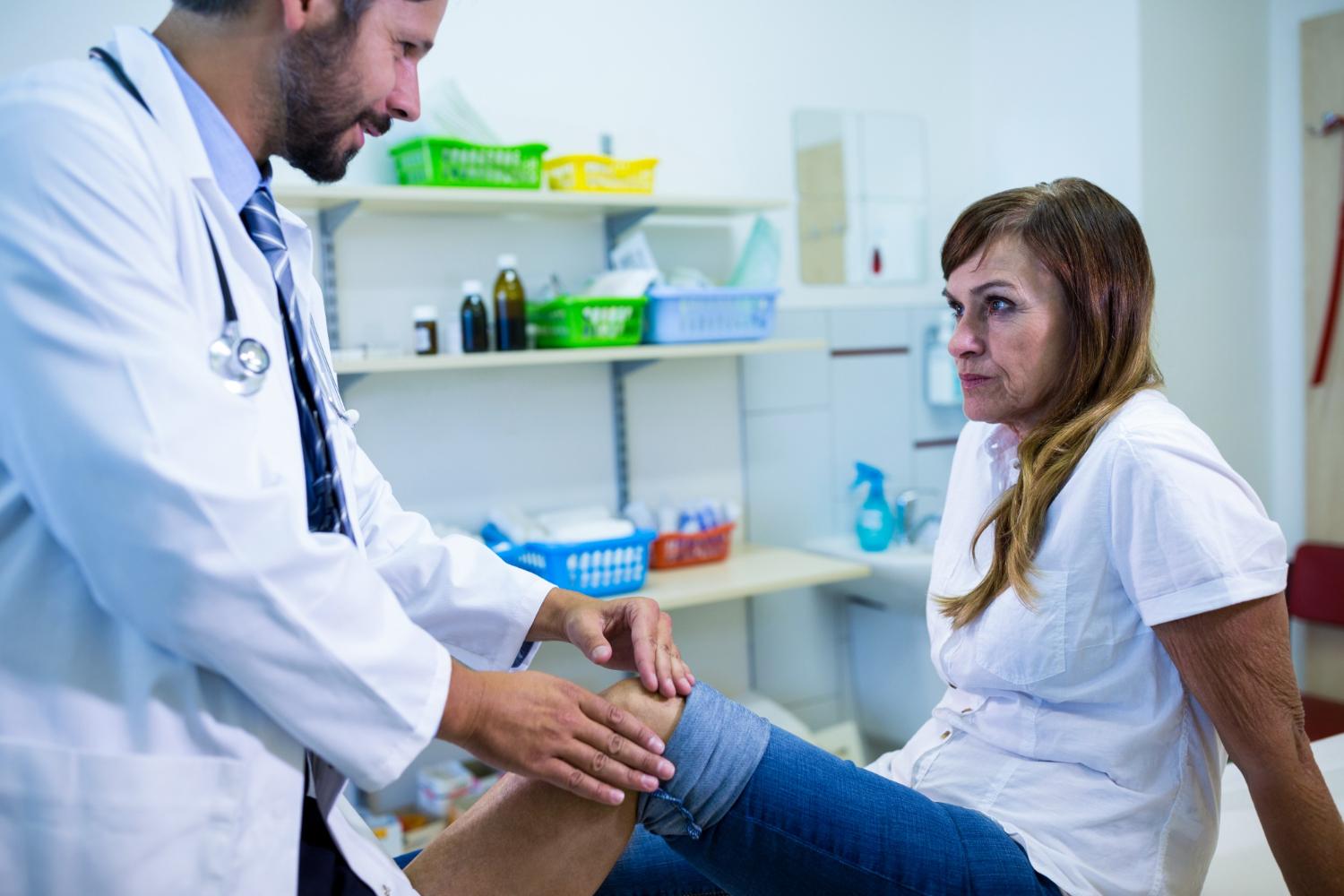
Car accidents can change a person’s life in seconds. Even small collisions can lead to injuries that can affect the body for weeks, months, or even longer than that. Although some of the injuries are obvious right away, many of them are said to develop gradually over time. To make sure you recover properly, it is essential to take the correct approach to care. This is where a good orthopedic specialist doctor, along with a pain management program, comes in. They can help in diagnosing injuries, handle the ongoing pain well and treat the root cause. This post offers clear insight into how a good pain management program and an orthopedic physician can help in treating injuries after an auto accident.
What are Auto Accident Injuries?
Auto accidents usually cause damage to the musculoskeletal system, which consists of the joints, ligaments, muscles, and bones. All these injuries can range from mild to severe and might include the following:
- Spinal injuries and herniated discs
- Whiplash
- Ligament tears and muscle strains
- Dislocations and fractures
Such injuries are very common due to the strong forces involved in the collisions, even during low speeds. In many situations, symptoms, such as headaches, stiffness, or pain, might not appear instantly. Rather than that, they can develop in hours or days. This delayed response makes medical evaluations extremely important.
Orthopedic Specialist: How Do They Help?
An orthopedic expert keeps their focus on diagnosing and even treating the injuries linked to soft tissues, joints and bones. They offer their assistance in the following manner:
Proper Diagnosis
After the auto accident, it is not that easy to detect what is wrong. An orthopedic doctor takes the help of tools, such as MRIs and X-rays to spot spinal problems, ligament damage, and fractures. They have the skills to detect injuries that might not be obvious during the general check-up
Treating the Main Cause
Orthopedic specialists go beyond treating symptoms. They focus on fixing the actual injury. Here are some of the examples:
- A fracture may need immobilization or surgery
- A torn ligament may require therapy or repair
- A herniated disc may need targeted treatment
Early diagnosis and treatment can prevent long-term complications and improve recovery outcomes.
Restoring the Mobility and Function
One of the main goals of orthopedic care is to help patients regain movement and strength. Without proper treatment, injuries can lead to reduced mobility or chronic conditions. Early care helps restore normal function and prevent lasting damage.
The Significance of Pain Management
While orthopedic care keeps its focus on healing injuries, pain management focuses on enhancing the quality of life and comfort. Pain after an auto accident can be complicated. It might come from muscle tension, nerve irritation, and even inflammation. In some situations, it can become severe if it is not treated properly. Here is what pain management can do:
Control the Pain Early
Pain management specialists use different methods to reduce discomfort, including:
- Medications
- Physical therapy
- Injections
- Minimally invasive procedures
These treatments help control pain while the body heals.
Prevent Chronic Pain from Taking Place
If pain is not managed early, it can turn into a long-term condition. Some injuries, such as whiplash or spinal damage, may lead to ongoing pain if left untreated. A structured pain management plan helps prevent this progression.
Supports the Recovery
Pain can limit your ability to move, exercise, or attend therapy sessions. It reduces the pain, and treatment allows you to participate fully in rehabilitation, which improves overall recovery.
Conclusion
Auto accident injuries can be a lot more complex than they appear. From the long-term pain conditions to the hidden soft tissue damage, effective care is important for recovery. An orthopedic expert can help in diagnosing and treating the underlying injury. A good pain management plan, on the other hand, ensures that the discomfort is properly controlled and the recovery remains on track. Together, they can provide an effective and complete approach to healing. When you are looking for proper pain management in my area, visiting Injury Clinics of Arizona might be the right option. They do understand the value of this combined care, and they offer both customized pain management plans and orthopedic evaluations. They also help patients recover securely, regain their quality of life after the accident, and lessen the long-term complications.

-

 Blog3 months ago
Simpcit6: Redefining Simplicity in a Complex World
-

 Blog7 months ago
Baddi Hub: An Emerging Industrial and Business Hotspot
-

 Technology7 months ago
YourAssistantLive com: The Future of Smart Digital Assistance
-

 food7 months ago
Calamariere: How to Perfectly Prepare at Home
-
 Health6 months ago
Nerovet AI Dentistry: Enhancing Patient Experience and Treatment Outcomes Dental Care
-

 Technology3 months ago
Voomixi com: The Digital Platform Redefining Online Interaction
-

 Business4 months ago
Top Benefits of Using Quality Wire Rope Lube in US Heavy Industry
-

 Technology6 months ago
Anonibs: The Trending Anonymous Image Board Platform