
Lifestyle
Understanding Different Types of Child Custody

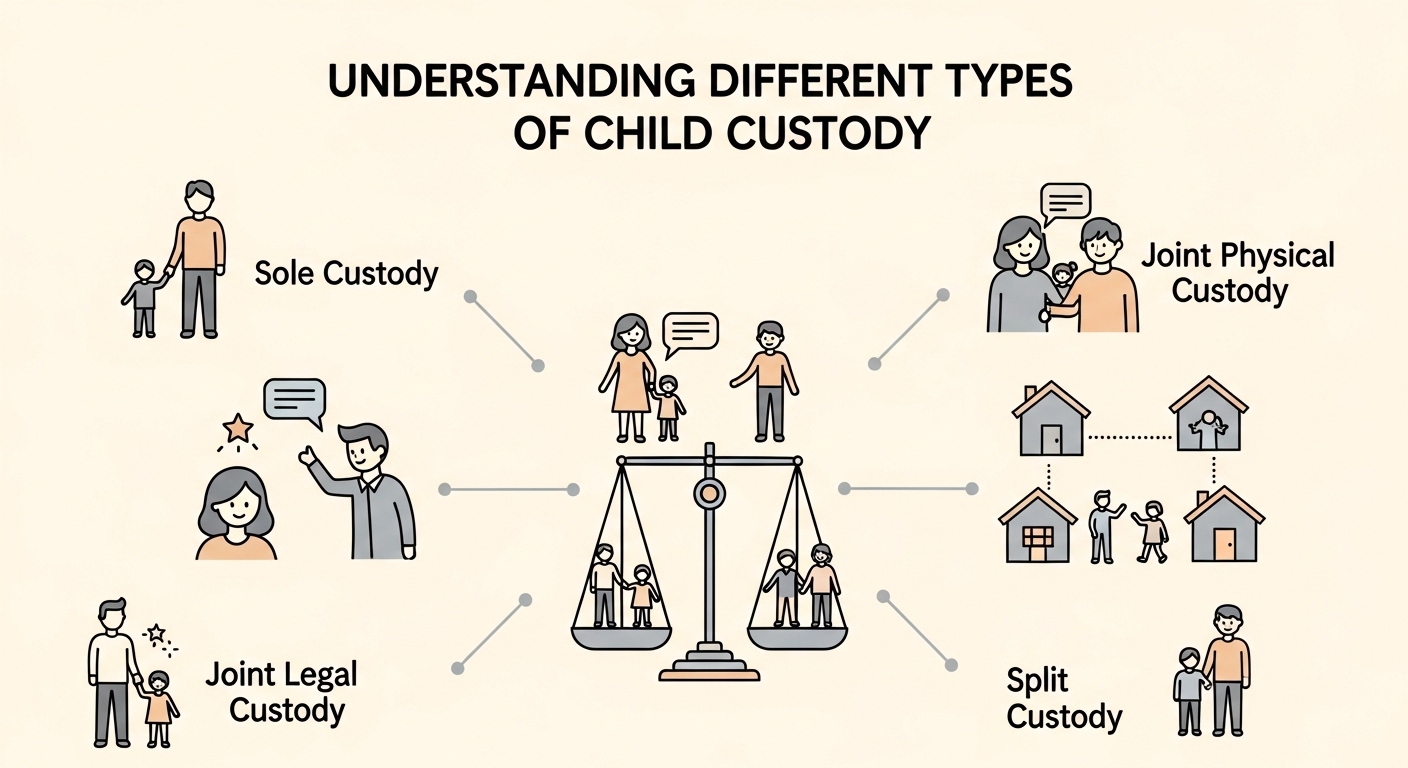
Child custody is one of the most important issues to resolve during a separation or divorce. Custody arrangements determine how parents share responsibilities and make decisions regarding their child’s upbringing. Understanding the different types of child custody is essential to ensure the child’s best interests are protected while providing clarity for both parents. Working with an experienced child custody lawyer can help guide you through the legal process and ensure that your rights and your child’s needs are fully considered.
What Is Child Custody?
Child custody refers to the legal and practical arrangements governing a child’s care, living situation, and decision-making authority. Courts typically consider the child’s best interests when determining custody, taking into account factors such as the child’s age, health, relationship with each parent, and the parents’ ability to provide a stable environment.
There are two primary types of child custody: legal custody and physical custody. These categories often overlap, but they address different aspects of parental responsibilities.
Legal Custody
Legal custody refers to a parent’s right and responsibility to make major decisions regarding their child’s upbringing. These decisions can include education, healthcare, religious upbringing, and extracurricular activities.
Types of Legal Custody
- Sole Legal Custody
- One parent has the exclusive right to make major decisions for the child.
- The other parent may still have visitation rights but cannot make significant legal or educational decisions.
- Sole legal custody is often awarded when one parent is deemed incapable of making responsible decisions or when there is a history of conflict that could negatively impact the child.
- Joint Legal Custody
- Both parents share the decision-making responsibilities for their child.
- Parents must communicate and collaborate on important matters, even if the child primarily resides with one parent.
- Joint legal custody encourages cooperative parenting and allows both parents to remain actively involved in their child’s life.
Legal custody arrangements do not always determine where the child lives, but they ensure that both parents have a voice in major decisions affecting the child’s well-being.
Physical Custody
Physical custody refers to where the child lives and which parent is responsible for day-to-day care. Physical custody can also be divided into two main types:
- Sole Physical Custody
- The child resides primarily with one parent.
- The non-custodial parent may have visitation rights, which can range from regular weekend visits to extended periods during holidays or school breaks.
- Sole physical custody is often chosen when one parent can provide a more stable environment or when parents live far apart.
- Joint Physical Custody
- The child spends substantial time living with both parents.
- This arrangement requires cooperation, consistent communication, and flexible scheduling to ensure stability and continuity for the child.
- Joint physical custody promotes ongoing involvement from both parents, fostering strong relationships with each parent.
Physical custody arrangements are designed to ensure that the child maintains a stable and nurturing living environment while also encouraging meaningful contact with both parents whenever possible.
Factors Courts Consider in Custody Decisions
When determining custody, courts prioritize the child’s best interests. Key factors considered may include:
- The child’s age, health, and emotional needs
- Each parent’s ability to provide for the child’s physical, emotional, and educational needs
- The child’s relationship with each parent
- The child’s adjustment to home, school, and community
- Each parent’s willingness to support a relationship with the other parent
- Any history of abuse, neglect, or domestic violence
By evaluating these factors, courts aim to create arrangements that promote the child’s well-being while maintaining meaningful relationships with both parents.
Visitation Rights
Even when one parent is granted sole physical custody, the non-custodial parent typically receives visitation rights. Visitation ensures that the child maintains a strong bond with both parents and may include:
- Weekend or holiday visits
- Summer or school break arrangements
- Supervised visitation, in cases where safety concerns exist
Visitation schedules can be formalized in court orders or negotiated between parents. A clear, consistent visitation plan helps reduce conflict and provides stability for the child.
Modifying Custody Orders
Custody arrangements are not set in stone. Courts may modify custody orders if circumstances change, such as:
- Changes in a parent’s living situation or work schedule
- Relocation of one parent
- Changes in the child’s needs or preferences
- Evidence that the current arrangement is not in the child’s best interests
Parents seeking modifications should provide evidence of the substantial change in circumstances and may benefit from consulting a child custody lawyer to navigate the legal process effectively.
Mediation and Custody Agreements
Many families resolve custody disputes through mediation rather than litigation. Mediation allows parents to:
- Negotiate custody arrangements collaboratively
- Develop a mutually acceptable parenting plan
- Avoid the time, cost, and stress of court hearings
Mediation encourages cooperation and helps parents maintain a positive relationship, which benefits the child’s emotional and psychological well-being. A lawyer can provide guidance during mediation to ensure that your rights and interests are protected.
The Importance of Legal Guidance
Child custody disputes can be highly emotional and complex. Legal guidance is crucial to:
- Understand state-specific custody laws
- Advocate for your preferred custody arrangement
- Ensure that agreements comply with legal standards and are enforceable
- Navigate modifications or disputes when circumstances change
An experienced child custody lawyer provides strategic advice, helps gather evidence, and represents your interests in negotiations or court proceedings, ensuring that the custody arrangement is in the best interests of both you and your child.
Conclusion
Understanding the different types of child custody—legal and physical—is essential for parents navigating separation or divorce. Sole custody arrangements grant one parent exclusive decision-making or living authority, while joint custody encourages shared responsibilities and collaboration. Custody decisions always focus on the child’s best interests, considering factors such as emotional needs, stability, and parental involvement.
Visitation rights, modifications, and mediation options further support arrangements that prioritize the child’s well-being. Consulting a child custody lawyer ensures that parents are fully informed, adequately represented, and able to advocate effectively for arrangements that meet the needs of their children.
By understanding custody options and seeking professional guidance, parents can create arrangements that are fair, legally sound, and focused on fostering strong, healthy relationships with their children. With the right approach, custody agreements can provide stability, security, and continuity for children during what is often a challenging transitional period in the family.


Key Takeaways
- Epoxy flooring can create a smooth surface that is easier to maintain and clean than other standard commercial flooring materials.
- Falls, trips, and slips account for over 240,000 workplace injuries involving days away from work. This makes slip-resistant floorings an essential safety consideration for business.
- Commercial epoxy floor coatings are created to endure heavy foot traffic, everyday wear and equipment movement without deteriorating quickly.
- Slip-resistant coating options can enhance workplace safety in busy commercial settings.
Flooring takes constant abuse in all the high-traffic commercial settings. Machinery, carts, equipment, consumers, and workers put a lot of stress regularly on the surfaces that were not designed for heavy use. Over time, the standard flooring materials start to wear down, crack, need expensive repairs or stain. The commercial epoxy floor coating provides a durable solution. It blends long-term performance, appearance, safety and strength in demanding settings.
Why Do High-Traffic Businesses Need Durable Flooring?
Commercial floors do a lot more than support everyday operations. They have an impact on the overall appearance, maintenance expenses, cleanliness and safety. In busy settings, flooring experiences constant pressure due to:
- Routine cleaning procedures
- Spills
- Rolling equipment
- Foot traffic
Damaged or weak flooring can immediately turn into a liability. Businesses often discover that periodic maintenance and repairs create ongoing operational expenses. Picking a durable and correct flooring system from the start can help lower all those costs over time.
Epoxy coatings are designed to strengthen the concrete surface while also creating a protective layer that can resist damage from day-to-day commercial use.
Epoxy Flooring Handles Heavy Wear and Tear
One of the main benefits of commercial epoxy flooring is durability. When it is properly cured and installed, epoxy can create a resilient and hard surface that has the power to handle high volumes of traffic without showing the same type of wear that is seen in many standard flooring materials. This makes epoxy ideal in the following places:
- Distribution centres
- Warehouses
- Medical facilities
- Manufacturing facilities
- Commercial kitchens
- Retail shops
- Auto service centers
Epoxy floor coatings are frequently selected because they can resist chemical exposure, moisture, stains and impacts while maintaining a long-term performance. For businesses that function in challenging settings, that specific durability becomes a massive operational benefit.
Safety Benefits of Commercial Epoxy Coatings
Safety stands out as one of the main priorities for every commercial property. Falls, trips, and slips accounted for 240,000 of workplace injuries involving days away from work. Flooring conditions are said to play a massive part in such incidents.
Many of the epoxy systems can be personalized with the help of slip-resistant additives. It can enhance traction and also maintain a professional appearance. Some of the safety advantages are:
- Fewer uneven flooring risks
- Improved slip resistance
- Easier spill cleanup
- Much better visible with reflective finishes
- Lowers the surface deterioration
All these features can help every business create a secure work setting for visitors and workers.
Long-Term Cost Efficiency
Commercial flooring represents a significant investment. Many business owners focus heavily on installation costs but overlook long-term expenses. Flooring that requires constant repairs, resurfacing, or replacement often becomes more expensive over time.
Epoxy coatings are known for their longevity when properly installed and maintained. Because the surface resists wear, chemicals, stains, and impact damage, businesses may experience fewer repair costs throughout the floor’s lifespan. This can improve the overall return on investment compared to flooring systems that require more frequent maintenance.
Conclusion
High-traffic businesses need flooring systems that can ensure constant use while also supporting long-term performance, cleanliness and safety. The commercial epoxy floor coatings provide a good solution that can resist wear, lower the operational costs, enhance appearance and simplify the maintenance. Their versatility is what makes them ideal for a wide range of industrial and commercial settings. All Colorado Surfaces is the best provider of reliable flooring solutions. This epoxy flooring company offers flooring restoration services, overlays, polished concrete and epoxy coatings throughout Colorado. With over 30 years of experience and more than 1 million square feet of flooring installed, the company keeps its focus on personalized and durable flooring systems that are created for long-term performance.
Frequently Asked Questions
How long do commercial epoxy floors last?
The lifespan depends heavily on the traffic levels, maintenance practices and installation quality. Many of the commercial epoxy floors can do well for many years with the right care.
Is epoxy flooring suitable for heavy equipment?
Yes. Commercial epoxy systems are usually used in industrial settings, manufacturing facilities, and warehouses where equipment traffic is very common.
Are epoxy floors difficult to maintain?
No. Epoxy flooring is normally considered low maintenance because its surface is resistant to common contaminants and is easy to clean.
Can epoxy flooring improve workplace safety?
Yes. Durable surface protection and slip-resistant additives can help lower several flooring-related risks in commercial settings.

Key Takeaways
- Roughly 43 million individuals in the United States depend heavily on private wells for their drinking water.
- Water wells give direct access to groundwater. This helps homeowners to lower their reliance on municipal water infrastructure and supply limitations.
- A well-maintained well system can offer a reliable water source during emergencies, municipal supply disruptions or restrictions.
- Groundwater access enables commercial, agricultural and residential properties to have proper control over the water availability and usage.
Water is the most essential resource for every property. Yet many businesses and homeowners rely entirely on the municipal water systems for everyday use. Even though the public water infrastructure serves many people, the drought conditions and aging pipelines are increasing the interest in alternative water sources. The best well drilling contractors have said that water wells can offer a practical solution, as they give control over long-term water supply.
Water Wells Provide Independent Access to Groundwater
Water wells enable every property owner to draw water from the underground aquifers. This creates an independent source of water that does not depend on the municipal treatment facilities or city pipelines. For many semi-rural and rural properties, wells serve as the main water source. But the interest in private wells has expanded way beyond the remote regions as homeowners are looking for much better water security and long-term dependability. It has been reported that about 43 million individuals in the US obtain their drinking water from private groundwater wells. This shows how widely the groundwater systems are used across the country.
Reduced Dependence on Municipal Infrastructure
The municipal water systems rely heavily on the following:
- Storage facilities
- Pumping stations
- Pipelines
- Plants
Any problem within that network can have a massive impact on the water availability. The service interruptions, maintenance projects, infrastructure failures and water main breaks can lead to unforeseen disruptions. Private wells can lower the chances of all those challenges because the water source exists directly on the property.
This independence becomes very helpful in regions that experience instant population growth. As communities expand, the public water systems usually experience increased pressure to fulfill the rising demand. Property owners who have well-functioning wells can maintain much better control over access to water regarding the municipal system challenges.
Greater Flexibility for Agricultural and Commercial Use
Properties that have much higher water demands usually benefit greatly from the private wells. Agricultural operations require substantial amounts of water for irrigation, livestock, and crop production. Commercial facilities may also depend on large water volumes to support daily operations.
Municipal water restrictions can limit usage during drought conditions or periods of high demand. A private well can provide additional flexibility and help maintain operations when public systems impose conservation measures. This access allows businesses and agricultural properties to better manage their water needs without relying entirely on external supply networks.
Conclusion
As the demand for water keeps growing in the US, many property owners are now looking for dependable alternatives to the municipal water systems. Water wells can give direct access to groundwater, provide long-term control over water costs and availability and lower the dependence on public infrastructure. They can also offer additional security during periods of increased demand and service disruptions. For businesses, agriculture well drilling and homeowners looking for effective water solutions, John’s Well Drilling can offer top-tier well services backed by over 45 years of industry experience. The company provides geothermal wells, pump solutions, complete well system support, agricultural wells and irrigation wells throughout the Delaware region.
Frequently Asked Questions
Are private water wells safe for drinking water?
Yes. Well-maintained and properly constructed wells can offer secure drinking water. Periodic water testing can identify possible contaminants and ensure the water quality stays within the suggested standards.
Do private wells eliminate water bills?
Private wells usually eliminate the municipal water charges. But property owners are still responsible for occasional repairs, maintenance, pump operation and inspection.
Can a water well increase property value?
In some situations, yes. Gaining access to an independent water source might be viewed as a helpful feature, especially in agricultural or rural regions when dependable water access is necessary.
How long does a water well last?
Many wells can stay operational for decades when they are properly maintained and installed. The lifespan depends heavily on the ongoing maintenance, equipment performance, groundwater conditions and construction quality.

Watches have evolved far beyond their original function of timekeeping. In modern fashion, they serve as defining accessories that communicate personal style, social awareness, and even lifestyle preferences. For couples or individuals exploring coordinated fashion, the concept of “his and hers” watch styling has gained popularity as a way to create visual harmony without sacrificing individuality. Whether you’re browsing womens watches on sale, exploring iconic coach watches, or comparing options through men’s watches on sale, the goal remains the same: finding timepieces that align with both aesthetic appeal and practical value.
This guide takes an objective look at how to style watches for modern fashion, the trade-offs involved in different choices, and the challenges consumers face when balancing style, budget, and versatility.
The Role of Watches in Modern Fashion
In today’s fashion landscape, watches occupy a unique position. Unlike many accessories that are purely decorative, watches blend functionality with style. They can subtly elevate an outfit or act as a statement piece, depending on their design.
For both men and women, watches often reflect:
- Personal taste (minimalist, sporty, luxury)
- Lifestyle (professional, casual, active)
- Attention to detail (material, dial design, strap choice)
The “his and hers” concept doesn’t necessarily mean identical watches. Instead, it focuses on complementary styling—pieces that work together visually while still maintaining distinct identities.
Understanding His and Hers Styling
Coordinating watches for men and women involves more than simply matching colors. It requires a thoughtful balance between cohesion and contrast.
Complement vs Match
One of the key decisions is whether to match watches directly or coordinate them subtly.
- Matching watches create a unified look, often chosen for formal occasions or gifting.
- Complementary watches allow for individuality while maintaining a shared aesthetic theme.
Trade-off:
Matching can sometimes feel restrictive or overly uniform, while complementary styling requires more effort to get right but offers greater flexibility.
Key Factors That Influence Watch Styling
1. Case Size and Proportion
Men’s watches typically feature larger case sizes, while women’s watches are often more compact. However, modern trends are blurring these distinctions, with oversized watches becoming popular across genders.
Consideration:
Choosing proportional sizes ensures comfort and visual balance.
Challenge:
A watch that looks stylish on display may not suit your wrist size in reality, making fit an essential factor.
2. Strap Material and Versatility
Strap material significantly impacts both style and usability.
- Metal bracelets: Formal, durable, and versatile
- Leather straps: Classic and refined
- Silicone or fabric: Casual and sporty
Trade-off:
Metal straps offer durability but may feel heavy, while leather provides comfort but requires maintenance.
For coordinated styling, couples often choose similar materials with slight variations in tone or finish.
3. Dial Design and Aesthetic
The dial is the focal point of any watch. Minimalist dials with clean lines are widely preferred for modern fashion due to their adaptability.
- Minimalist designs: Suitable for both casual and formal wear
- Chronograph or detailed dials: Add complexity and functionality
Challenge:
Highly detailed dials may look appealing but can limit versatility across different outfits.
4. Color Coordination
Color plays a central role in creating a cohesive look.
- Neutral tones (black, silver, gold) are easier to pair
- Bold colors can act as statement elements
Trade-off:
Neutral colors offer flexibility, while bold tones provide individuality but may not match all outfits.
For “his and hers” styling, a common approach is to share a base color (e.g., silver) while varying accents.
5. Brand Identity and Perception
Brand selection influences not only style but also perceived value. Some brands are known for minimalism, while others emphasize luxury or innovation.
Consideration:
Choosing watches from the same brand can naturally create cohesion.
Challenge:
Brand-focused styling can limit options, especially when working within a budget.
Balancing Style and Budget
One of the most significant considerations for modern buyers is cost. While luxury watches offer craftsmanship and prestige, they may not be practical for everyday use or budget-conscious shoppers.
Affordable vs Premium Options
- Affordable watches provide accessibility and variety
- Premium watches offer durability, brand value, and craftsmanship
Trade-off:
Spending more often ensures better materials and longevity, but affordable options allow for experimentation with different styles.
Many shoppers today aim to achieve a “luxury look” without the associated price tag, which has led to increased demand for discounted and value-driven options.
Versatility: The Key to Modern Styling
Modern fashion emphasizes versatility. A well-chosen watch should transition seamlessly between different settings:
- Office environments
- Casual outings
- Formal events
Challenge:
Finding a single watch that fits all scenarios can be difficult. As a result, many individuals opt for a small collection instead of relying on one piece.
For couples, this often means selecting watches that:
- Work independently with individual wardrobes
- Complement each other when worn together
Occasion-Based Styling
Everyday Wear
For daily use, comfort and simplicity are essential. Lightweight watches with neutral tones tend to perform best.
Formal Occasions
Slim profiles, metallic finishes, and understated dials are preferred for formal settings.
Casual and Weekend Looks
More relaxed designs, including fabric straps or bold colors, can enhance casual outfits.
Trade-off:
Owning multiple watches increases versatility but also adds cost and decision complexity.
The Influence of Trends
Fashion trends play a significant role in watch styling. Current trends include:
- Minimalist designs
- Vintage-inspired aesthetics
- Gender-neutral styles
- Sustainable materials
Challenge:
Trends change quickly, which can make trend-driven purchases feel outdated over time.
A balanced approach involves combining timeless designs with subtle trend elements.
Coordinating Without Compromising Individuality
A major challenge in “his and hers” styling is maintaining individuality. While coordination is desirable, overly similar choices can feel forced.
Best Approach:
- Choose a shared theme (e.g., minimalist, classic, sporty)
- Allow variations in size, color, or detail
This approach ensures both cohesion and personal expression.
Practical Considerations Beyond Style
While aesthetics are important, practical factors should not be overlooked.
Durability
Watches used daily should withstand wear and tear. Materials like stainless steel and sapphire crystal offer better durability.
Water Resistance
Essential for active lifestyles, though often overlooked in fashion-focused decisions.
Maintenance
Some watches require more upkeep than others, particularly those with leather straps or intricate mechanisms.
Trade-off:
Highly durable watches may compromise on design elegance, while delicate designs require careful handling.
The Impact of Lifestyle on Watch Choice
Lifestyle plays a critical role in determining the right watch.
- Professionals may prioritize classic and understated designs
- Active individuals may prefer durable, sporty watches
- Fashion enthusiasts may experiment with bold or trend-driven styles
For couples, aligning watch choices with shared activities or occasions can enhance coordination.
Building a Balanced Watch Collection
Rather than relying on a single watch, many modern consumers build small collections that cater to different needs.
A balanced collection might include:
- A formal watch
- An everyday versatile piece
- A casual or statement watch
Challenge:
Expanding a collection requires careful budgeting and thoughtful selection to avoid redundancy.
Navigating the Buying Process
The process of selecting watches can be overwhelming due to the wide range of options available.
Key Considerations:
- Budget constraints
- Brand preferences
- Intended use
- Personal style
Common Challenge:
Buyers often face decision fatigue, especially when comparing multiple features and styles.
A structured approach—prioritizing needs over trends—can simplify the process.
The Emotional and Social Aspect
Watches often carry emotional significance. They can symbolize milestones, relationships, or shared experiences.
In “his and hers” styling, this emotional aspect becomes even more important, as coordinated watches can represent connection and shared identity.
Wrapping Up
His and hers watch styling in modern fashion is about more than coordination—it’s about balance. From choosing the right materials and designs to navigating budget constraints and evolving trends, the process involves multiple trade-offs.
The key lies in making informed decisions that align with both personal style and practical needs. Whether opting for matching pieces or complementary designs, the goal should be to create a cohesive look that feels authentic rather than forced.
By considering factors such as versatility, durability, and lifestyle impact, individuals can build watch collections that not only enhance their appearance but also adapt to the demands of modern living.
-

 Blog5 months ago
Simpcit6: Redefining Simplicity in a Complex World
-

 Blog9 months ago
Baddi Hub: An Emerging Industrial and Business Hotspot
-

 food9 months ago
Calamariere: How to Perfectly Prepare at Home
-

 Technology9 months ago
YourAssistantLive com: The Future of Smart Digital Assistance
-

 Health8 months ago
Nerovet AI Dentistry: Enhancing Patient Experience and Treatment Outcomes Dental Care
-

 Technology5 months ago
Voomixi com: The Digital Platform Redefining Online Interaction
-

 Business7 months ago
Top Benefits of Using Quality Wire Rope Lube in US Heavy Industry
-

 Technology8 months ago
Anonibs: The Trending Anonymous Image Board Platform