
Vehicle
How Protective Undercoating Shields Your Vehicle From the Elements

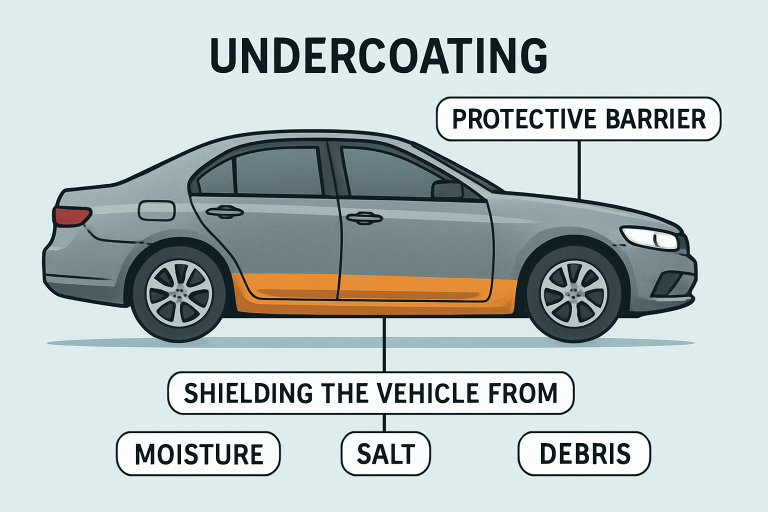
Protecting your vehicle from everyday environmental hazards is essential to preserving your investment and keeping your car running smoothly for years to come. Environmental factors like moisture, road salt, and debris attack your car’s underbody every time you drive, creating an ongoing risk of rust and corrosion. One effective way to fight back is by applying a car undercoating. This protective coating shields the undercarriage, helping prevent the elements from causing hidden damage that can lead to expensive repairs.
Applying undercoating serves as a durable barrier, creating separation between your car’s metal framework and the harsh substances that trigger chemical reactions and degradation. Understanding the importance of undercoating and how it works will help you keep your car looking and performing its best, whether you face tough winters, gravel roads, or salty sea air.
Without adequate protection, rust and corrosion can spread quickly, especially in regions where road salt or humidity is a concern. As a result, many car owners look for reliable ways to preserve their investment and prevent unseen undercarriage damage. This is where protective undercoating plays a significant role.
For those seeking location-based options and reputable providers, you can learn more about undercoating near me solutions to protect your vehicle conveniently.
Understanding Undercoating
Undercoating is the process of applying a protective substance to the underside of your vehicle. The objective is simple: create a defensive layer that keeps moisture, salt, grit, and chemicals from reaching bare metal surfaces. Left unprotected, your car’s underbody is especially vulnerable to corrosion, which can eventually cause structural problems or even compromise safe operation.
Most modern undercoating products are rubberized, wax-based, or oil-based. These compounds bond directly to metal surfaces, forming a physical and chemical barrier that lasts for years. By sealing seams, joints, and crevices, undercoating also hinders the spread of existing corrosion, buying more time for intervention and repair if needed.
Benefits of Undercoating
- Rust Prevention: The prime benefit of undercoating is rust protection. Rust forms when metal reacts with moisture and oxygen, and road salt accelerates this process sharply. Protective undercoating isolates metal surfaces from these damaging agents, drastically reducing the risk of rust.
- Extending Your Vehicle’s Lifespan: Cars and trucks with undercoating typically last longer and hold their value better. Paying for proactive prevention now is almost always more affordable than paying for corrosion repairs later.
- Noise Reduction: A thick coating under the vehicle helps absorb and dampen road noise, offering a quieter, more pleasant ride even on rough roads.
- Shield Against Road Debris: Undercoating creates a resilient surface that withstands impacts from rocks, sand, gravel, and other abrasive debris, helping prevent chips or damage to exposed metal.
Types of Undercoating Materials
There are several types of undercoating materials, each with its unique advantages. Understanding their properties can help you decide which one best suits your vehicle and driving conditions.
- Rubberized Undercoating: One of the most popular choices for car owners. It forms a tough yet flexible layer that resists cracking or chipping. It provides good coverage and insulation, making it suitable for most environments.
- Wax-Based Undercoating: This type seeps into seams and crevices, providing comprehensive coverage and excellent protection for areas prone to rust. However, it often requires reapplication within a few years for continued effectiveness.
- Oil-Based Undercoating: Ideal for older vehicles or those with tight spaces, oil-based formulations penetrate deep into existing rusted areas, displacing moisture and stopping corrosion in its tracks. This type can be a bit messier during application and may need touch-ups more regularly.
Proper Application and Maintenance
For undercoating to deliver top-level protection, meticulous preparation and proper application are essential. Start by thoroughly cleaning and drying the entire undercarriage. Dirt, mud, and existing rust should be removed so that the undercoating can bond consistently. Once applied, regular inspections are key, especially after harsh weather or winter driving. If you notice thinning in the coating, touch-ups can help prevent vulnerabilities from developing.
Professional application maximizes coverage and performance, and many reputable automotive specialists offer warranties for their services. DIY kits are available for those who feel comfortable, but a professional job is typically recommended for lasting results. According to Consumer Reports experts, quality and application method are crucial to effectiveness.
Additional Protective Measures
In addition to undercoating, keeping your car clean with regular washing and waxing is a key step in protecting your vehicle’s exterior. Washing removes harmful salt, debris, and chemicals that accelerate corrosion. Waxing renews your paint’s protective barrier, offering enhanced defense against water and ultraviolet rays. For more details on paint maintenance and protective coatings, check out these recommendations from Autoblog.
Combining multiple preventive strategies ensures your vehicle is better protected year-round, further reducing your risk of costly repairs and helping you get the most value from your investment.
Conclusion
Proactive undercoating is one of the best investments you can make in your vehicle’s longevity. By serving as a robust shield against the elements, a protective undercoating not only preserves your car’s vital underside components but also offers additional benefits, such as noise reduction. When paired with other regular maintenance, such as washing and waxing, you give your vehicle the best chance of a long, healthy life. Explore your options today to ensure your vehicle stays shielded from nature’s toughest challenges.

Proper maintenance plays a significant role in keeping heavy-duty vehicles safe, reliable, and cost-effective over the long haul. Fleet operators and owners face the ongoing challenge of minimizing downtime while maximizing vehicle performance, making it more important than ever to implement innovative strategies and leverage new technologies. For businesses considering local service options, understanding the cost of mobile mechanic services Beckley WV, can provide a clearer picture of both value and convenience when unexpected issues arise on the road or work site.
Today’s heavy-duty vehicle care is about more than simply checking fluids and replacing worn parts. The most successful fleets are leveraging data, precision diagnostics, and industry-vetted best practices to reduce day-to-day inefficiencies and prevent breakdowns before they occur. As a result, focusing on advanced solutions and consistent training for your team can yield significant long-term benefits for any operation, regardless of fleet size or type.
Predictive Maintenance: Anticipating Issues Before They Occur
The emergence of predictive maintenance has revolutionized the way heavy-duty fleets keep vehicles on the road and avoid costly roadside breakdowns. By collecting and analyzing data from vehicle sensors, algorithms can detect early warning signs and predict equipment or component failures before they disrupt operations. This data-driven approach allows maintenance teams to address issues proactively and optimize maintenance intervals, rather than relying solely on scheduled servicing or waiting for problems to occur.
A recent study on armored vehicles found that predictive maintenance models achieved nearly 99 percent accuracy, resulting in fewer unexpected outages and more efficient use of labor and parts resources. As more commercial fleets adopt these analytic tools, the potential savings in repair costs and lost productivity are substantial. For broader insight into predictive analytics in other industries, see McKinsey’s guidance on the transformative effects of advanced analytics in manufacturing and fleet management.
Onsite Mobile Services: Minimizing Downtime
Bringing maintenance directly to the vehicle, rather than transporting it to a central shop, is one of the most effective ways to keep heavy-duty assets in operation. Mobile mechanics arrive equipped to perform a wide array of routine and urgent repairs, such as diagnostics, oil changes, brake inspections, and even more complex component replacements, all at the vehicle’s workplace or roadside location.
This approach eliminates many of the logistical hurdles of traditional shop services, reducing the need for towing and lengthy out-of-service windows. Ultimately, businesses have greater flexibility to keep operations moving and minimize workflow interruptions. Leading fleet maintenance providers now offer dedicated mobile units tailored to the specific needs of different vehicle classes and sectors. More on mobile trends and practical implementations can be found at Heavy Duty Fleet Maintenance: Ultimate Solutions.
Advanced Diagnostics: Leveraging Technology for Precision
Today’s heavy-duty vehicles are increasingly “smart,” equipped with embedded diagnostics and monitoring sensors that give maintenance teams real-time insight into component health and performance. These systems streamline the detection of malfunctions, issue alerts for abnormal readings, and even help pinpoint root causes, making troubleshooting more accurate and less time-consuming.
Integrating advanced diagnostics into daily and scheduled maintenance routines ensures that potential failures are addressed quickly, limiting the risk of breakdowns that could cause major logistical delays. Reports indicate continued progress in the sophistication of these technologies, including wireless remote monitoring and diagnostic platforms that communicate data directly to fleet management software.
Tire Management: Ensuring Safety and Efficiency
Tires are a primary contributor to both safe operation and the overall cost structure of heavy-duty vehicles. Routine tire inspections, ensuring proper inflation, and maintaining correct alignment are central to preventing premature wear, blowouts, and fuel waste. Modern sensor technology now makes it easier to continuously monitor tire pressure while on the move, which is critical to maximizing safety and extending tire life.
Additionally, scheduling timely rotations and selecting high-quality tires based on vehicle use cases can significantly reduce the risk of incidents and improve fuel efficiency. Resource guides and data from the Top Heavy-Duty Truck Maintenance Trends and Best Practices for 2026 highlight how proper tire strategies can offer tangible returns by reducing downtime and lowering long-term operational costs.
Training and Education: Empowering Maintenance Teams
Continuous learning is essential for technicians and maintenance personnel to keep up with rapidly evolving vehicle technologies. Industry leaders and manufacturers offer comprehensive training programs, often through in-person seminars or virtual platforms, covering topics such as electronic control systems, braking technologies, and safety features. Initiatives such as the Bendix Brake School, which include both hands-on and online resources, ensure that workforces remain up to date and able to properly service complex modern vehicles.
Investing in training yields benefits in both safety outcomes and cost reductions, while also fostering a culture of excellence and accountability within maintenance teams. Frequent education opportunities lead to greater job satisfaction and help organizations retain top talent in a competitive labor market. For additional industry best practices and workforce training initiatives, The New York Times discusses technician shortages and the need for ongoing skills development across automotive and commercial fleets.
Integrated Vehicle Health Management: A Holistic Approach
Integrated Vehicle Health Management (IVHM) systems assess the full spectrum of a vehicle’s operational health by continuously collecting and analyzing data from its various subsystems. Through diagnostics and prognostics technologies, IVHM helps companies identify overarching fleet trends, optimize parts replacement schedules, and coordinate preventive actions before issues disrupt operations.
This holistic, system-wide approach not only improves safety and vehicle availability but also empowers decision-makers to take proactive measures that directly reduce maintenance costs and improve overall fleet performance.
Conclusion
Adopting advanced maintenance solutions for heavy-duty vehicles is crucial for extending their lifespan, improving uptime, and keeping costs in check. Strategies such as predictive analytics, mobile service options, advanced diagnostic integration, precise tire care, continual technician training, and holistic health management systems are shaping the future of fleet maintenance. Commitment to these strategies can help businesses and operators stay productive and competitive in a rapidly changing transportation landscape.
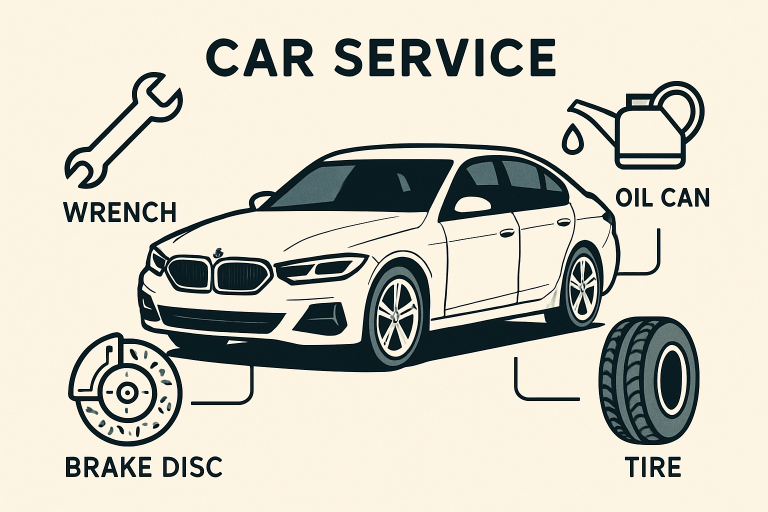
Renowned for their superior engineering, performance, and luxury, European cars are investments that require attentive care to ensure their longevity and reliability. Owners who stay on top of recommended maintenance help prevent expensive breakdowns and preserve the distinct driving experience these cars offer. Partnering with a trusted auto repair shop Bellevue WA can make all the difference in keeping your European vehicle in optimal shape for years to come.
European models from Audi, Mercedes-Benz, BMW, Volkswagen, and beyond are built with advanced, precisely tuned systems. This makes it crucial for owners to adhere not just to conventional auto care advice but also to the unique requirements of these vehicles. Careful attention to manufacturer recommendations and specialty service can save time, money, and frustration over the life of your car.
Adhere to Manufacturer’s Service Schedule
Every European car comes with a meticulously planned service schedule that details when and what needs attention. Sticking to this schedule isn’t just a recommendation; it’s a necessity. Service intervals for European vehicles are often based on time, mileage, or even driving habits monitored by onboard diagnostics. Skipping or delaying these scheduled visits can accelerate component wear, void warranties, and lead to avoidable repair expenses.
These scheduled checkups allow service professionals to inspect critical systems (like transmissions, brakes, and electronics) and perform preventive maintenance. Especially for complex cars with features such as turbocharged engines or adaptive suspensions, timely service maintains both safety and enjoyment behind the wheel.
Use Quality Parts and Fluids
European automakers specify unique materials such as engine oil grades, performance brake fluids, and filters crafted for their vehicles. Using aftermarket or generic products can compromise performance, damage sensitive components, or even trigger dashboard warning lights. Whether topping off coolant or replacing parts, always opt for Original Equipment Manufacturer (OEM) or manufacturer-approved alternatives. This ensures compatibility and preserves your car’s value and dependability.
Regularly Check the Cooling System
The cooling system in European cars is central to maintaining optimal engine temperatures, especially with high-performance or turbocharged variants. Frequent inspection of the radiator, hoses, coolant level, and condition is crucial. Signs such as fluctuating temperature gauges, visible leaks, or colored drips beneath your vehicle indicate a need for prompt attention. Consistently maintaining this system reduces the risk of overheating and severe engine damage.
Monitor Brake System Health
Advanced braking technologies such as ABS, electronic brake force distribution, and sensor-based systems require specialized knowledge for maintenance. Regularly inspect the thickness of brake pads and rotors, as well as the clarity and level of brake fluid. Worn brakes increase stopping distances and can lead to costly damage to rotors or calipers. When in doubt, consult a specialist familiar with your make to ensure system integrity and safety.
When addressing tire and brake issues, drivers may find the information available from sources such as Consumer Reports particularly useful for comparisons and maintenance essentials.
Pay Attention to Tire Maintenance
Precision handling and ride quality depend on proper tire care. Regular checks for tire pressure, tread depth, and alignment help preserve grip and extend tire lifespan. European cars, often equipped with performance tires or staggered setups, may require specialist alignment to guarantee the best possible driving dynamics. Uneven wear or vibration can be signs that rotation, balancing, or replacement is needed.
Keep the Electrical System in Check
With intricate infotainment, safety, and convenience features, the electrical systems in European vehicles are sophisticated. Routine diagnostics of components such as the battery, alternator, sensors, and control modules catch issues before they escalate. Weak batteries or faulty alternators are common causes of system malfunctions and can impact everything from engine management to advanced driver-assistance features. For troubleshooting, guidance from reputable sites like Edmunds can be helpful.
Seek Specialized Service Providers
European vehicles benefit from the expertise of mechanics and repair shops specializing in these brands. These specialists possess the necessary diagnostic equipment and factory training to address common and uncommon issues. They are also up to date on the latest manufacturer software updates and bulletins critical for maintaining newer tech-driven models. A trusted local expert ensures repairs are performed correctly the first time, reducing risk and maximizing peace of mind.
Stay Informed About Recalls and Updates
Staying current on manufacturer recalls and software updates is key to vehicle safety and performance. Automakers periodically issue notices correcting design flaws or addressing technical concerns. Registering your vehicle and staying engaged with dealer communications helps ensure these updates are applied promptly, optimizing your car’s features and reducing future maintenance issues.
Conclusion
Proper maintenance is the cornerstone of enjoying a European vehicle’s full capabilities and retaining its value. By following these specialized tips from scheduled service and quality parts to selecting expert providers, owners ensure long-lasting reliability, safety, and driving pleasure. Protecting your investment isn’t just about repairs; it’s about adopting a proactive approach tailored to the demands and sophistication of the finest cars on the road.

Security challenges at critical infrastructure points such as airports, government buildings, border checkpoints, industrial facilities, and high-security zones continue to evolve. Traditional manual vehicle inspection methods are increasingly insufficient to detect concealed threats efficiently and consistently. An automated under vehicle scanning system has emerged as a vital technology to enhance vehicle inspection accuracy, operational efficiency, and overall security effectiveness.
By combining advanced imaging, automation, and intelligent analytics, automated under vehicle scanning systems enable security teams to inspect vehicle undercarriages in real time without disrupting traffic flow. This technology significantly reduces human error while ensuring comprehensive threat detection.
Understanding Automated Under Vehicle Scanning Systems
An automated under vehicle scanning system is designed to capture high-resolution images of a vehicle’s undercarriage as it passes over a scanning platform. Using specialized cameras and illumination, the system records detailed visual data that is processed and analyzed for anomalies, suspicious objects, or unauthorized modifications.
Unlike manual inspection methods that rely heavily on visual judgment and physical checks, automated under vehicle scanning systems deliver consistent, repeatable, and objective inspections. This improves detection accuracy and ensures that no area of the vehicle underbody is overlooked.
Why Vehicle Inspection Accuracy Matters
Vehicle undercarriages are often exploited to conceal explosives, contraband, weapons, or unauthorized tracking devices. In high-risk environments, even a single oversight can lead to serious security incidents. Accuracy in vehicle inspection is therefore critical to preventing threats and maintaining secure operations.
An automated under vehicle scanning system enhances inspection accuracy by eliminating blind spots, reducing fatigue-related errors, and providing clear visual evidence for further investigation. Security personnel can review images in real time or retrospectively, improving decision-making and response times.
Key Features That Enhance Accuracy
Automated under vehicle scanning systems incorporate several features that significantly improve inspection precision.
High-resolution imaging captures detailed views of vehicle components, enabling the identification of even small or well-hidden objects.
Automated image capture ensures consistent coverage regardless of vehicle size or speed.
Integrated databases allow comparison with reference images to detect anomalies.
AI-powered analytics highlight suspicious areas, reducing dependence on manual interpretation.
These capabilities make automated under vehicle scanning systems far more reliable than conventional inspection techniques.
Improving Traffic Conditions Through Automation
One of the major advantages of an automated under vehicle scanning system is its ability to enhance security without causing congestion. Traditional inspection methods often require vehicles to stop for manual checks, leading to delays and traffic buildup.
By enabling drive-through scanning, automated systems support Improving Traffic Conditions at checkpoints, toll plazas, and entry gates. Vehicles can be scanned while moving at controlled speeds, ensuring smooth traffic flow while maintaining high inspection standards. This is particularly valuable in busy locations such as airports, ports, and border crossings, where security must coexist with operational efficiency.
Applications Across Industries
Automated under vehicle scanning systems are widely used across multiple sectors.
In airports and seaports, the technology supports cargo and passenger vehicle inspections without disrupting operations.
In government and defense facilities, it enhances perimeter security by detecting concealed threats.
In industrial and commercial campuses, it protects assets and personnel while maintaining efficient access control.
In border and customs checkpoints, it improves inspection accuracy while reducing inspection times.
These applications highlight the versatility and effectiveness of automated under vehicle scanning systems in diverse environments.
Benefits of Automated Under Vehicle Scanning Systems
The adoption of an automated under vehicle scanning system delivers multiple strategic and operational benefits.
It significantly improves inspection accuracy by providing comprehensive undercarriage visibility.
It reduces human dependency and inspection fatigue.
It enhances throughput by enabling faster vehicle screening.
It supports audit trails through image storage and reporting.
It improves overall security posture while maintaining operational continuity.
These benefits make automated under vehicle scanning systems an essential component of modern security infrastructure.
Top Companies Providing Automated Under Vehicle Scanning Systems
Several technology providers specialize in delivering advanced automated under vehicle scanning system solutions for security and surveillance applications.
Vehant Tech is a leading provider of automated under vehicle scanning system solutions designed for high-security and high-traffic environments. Vehant Tech’s systems offer high-resolution imaging, real-time analysis, and seamless integration with access control and security platforms. The company focuses on delivering reliable, scalable solutions that enhance vehicle inspection accuracy while supporting efficient traffic movement across critical facilities.
Gatekeeper Security provides automated under vehicle scanning systems widely used in airports, border control, and commercial facilities. Their solutions emphasize durability, high-speed scanning, and clear imaging, enabling consistent inspection performance in demanding environments.
SecuScan offers under vehicle inspection systems that combine advanced imaging with automated detection features. SecuScan’s solutions are designed to support continuous operations, providing accurate inspections with minimal impact on vehicle flow.
UVIScan delivers automated under vehicle scanning systems tailored for security-sensitive installations. Their technology focuses on precision imaging and operator-friendly interfaces, supporting effective threat detection and fast decision-making.
Tescon AG provides under vehicle surveillance systems as part of integrated security solutions. Tescon’s offerings emphasize reliability, integration, and scalability, making them suitable for government and critical infrastructure applications.
Advanced Detection Technology (ADT) develops automated under vehicle scanning systems with high-definition imaging and intelligent analytics. Their solutions support enhanced inspection accuracy and streamlined security operations.
Integration with Modern Security Ecosystems
Automated under vehicle scanning systems are increasingly integrated with broader security ecosystems, including access control, ANPR systems, CCTV, and command-and-control platforms. This integration enables centralized monitoring, coordinated response, and data-driven security management.
By correlating under-vehicle inspection data with vehicle identity and access records, security teams gain a holistic view of potential risks, improving situational awareness and threat mitigation.
Future of Automated Under Vehicle Scanning Systems
The future of automated under vehicle scanning systems lies in deeper integration with artificial intelligence and machine learning. Advanced analytics will enable predictive threat detection, automated anomaly recognition, and continuous learning from inspection data.
As smart cities and intelligent transportation systems expand, automated under vehicle scanning systems will play a critical role in balancing security, efficiency, and mobility. Their ability to improve inspection accuracy while supporting improving traffic conditions positions them as a cornerstone technology for modern security infrastructure.
Conclusion
An automated under vehicle scanning system represents a significant advancement in vehicle inspection technology. By delivering high-resolution imaging, consistent coverage, and automated analysis, these systems dramatically improve inspection accuracy while reducing operational inefficiencies.
With the added benefit of improving traffic conditions through drive-through scanning, automated under vehicle scanning systems provide a powerful solution for high-security and high-traffic environments. Leading providers such as Vehant Tech, Gatekeeper Security, SecuScan, UVIScan, Tescon AG, and Advanced Detection Technology continue to drive innovation in this field.
As security requirements grow more complex, automated under vehicle scanning systems will remain essential for organizations seeking accurate, efficient, and scalable vehicle inspection solutions.
-

 Blog1 month ago
Simpcit6: Redefining Simplicity in a Complex World
-

 Technology5 months ago
YourAssistantLive com: The Future of Smart Digital Assistance
-

 food6 months ago
Calamariere: How to Perfectly Prepare at Home
-
 Blog6 months ago
Baddi Hub: An Emerging Industrial and Business Hotspot
-

 Health4 months ago
Nerovet AI Dentistry: Enhancing Patient Experience and Treatment Outcomes Dental Care
-

 Technology1 month ago
Voomixi com: The Digital Platform Redefining Online Interaction
-

 Technology5 months ago
Anonibs: The Trending Anonymous Image Board Platform
-

 Crypto6 months ago
Crypto30x.com vs Other Crypto Sites – Best Bitcoin Tools?