
Business
Resolving Wage and Compensation Disputes Constructively


Disagreements over wages and compensation can create tension in the workplace, affecting both morale and productivity. Employees may feel undervalued, while employers may face confusion over legal obligations or contract interpretations. Addressing these issues constructively requires clear communication, a solid understanding of labor laws, and a willingness to find mutually agreeable solutions. Approaching such disputes with a focus on collaboration rather than confrontation often leads to faster resolution and helps preserve professional relationships. Open dialogue, thorough documentation, and a calm, fact-based approach are key components in navigating these situations effectively.
In more complex cases, where negotiations become challenging or legal questions arise, seeking professional guidance can be essential. Consulting with experienced professionals, such as the best employment lawyers in Colorado Springs, can provide clarity on rights, obligations, and potential courses of action. Their expertise helps ensure that any resolution is fair, legally sound, and minimizes long-term conflict. By combining proactive communication with informed support, both employees and employers can resolve compensation concerns efficiently while maintaining a respectful and professional work environment.
Common Causes of Wage Disputes
Pay disagreements usually stem from misunderstandings, administrative errors, or misinterpretations of contracts. Some of the most prevalent issues include:
- Overtime Pay Violations: Employers must pay eligible employees extra for hours worked beyond the standard workweek. Failure to do so is not only unfair but illegal.
- Misclassification of Employees: Designating a worker as an independent contractor rather than an employee can deprive them of overtime, benefits, and protections.
- Unpaid Work Hours: Any period an employee performs duties, including required breaks or pre-shift preparations, should be compensated.
- Illegal Deductions: Without written consent or legal justification, taking money out of an employee’s paycheck can quickly lead to disputes and possible legal action.
Recognizing these root causes enables quicker, more effective resolution before disagreements escalate into lawsuits or regulatory investigations.
Legal Framework and Employee Rights
The balance between fair compensation and business sustainability is grounded in federal and state labor regulations. The Fair Labor Standards Act (FLSA) sets minimum wage rates and overtime pay rules, while state laws may add additional protections. In recent years, oversight has grown stricter. For example, the Equal Employment Opportunity Commission (EEOC) has secured hundreds of millions in settlements for affected workers, reflecting the seriousness with which regulatory bodies are treating wage violations.
Employers must remain vigilant about compliance, as even honest mistakes can be costly. Employees, on the other hand, have the right to pursue unpaid wages and must be informed about ways to file complaints or grievances. Detailed, accurate record-keeping is essential for resolving disputes efficiently.
Effective Communication Strategies
Clear, proactive communication is at the heart of resolving compensation issues, regardless of the workplace environment. Employers should spell out wage policies in employee handbooks, offer regular compensation reviews, and ensure payroll records match hours worked. Creating a non-retaliatory space where concerns are considered without prejudice builds trust and avoids miscommunication.
- Share all relevant compensation details at the start of employment and whenever changes are made.
- Invest in up-to-date time tracking and payroll systems to maintain accuracy.
- Invite candid feedback and provide clear steps for employees to report discrepancies.
Sustained transparency goes a long way toward preventing disputes.
Mediation as a Resolution Tool
When direct discussions fail to resolve a pay dispute, mediation offers a productive alternative to court proceedings. Mediation brings all parties to the table with a neutral third party to facilitate solutions tailored to their specific needs rather than enforce a winner-loser outcome. It generally costs less, remains confidential, and can help mend strained professional relationships. The Illinois Department of Labor, for example, has established dedicated mediation units to help parties resolve wage issues before litigation, significantly reducing strain and expense.
State agencies often make mediation available as a first step before official complaints advance to litigation.
Case Study: Successful Mediation in Wage Disputes
Noteworthy examples abound for how structured mediation and settlement can resolve longstanding wage disputes. In December 2025, the Attorney General of Washington, D.C., announced a large settlement with a construction company regarding wage shortfalls and worker misclassification. The company agreed to compensate affected employees and pay additional penalties to the state. This case illustrates that active intervention and negotiation can recover owed wages while encouraging future compliance. It is an excellent example of how constructive solutions yield fair outcomes for both sides.
Preventive Measures for Employers
- Consistently review internal policies and procedures to ensure compliance with all current regulations at both the federal and state levels.
- Train managers and HR staff in the basics of wage law and the importance of proper job classification.
- Establish confidential channels for employees to report wage issues without fear of retaliation.
By embedding these strategies into daily business practices, companies reduce risks and reinforce a supportive workplace culture.
Conclusion
Effectively resolving wage and compensation disputes requires a combination of legal awareness, fair management practices, and open communication. Mediation can be a powerful tool, helping to avoid litigation and preserve dignified working relationships. Above all, preventive measures and respect for employees’ rights are the best defenses against future disputes, cultivating a positive environment for all.

Puntos Clave
- Se ha informado que el 59% de los asistentes a eventos recuerdan las empresas con las que interactuaron durante el evento. Además, el 55% muestra una mayor intención de compra después de esas interacciones.
- Una señalización efectiva puede ayudar a los asistentes a orientarse dentro del recinto, participar en las experiencias principales del evento e identificar marcas de manera eficiente.
- Mantener mensajes consistentes en señales direccionales, displays, fondos, pancartas y otros elementos visuales crea una experiencia de marca coherente.
- Una planificación estratégica de la señalización puede mejorar el flujo de asistentes, respaldar los objetivos de marketing y optimizar la estética del evento antes, durante y después de su realización.
Los eventos corporativos son entornos altamente competitivos donde las empresas disponen de poco tiempo para captar la atención de los asistentes. Se ha reportado que aproximadamente el 59% de los participantes recuerdan las empresas con las que interactuaron en eventos presenciales, mientras que el 55% desarrolla una mayor intención de compra posteriormente. Esto demuestra por qué los eventos corporativos y la señalización visual desempeñan un papel esencial para aumentar la visibilidad de la marca y crear experiencias memorables.
¿Por Qué es Importante la Rotulación Comercial en los Eventos Corporativos?
Los eventos corporativos reúnen a diferentes grupos de interés, patrocinadores, expositores y asistentes en espacios que pueden volverse visualmente saturados. La rotulación comercial ayuda a generar claridad, proporcionar información, reforzar la identidad de marca y guiar a los visitantes a través del recinto.
Los eventos presenciales continúan siendo uno de los canales más efectivos para fortalecer el compromiso del consumidor y aumentar el reconocimiento de marca. Esto se debe a que ofrecen experiencias únicas que los canales digitales rara vez pueden replicar. Una estrategia visual bien diseñada permite aprovechar al máximo estas oportunidades.
Sin una señalización adecuada, los asistentes pueden tener dificultades para encontrar áreas de registro, stands, zonas de networking, activaciones de patrocinadores o presentaciones. Una señalización bien ejecutada mejora tanto la funcionalidad como la visibilidad de la marca.
Mejores Prácticas para la Señalización en Eventos Corporativos
Una señalización efectiva va mucho más allá de mostrar un logotipo. Cada elemento debe cumplir un objetivo claro de comunicación. Algunas de las prácticas más importantes incluyen:
- Garantizar visibilidad desde diferentes distancias.
- Incluir señalización direccional para facilitar la navegación.
- Ubicar estratégicamente los elementos gráficos en todo el recinto.
- Priorizar mensajes breves y directos.
- Mantener una identidad visual coherente y colores corporativos consistentes.
- Utilizar tipografías grandes y fáciles de leer.
Los asistentes suelen tomar decisiones rápidamente mientras se desplazan por los espacios del evento. Por ello, los mensajes claros y legibles suelen ser mucho más efectivos que los diseños sobrecargados de información. El objetivo principal es comunicar los mensajes esenciales en cuestión de segundos.
Una Imagen de Marca Consistente Genera Mayor Reconocimiento
Uno de los principales beneficios de la rotulación comercial es el refuerzo de la marca. Cuando los asistentes encuentran repetidamente los mismos elementos visuales a lo largo del evento, es más probable que recuerden la empresa responsable de la experiencia.
Entre los elementos que deben mantenerse consistentes se encuentran:
- Logotipos
- Paletas de colores
- Tipografías
- Mensajes de marketing
- Eslóganes
- Recursos visuales e imágenes
La coherencia visual contribuye a proyectar una imagen profesional y mejora el recuerdo de marca una vez finalizado el evento. Diversos análisis sobre marketing para ferias comerciales destacan la importancia de la consistencia visual para fortalecer el reconocimiento por parte de la audiencia. Para las empresas que invierten recursos significativos en eventos corporativos, un mayor recuerdo de marca puede traducirse en mejores resultados de marketing.
Conclusión
La rotulación comercial desempeña un papel fundamental en el éxito de los eventos corporativos al mejorar la orientación de los asistentes, fomentar experiencias más atractivas y fortalecer la visibilidad de la marca. Desde fondos para eventos y gráficos de gran formato hasta displays para ferias y señalización direccional, una comunicación visual efectiva ayuda a las empresas a maximizar el impacto de sus inversiones en eventos.
Para las organizaciones que buscan soluciones profesionales de señalización y branding para eventos, Grupo Iprint ofrece los servicios necesarios. La empresa proporciona rotulación comercial, soporte para eventos corporativos, pancartas, servicios de producción de eventos y soluciones integrales de branding, ayudando a las organizaciones a crear experiencias únicas que mejoran la participación del público y fortalecen la presencia de marca.
Preguntas Frecuentes
¿Por qué es importante la señalización en los eventos corporativos?
La señalización ayuda a los asistentes a orientarse dentro del recinto, interactuar con las experiencias del evento, localizar áreas importantes e identificar marcas de manera eficiente.
¿Qué tipo de señalización funciona mejor en ferias comerciales?
Las señales direccionales, pancartas, fondos para eventos, displays de stands y gráficos de gran formato son algunas de las soluciones más utilizadas y efectivas.
¿Cómo puede la señalización mejorar la participación de los asistentes?
Una señalización visualmente atractiva y clara capta la atención, fomenta la interacción con las actividades y comunica mensajes clave de forma inmediata.
¿Con cuánta anticipación debe planificarse la señalización de un evento?
La planificación debe comenzar en las primeras etapas de preparación del evento para disponer de tiempo suficiente para el diseño, la producción, la logística y la instalación.
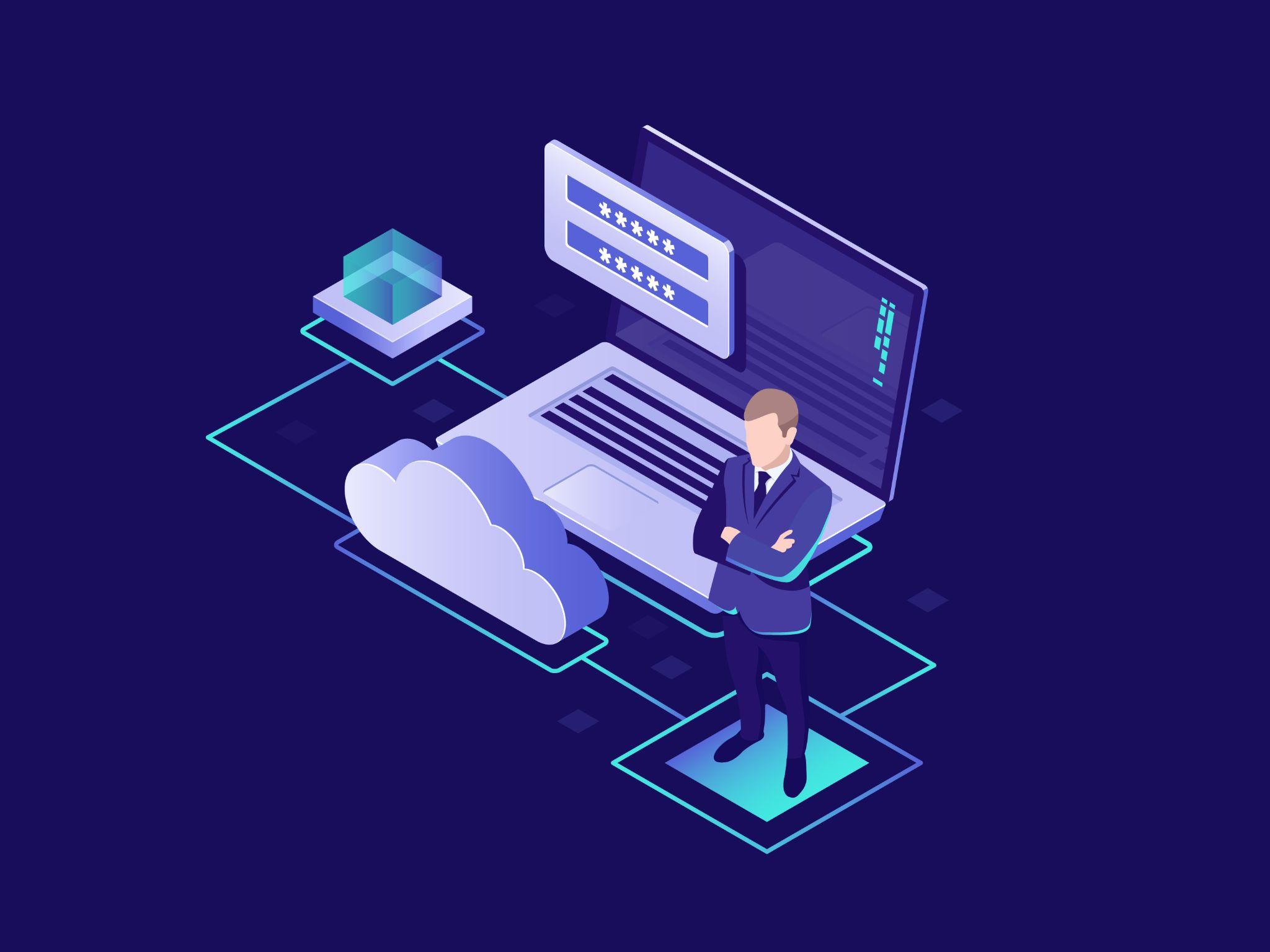
For years, small businesses and independent firms of tax professionals used spreadsheets, physical file cabinets, and local desktop applications to keep their books. This traditional configuration functioned for a while, but caused significant blockages. Desktop applications only allow you to use a single physical office; manual system updates are required, and important data is susceptible to data loss caused by hard drive failures.
Modern businesses are moving away from clunky old desktops to a more agile solution. Cloud platforms are revolutionizing how business owners manage their finances by providing secure, anytime access to essential financial data. Small businesses can benefit from several unique advantages of cloud-based financial operations.
Eliminating Calculation Mistakes with Advanced Tax Calculation Software
One of the main reasons for compliance problems is the need to manually type in financial data in disjointed systems. It can result in wrong returns, high penalty costs, and hours lost in sorting through complex compliance audits if just one number is out. As tax laws evolve at the federal, state, and local levels, it is a challenge for growing businesses to stay on top of them.
Businesses can avoid all tax calculation mistakes with the assistance of web-based tax calculation software. Cloud platforms automatically update in real time to incorporate the absolute latest regulatory and tax code updates without requiring a physical software reinstall. Automated data syncing ensures information flows seamlessly across your balance sheets, providing flawless calculation accuracy and total peace of mind during tax season.
Operating Anywhere with a 100% Virtual Office
The traditional on-premise solutions are limited to a physical desk. When an urgent client inquiry or filing deadline comes up when you are not at the office, it is a big inconvenience to quickly solve the problem.
The problem is averted by cloud software, which provides a 100% virtual office solution. All applications run securely in the web, so members of the team can log on by any means (computer, tablet, or smartphone) from any location. This helps you to have a highly productive remote team and can easily onboard independent contractors and remote accountants to manage high-volume peaks without additional physical office space.
Protecting Data with Built-In Mobile Document Retrieval
If a significant amount of financial receipts or physical tax documents is lost, it can have a serious impact on operations. Even if you back up the data locally on hard drives or in a physical filing cabinet, it is still very susceptible to office break-in, hardware failure, or natural disasters.
Modern cloud systems solve this vulnerability through advanced mobile document retrieval and secure document sharing tools. Photos of tax documents can be taken and uploaded by clients or employees via mobile apps. These files will automatically upload to encrypted servers, secured with enterprise-grade security protocols, so that your records are well-protected, and it’s extremely easy to retrieve important backup documents whenever you need them.
Bookkeeping for Small Businesses Using Modern Software
As a business grows, so do its financial monitoring needs. When the need arises to track multidimensional revenue opportunities, multi-state payroll, or high-volume business transactions, basic, straight-through invoice systems soon fall short.
Switching to scalable software for small business bookkeeping helps you to grow your technology stack as your business grows. It’s simple to connect cloud ecosystems to secondary payment gateways, bank feeds, and internal inventory systems. This live monitoring is useful to get an idea of profit margins and cash flow, and to make informed business decisions based on real-time financial data.
Optimize Profit Margins with Low Price-for-Volume Pricing
On-premises software typically requires substantial licensing fees, as well as maintenance contracts, and significant infrastructure investments. The high costs can directly impact small business capital, and often appear unattainable for smaller firms.
However, cloud applications turn this on its head, thanks to their flexible volume-based pricing models. Web-based platforms are different from traditional platforms since they don’t require significant investments upfront; rather, they cost the business only for use, based on file or transaction counts. It is a cost model that makes the best of the tools available to the smaller firm or emerging tax practice to be professional, without wiping out the operational budget.
Experience the Power of Cloud Preparation with Tax Dragon Pro
Cloud migration is not just about replacing the physical paper trail; it’s about enabling business owners to operate faster, more secure, and more efficient operations from anywhere around the world. When you leave behind the old systems, you can concentrate on your business growth and client care.
If you’re looking to update your financial processes, work with Tax Dragon Pro. Powerful, all-cloud tax prep solution offers error-proof calculations, all documents from mobile access, and unlimited training and support.
Call our Atlanta team at 678-562-1549 or click on our website to get your offer of Volume Prices and save yourself the stress of tax day!

Key Takeaways
- Hard water is water that has high levels of calcium and magnesium minerals. Water is considered hard if it contains more than 7 grams per gallon (GPG) or 180 mg per litre (L) of calcium and magnesium.
- Water softeners will eliminate calcium and magnesium hardness minerals, and filters will eliminate contaminants including chlorine, sediment, chemicals, and heavy metals.
- Reverse osmosis systems can remove up to 95–99% of total dissolved solids from water depending on system design and conditions.
- The combination of both systems provides a more comprehensive treatment process, since each addresses a different water quality problem.
- A combination treatment can help to enhance water taste, reduce mineral accumulation and protect plumbing and household appliances.
Water quality impacts almost all aspects of life. It affects the taste of your drinking water, the function of appliances, the comfort of your skin, and even the cleaning. A water filtration system and a water softener system function differently, but when combined they produce cleaner and better water within a home.
What Is the Difference Between Water Filtration and Water Softening?
Water filtration removes contaminants from water. Water softening is a process to remove the hardness minerals that cause buildup and scaling.
These systems address various issues. A filtration system focuses on the removal of impurities like chlorines, sediments, pesticides and some metals. A water softener focuses on calcium and magnesium, which are responsible for hard water.
A lot of homeowners think that they only require a single answer. But, cleaner water does not necessarily mean softer water.
How Does a Water Softener System Work?
A water softener system removes calcium and magnesium through a process called ion exchange.
Resin beads with sodium or potassium ions are placed inside the system. As hard water passes through the resin tank, calcium and magnesium attach to the beads while softer ions are released into the water.
The process reduces issues commonly linked with hard water:
- Mineral deposits on faucets
- Soap scum buildup
- Dry skin and hair
- Reduced soap efficiency
- Appliance scaling
How Does a Water Filtration System Work?
A water filtration system is a device that can be used to purify water from impurities and unwanted particles. Each method of filtration will remove a different substance. Chlorine and odors can be reduced by activated carbon filters. The sediment filters are used to catch visible particles. In reverse osmosis systems, membranes are employed to filter out dissolved contaminants.
The contaminants that can be filtered out include:
- Chlorine
- Sediment
- Lead
- Pesticides
- Heavy metals
- Industrial chemicals
This yields cleaner water, which tastes better. Many filtration systems have an added benefit of making the drinking water smell and taste better.
Why Do Water Filtration and Water Softening Work Better Together?
Water softening and water filtration are complimentary since they solve different problems.
Hardness is taken care of by a softener. Impurities are dealt with by a filtration system.
Consider that it is a two-step operation. The first step is to prevent mineral deposits from building up on the plumbing and appliances. The second step is to enhance the quality of the water with regard to purity and taste.
Example framework:
Layer 1: Water softening
Use: Water softening and desalination
Benefits:
- Reduced scale
- Better soap performance
- Improved appliance efficiency
Layer 2: Water filtration
Use: Remove contaminants
Benefits:
- Better taste
- Cleaner water
- Reduced unwanted chemicals
Final Thoughts
The best water treatment occurs when the appropriate systems are in place. A water softener system will help minimize mineral problems while a water filtration system will remove contaminants that impact water quality and taste.
Water treatment companies such as Water of Texas, LLC provides integrated services, allowing homeowners to have cleaner water for the entire home. Instead of choosing between filtration and softening, many homes benefit from using both systems as part of a complete water treatment strategy.
FAQs
Does a water softener filter water?
No. The primary purpose of a water softener is to remove the calcium and magnesium minerals that cause water hardness. It does not remove most contaminants such as chlorine, sediment, or heavy metals.
Should water be softened before filtration?
Softening is a first step in many systems. Hardness reduction can help maintain the efficiency of filtration equipment and enhance system efficiency.
Is reverse osmosis the same as water softening?
No, not all water softeners remove dissolved contaminants and impurities; only reverse osmosis.
How do I know if my home has hard water?
Common symptoms are white spots on dishes, mineral deposits around faucets, dry skin and difficulty lathering soap.
Can I install both systems at the same time?
Yes. Many residences employ both because they are solutions to different water quality issues and offer wider treatment coverage.
-

 Blog7 months ago
Simpcit6: Redefining Simplicity in a Complex World
-

 Blog12 months ago
Baddi Hub: An Emerging Industrial and Business Hotspot
-

 food12 months ago
Calamariere: How to Perfectly Prepare at Home
-

 Technology12 months ago
YourAssistantLive com: The Future of Smart Digital Assistance
-

 Health10 months ago
Nerovet AI Dentistry: Enhancing Patient Experience and Treatment Outcomes Dental Care
-

 Crypto12 months ago
Crypto30x.com vs Other Crypto Sites – Best Bitcoin Tools?
-

 Technology7 months ago
Voomixi com: The Digital Platform Redefining Online Interaction
-

 Business9 months ago
Top Benefits of Using Quality Wire Rope Lube in US Heavy Industry