
Arts
The Art of Autism: Exploring Creativity as a Means of Self-Expression

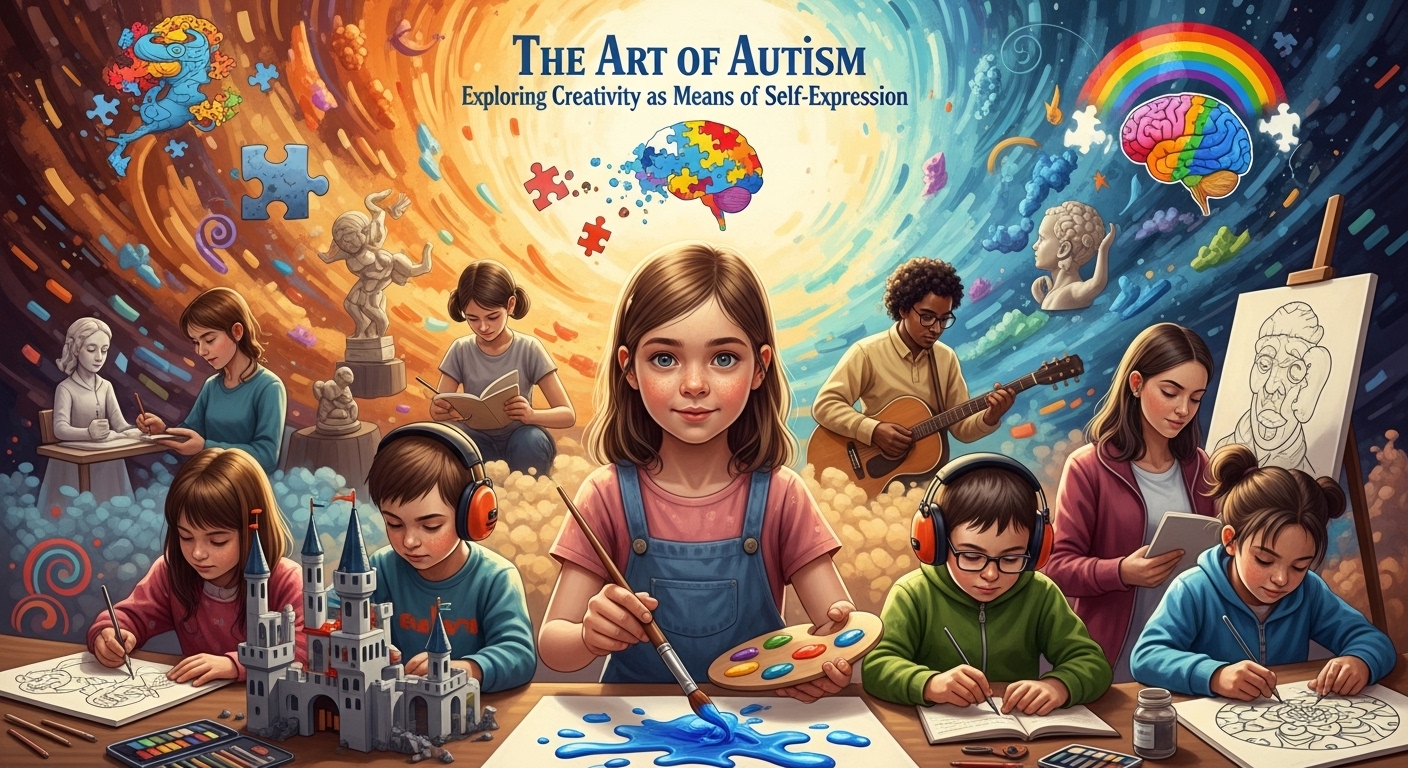
Autism spectrum disorder (ASD) is a neurological variation that affects communication, behavior, and social interaction. While every individual on the spectrum is unique, one common thread is the powerful potential for creativity and self-expression. Art, in its many forms, provides a medium through which individuals with autism can communicate their thoughts, emotions, and perspectives in ways that words sometimes cannot capture. Understanding the role of art in autism not only enriches the lives of individuals on the spectrum but also provides caregivers, therapists, and educators with valuable tools to foster personal growth and emotional development.
Understanding Creativity in Autism
Creativity is often misunderstood in the context of autism. While some might focus on challenges in social communication or repetitive behaviors, many individuals with autism display extraordinary creativity. This creativity may manifest in visual arts, music, dance, writing, or even in unique problem-solving approaches. Art allows for a direct channel of expression that bypasses the barriers that conventional communication may pose.
For example, some children with autism may struggle to verbalize emotions such as joy, fear, or frustration. Through drawing, painting, or sculpting, they can convey these emotions in tangible ways. This process is not just about producing aesthetically pleasing work; it is a vital avenue for self-expression, offering insight into their inner world.
Visual Arts as a Pathway for Expression
Visual arts, including drawing, painting, and sculpting, are among the most accessible forms of creative expression for individuals on the autism spectrum. These mediums allow for detailed representation and unique perspectives that might be difficult to articulate verbally. The repetitive motions involved in certain visual arts such as brush strokes or clay modeling can also be calming and provide sensory regulation, which is particularly beneficial for individuals with sensory sensitivities.
ABA therapists at Kids Club ABA use art-based activities to help children improve focus, motor skills, and emotional expression. By integrating structured guidance with creative freedom, children can develop confidence in their abilities while communicating their feelings and experiences. Art becomes more than a pastime; it is a therapeutic tool and a bridge between internal experience and external expression.
Music and Rhythm as a Form of Communication
Music is another powerful medium through which individuals with autism can express themselves. Many people on the spectrum have heightened sensitivity to sound and rhythm, which can be channeled into musical creation. Playing instruments, singing, or even composing simple rhythms can help individuals explore emotions, social cues, and self-regulation.
Group music sessions can also promote social interaction. Even in non-verbal individuals, participation in rhythm exercises, percussion activities, or collaborative music-making allows for connection, teamwork, and shared creativity. The predictable patterns in music can provide comfort and structure while allowing for improvisation and self-expression simultaneously.
The Role of Dance and Movement
Movement and dance provide another avenue for self-expression in autism. Many individuals with ASD respond strongly to physical activity, and structured dance or free-form movement allows them to channel emotions, relieve stress, and communicate non-verbally. Repetitive movements often seen in autism, such as rocking or hand-flapping, can be integrated into dance, transforming what might be perceived as a behavioral challenge into a form of creative expression.
ABA therapists at Kids Club ABA often incorporate movement-based activities into therapy sessions to help children develop body awareness, coordination, and confidence. By providing an outlet for both structured and free movement, these activities help individuals understand and express their emotions in a healthy, constructive way.
Writing and Storytelling as Creative Outlets
For individuals on the autism spectrum who are verbal or have developed writing skills, storytelling and creative writing offer unique avenues for self-expression. Writing allows for structured exploration of ideas, emotions, and experiences. It can help individuals organize thoughts, reflect on personal experiences, and communicate their perspective to others.
Some individuals with autism produce highly imaginative narratives, often with intricate details and unique interpretations of reality. By supporting writing and storytelling, caregivers and therapists provide a platform for these talents to flourish. Journaling, poetry, and short stories can all serve as vehicles for self-expression, allowing individuals to explore complex ideas in a structured yet creative way.
Sensory Experiences and Artistic Exploration
Sensory experiences are deeply connected to creativity in autism. Many individuals on the spectrum experience heightened or diminished sensory sensitivity, influencing the way they perceive and interact with the world. Art can be designed to engage these sensory channels in therapeutic ways.
For example, tactile experiences like finger painting, clay modeling, or sand play allow individuals to explore textures, develop fine motor skills, and engage with materials in a way that is both enjoyable and expressive. Visual stimulation through colors and patterns can also help regulate emotions, providing comfort and focus. Music and rhythm engage auditory senses, while movement-based art stimulates proprioception and body awareness.
ABA therapists at Kids Club ABA integrate sensory-rich activities into creative sessions, ensuring that each child can explore their artistic expression in ways that align with their sensory preferences and needs. This approach fosters self-confidence, emotional regulation, and engagement in the creative process.
Creativity as a Tool for Social Connection
While autism is often characterized by challenges in social interaction, art provides a bridge to connection. Collaborative art projects, group music sessions, and performance-based activities allow individuals with autism to interact, communicate, and bond with others in a structured and supportive environment.
Art can also create opportunities for advocacy and awareness. Exhibitions, performances, and public displays of creative work allow individuals on the spectrum to share their perspective with the broader community. These experiences not only boost confidence but also challenge stereotypes and foster understanding.
Therapeutic Benefits of Art in Autism
The therapeutic benefits of art for individuals with autism are well-documented. Engaging in creative activities can:
- Reduce anxiety and stress by providing an outlet for emotional release.
- Improve motor skills and coordination through hands-on activities.
- Enhance focus, attention, and cognitive flexibility through structured creative tasks.
- Foster self-esteem and confidence by allowing personal achievements to be recognized.
- Encourage social engagement and communication through group activities.
ABA therapists at Kids Club ABA utilize art therapy techniques to combine behavioral strategies with creative expression. By integrating reinforcement, skill-building, and individualized support, children can achieve meaningful progress in both personal development and therapeutic goals.
Encouraging Lifelong Creativity
Encouraging creativity in individuals with autism is not just about therapy—it is about nurturing a lifelong passion for self-expression. Parents, educators, and therapists can support this by:
- Providing access to diverse creative materials and experiences.
- Encouraging experimentation without focusing solely on outcomes.
- Celebrating effort and unique perspectives rather than conformity.
- Integrating creative activities into daily routines.
- Collaborating with trained professionals, such as ABA therapists at Kids Club ABA, to ensure activities meet individual needs.
By fostering creativity early, individuals on the spectrum develop a sense of agency, confidence, and personal identity. Creativity becomes a lifelong companion, supporting mental health, self-expression, and personal fulfillment.
Overcoming Challenges in Creative Expression
While creativity is a natural strength for many individuals with autism, there are challenges to consider. Sensory sensitivities, difficulty with fine motor skills, or social anxiety can sometimes make artistic activities intimidating. Creating a supportive environment that accommodates these challenges is crucial.
Adaptive tools, flexible materials, and patient guidance can help individuals overcome barriers and engage meaningfully in creative activities. The emphasis should always be on personal expression and enjoyment rather than meeting external standards.
Conclusion
The art of autism reveals a profound truth: creativity is not just a hobby it is a vital means of self-expression, communication, and personal growth. Through visual arts, music, dance, writing, and sensory-based activities, individuals on the spectrum can convey thoughts and emotions that might otherwise remain hidden.
ABA therapists at Kids Club ABA recognize the power of creativity and integrate art-based activities into therapeutic practice, supporting children in developing both emotional expression and practical skills. By fostering creativity, caregivers and professionals provide a bridge between inner experience and the external world, allowing individuals with autism to share their unique perspectives and talents.
Exploring creativity as a means of self-expression not only enriches the lives of individuals on the spectrum but also encourages a broader understanding of the human experience. In embracing the art of autism, we celebrate the diversity of thought, emotion, and imagination, revealing that creativity is a universal language that transcends all barriers.

Nadeshda Ponce is a name that has gradually begun to spark curiosity across digital platforms, creative communities, and search engines. While not yet associated with a single globally defined role or public narrative, Nadeshda Ponce represents a modern example of how names, identities, and emerging reputations gain attention in the digital age. Whether encountered through online searches, creative references, or informational queries, the name carries an air of intrigue that encourages deeper exploration.
In an era where personal branding, online presence, and digital footprints shape perception, Nadeshda Ponce stands as a subject worth examining. This article explores the possible interpretations, cultural resonance, and growing interest surrounding Nadeshda Ponce while maintaining a neutral, informative, and analytical perspective.
Understanding the Background of Nadeshda Ponce
The name Nadeshda Ponce combines a unique linguistic structure that suggests multicultural influences. The first name, Nadeshda, is often associated with Eastern European origins and traditionally symbolizes hope and resilience. The surname Ponce, on the other hand, has roots in Romance languages and is commonly linked to Spanish or Latin heritage. Together, these elements create a distinctive identity that feels both global and contemporary.
This combination contributes to why attracts attention. In digital spaces, names that reflect cross-cultural backgrounds often resonate with broader audiences. They suggest diversity, adaptability, and an openness to multiple perspectives, qualities that are increasingly valued in global communities.
The Digital Presence of Nadeshda Ponce
Digital identity plays a crucial role in how names gain recognition today. Nadeshda Ponce has appeared in online discussions, search queries, and content references, indicating a rising level of interest. While the name may not yet be tied to a singular public persona or mainstream profile, its growing visibility suggests relevance within certain digital or creative contexts.
Search trends show that people are increasingly curious about names that feel unique yet authentic. Nadeshda fits this pattern, as it does not appear overly commercialized or artificial. Instead, it feels personal, distinctive, and open to interpretation, which naturally fuels curiosity.
Cultural Significance and Interpretation of the Name
Names often carry symbolic meaning beyond their literal structure, and Nadeshda Ponce is no exception. The cultural undertones embedded within the name can be interpreted as a fusion of traditions, histories, and identities. This fusion aligns well with modern narratives that celebrate multiculturalism and global connection.
In creative and intellectual circles, such names often become associated with originality and depth. Nadeshda can be seen as representing individuality rather than conformity, making it appealing in artistic, academic, and digital storytelling spaces.
Nadeshda Ponce in Creative and Intellectual Contexts
One reason Nadeshda Ponce may be gaining traction is its suitability for creative and intellectual expression. Names that are distinctive without being overly complex often find their way into literature, digital art, conceptual projects, and branding experiments. Nadeshda Ponce has a rhythm and structure that feels memorable, which is a valuable trait in creative industries.
Writers and creators often seek names that evoke emotion or curiosity without being tied to existing stereotypes. offers that flexibility. It can represent strength, introspection, creativity, or innovation, depending on the narrative it is placed within.
The Role of Search Interest in Shaping Recognition
Search engine behavior plays a significant role in how names like Nadeshda Ponce gain prominence. As more users search for information related to the name, algorithms begin to recognize it as a topic of interest. This creates a feedback loop where increased visibility leads to more curiosity and further searches.
This phenomenon does not require celebrity status or viral exposure. Instead, it thrives on consistent, organic interest. Nadeshda appears to be following this path, where gradual attention builds credibility and relevance over time.
Perception and Identity in the Modern Digital Era
In the modern era, identity is no longer limited to physical presence or traditional achievements. Digital perception often shapes how individuals and names are understood. Nadeshda Ponce exists within this evolving framework, where a name alone can represent ideas, values, or creative potential.
People increasingly associate names with authenticity, storytelling, and originality fits well within this mindset, as it does not immediately suggest a predefined narrative. Instead, it allows room for interpretation, which is powerful in digital culture.
Potential Areas of Association for Nadeshda Ponce
As interest grows, Nadeshda Ponce could become associated with various domains. These might include creative writing, digital media, academic research, or even emerging brands. Names that feel adaptable often transition smoothly across different contexts without losing their identity.
This adaptability is one of the strengths. It can exist comfortably in formal, artistic, or casual settings, making it versatile and future-oriented. Such versatility often contributes to long-term relevance rather than short-lived attention.
The Importance of Authentic Narratives
Authenticity is a key factor in how names and identities gain trust and recognition. Nadeshda Ponce benefits from an authentic tone that does not feel manufactured or overly optimized. This natural quality aligns with current preferences for genuine narratives over artificial branding.
As audiences become more discerning, they gravitate toward names and stories that feel real and meaningful. embodies this trend by remaining open-ended and adaptable rather than rigidly defined.
Social and Psychological Appeal of Unique Names
From a psychological perspective, unique names like Nadeshda Ponce often stand out because they activate curiosity. People are more likely to remember and revisit names that differ from common patterns. This memorability contributes to increased engagement and interest.
Socially, such names can symbolize independence and originality. They suggest that the individual or concept behind the name values distinction and thoughtful expression. This subtle appeal plays a role in why continues to attract attention.
Long-Term Relevance of Nadeshda Ponce
The long-term relevance of a name depends on its ability to evolve with changing contexts. Nadeshda Ponce has the structural and cultural flexibility needed to remain relevant over time. As digital landscapes shift, names that can adapt without losing their core identity tend to endure.
Whether associated with creative projects, intellectual discourse, or digital storytelling, has the potential to grow organically. Its relevance does not rely on trends alone but on its inherent uniqueness and cultural resonance.
Final Thoughts
Nadeshda Ponce represents more than just a name. It reflects the modern intersection of identity, culture, and digital curiosity. Through its distinctive structure, multicultural undertones, and growing online interest, it demonstrates how names can become meaningful points of exploration in the digital age.
As interest continues to develop, may find deeper associations and narratives that further define its presence. For now, it stands as a compelling example of how individuality and authenticity can drive attention without the need for excessive promotion or predefined roles.
-

 Blog2 months ago
Simpcit6: Redefining Simplicity in a Complex World
-

 Technology6 months ago
YourAssistantLive com: The Future of Smart Digital Assistance
-

 Blog6 months ago
Baddi Hub: An Emerging Industrial and Business Hotspot
-

 food6 months ago
Calamariere: How to Perfectly Prepare at Home
-

 Health5 months ago
Nerovet AI Dentistry: Enhancing Patient Experience and Treatment Outcomes Dental Care
-

 Technology2 months ago
Voomixi com: The Digital Platform Redefining Online Interaction
-

 Technology5 months ago
Anonibs: The Trending Anonymous Image Board Platform
-

 HomeImprovment5 months ago
Acamento: How Finishing Techniques Define a Building’s Style