
HomeImprovment
The Timeless Charm of a Chesterfield Sofa


Few pieces of furniture can rival the elegance and legacy of a Chesterfield sofa. With its deep button tufting, rolled arms, and luxurious upholstery, this iconic design has been a symbol of sophistication for centuries. Whether you are furnishing a grand living room, a modern apartment, or a formal office, the Chesterfield adds a touch of old-world charm while fitting effortlessly into contemporary interiors.
Why Are Chesterfield Sofas So Popular?
Many homeowners and interior designers continue to ask, why are Chesterfield sofas so popular? The answer lies in their unmatched blend of style, durability, and versatility.
A Chesterfield sofa is instantly recognizable. Its signature details — the rolled arms, tufted back, and even height of the back and arms — exude a sense of classic grandeur. Over the years, these sofas have evolved from traditional leather designs to include a wide range of materials like velvet, linen, and suede. This makes them suitable for both vintage-inspired and modern interiors.
The comfort factor also adds to their popularity. The deep seating and plush cushioning offer relaxation without compromising on structure. This makes a Chesterfield sofa not only a statement piece but also a functional one for everyday use.
Moreover, this design has a strong association with prestige. It has long been featured in royal homes, luxury hotels, and elegant offices, symbolizing class and refinement. When you bring a Chesterfield into your home, you are not just purchasing furniture; you are investing in timeless artistry and craftsmanship.
Which Color Is Best for a Chesterfield Sofa?
Choosing the right color can transform how a Chesterfield sofa fits within your space. If you are wondering which color is best for a Chesterfield sofa, consider the mood and style you wish to create.
For a traditional and regal aesthetic, rich tones such as deep brown, burgundy, or emerald green remain unbeatable. These classic shades enhance the luxurious character of the Chesterfield design and pair beautifully with wooden or metallic accents.
However, for a more contemporary and airy look, lighter colors like beige, taupe, or soft grey bring a modern twist to the traditional form. These hues blend seamlessly with minimalist and Scandinavian-inspired spaces while retaining the Chesterfield’s charm.
If you prefer a bold statement, navy blue or charcoal makes a strong impression. These tones add sophistication and contrast beautifully against neutral walls or patterned rugs. Velvet upholstery in jewel tones such as sapphire or ruby can also infuse glamour and depth into your living room.
When selecting your color, think about the lighting in your room. Lighter shades open up small areas, while darker tones create an intimate, cozy feel. You can always add decorative cushions or throws to complement the color and enhance your room’s personality.
Are Chesterfield Sofas Still in Fashion?
A common question among design enthusiasts is are Chesterfield sofas still in fashion? The simple answer is yes — they never go out of style.
The enduring appeal of the Chesterfield sofa lies in its ability to adapt. While its original design dates back to the 18th century, it continues to evolve with modern trends. Today, you can find Chesterfields in contemporary finishes, modular designs, and sleek fabrics that cater to every taste.
In modern interiors, these sofas serve as stunning focal points. They bridge the gap between traditional craftsmanship and modern comfort, offering a perfect balance of heritage and innovation. Whether you prefer a vintage leather Chesterfield or a velvet version with metallic legs, this design adapts effortlessly to various settings.
Interior designers often use Chesterfields to add structure and sophistication to open spaces. The tufted detailing and sculpted silhouette lend personality and texture, ensuring the sofa remains both functional and fashionable.
What Sofas Are in Fashion in 2025?
As trends shift, it is natural to ask, what sofas are in fashion in 2025? While modern curved designs and modular sectionals are gaining popularity, the Chesterfield sofa continues to hold a strong position.
In 2025, comfort and character are key design priorities. Consumers are leaning toward pieces that tell a story, and the Chesterfield embodies that perfectly. It represents timeless luxury and continues to complement evolving tastes in home décor.
Contemporary versions of the Chesterfield often feature sleek lines, eco-friendly materials, and updated color palettes. Designers are also experimenting with mixed textures, combining leather with velvet or wood with metal details, giving the sofa a fresh and sophisticated look.
Additionally, customization has become a defining trend. Homeowners want furniture that reflects their unique personality, and the Chesterfield’s classic design offers endless opportunities for personalization. Whether it is the upholstery, color, or finish, each Chesterfield can be tailored to fit your space flawlessly.
Tips for Styling a Chesterfield Sofa
If you are investing in a Chesterfield sofa, styling it correctly enhances its impact. Here are some tips to bring balance and beauty to your space:
- Pair with modern elements: Combine your Chesterfield with glass or marble tables to create contrast.
- Add soft lighting: Use warm-toned lamps or chandeliers to highlight the sofa’s texture.
- Incorporate cushions and throws: Choose neutral or metallic tones for a sophisticated finish.
- Blend old with new: Mix the sofa with contemporary décor pieces to create a chic fusion.
- Use accent rugs: A patterned rug can anchor the room and frame your Chesterfield beautifully.
These ideas ensure your Chesterfield becomes the centerpiece of your home without overpowering the overall design.
FAQs About Chesterfield Sofas
Q1: Are Chesterfield sofas comfortable for daily use?
Yes, Chesterfields are designed with deep seats and firm cushioning, making them comfortable and durable for regular use.
Q2: How do I maintain a leather Chesterfield sofa?
Wipe it regularly with a soft cloth and use a leather conditioner every few months to maintain its shine and texture.
Q3: Can Chesterfield sofas fit in small spaces?
Absolutely. Modern versions come in compact sizes perfect for apartments or cozy living rooms.
Q4: Are Chesterfield sofas expensive?
Prices vary based on materials and craftsmanship, but they are a long-term investment in style and quality.
Q5: What interior styles work best with Chesterfield sofas?
They complement traditional, industrial, and even modern-luxury interiors seamlessly.
Conclusion
A Chesterfield sofa remains one of the most iconic and versatile pieces of furniture ever created. Its timeless design, deep comfort, and regal presence make it an essential element in both classic and modern interiors. Whether you are seeking elegance for your home or sophistication for your office, a Chesterfield delivers both style and substance. By choosing the right color and styling it thoughtfully, you can make this timeless sofa the highlight of your space for years to come.

Water is one of the most essential elements for our health, yet the quality of water in many homes can be less than ideal. Many homeowners often overlook the impurities that could be lurking in their tap water, affecting everything from their drinking water to the appliances they use. The solution? A whole home water filtration system. In this post, we’ll explore why every home should consider this upgrade, the benefits it offers, and how it works to improve your daily life.
What is a Whole Home Water Filtration System?
A whole home water filtration in St. Charles, MO system is designed to filter all the water that enters your house. Unlike individual filters attached to faucets or pitchers, this system treats the water as it comes into your home, ensuring that every tap, shower, and appliance is using clean, filtered water.
These systems vary in technology and complexity, but all are built to remove common contaminants like chlorine, bacteria, and minerals found in hard water. By providing whole-house filtration, these systems deliver consistent, clean water to every part of your home.
Benefits of Whole Home Water Filtration
Health Benefits
One of the main reasons homeowners opt for a whole home water filtration system is to improve health. Tap water often contains chlorine, pesticides, heavy metals, and bacteria, which can affect your health over time. A filtration system removes these impurities, ensuring that the water you drink and bathe in is clean and safe.
The removal of chlorine, in particular, can lead to healthier skin and hair. Chlorine can dry out your skin and hair, but with a filtration system in place, your skin stays moisturized, and your hair remains softer.
Protecting Your Home’s Plumbing
Another important benefit of a whole home water filtration system is its ability to protect your plumbing and appliances. Hard water, which contains high levels of calcium and magnesium, can cause scale buildup in pipes, water heaters, and dishwashers, reducing the efficiency of these systems over time. A water filtration system can help prevent this by softening the water and removing mineral deposits.
By preventing this scale buildup, you can extend the lifespan of your appliances and avoid costly repairs and replacements in the future.
Common Contaminants Found in Your Home’s Water
Understanding the types of contaminants that could be in your water helps highlight why filtration is so important. Some common issues include:
- Chlorine: Used by water treatment plants to kill bacteria, chlorine can leave your water with a strong, unpleasant taste and odor.
- Lead: Often found in older pipes, lead can leach into drinking water and cause severe health problems, especially for young children.
- Hard Water: High levels of minerals like calcium and magnesium can cause buildup in pipes and appliances, leading to inefficiency and damage.
While many of these contaminants are regulated by local water authorities, they can still slip through, especially if your water pipes are old or if you’re on a private well. A whole home water filtration system ensures that all contaminants are filtered out, providing your family with clean, healthy water.
How to Choose the Right Whole Home Water Filtration System
Selecting the right water filtration system depends on several factors. Here are a few things to consider:
- Water Usage: Larger homes with more water usage may require a more robust system to handle the demand.
- Filtration Technology: Systems can use various methods to filter water, including carbon filtration, reverse osmosis, and UV disinfection. Research the best option for your needs.
- Maintenance Requirements: Some systems require regular maintenance, such as filter replacement. Be sure to choose a system that matches your lifestyle and maintenance preferences.
Installation and Maintenance of Whole Home Water Filtration Systems
Installing a whole home water filtration system typically involves a professional plumber who will set up the system where the water enters your home. This ensures that all incoming water is filtered before it reaches any faucets or appliances.
Maintenance of these systems is relatively straightforward. Most systems require filter changes every few months, but some may need more frequent upkeep depending on the water quality in your area. Be sure to follow the manufacturer’s guidelines to keep your system working at its best.
Conclusion
Investing in a whole home water filtration system is one of the smartest moves you can make for the health and longevity of your home. Not only does it ensure safe, clean water for drinking, cooking, and bathing, but it also protects your plumbing and appliances from the damaging effects of contaminants. If you’re concerned about the quality of your water, it’s time to explore the benefits of whole home water filtration.
By installing a filtration system, you’ll be taking a significant step toward improving your home’s water quality, enhancing your family’s health, and preserving your home’s plumbing.
For those living in St. Charles, MO, it’s easy to get started with a whole home water filtration in St. Charles, MO. Don’t wait—make the change today for a cleaner, healthier home.
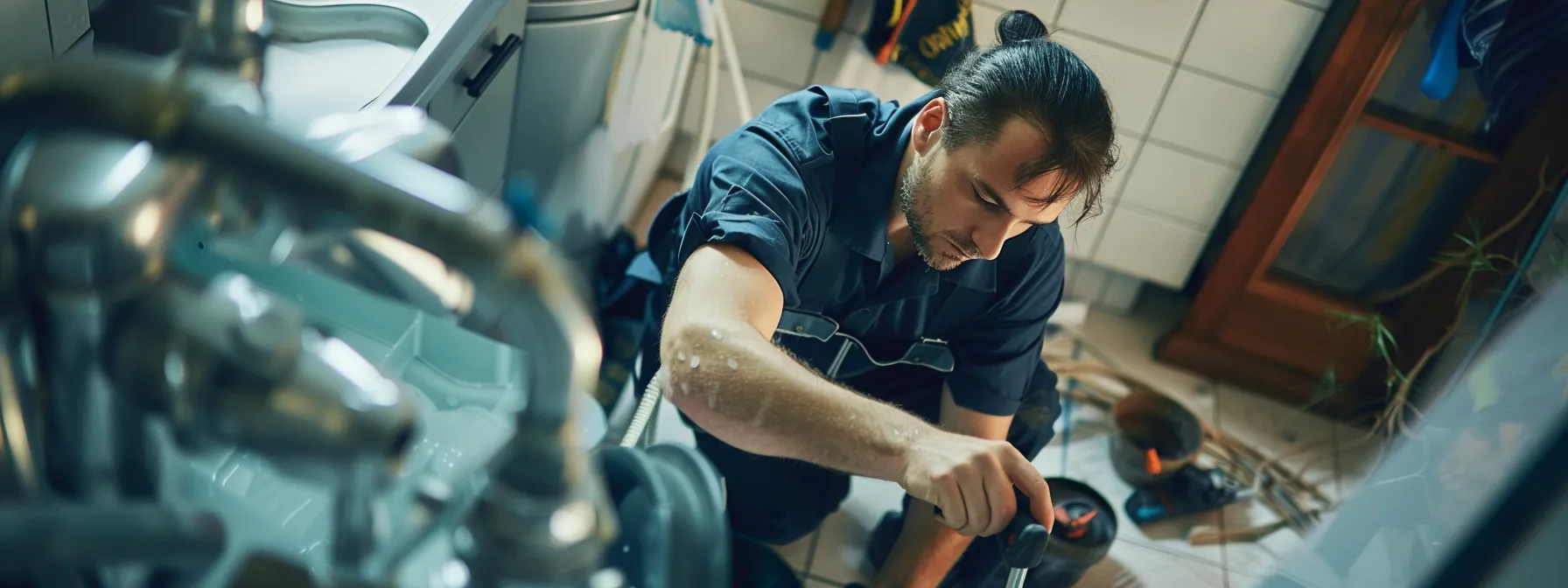
When a pipe bursts or a drain clogs, the expertise of a skilled plumber transforms a household crisis into a manageable inconvenience. Studies have shown that prompt and effective plumbing repairs not only resolve immediate issues but can also prevent long-term property damage. Homeowners who choose to hire local plumbers often benefit from rapid response times and community-focused service excellence.
Local plumbers are adept at providing services that are tailored to the unique needs of the community they serve. This personalized approach can lead to more efficient and satisfactory home repair experiences. In this article, we delve into the manifold ways that hiring local plumbers can revitalize home maintenance and repair practices.
Local Plumbers and Personalized Home Repair Services
Hiring local plumbers often translates into receiving more personalized and attentive services tailored to individual homeowner needs. These professionals not only understand local building codes and regulations but are also familiar with common residential issues in the area. local plumbers
From the installation of water-efficient appliances to solving unique plumbing puzzles, local experts bring a level of customization to the table that larger companies may struggle to match. Their proximity to clients allows them to forge strong relationships, often translating into better understanding and service for homeowners.
When seeking the best local plumber, homeowners should consider the range of services offered, the reputation within the community, and the responsiveness to service calls. Personal recommendations and reviews can be invaluable in making a selection that ensures high-quality, tailored plumbing solutions.
Streamlining Repair Processes with Proximity Advantage
The geographical closeness of local plumbers provides a significant edge in streamlining repair processes. They can often respond faster to emergencies, reducing the risk of water damage and the potential costs associated with it. Proximity enables local plumbers to offer quick diagnostic visits and follow-up appointments with minimal delay.
This expedited service is not just about reduced travel time; it’s about community members helping each other in times of need. Because local plumbers operate within a smaller radius, they have the capacity to provide more focused and scheduled maintenance, preventing problems before they escalate. This approach can save homeowners money in the long run by avoiding emergency call-out fees and expensive repairs.
Homeowners are encouraged to establish a regular maintenance plan with a local plumbing professional. This strategy ensures that small issues are caught early and resolved quickly, thereby circumventing the need for more complex and costly interventions later on.
Enhancing Home Value through Expert Local Plumbing Interventions
High-quality local plumbing work not only addresses immediate repair needs but also contributes to the overall value of your property. Upgrading fixtures, correcting chronic plumbing issues, and ensuring systems are up to code can elevate a home’s appeal in the real estate market.
Local plumbers are well-versed in the latest technologies and can offer advice on the best materials and products for durability and efficiency, making future-proofing decisions more accessible for homeowners. Implementing these improvements enhances long-term property value and can be a compelling selling point for prospective buyers.
To maximize this aspect of home improvement, it’s recommended that homeowners work with local plumbers who have a proven track record of reliable and advanced plumbing solutions. Evaluating portfolios of completed projects and testimonials can guide owners in choosing the right professional for upscale renovations and repairs.
Building Trust and Reliability with Your Neighborhood Plumbing Professionals

One of the quintessential benefits of hiring local plumbers is the establishment of a trustworthy relationship. Repeat business with a local service provider fosters a sense of accountability and dependability that is invaluable during home repair emergencies.
Supporting local businesses also contributes to the local economy, ensuring that the quality of work remains high and services are continually improved. Local plumbers are more likely to go the extra mile for their neighbors to maintain their reputation within the community, resulting in a higher standard of service for homeowners.
To build a strong, trustful relationship with neighborhood plumbing professionals, homeowners should communicate openly about their expectations and experiences. This feedback loop can help refine the plumber’s services and can ensure that homeowners receive fully satisfactory repair work and customer service.
Ultimately, hiring local plumbers brings a multitude of benefits to homeowners, from personalized service to rapid response times and enhanced property value. Embracing the unique knowledge and community spirit of neighborhood professionals not only streamlines repair processes but also strengthens the fabric of local trade and service quality. Ensuring your home’s plumbing needs are met by trusted local experts is an investment in both the immediate functionality of your property and its long-term worth.
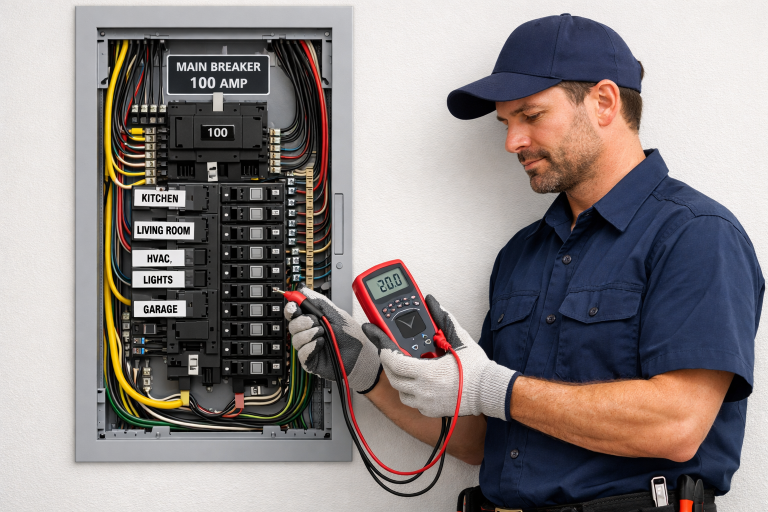
Modernizing your home’s electrical system is a priority for safety, efficiency, and managing the increased demands of today’s appliances. Whether you are considering new home enhancements or upgrades to an existing property, making informed electrical improvements is crucial. Homeowners searching for an experienced electrician in Sun City can ensure that all upgrades comply with the latest safety codes and meet current energy needs.
With constant advances in technology and new appliances entering households every year, aging electrical systems can quickly fall behind in terms of standards and safety. Upgrading not only protects residents from hazards but also boosts the value and performance of a home’s power infrastructure. Consulting experts and prioritizing proper installation can make all the difference in avoiding unnecessary risks and costly repairs.
The typical American home now contains a wide variety of sensitive electronics and high-demand equipment, from entertainment systems to smart appliances and electric vehicles. These tools require steady, reliable, and safe power delivery, which only modern upgrades can guarantee. Even with basic knowledge, it is important to work with professionals who understand the complexities of these systems.
Before moving forward with electrical improvements, seeking guidance from a qualified certified electrician will help you identify the best solutions tailored for your home’s age, size, and future-proofing needs.
Upgrading the Electrical Panel
With the influx of high-wattage appliances and charging stations for electric vehicles, an outdated electrical panel is not just inconvenient. It is unsafe, prone to frequent circuit breaker trips, and even poses a fire risk. Modern homes typically need service panels rated for at least 200 amps to accommodate increased power consumption. Panels more than 25 to 40 years old may not comply with today’s safety codes or provide the protection that new circuits and devices require. Leading sources like Family Handyman recommend routine evaluation and timely replacement of old panels to minimize overloads and support future upgrades.
Upgrading your panel can also make it easier to integrate smart energy management systems or future-proof your home for renewable energy solutions, such as solar panels or battery storage systems. These modern panels can often be expanded or upgraded with additional circuit breakers as your needs evolve. It’s vital to select a licensed electrician with experience in energy-efficient homes to guide you through the process, handle permitting, and guarantee code compliance.
Replacing Outdated Wiring
Many older homes feature knob-and-tube or aluminum wiring that can degrade, leading to overheating, shorts, or an increased risk of electrical fires. In addition to safety concerns, insurance companies often refuse coverage for properties with obsolete wiring methods. Modern copper wiring is the industry standard, providing superior conductivity, enhanced fire resistance, and greater compatibility with energy-efficient appliances. According to the National Fire Protection Association, updating home wiring is one of the most effective steps for fire prevention and long-term peace of mind.
It’s important to assess not only visible wiring but also the condition of connections behind walls, in attics, and in basements. Hidden issues, such as brittle insulation or loose splices, can be uncovered by thorough electrical inspections. Wiring upgrades can also provide additional circuits to support home offices, workshops, or new lighting layouts, enabling greater customization and efficiency. Your electrician can install upgraded wiring with minimal disruption by strategically routing and repairing existing wiring.
Installing GFCI and AFCI Outlets
Electrical codes now require ground-fault circuit interrupters (GFCIs) and arc-fault circuit interrupters (AFCIs) in most rooms. GFCIs are engineered for locations exposed to moisture, such as bathrooms, kitchens, and laundry rooms, where they protect against shock hazards by shutting off power when irregular currents are detected. AFCIs target arc faults concealed within walls and behind outlets that stem from damaged wiring or loose connections, reducing fire risks in bedrooms and living areas. These modern outlets are an easy yet vital upgrade for creating a safer, more compliant home environment.
Today’s GFCI and AFCI outlets often feature indicator lights or built-in testers, making it simple for homeowners to monitor and maintain their safety features. By installing the latest devices, you can detect issues more quickly and reduce potential downtime caused by tripped circuits. Replacing old receptacles with these advanced outlets is a cost-effective step toward comprehensive, up-to-date home safety. Not only do these outlets protect your family, but they can also reduce insurance premiums and improve resale value.
Whole-Home Surge Protection
Lightning strikes, faulty utility lines, or even standard switching of electrical devices can cause sudden voltage spikes harmful to electronics and appliances. Installing a surge protector at the main electrical panel intercepts these surges before they can harm TVs, computers, HVAC systems, and smart home devices. Whole-home protection is far more reliable than relying on point-of-use surge strips. Guidance from This Old House confirms that surge protection is now a must in any comprehensive electrical safety strategy.
Including surge protectors during an electrical upgrade also means your home is prepared for the technology upgrades on the horizon. As more households add smart thermostats, charging stations, and security systems, it becomes increasingly important to shield sensitive circuits. A licensed electrician can recommend devices rated for your specific power requirements and even coordinate surge protection with other home upgrades, like solar installations or backup generators.
Regular Maintenance and Safety Checks
Routine safety checks by licensed electricians are crucial for identifying issues like loose connections and outdated components. Yearly inspections can prevent outages, detect corrosion, and ensure proper functioning of GFCIs and AFCIs. These checkups also offer opportunities to upgrade, such as installing LED fixtures and new protective devices, enhancing safety and efficiency. Investing in electrical upgrades not only protects your home and family but also boosts property value and supports modern technology.
Conclusion
Upgrading and maintaining your home’s electrical system is essential for safety, efficiency, and long-term functionality. Modernizing panels, replacing outdated wiring, installing GFCI and AFCI outlets, and adding whole-home surge protection all reduce fire risks, protect appliances, and ensure compliance with current codes. Regular inspections and proactive maintenance help uncover hidden hazards, support new technology, and prepare your home for future energy needs. By partnering with licensed electricians for these improvements, homeowners not only safeguard their families and property but also enhance comfort, convenience, and overall home value.
-

 Blog2 months ago
Simpcit6: Redefining Simplicity in a Complex World
-

 Blog6 months ago
Baddi Hub: An Emerging Industrial and Business Hotspot
-

 Technology6 months ago
YourAssistantLive com: The Future of Smart Digital Assistance
-

 food6 months ago
Calamariere: How to Perfectly Prepare at Home
-

 Health5 months ago
Nerovet AI Dentistry: Enhancing Patient Experience and Treatment Outcomes Dental Care
-

 Technology2 months ago
Voomixi com: The Digital Platform Redefining Online Interaction
-

 Technology5 months ago
Anonibs: The Trending Anonymous Image Board Platform
-

 HomeImprovment5 months ago
Acamento: How Finishing Techniques Define a Building’s Style