
Fashion
What Are “Birth Year” Rolex Watches and Why Are They Trending in Atlanta?

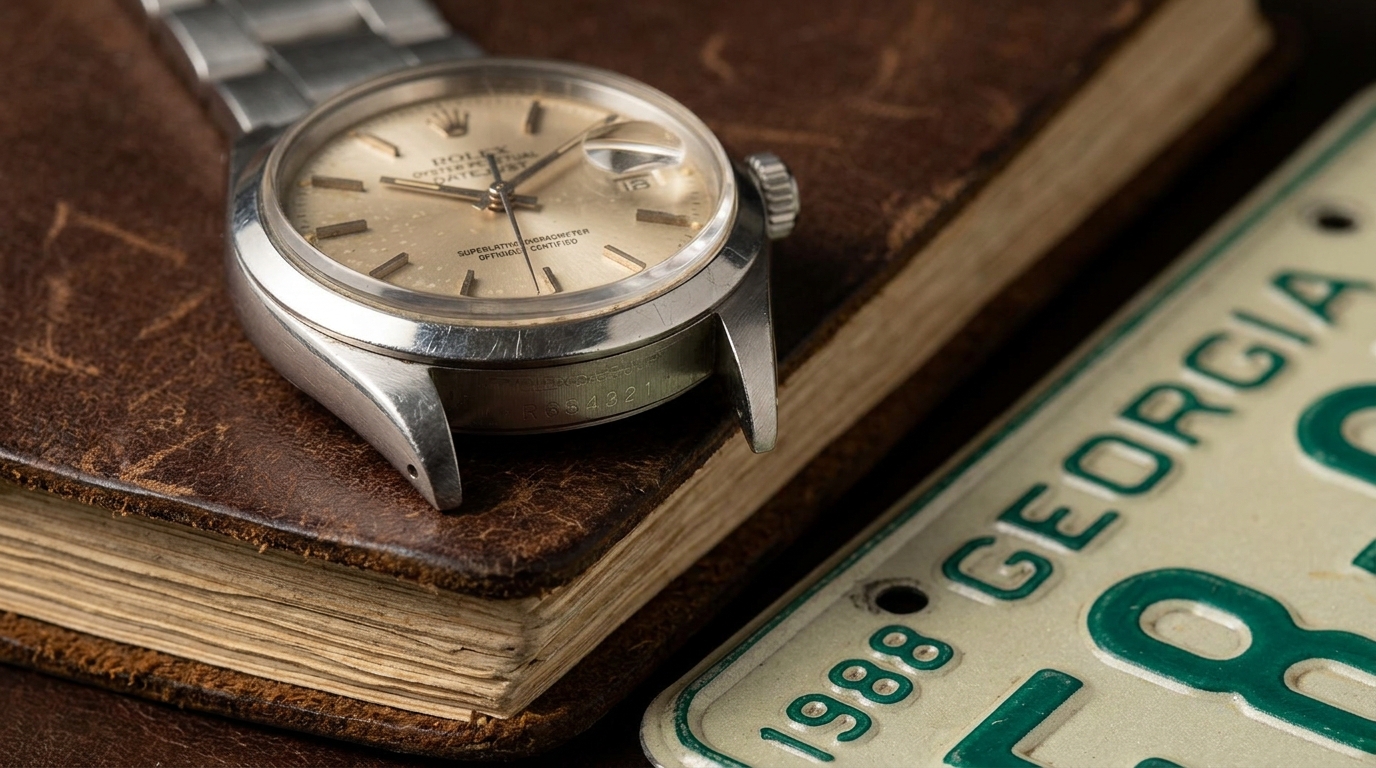
The concept has been circulating in watch collecting circles for years, but it has found a particularly active audience in Atlanta’s growing community of vintage Rolex enthusiasts. Connecting with a trusted Rolex buyer in Atlanta, GA means working with someone who understands both what birth year pieces are worth and why that personal connection matters to the person on the other side of the transaction.
So what exactly is a birth year Rolex, how do you track one down, and why has this category picked up real momentum in Atlanta’s secondary market?
What Is a Birth Year Rolex Watch?
A birth year Rolex is a genuine Rolex watch manufactured in the same calendar year as the person who owns or receives it. The concept blends horology with personal history, the watch carries the same vintage as the wearer.
Why Do Collectors Seek Them?
The appeal is easy to understand. A watch from your birth year connects you to a specific era. It was built using the materials, tools, and manufacturing standards of that exact period. A Submariner from 1972 or a Datejust from 1985 represents the design language and culture of a moment in time, one that happens to be yours.
Birth year Rolexes are especially popular as gifts for milestone birthdays: 30th, 40th, and 50th celebrations, as well as graduations and anniversaries. In Atlanta, where the culture around meaningful luxury and personal expression has grown considerably, these pieces appeal to buyers who want something with a story rather than a brand-new watch from a dealer shelf.
Do They Command a Higher Price Because of the Birth Year?
The sentimental value is personal and does not mechanically add to a watch’s market price. What drives value is the same set of factors that applies to any vintage Rolex: model, condition, originality, and documentation. A birth year piece in excellent original condition with matching papers will always carry more value than one without, for reasons that have everything to do with the watch itself.
How Do You Find a Birth Year Rolex?
This is where the search gets specific, and where a lot of buyers hit their first real challenge.
For Watches Produced Before 2011
Pre-2011 Rolex watches can be dated using serial number ranges. Rolex used sequential serial numbers that tracked closely with production years, making it possible to cross-reference a serial number against published production databases.
A watch with a serial number in a specific range, for example, can be confirmed as a 1975, 1988, or 1999 production with reasonable confidence. The serial number is engraved between the lugs at the 6 o’clock position on older models, or on the rehaut (inner bezel ring) on more modern pieces.
For Watches Produced After 2010
In 2010-2011, Rolex switched to randomized alphanumeric serial numbers as an anti-counterfeiting measure. That change broke the ability to date a watch by its serial number alone.
For anyone born after 2010, or for sellers trying to confirm a production year on a modern piece, the only reliable method is the original warranty card or purchase receipt. A factory-original card includes the purchase date and dealer stamp, which paired with the serial number can confirm the production era. This is one reason complete sets (watch, box, warranty card) command significantly higher prices on modern references for birth year buyers: without documentation, the year simply cannot be verified.
Why Is Atlanta’s Market Responding to Birth Year Rolexes?
A Growing Vintage Watch Culture
Atlanta has built a genuine enthusiast community around vintage and pre-owned timepieces. Watch meetups, independent dealers, and a rising number of collectors have created a local ecosystem where vintage Rolex pieces change hands regularly. Birth year pieces fit naturally into that culture, they combine investment fundamentals with personal narrative, which Atlanta’s collector base responds to.
Milestone Gifting and Meaningful Luxury
Atlanta has a strong tradition around milestone celebrations, landmark birthdays, graduations, and business achievements are marked with gifts that carry weight. A birth year Rolex fits that tradition directly. It’s not a generic luxury item off a shelf; it’s a specific, researched piece with a story attached to it.
Vintage Over New Production
New Rolex watches remain hard to source through authorized dealers. The secondary market for vintage references, meanwhile, offers far more variety and often more character. Birth year hunting gives collectors a defined purpose for that search rather than simply browsing through available inventory.
What Should Sellers Know About Birth Year Rolexes?
Sellers who own a birth year piece, whether their own or one purchased as a gift that is no longer needed, should understand a few practical points:
Condition matters above everything. Originality drives value in vintage collecting. An unpolished case with sharp edges is worth more than a refinished one, even if the refinished watch looks cleaner. Documentation supports the value. Service records, original warranty cards, and a matching box establish provenance and confirm the production year for post-2010 pieces. Sentimental value does not transfer. The personal meaning a watch holds for its original owner is not reflected in a buyer’s offer. The offer reflects model, condition, and current market demand.
Frequently Asked Questions
What is a birth year Rolex watch?
A birth year Rolex is a watch manufactured in the same year as the owner or recipient. Collectors and gift-givers seek them for the personal connection between the watch’s production era and the person wearing it.
How do you find out what year a vintage Rolex was made?
For pre-2011 models, serial number ranges can be cross-referenced against production databases to confirm the manufacturing year. Post-2010 models with randomized serial numbers require the original warranty card or purchase receipt.
Does a birth year Rolex cost more than a regular vintage Rolex?
The birth year connection itself does not mechanically add to market value. Price is driven by model, condition, originality, and documentation, the same factors as any vintage Rolex.
What Rolex models are most popular as birth year watches?
The Datejust (in production since 1945), Submariner (since 1953), GMT-Master (since 1955), Day-Date (since 1956), and Daytona automatic (since 1988) are among the most sought-after for birth year collecting.
Why did Rolex switch to randomized serial numbers?
Rolex moved to randomized alphanumeric serial numbers around 2010-2011 primarily as an anti-counterfeiting measure, making it harder to assign plausible serial numbers to fake pieces.
Can you sell a birth year Rolex in Atlanta?
Yes. Atlanta has an active market for vintage and pre-owned Rolex watches. Having original documentation significantly strengthens the sale and supports a higher offer from a professional buyer.
Do birth year Rolexes make good long-term investments?
Vintage Rolex watches from desirable references have historically appreciated. A birth year piece in excellent original condition with documentation follows the same investment fundamentals as any well-preserved vintage Rolex.
What makes a birth year Rolex authentic?
Authenticity is established through physical inspection of the movement, case, dial, and serial number, not through the birth year concept itself. Any vintage Rolex purchase should be authenticated by a professional before the transaction is completed.
Is it hard to find a specific birth year Rolex in Atlanta?
It depends on the year and model. Common references from years with higher production volumes are easier to locate. Rare models or years with limited production require more active searching through reputable dealers and specialist buyers.
What should you bring when selling a birth year Rolex in Atlanta?
Bring the watch in its current condition along with any original accessories, box, warranty card, and service records. The more complete the package, the stronger the offer a professional buyer will be able to make.
3399 Peachtree Rd NE STE 410-A, Atlanta, GA 30326
(404) 407-5046
Authentication confirms whether a Rolex is genuine. An appraisal assigns a monetary value to it. These are two separate processes, and authentication must come first, because no watch can be accurately valued without first establishing that it’s real. Both serve different purposes for sellers, collectors, and insurance policyholders.
These two words get used all the time interchangeably, but they describe very different procedures with different outcomes. For Rolex authentication and information from Diamond Banc, understanding what each process actually involves helps you prepare your watch properly, ask the right questions, and walk into any transaction, sale, loan, or insurance with realistic expectations.
Mixing them up can leave you underprepared for a transaction or holding a document that doesn’t serve the purpose you actually needed.
What Is Rolex Authentication?
Authentication answers one question: Is this watch genuinely a Rolex?
It’s a verification process. It examines the physical and documentary evidence to confirm the watch was manufactured by Rolex and has not been materially altered with non-genuine parts. Authentication does not assign a dollar value. Its only job is to determine whether the watch is real.
What does an authentication check do?
A thorough authentication covers:
- Serial and reference numbers: Confirmed against production records to verify they match the watch’s era and model
- Movement: Inspected for genuine Rolex components, correct rotor, and appropriate sweep behavior
- Case and dial: Checked for correct engraving depth, dial printing quality, and material consistency
- Cyclops lens: Verified for 2.5x date magnification on date models
- Bracelet and clasp: Examined for solid link construction, correct engravings, and factory finishing quality
- Documentation: Warranty card and paperwork cross-referenced against the watch’s serial number
Authentication is the foundation. Everything that follows, pricing, insuring, and lending against, is built on the outcome of this step.
What Is a Rolex Appraisal?
Appraisal answers a different question: what is this watch worth?
It’s a monetary valuation conducted by a qualified professional who has already established, or assumes, the watch’s authenticity. A Rolex appraisal produces a documented estimate of value for a specific purpose: selling, insuring, estate planning, or using the watch as collateral for a loan.
What Does an Appraisal Evaluate?
- Fair market value: What the watch would sell for in the current secondary market
- Replacement value: What it would cost to replace with an equivalent piece, used for insurance purposes
- Condition grade: Assessment of wear, dial integrity, case sharpness, and service history
- Accessories: Whether the original box, warranty card, and documentation are present typically adds 10-20% to the final value
- Model demand: Current buyer activity for that specific reference in the resale market
Appraisers draw on recent sales transaction data, current dealer pricing, and auction results to arrive at a defensible number.
Why Authentication Must Come Before Appraisal
A watch that hasn’t been authenticated carries inherent uncertainty, and that uncertainty affects value.
Buyers, lenders, and insurance companies all need a verified, genuine article before assigning real value to a watch. An appraisal on an unverified watch is just a guess with paperwork, and any experienced professional will recognize that immediately.
Think of it this way: authentication is the proof of identity. Appraisal is the statement of worth. You need the first before the second has any meaning at all.
When Do You Need Each One?
You Need Authentication When:
- Buying a pre-owned Rolex from a private seller or an unfamiliar source
- Confirming a watch inherited from an estate
- Preparing a Rolex for sale with verified provenance
- Before securing a loan against your watch as collateral
You Need an Appraisal When:
- Insuring your Rolex for its replacement value
- Selling and wanting documented market value support
- Including the watch in estate or legal documentation
- Using the watch as collateral for a jewelry equity loan
Many sellers need both. The good news is that professional Rolex buyers typically perform both steps as part of their standard evaluation process.
What Happens When Documentation Is Missing?
Not having original papers doesn’t mean a watch can’t be authenticated. Professional evaluators work with what’s available:
- Physical inspection: Movement, materials, and construction can establish authenticity without documentation
- Rolex Extract Letters: For vintage pieces, Rolex archives can provide letters confirming production details
- Service records: Papers from an authorized Rolex service center confirm the watch was genuine at the time of service
- Certified appraiser reports: A documented professional evaluation can serve as authentication support for most transaction purposes
Frequently Asked Questions
Can a watch be appraised without being authenticated?
Technically, yes, but it shouldn’t be. An appraisal of an unverified watch can only estimate value with significant uncertainty. Reputable professionals authenticate before appraising.
Who can authenticate a Rolex?
Authorized Rolex service centers offer the most definitive authentication. Independent certified watchmakers, luxury watch specialists, and professional buyers with horological training can also provide reliable verification.
Is authentication the same as getting a certificate of authenticity?
Not exactly. Authentication is the process. A certificate of authenticity is a document that may follow that process. The quality of the process matters more than the paper – a certificate from an unqualified source has no meaningful value.
Does a Rolex appraisal expire?
Not formally, but values change over time. A Rolex appraised several years ago may not reflect current market conditions. For insurance purposes, updating every two to three years is a sensible practice.
How long does Rolex authentication take?
Professional buyers can often authenticate a watch during a single in-person visit. Authorized Rolex service centers may require the watch to be left for a longer period depending on their backlog.
Do both authentication and appraisal need to be done in person?
Authentication is most reliable in person because of the physical inspection required. Appraisals can sometimes be done remotely using photos and documentation, but an in-person evaluation will always be more accurate.
What is the difference between a Rolex appraisal for insurance vs selling?
Insurance appraisals target replacement value – what it costs to replace the watch with an equivalent piece. Selling appraisals focus on fair market value – what a buyer would realistically pay today. These numbers differ, and using one for the other’s purpose creates mismatched expectations.
Can original box and papers substitute for professional authentication?
No. Documents confirm provenance but can be mismatched or, in rare cases, forged. Physical inspection of the watch itself remains the only reliable authentication method.
What does it mean when a Rolex is described as “unpapered”?
An unpapered Rolex is one being sold without its original warranty card or guarantee documents. The watch can still be authenticated through physical inspection, but the absence of papers affects resale value and the level of confidence a buyer brings to the transaction.

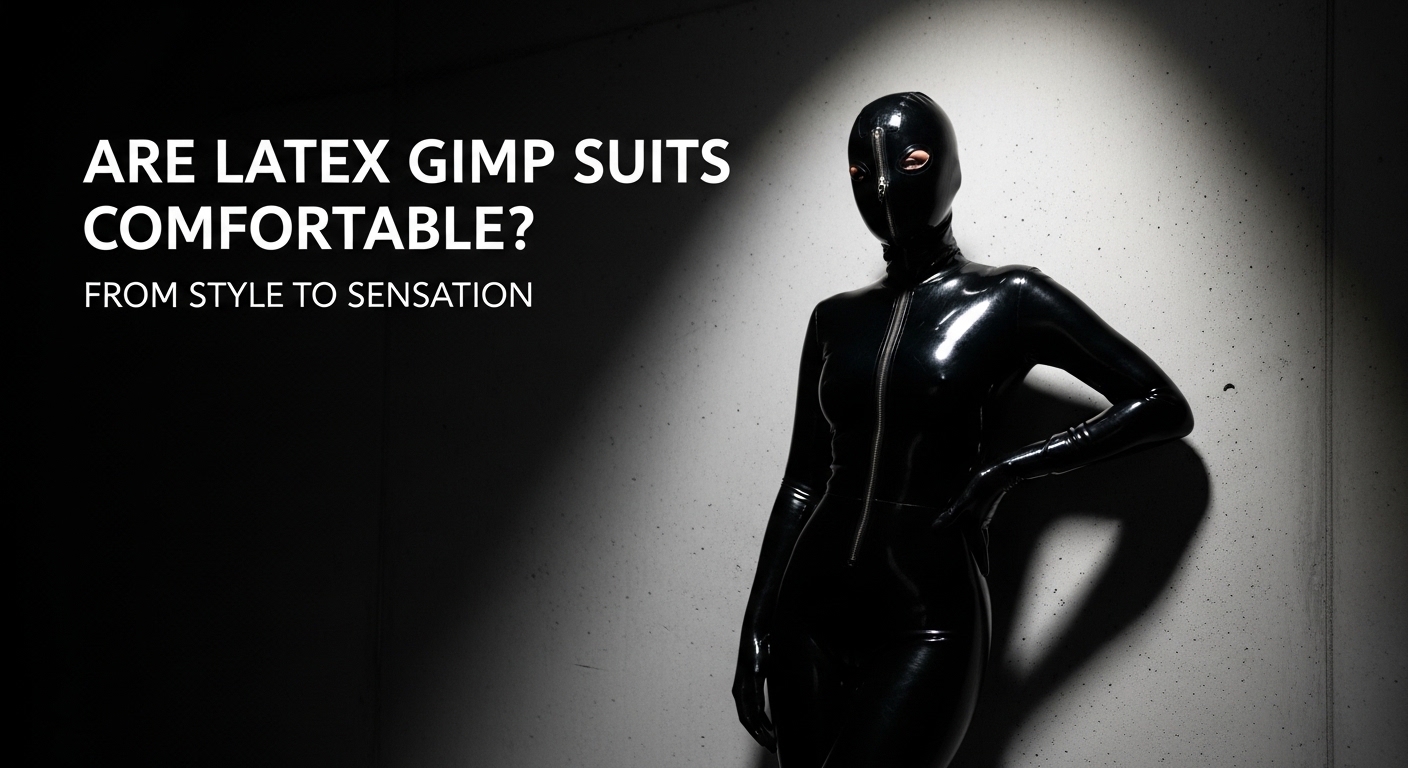
When it comes to alternative fashion and fetish wear, one question often arises: are latex gimp suits comfortable? These striking outfits, crafted from tight-fitting latex, have captivated enthusiasts worldwide. Their aesthetic appeal is undeniable, but comfort remains subjective. Latex gimp suits are more than just clothing; they represent a fusion of style, sensation, and personal expression. Understanding whether they are comfortable requires exploring materials, design, psychological impact, and practical usage.
Latex gimp suits are designed to cover the body entirely, often emphasizing form and providing a sleek, glossy appearance. While some may assume they are restrictive or unpleasant, many wearers report a unique sensation of containment, warmth, and tactile pleasure. The question of comfort, therefore, cannot be answered with a simple yes or no. Instead, it demands a deeper look into how latex interacts with the body and how design choices influence the experience.
The Material Factor: Why Latex Feels Different
The primary reason many wonder are latex gimp suits comfortable is the material itself. Latex is naturally elastic, allowing it to stretch and conform to the body’s shape. This elasticity creates a feeling of being hugged or enveloped, which some wearers find relaxing while others may find slightly restrictive. The thickness of latex can vary, affecting both mobility and breathability.
Table: Typical Latex Thickness and Comfort Impact
| Latex Thickness | Sensation | Comfort Level | Mobility |
|---|---|---|---|
| 0.2mm | Light, flexible | High | Excellent |
| 0.4mm | Moderate, snug | Moderate | Good |
| 0.6mm | Firm, tight | Low to Moderate | Restricted |
The right thickness depends on wearer preference. Lighter latex offers more freedom of movement, whereas thicker material enhances the visual appeal and gives a more intense sensation of containment. Proper lubrication and regular maintenance are also crucial, as latex can stick to the skin, affecting both comfort and ease of wear.
Psychological Dimensions: The Mind-Body Connection
Comfort is not purely physical. When asking are latex gimp suits comfortable, the psychological response to wearing them must be considered. Many enthusiasts experience a heightened sense of confidence and empowerment when wearing these suits, which contributes to an overall feeling of comfort. The restrictive nature of latex can trigger a unique psychological state, often described as liberating rather than confining.
For some, the sensation of tightness and smoothness against the skin heightens awareness of the body, creating a meditative or immersive experience. In contrast, first-time wearers may feel anxiety or unease, especially if the suit is very tight or unfamiliar. Gradual acclimatization, paired with proper sizing, plays a key role in ensuring that latex gimp suits are experienced as comfortable rather than intimidating.
Design Matters: Fit, Style, and Comfort
The style and construction of a latex gimp suit significantly affect whether it is comfortable. Designers often balance aesthetics with functionality, considering zippers, seams, and reinforcement areas. Smooth seams and strategic cuts prevent chafing, while adjustable features like back zippers or removable components enhance usability.
Table: Design Elements and Their Impact on Comfort
| Design Element | Impact on Comfort | Notes |
|---|---|---|
| Seams and Stitching | Can reduce friction | Smooth seams are preferable |
| Zippers and Closures | Facilitate entry/exit | Back zippers are common |
| Ventilation Panels | Improve breathability | Hidden or subtle |
| Reinforced Areas | Enhance durability | May reduce flexibility |
Wearing a properly fitted suit reduces stress on joints and skin, allowing the wearer to focus on the experience rather than discomfort. Conversely, an ill-fitted suit can cause pinching, irritation, or limited mobility, underscoring the importance of precise measurement and customization.
Sensation and Tactile Experience
A defining aspect of latex gimp suits is the sensation against the skin. Many wearers describe a smooth, almost liquid-like touch that enhances bodily awareness. This unique tactile experience contributes to comfort in a non-traditional sense, blending physical and emotional response. The snug fit can produce warmth, increasing blood flow and providing a gentle compression that some find therapeutic.
It is important to note that sensation is highly subjective. While some individuals thrive in the enveloping embrace of latex, others may find it overwhelming, especially if the suit is worn for extended periods. Comfort in latex gimp suits often correlates with experience, tolerance, and personal preference.
Hygiene and Maintenance: Indirect Comfort Factors
Comfort is also affected by cleanliness and care. Latex is non-breathable, so sweat and heat can accumulate. Regular cleaning, powdering the inside, and using suitable lubricants not only preserve the suit’s integrity but also enhance comfort. Proper storage prevents creasing and sticking, which can otherwise make future wear uncomfortable.
Table: Maintenance Tips for Comfortable Latex Wear
| Maintenance Step | Purpose | Effect on Comfort |
|---|---|---|
| Powdering Inside | Prevents sticking | Eases dressing and movement |
| Using Lubricants | Reduces friction | Enhances tactile sensation |
| Cleaning After Wear | Maintains hygiene | Avoids skin irritation |
| Proper Storage | Prevents deformation | Extends lifespan and fit |
By addressing these indirect factors, wearers can enjoy longer, more comfortable sessions, making the question are latex gimp suits comfortable easier to answer affirmatively.
Social and Cultural Perceptions
Another layer influencing comfort is social context. Wearing latex gimp suits can evoke strong reactions in public or private spaces, impacting psychological ease. In controlled environments such as private parties, events, or personal sessions, comfort is higher due to familiarity and acceptance. In contrast, outside these contexts, wearers may experience self-consciousness, which indirectly affects physical comfort.
Understanding these dynamics allows enthusiasts to prepare mentally and socially, improving overall comfort levels. Education about proper usage, etiquette, and body positivity also supports the wearer in enjoying latex suits without stress.
Practical Tips for Enhancing Comfort
Several strategies can make latex gimp suits more comfortable. Selecting the right size, gradually increasing wear time, and using appropriate care products are essential. Additionally, integrating layers like light undergarments or applying silicone-based lubricants reduces friction and skin irritation.
Table: Comfort Enhancement Strategies
| Strategy | Benefit | Recommended Use |
|---|---|---|
| Sizing Accurately | Prevents pinching | Measure chest, waist, limbs |
| Gradual Wear | Builds tolerance | Start with short sessions |
| Lubricants and Powders | Reduces friction | Apply before and during wear |
| Hydration and Breaks | Prevents overheating | Take short breaks if needed |
These steps ensure that wearers enjoy the visual and sensory appeal of latex gimp suits while minimizing discomfort, demonstrating that comfort is achievable with preparation.
Conclusion
Ultimately, the question are latex gimp suits comfortable does not have a one-size-fits-all answer. Comfort is influenced by material properties, psychological response, design, maintenance, and social context. While some may find latex suits restrictive, many enthusiasts experience a unique combination of tactile pleasure, warmth, and empowerment.
By choosing the right suit, maintaining proper hygiene, and gradually acclimating to the material, wearers can enjoy both the style and sensation of latex gimp suits. The blend of aesthetics, physical experience, and psychological impact transforms these outfits from mere clothing into a personal journey of expression and comfort.

With the growing popularity of non-psychoactive cannabinoids, many wellness enthusiasts are turning to THCA Flower as a promising addition to their holistic routines. THCA (tetrahydrocannabinolic acid) is the raw, unheated precursor to THC and stands out for the way it can offer potential therapeutic properties without inducing a high.
While THC has long been at the forefront of cannabis research for its psychoactive effects, THCA presents an alternative for those seeking relief without intoxication. As more people look for options that fit within their lifestyles, raw cannabis products and extracts containing high amounts of THCA are gaining attention for their versatility and perceived health benefits.
The legal status, consumption methods, and methods for identifying top-quality THCA flower all contribute to its growing relevance in the wellness market. Learning about its properties and how to use it safely can empower consumers to make informed decisions about adding it to their routines.
Beyond simple curiosity, understanding how THCA works in the body can help users maximize its effects while minimizing any potential drawbacks, especially as ongoing research continues to shed new light on its unique characteristics.
Understanding THCA
THCA is the acidic precursor to THC, the main intoxicating component of cannabis. In its natural state in raw cannabis flowers, THCA does not cause psychoactive effects. This is because the molecule is shaped differently and does not easily bind to cannabinoid receptors responsible for producing a “high.” To transform into THC, THCA must undergo decarboxylation, which happens when it is exposed to heat through smoking, vaping, or cooking. This transformation releases carbon dioxide and activates the compound’s psychoactive potential.
Unlike THC, THCA’s effects are subtler and more associated with wellness applications. Many people consume THCA in its raw form, hoping to benefit from its anti-inflammatory, neuroprotective, and anti-nausea properties without the cognitive effects that come from THC. The scientific community is still in the early stages of fully understanding how THCA interacts with the body, but early indications are promising.
Health Benefits of THCA Flower
THCA is attracting scientific interest due to its potential wellness benefits. Studies and anecdotal evidence suggest the following key benefits:
- Anti-Inflammatory Properties: THCA may help reduce inflammation, offering possible relief for conditions such as arthritis and inflammatory bowel disease. The non-intoxicating nature of THCA makes it especially suitable for daytime use, according to emerging scientific evidence.
- Neuroprotective Effects: Early laboratory studies indicate that THCA may protect nerve cells from damage, with implications for neurodegenerative illnesses such as Alzheimer’s and Parkinson’s disease.
- Anti-Nausea Benefits: THCA’s anti-emetic properties are drawing attention, especially for patients undergoing chemotherapy or suffering from severe nausea. Its ability to provide relief without causing a high makes THCA appealing for sensitive individuals.
- Appetite Stimulation: THCA may encourage appetite, which can be helpful for those experiencing appetite loss as a result of chronic illness, with minimal psychoactive effect compared to THC.
Consumption Methods
The way THCA flower is consumed directly affects its effects. Consumption methods can be broadly divided into two categories:
- Raw Consumption: Incorporating raw THCA flower in smoothies, salads, or juices lets users take advantage of THCA’s therapeutic benefits without activating its psychoactive counterpart, THC. This is a preferred method for those seeking only wellness effects.
- Decarboxylation (Heating Methods): Smoking, vaping, or cooking THCA flower triggers the conversion into THC, bringing about the well-known intoxicating effects. This is important for users who wish to harness the traditional “cannabis high” or for formulations that require this transformation for efficacy.
Legal Considerations
The legality of THCA flower depends on its THC content and the specific laws of each jurisdiction. In the United States, for example, THCA derived from hemp with less than 0.3% THC is federally legal, but the legal landscape remains fluid. Some states see THCA as equivalent to THC once it is decarboxylated, while others maintain a distinction. For international consumers, regulations can vary further, making it crucial to stay up to date on local and national policies regarding THCA products.
Choosing Quality THCA Flower
Not all THCA flower is created equal, and a few factors set high-quality products apart:
- Potency: Reputable suppliers offer detailed lab results showing THCA content and purity, ensuring the desired concentration for users.
- Terpene Profile and Aroma: A vibrant, aromatic scent and a rich terpene profile are hallmarks of expertly grown and cured flower, providing both therapeutic benefits and a more enjoyable experience.
- Appearance: High-quality THCA flower should have dense, well-trimmed buds covered in glistening trichomes.
- Cultivation Practices: Opt for organically grown, sustainably harvested flowers to support safer consumption and environmental stewardship.
Potential Side Effects
While most people tolerate THCA flower well, there is a possibility of mild side effects, such as dizziness, dry mouth, or mild digestive discomfort. Those with existing health issues or who take medications should consult a trusted healthcare provider before adding THCA flower to their regimen. Moderation and awareness of one’s individual sensitivity can help mitigate any unwanted outcomes.
Conclusion
THCA flower is carving a place for itself in the wellness world due to its unique composition and versatile applications. With a range of potential health benefits, non-intoxicating properties, and a rapidly evolving legal status, it offers an attractive option to those seeking the positive aspects of cannabis with greater control over their experience. Always look for high-quality products, confirm their lab results, and stay informed of current regulations in your area to ensure a safe and beneficial addition to your wellness routine.
-

 Blog4 months ago
Simpcit6: Redefining Simplicity in a Complex World
-

 Blog9 months ago
Baddi Hub: An Emerging Industrial and Business Hotspot
-

 food9 months ago
Calamariere: How to Perfectly Prepare at Home
-

 Technology9 months ago
YourAssistantLive com: The Future of Smart Digital Assistance
-

 Health8 months ago
Nerovet AI Dentistry: Enhancing Patient Experience and Treatment Outcomes Dental Care
-

 Technology4 months ago
Voomixi com: The Digital Platform Redefining Online Interaction
-

 Business6 months ago
Top Benefits of Using Quality Wire Rope Lube in US Heavy Industry
-

 Technology8 months ago
Anonibs: The Trending Anonymous Image Board Platform