Construction
Comprehensive Guide to Construction Permitting: Understanding the Process, Overcoming Challenges, and Ensuring Compliance for Successful Building Projects

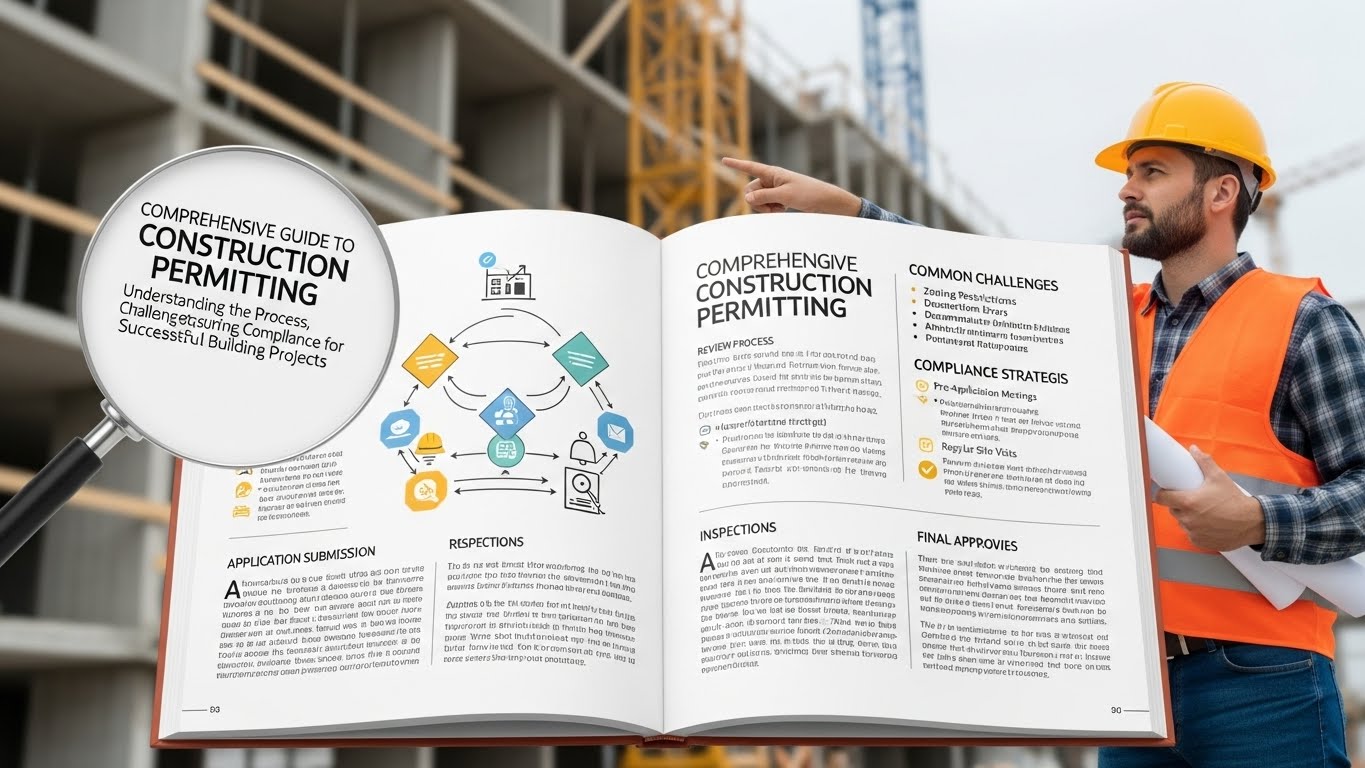
Construction projects, whether they involve residential complexes, commercial buildings, or industrial facilities, demand careful planning, meticulous execution, and strict adherence to legal and safety standards. One of the most essential components of any construction initiative is construction permitting, a formal process that ensures all construction work is conducted legally, safely, and in compliance with building codes and regulations. Understanding construction permitting in depth is vital not only for developers and contractors but also for project managers, architects, engineers, and property owners who wish to avoid legal complications, unnecessary delays, and potential financial losses. By following proper procedures, stakeholders can ensure that their projects proceed efficiently while meeting all regulatory requirements, thereby guaranteeing structural integrity, safety, and long-term usability.
What is Construction Permitting?
Construction permitting is the process by which a governing authority reviews, approves, and monitors construction projects to ensure that they comply with established safety, zoning, and environmental standards. This process serves as a safeguard for both the public and property owners by ensuring that buildings are designed and constructed according to legal and technical standards. Obtaining construction permits requires submitting detailed plans, specifications, and supporting documentation, followed by thorough review and inspections by the relevant authorities. Beyond merely fulfilling a legal requirement, construction permitting provides a structured framework for planning, helps prevent substandard construction practices, and protects the interests of the community, property owners, and future occupants.
The Legal Framework Behind Construction Permitting
The legal framework for construction permitting is designed to ensure that all construction projects adhere to building codes, zoning laws, environmental regulations, and safety standards. These regulations vary depending on the jurisdiction but share common goals of protecting public safety, maintaining urban planning integrity, and preserving environmental sustainability. Building codes dictate the standards for structural stability, fire safety, electrical and plumbing systems, energy efficiency, and accessibility, among other critical factors. Zoning regulations control how land may be used, specifying what types of structures are permitted in specific areas, height restrictions, setbacks, and density limitations. Environmental laws may also play a significant role, particularly for projects near protected areas, water bodies, or regions requiring sustainable development practices. Non-compliance with these legal frameworks can result in serious consequences, including fines, project delays, revocation of permits, or legal action to halt or dismantle non-compliant structures. Understanding these laws thoroughly is critical for anyone involved in construction, as it ensures that the project meets all necessary legal and safety obligations from start to finish.
Steps Involved in the Construction Permitting Process
The construction permitting process involves multiple stages designed to verify that a project meets all technical, legal, and safety standards. The first step typically involves preliminary research, during which developers or property owners examine zoning laws, building codes, environmental restrictions, and other relevant regulations to ensure their project is feasible. Following this, detailed documentation, including architectural drawings, engineering plans, structural calculations, and sometimes environmental assessments, must be prepared for submission. The completed application is then submitted to the appropriate authority for review. During the review stage, government officials or inspectors evaluate the plans to ensure compliance with building codes, zoning restrictions, fire safety regulations, and other standards. Upon successful review, the construction permit is issued, granting legal approval to commence construction. Throughout the construction phase, inspections are conducted periodically to confirm that the work aligns with approved plans and regulations. These inspections cover structural integrity, electrical and plumbing installations, fire safety systems, and other critical components. After construction is completed, a final inspection is conducted, and a certificate of occupancy may be issued to certify that the building is safe and legally habitable. This step-by-step process ensures accountability and reduces the risk of unsafe or non-compliant construction.
Common Challenges Associated with Construction Permitting
Despite its critical importance, the construction permitting process is often accompanied by challenges that can impact project timelines, costs, and overall success. One major challenge is navigating complex regulations, which vary between jurisdictions and may involve multiple overlapping codes and standards. Delays are also common, as permit applications can take weeks or even months to process depending on the complexity of the project, staffing of permitting offices, and completeness of the submitted documentation. Incomplete or inaccurate documentation is another frequent issue that can lead to permit rejection or additional requests for information, causing further delays. Financial considerations also play a role, as permit fees and the costs of ensuring compliance with regulations can significantly affect a project’s budget. Additionally, regulatory changes may occur during the construction process, requiring modifications to plans, additional inspections, or re-submissions, further complicating project timelines. Addressing these challenges proactively through careful planning, expert consultation, and diligent documentation is essential for minimizing disruptions and ensuring that projects proceed smoothly.
The Role of Professionals in Construction Permitting
Navigating the construction permitting process often requires collaboration among various professionals who bring specialized expertise to the project. Architects and engineers are typically responsible for creating detailed designs and structural plans that meet technical and regulatory standards. Contractors play a critical role in executing construction according to approved plans while ensuring compliance with inspection requirements throughout the project. Additionally, permit consultants or specialists may be employed to assist with navigating regulatory frameworks, preparing applications, and liaising with authorities to expedite the approval process. Engaging these professionals not only reduces the likelihood of errors and delays but also increases the overall efficiency of the permitting process. Their expertise ensures that all aspects of the project, from design to final inspection, comply with legal, safety, and technical requirements, providing peace of mind to project owners and stakeholders.
Technological Advancements in Construction Permitting
Technology has increasingly transformed the construction permitting process, making it more streamlined, transparent, and efficient. Many jurisdictions now offer digital platforms that allow applicants to submit permit applications, supporting documentation, and payments online, reducing the need for in-person visits and paperwork. Digital plan review systems enable authorities to evaluate architectural and engineering plans electronically, allowing for faster approval times and more accurate assessments. Permit tracking systems provide applicants with real-time updates on the status of their applications, reducing uncertainty and allowing for better project planning. Additionally, data analytics tools are sometimes used to identify potential compliance issues in advance, helping applicants correct problems before submission. These technological innovations not only accelerate the permitting process but also enhance accountability, transparency, and overall effectiveness, benefiting both applicants and regulatory authorities.
Benefits of Proper Construction Permitting
Obtaining proper construction permits offers numerous advantages that extend beyond legal compliance. First and foremost, it ensures that buildings are safe, structurally sound, and suitable for occupancy, protecting both occupants and the general public. Proper permitting helps prevent costly legal disputes, fines, or the need for retroactive modifications that may arise from non-compliance. It also contributes to maintaining neighborhood aesthetics, preserving property values, and fostering community trust by demonstrating a commitment to responsible construction practices. From a financial perspective, adhering to permitting requirements protects investors and property owners from potential losses associated with unsafe or illegal construction. Finally, projects that follow proper construction permitting procedures are more credible, enhancing the reputation of contractors, developers, and other stakeholders as professionals committed to quality, safety, and regulatory compliance.
Conclusion: The Importance of Construction Permitting
Construction permitting is a cornerstone of responsible and professional building practices, serving as a safeguard for public safety, legal compliance, and project success. By understanding the legal framework, preparing thorough and accurate documentation, collaborating with qualified professionals, and leveraging technological tools, developers and contractors can navigate the permitting process efficiently and minimize delays or obstacles. While challenges may arise due to complex regulations, documentation requirements, or changing standards, proactive planning and professional support can ensure that projects proceed smoothly and within legal guidelines. The benefits of proper construction permitting extend beyond compliance, enhancing safety, financial security, community trust, and project credibility. For any construction project, securing the appropriate permits is not simply a regulatory obligation; it is an essential practice that underpins the quality, safety, and long-term success of every building endeavor. Adhering to construction permitting requirements ensures that all stakeholders, from project owners to future occupants, can confidently rely on the integrity and safety of the completed structure.

Embarking on a construction project in Maryland is an exciting endeavor, but it comes with significant responsibilities. The choice of a contractor plays a critical role in shaping the quality, timeliness, and cost of your project. By partnering with reputable construction services Maryland, you can significantly reduce risks and ensure your project proceeds smoothly from start to finish.
Whether your project is a new home build, an addition, or a renovation, selecting a qualified contractor is the first step toward achieving your vision. The process involves careful verification of credentials, scrutiny of experience, and strong communication practices. Each step is designed to protect your interests and prevent the common pitfalls that can derail construction projects in Maryland.
Why Is Choosing the Right Contractor Crucial?
The contractor you choose impacts not only the immediate construction process but also the long-term value and safety of your property. Reliable contractors keep your project on schedule, adhere to budgets, and deliver quality that stands the test of time. In contrast, working with the wrong professional can result in poor craftsmanship, legal troubles, and escalating costs that easily spiral out of control.
How Can You Verify a Contractor’s Credentials?
All Maryland contractors performing home improvement work must hold a valid license with the Maryland Home Improvement Commission (MHIC). It is essential to verify this license online through the Maryland Department of Labor database. In addition to licensing status, confirm that your contractor carries active general liability insurance and workers’ compensation coverage. This step protects you from potential liabilities in the event of accidents or property damage during construction.
What Should You Look for in a Contractor’s Experience?
Experience isn’t just a matter of how long a contractor has been in business; it is about proven competence with projects similar to yours. Review portfolios to assess their craftsmanship. Ask for references and reach out to recent clients to discuss their satisfaction with timelines, budgets, and final results.
How Important Are Detailed Estimates and Contracts?
One of the most effective ways to protect your investment is a clear, written contract. It should outline, in detail, the scope of work, types of materials to be used, project timeline, payment schedules, and how to address unforeseen issues. Without a solid contract, misunderstandings are more likely, and disputes are harder to resolve. Ask your contractor to provide itemized estimates, so you fully understand what is included and where potential extra charges may arise.
Why Is Effective Communication Essential?
Transparent communication fosters trust and prevents problems. From your initial inquiry through each phase of the job, establish a schedule for project updates. Determine whether your preferred method is email, phone, or weekly in-person meetings. Clear communication practices help ensure that any challenges are addressed early and that your expectations are continually met. Ongoing documentation also serves as a valuable reference in the event of any disputes.
How Can Sandow Construction Facilitate Your Project?
Sandow Construction stands out in Maryland for delivering quality construction solutions with a commitment to reliability and transparency. Their licensed professionals have a proven track record of completing renovations, additions, and complex new construction projects on time and within budget. Clients benefit from Sandow Construction’s personalized approach, thorough project planning, and open communication at every step. Choosing a trusted partner, like Sandow Construction, offers peace of mind and a seamless path to project completion.
Frequently Asked Questions
What Are the Risks of Hiring an Unlicensed Contractor?
Hiring someone who lacks proper licensing exposes you to unnecessary risks. Unlicensed contractors may not follow established building codes, leading to unsafe structures that may require costly corrections. You may also become liable for any injuries or damages that occur, as unlicensed contractors typically do not carry the necessary insurance coverages. Licensed professionals are regulated by state authorities, bringing accountability and assurance to your project decisions.
How Can I Ensure My Project Stays Within Budget?
Budget management is fundamental to project success. Obtain detailed, line-item estimates and ensure every cost is clarified in your contract. Set aside a contingency fund, typically 10-15 percent of your estimated budget, to cover unexpected expenses. Discuss all charges thoroughly with your contractor and hold regular financial check-ins to review ongoing costs and adjustments.
What Should I Do If Issues Arise During the Project?
If complications arise, communicate your concerns directly to the contractor as soon as possible to prevent issues from escalating. Refer to your signed contract for dispute resolution procedures. Keep records of all conversations, written agreements, and changes to project scope or costs. Timely communication and a well-documented paper trail facilitate fair and efficient conflict resolution.
Conclusion
By following these expert guidelines and working with reliable contractors, such as Sandow Construction, you can achieve a successful, stress-free construction experience in Maryland. Planning carefully from the outset and prioritizing transparency will provide the foundation needed for a project outcome you can be proud of.
-

 Blog6 months ago
Simpcit6: Redefining Simplicity in a Complex World
-

 Blog10 months ago
Baddi Hub: An Emerging Industrial and Business Hotspot
-

 food10 months ago
Calamariere: How to Perfectly Prepare at Home
-

 Technology10 months ago
YourAssistantLive com: The Future of Smart Digital Assistance
-

 Health9 months ago
Nerovet AI Dentistry: Enhancing Patient Experience and Treatment Outcomes Dental Care
-

 Technology6 months ago
Voomixi com: The Digital Platform Redefining Online Interaction
-

 Business8 months ago
Top Benefits of Using Quality Wire Rope Lube in US Heavy Industry
-

 Technology9 months ago
Anonibs: The Trending Anonymous Image Board Platform