
Business
How Small Businesses Improved Profitability Using the Best Way to Track Expenses


Margins for many American small businesses have tightened as operating costs, software subscriptions, and labor all rise at the same time. When expenses sit in a pile of card statements and random receipts, it becomes very hard to know which work is actually profitable and which customers quietly cost money. The best way to track business expenses is to use one system that separates personal and business accounts, records every transaction automatically, and organizes digital receipts in a way that actually gets used. Owners who adopt the best way to track business expenses do not just have neater books. They have faster answers when lenders or investors ask for proof of profitability and cash flow before approving a business loan.
How the Best Way to Track Business Expenses Lifts Margins
So why does expense tracking move the needle on profit, not just paperwork. Consistent tracking of business expenses lets owners see which costs creep up month after month, where vendors have nudged up pricing, and which software tools add little value for the money. Experts regularly point out that real‑time expense monitoring and organized reports help small companies cut unnecessary spend and direct cash toward growth instead, especially when they rely on software rather than manual spreadsheets.
The best way to track business expenses combines several habits. It means using a dedicated business bank account and card, feeding all transactions into expense or accounting software, applying consistent categories, and reviewing simple reports every week. When that system is in place, the same data that improves profit also becomes the backbone of stronger financial statements for a future business loan.
Retail Store: Cutting Inventory Waste With Better Tracking
Consider a small retail store that sells apparel and accessories. The owner thought margins looked fine, yet cash kept running short before each season. Business expenses for inventory, shipping, advertising, and payment processing were mixed in a basic spreadsheet that was updated once in a while. There was no clear view of product‑level profitability, and reorder decisions were mostly gut feel.
Once the retailer moved to what was effectively the best way to track business expenses, the picture changed. Bank and card feeds synced into software that categorized costs by supplier, product line, and channel. Digital receipt capture meant there was finally a reliable record of every shipment and fee. Within a few months, reports showed certain items looked popular but earned very little after returns and shipping. The owner cut those products, negotiated two vendor contracts, and shifted ad budget toward higher‑margin lines. Profit improved, and the cleaned‑up expense history later helped support an application for a working capital business loan to open a second location.
Service Business: Fixing Pricing and Getting Loan‑Ready
A small marketing agency is another common story. Projects were priced using rough estimates of time and materials. Business expenses like software seats, travel, subcontractors, and online tools lived on different cards and were not tied back to specific clients. On paper things looked busy, but several retainers were barely breaking even.
Adopting the best way to track business expenses meant tagging every cost by client and project inside one platform, with real‑time dashboards for job profitability. The agency lead quickly saw that some “flagship” clients required far more unbilled work and extra tools, eroding margin. Prices were adjusted, scope for new retainers was defined in more detail, and two loss‑making services were discontinued. Over time, the agency built a steady trail of clean, accurate reports that showed improving margins and stable cash flow. That history became a strong asset when the business prepared financials for a business loan request to invest in additional staff.
Restaurant: Real‑Time Control of Food and Labor Costs
Restaurants and cafés operate on some of the tightest margins in the small business world. In one example, a neighborhood café tracked food, utilities, and wages after the fact using manual entry. By the time the owner saw that ingredient costs jumped or overtime hours spiked, the damage to cash flow was already done. Business expenses were technically recorded but rarely used to guide decisions.
Switching to the best way to track business expenses meant connecting bank feeds and vendor invoices into a system that updated daily and attaching digital copies of delivery receipts and timesheets. Weekly views showed the exact impact of menu changes, supplier price increases, and scheduling choices. The café trimmed waste by adjusting portion sizes, simplifying the menu on slow days, and tightening staffing on quiet shifts. That combination stabilized margins and made it easier to stay current on existing obligations, which matters when a lender reviews statements or renews a business loan facility.
Conclusion
For a small owner, the best way to track business expenses does not need to be complicated or perfect from day one. It does need to be consistent. A practical playbook usually includes: using dedicated business accounts, selecting expense or accounting software that automates imports, scanning or forwarding every receipt, and checking a few key reports on a set schedule. Owners who treat those reports as a monthly health check spot cost problems early, adjust budgets faster, and build the kind of financial discipline that lenders prefer to see when reviewing a business loan file.
The deeper point is simple. Expense tracking is no longer just about tax season or compliance. The best way to track business expenses helps owners decide which customers, products, and services truly deserve more investment. It supports profitability today and builds a clearer story for tomorrow’s funding conversations. That combination, especially in a higher‑cost environment, is what separates businesses that just stay open from those that steadily grow.


Alden Leidos represents a forward-thinking approach to solving complex global challenges through innovation, adaptability, and advanced technology. In a rapidly evolving world where industries are being reshaped by digital transformation, Alden Leidos stands out as a name associated with strategic vision and sustainable solutions. From addressing cybersecurity threats to enhancing infrastructure systems, the concept of Alden Leidos embodies a blend of intelligence, precision, and future-focused development.
As organizations across the globe seek reliable partners to navigate uncertainty, Alden Leidos emerges as a symbol of trust and excellence. It reflects a commitment to delivering results that not only meet current demands but also anticipate future needs. This article explores the multifaceted dimensions of Alden Leidos, offering a comprehensive understanding of its impact, innovations, and long-term relevance in shaping tomorrow’s landscape.
Alden Leidos and the Evolution of Modern Technology
The journey of Alden Leidos is closely tied to the evolution of modern technology, where adaptability has become a defining trait of success. Over the years, technological advancements have shifted from isolated innovations to interconnected ecosystems, and Alden Leidos aligns itself with this transformation by integrating smart solutions across multiple sectors. It reflects a deep understanding of how digital tools can enhance efficiency and productivity in both public and private domains.
In addition to embracing emerging technologies, Alden Leidos also contributes to shaping their application in real-world scenarios. By focusing on innovation that is practical and scalable, it bridges the gap between conceptual advancements and functional outcomes. This approach ensures that technological growth remains meaningful and accessible, enabling organizations to leverage new tools without losing sight of their core objectives.
The Core Vision Behind Alden Leidos
At the heart of Alden Leidos lies a vision centered on creating sustainable and impactful solutions. This vision goes beyond short-term achievements and focuses on long-term progress that benefits society as a whole. By prioritizing ethical practices and responsible innovation, aims to build systems that are both resilient and adaptable to changing circumstances.
The guiding philosophy also emphasizes collaboration and continuous learning, recognizing that no single entity can address complex challenges alone. Through partnerships and shared expertise, Alden Leidos fosters an environment where ideas can flourish and evolve. This collaborative spirit ensures that solutions remain dynamic and responsive to emerging trends, ultimately contributing to a more stable and secure future.
Alden Leidos in Cybersecurity Advancements
Cybersecurity has become a critical concern in today’s interconnected world, and Alden Leidos plays a significant role in addressing these challenges. By developing advanced security frameworks, it helps organizations protect their data and maintain operational integrity. The focus is not only on preventing breaches but also on creating systems that can quickly adapt to new threats.
Furthermore, emphasizes proactive measures rather than reactive responses. By leveraging predictive analytics and real-time monitoring, it enhances the ability to identify vulnerabilities before they can be exploited. This forward-looking approach strengthens overall resilience and ensures that organizations can operate with confidence in an increasingly digital environment.
Infrastructure Development and Alden Leidos
Infrastructure development is another key area where Alden Leidos demonstrates its expertise. Modern infrastructure requires a balance between durability and innovation, and integrates these elements to create systems that are both efficient and sustainable. From transportation networks to energy systems, the focus remains on improving functionality while minimizing environmental impact.
In addition to physical infrastructure, also addresses digital infrastructure needs. By enhancing connectivity and optimizing resource management, it contributes to the creation of smart cities and intelligent systems. This holistic approach ensures that infrastructure development keeps pace with technological advancements and societal demands.
Alden Leidos and Data Analytics
Data analytics has become a cornerstone of decision-making, and Alden Leidos leverages this capability to drive informed strategies. By analyzing vast amounts of data, it provides insights that help organizations identify trends, optimize operations, and enhance performance. This data-driven approach ensures that decisions are based on evidence rather than assumptions.
Moreover, focuses on making data analytics accessible and actionable. By simplifying complex data sets and presenting them in a user-friendly manner, it enables stakeholders to understand and utilize insights effectively. This emphasis on clarity and usability enhances the overall value of data analytics in achieving organizational goals.
Innovations Driven by Alden Leidos
Innovation is a defining characteristic of Alden Leidos, and it continuously explores new ways to address emerging challenges. By investing in research and development, it stays at the forefront of technological advancements and introduces solutions that push the boundaries of what is possible. This commitment to innovation ensures that it remains relevant in a rapidly changing world.
The impact of these innovations extends across multiple industries, from healthcare to defense and beyond. By tailoring solutions to specific needs, ensures that its innovations deliver tangible benefits. This adaptability allows it to respond effectively to diverse challenges and create solutions that are both practical and impactful.
Alden Leidos and Sustainable Practices
Sustainability is an integral part of the Alden Leidos approach, reflecting a commitment to environmental responsibility and long-term viability. By incorporating sustainable practices into its operations, it aims to reduce environmental impact while maintaining efficiency and effectiveness. This balance is essential in ensuring that progress does not come at the expense of the planet.
In addition to environmental considerations, also addresses social and economic sustainability. By creating solutions that support community development and economic growth, it contributes to a more balanced and inclusive future. This comprehensive approach ensures that sustainability remains a core principle in all its initiatives.
Table: Key Focus Areas of Alden Leidos
| Focus Area | Description | Impact on Society |
|---|---|---|
| Cybersecurity | Advanced protection systems and threat detection | Enhanced data security and trust |
| Infrastructure | Smart and sustainable development | Improved connectivity and efficiency |
| Data Analytics | Insight-driven decision-making | Better strategies and outcomes |
| Innovation | Continuous research and development | Cutting-edge solutions |
| Sustainability | Eco-friendly and responsible practices | Long-term environmental benefits |
Alden Leidos in Global Collaboration
Global collaboration is a key strength of Alden Leidos, enabling it to address challenges that transcend geographical boundaries. By working with international partners, it leverages diverse perspectives and expertise to develop comprehensive solutions. This collaborative approach ensures that solutions are well-rounded and adaptable to different contexts.
Through these partnerships, also contributes to knowledge sharing and capacity building. By fostering a culture of collaboration, it helps organizations learn from each other and improve their capabilities. This emphasis on shared growth enhances the overall effectiveness of its initiatives.
Challenges Addressed by Alden Leidos
The modern world presents a wide range of challenges, from cybersecurity threats to infrastructure demands, and Alden Leidos is well-equipped to address these issues. By adopting a proactive approach, it identifies potential problems and develops solutions before they escalate. This forward-thinking strategy ensures that challenges are managed effectively.
In addition to addressing current challenges, also anticipates future risks. By staying ahead of trends and continuously evolving its strategies, it ensures that solutions remain relevant and effective. This ability to adapt to changing circumstances is a key factor in its success.
Alden Leidos and Digital Transformation
Digital transformation is reshaping industries across the globe, and Alden Leidos plays a crucial role in facilitating this transition. By integrating advanced technologies into existing systems, it helps organizations modernize their operations and improve efficiency. This transformation is essential for staying competitive in a rapidly changing environment.
Furthermore, ensures that digital transformation is implemented in a strategic and sustainable manner. By focusing on long-term goals rather than short-term gains, it creates solutions that deliver lasting value. This approach enhances the overall impact of digital transformation initiatives.
Table: Benefits of Alden Leidos Solutions
| Benefit | Explanation | Resulting Advantage |
|---|---|---|
| Efficiency | Streamlined processes and automation | Reduced operational costs |
| Security | Advanced protection measures | Increased trust and reliability |
| Scalability | Flexible and adaptable solutions | Growth without limitations |
| Innovation | Continuous improvement and development | Competitive edge |
| Sustainability | Environmentally responsible practices | Long-term viability |
Future Outlook of Alden Leidos
The future of Alden Leidos is shaped by its commitment to innovation, sustainability, and collaboration. As new challenges emerge, it continues to evolve and adapt, ensuring that its solutions remain relevant and effective. This forward-looking approach positions it as a leader in addressing tomorrow’s challenges.
Looking ahead, is expected to play an even greater role in shaping global systems and technologies. By staying true to its core values and embracing new opportunities, it will continue to drive progress and create meaningful impact. This vision ensures that it remains a key player in the future landscape.
Conclusion
Alden Leidos stands as a testament to the power of innovation and strategic thinking in addressing complex challenges. By combining advanced technology with a commitment to sustainability and collaboration, it creates solutions that are both effective and forward-looking. This holistic approach ensures that it remains relevant in an ever-changing world.
In conclusion, the significance of extends beyond its immediate contributions. It represents a vision for a better future, where technology and innovation are used to create positive change. As it continues to evolve, will undoubtedly play a crucial role in shaping the world of tomorrow.

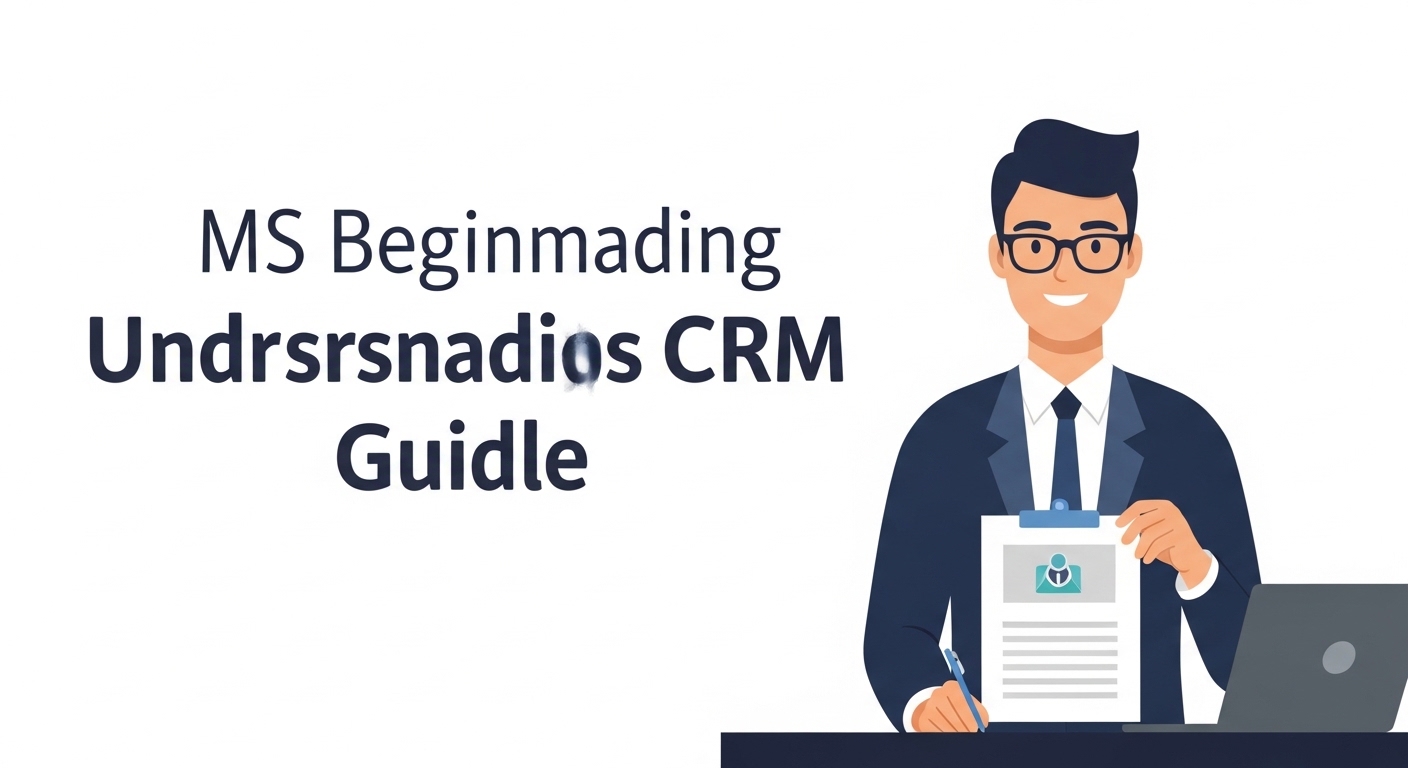
Customer relationships are easy to talk about but much harder to manage well. As a business grows, so do the number of leads, sales conversations, support needs, follow-ups, and data points tied to each customer. Without the right system, things quickly become scattered across spreadsheets, inboxes, notes, and disconnected tools.
That is where customer relationship management platforms come in. They help businesses organize customer data, improve communication, track opportunities, and build stronger relationships over time. For companies that want a single connected platform rather than multiple disconnected systems, Microsoft offers a widely used option.
If you are new to MS Dynamics CRM, the good news is that it is not as hard to understand as it may seem at first. At its core, it is a business platform designed to help teams manage customer interactions more efficiently, make better decisions, and create smoother experiences across sales, service, and marketing.
What is Microsoft Dynamics CRM?
Microsoft Dynamics CRM refers to Microsoft’s customer relationship management capabilities built within the broader Dynamics 365 ecosystem. It helps businesses manage how they attract, engage, serve, and retain customers.
In simple terms, it is a system that stores customer information in one place and helps teams use it more effectively. Instead of keeping data spread across emails, personal files, or different tools, businesses can work from a shared platform that gives a clearer view of every customer relationship.
This means sales teams can track leads and opportunities, customer service teams can handle issues more quickly, and managers can gain real-time insights into performance. Everyone works with the same information, which reduces confusion and improves coordination.
Why businesses use CRM systems
Before understanding the platform itself, it helps to understand why CRM matters in the first place.
As businesses grow, customer engagement becomes more complex. There are more prospects to follow up with, more deals to manage, more service requests to resolve, and more pressure to provide a consistent experience. Manual tracking becomes unreliable, and teams begin missing important details.
A CRM system solves this by creating structure. It helps businesses:
Keep customer data in one place
Names, contact details, company information, purchase history, support cases, and past conversations can all be stored and viewed in a central system.
Improve follow-ups
Sales and service teams can set reminders, track next steps, and avoid losing momentum with leads or customers.
Create better visibility
Managers can see what is happening across the pipeline, team activity, open service cases, and customer trends.
Support stronger relationships
When teams have the right information at the right time, they can respond in a more helpful and personal way.
How Microsoft Dynamics CRM fits into Dynamics 365
One thing that often confuses beginners is the naming.
Microsoft originally offered CRM as a standalone product. Over time, it evolved into part of the Dynamics 365 platform. Today, what many people still call “Dynamics CRM” is mainly represented through Dynamics 365 applications such as Sales, Customer Service, Customer Insights, and related tools.
So while the older term is still commonly used, the modern version is part of a larger cloud-based business platform.
This is helpful because businesses can start with customer-facing functions and later connect them with finance, operations, commerce, or other Microsoft business applications if needed. That flexibility is one reason many organizations find the platform attractive.
Main areas of Microsoft Dynamics CRM
For a beginner, it is best to understand the platform by looking at the main business areas it supports.
Sales
The sales side of the platform helps teams manage leads, contacts, accounts, opportunities, quotes, and activities.
A salesperson can track where each prospect stands, log meetings and calls, set follow-ups, and view the full engagement history. This gives structure to the sales process and reduces the chances of missed opportunities.
It also helps sales managers monitor pipeline health, forecast revenue more accurately, and support teams with better visibility.
Common sales tasks supported
- capturing leads
- qualifying opportunities
- tracking calls and meetings
- managing quotes and proposals
- monitoring deal stages
- reviewing sales performance
Customer service
Customer service teams use the platform to manage support cases, customer issues, service requests, and communication history.
Instead of handling problems with limited context, agents can view the customer record, past interactions, open issues, and relevant notes in one place. This helps improve response quality and speed.
Common service tasks supported
- case creation and tracking
- issue resolution workflows
- service history review
- customer communication logging
- escalation management
- knowledge sharing
Marketing and customer engagement
Dynamics also supports customer engagement efforts through segmentation, journeys, campaign management, and deeper customer insights.
This allows businesses to move beyond generic communication and create more targeted outreach based on customer behavior, preferences, and history.
For beginners, the key idea is simple: the platform helps businesses understand who their customers are and communicate with them more effectively.
Core features beginners should know
You do not need to learn every feature at once. Start with the basics.
Contacts and accounts
These are the core records that store customer and company details. Think of them as the foundation of the CRM system.
Activities
Calls, emails, appointments, and tasks can be logged as activities. This helps teams keep a clear record of what has happened and what needs to happen next.
Leads and opportunities
Leads represent potential business. Opportunities represent more serious sales potential as deals move forward. This structure helps sales teams manage the pipeline more effectively.
Dashboards and reports
Users can view visual summaries of performance, pipeline status, service issues, and other key metrics. This helps teams and managers make informed decisions faster.
Workflow and automation
Many repetitive tasks can be automated. For example, the system can assign records, send alerts, update statuses, or trigger follow-up steps based on defined rules.
Integration with Microsoft tools
One of the platform’s biggest strengths is how well it fits into the Microsoft ecosystem.
For businesses already using Microsoft products, this can make adoption much easier. Users may be able to work more smoothly with Outlook, Excel, Teams, Power BI, and other Microsoft tools.
This matters because employees often resist systems that feel separate from their everyday work. When CRM connects with familiar tools, usage becomes more natural.
Why this integration matters
- easier access to customer information
- smoother collaboration across teams
- better reporting and analytics
- less switching between systems
- stronger productivity overall
Benefits of using Microsoft Dynamics CRM
For beginners, it helps to focus on the business value rather than just the product features.
Better organization
Customer information, activities, and progress are easier to track when everything lives in one system.
Improved teamwork
Sales, service, and leadership teams can work from shared information instead of disconnected records.
Faster decision-making
Real-time data and dashboards make it easier to understand what is working and what needs attention.
Better customer experience
When teams know more about the customer, they can respond in a more relevant and timely way.
Room to grow
Businesses can begin with the functions they need today and expand later as requirements become more advanced.
What beginners often misunderstand
New users sometimes assume CRM is only a contact database. It is much more than that.
It is not just a place to store names and phone numbers. It is a platform for managing relationships, tracking activity, improving processes, and supporting smarter business decisions.
Another common misunderstanding is that CRM automatically fixes business problems. It does not. A platform can support growth, but it still needs clear processes, clean data, user adoption, and thoughtful setup.
The technology is powerful, but success depends on how well it is used.
How to get started the right way
If you are just beginning, do not try to understand everything at once. Focus on the practical basics first.
Start with the business goal
Ask what you want the platform to improve. Is it lead tracking, follow-up discipline, service visibility, or reporting?
Learn the main record types
Understand how contacts, accounts, leads, opportunities, activities, and cases work together.
Keep the setup simple
A beginner-friendly rollout works better when the system is not overloaded with unnecessary complexity.
Train users based on daily work
People learn faster when training is tied to real tasks, not just software menus.
Review and improve over time
CRM works best when businesses continue to refine how they use it as needs evolve.
Final thoughts
Microsoft Dynamics CRM can feel like a big topic at first, especially for someone new to business applications. But once you break it down, the idea is straightforward. It is a platform that helps businesses manage customer relationships in a more organized, connected, and effective way.
For beginners, the most important thing is to understand its purpose. This is not just software for storing records. It is a tool for helping teams sell better, serve better, and understand customers more clearly.
When approached the right way, it becomes much easier to see why so many businesses use it as a foundation for growth and customer engagement.
-

 Blog2 months ago
Simpcit6: Redefining Simplicity in a Complex World
-

 Blog6 months ago
Baddi Hub: An Emerging Industrial and Business Hotspot
-
 Technology6 months ago
YourAssistantLive com: The Future of Smart Digital Assistance
-

 food6 months ago
Calamariere: How to Perfectly Prepare at Home
-

 Health5 months ago
Nerovet AI Dentistry: Enhancing Patient Experience and Treatment Outcomes Dental Care
-

 Technology2 months ago
Voomixi com: The Digital Platform Redefining Online Interaction
-

 Technology5 months ago
Anonibs: The Trending Anonymous Image Board Platform
-

 HomeImprovment5 months ago
Acamento: How Finishing Techniques Define a Building’s Style