
Technology
How Smart Cities Are Using Technology to Reduce Traffic Accidents


The number of road accidents is dropping with the push towards safety and advanced technologies.
The National Highway Traffic Safety Administration estimated the fatality rates in 2024 to be the lowest since 2019. The organization predicted that 39,345 traffic fatalities would occur during that year. That was 3.8% lower compared to the fatalities registered in 2023.
Compared to urban areas, rural regions are seeing more deaths on the road. Data shows that crash death rates in rural regions per 100 million miles traveled were 1.65% in 2023. Comparatively, the rate was only 1.07% in urban areas.
Urban roads have grown more complex as populations rise and transportation habits shift. With more vehicles, cyclists, and pedestrians sharing limited space, cities face increasing pressure to improve safety without slowing daily movement. However, these cities have managed to reduce death rates by leveraging technology.
Technology is reshaping how traffic systems function and how risks are identified before accidents happen. Smart city initiatives now play a meaningful role in reducing collisions and improving overall road awareness.
The Rise of Data-Driven Traffic Management
One of the biggest changes in urban traffic control comes from real-time data collection. Sensors embedded in roads, traffic lights, and nearby infrastructure gather information on vehicle speed, congestion, and movement patterns throughout the day. This data allows city systems to adjust signal timing dynamically, easing bottlenecks that often lead to rear-end collisions and aggressive driving.
An IEEE Xplore study states that advanced Internet of Things (IoT) technology plays a key role in strengthening intelligent transportation systems. It supports sustainable urban mobility, though achieving automated and globally coordinated traffic control remains challenging.
When congestion occurs, an IoT system identifies optimal control strategies, accounting for the spread across connected road segments and the influence of route choice behavior. Simulation results indicate that this approach effectively reduces congestion and significantly improves overall transportation system performance.
Instead of relying on static traffic schedules, modern control centers respond instantly to changing conditions. A sudden slowdown caused by weather or construction can trigger immediate adjustments, reducing confusion and unexpected stops that often result in crashes.
Surveillance, Cameras, and Behavioral Insights
Smart cameras installed at intersections and high-risk zones help cities understand why accidents occur, not just where. These systems identify patterns such as frequent red-light violations or unsafe pedestrian crossings. City planners then adjust road design, signage, or enforcement strategies based on actual behavior rather than assumptions.
Consider the example of cities like Cleveland, Ohio, where the fatality rates are high. Cleveland 19 News reports that the state of Ohio has seen 11,903 road fatalities over the last decade. The annual cost of these crashes is around $12.1 billion. The state enforces many rules and regulations to ensure the safety of pedestrians and drivers. However, there’s a call for improved policy changes.
Cities like Cleveland can use smart cameras for surveillance to monitor the roads and make data-based strategic policy changes. The footage covered by cameras can support legal claims as evidence in car accident claims. Victims can look for an experienced car crash attorney in Cleveland, Ohio, and ask them to collect the footage.
According to the Piscitelli Law Firm, evidence gathering is one of the most crucial parts of legal claim processing for accidents. Besides that, the attorney can also help with filing the claim, negotiating with the insurance company, filing a lawsuit if necessary, etc.
Smart Traffic Signals and Predictive Systems
Advanced traffic signals now use artificial intelligence to predict traffic flow rather than simply reacting to it. These systems analyze historical and live data to anticipate surges during peak hours or special events. When signals communicate with each other across intersections, they create smoother traffic corridors that reduce sudden braking and risky lane changes.
This level of coordination helps drivers experience fewer surprises on the road. Predictable movement lowers stress, which has a direct impact on safer driving behavior in busy city environments.
A Nature study proposes such an intelligent traffic management system. It shows how adaptive traffic light systems outperform fixed-timing signals by adjusting in response to real-time demand. The proposed system uses machine learning to predict hourly and daily traffic volumes. It combines these predictions with a pressure-based control method to manage signal phases dynamically.
Tested through simulations in the Simulator of Urban Mobility (SUMO) across varying traffic patterns and multiple scenarios, the approach demonstrated notable improvements. This included significant reductions in waiting time, travel delays, and vehicle emissions.
Connected Vehicles and Road Communication
Vehicle-to-infrastructure technology has introduced a new layer of safety. Cars equipped with connected systems can receive alerts about upcoming hazards, traffic signal changes, or accidents ahead. Drivers are warned earlier than they would be through sight alone, giving them more time to react calmly.
As a Smart Cities Dive article notes, an AT&T executive said that connected vehicles can help make the roadway safer. These vehicles can communicate with one another and with surrounding infrastructure such as traffic signals, school and work zones, and emergency response areas.
Through real-time data on vehicle presence, speed, conditions, and safety-related urgency, this can support faster awareness and better decision-making for safer road environments.
Autonomous vehicles can facilitate this connectivity by sharing essential data with and about other vehicles on the road. For instance, these self-driving cars already use sensors and cameras to analyze the surrounding environment and act accordingly. If they find any instances of accidents or any other potential issues on the road, autonomous vehicles can alert authorities right away.
Frequently Asked Questions
How do smart cities fund traffic safety technology projects?
Smart city traffic initiatives are often funded through a mix of public budgets, federal or state grants, and private-sector partnerships. Governments may allocate transportation funds toward digital upgrades, while technology firms contribute through pilot programs or data-sharing agreements. In some cases, cities also use long-term cost savings from reduced congestion and accidents to justify continued investment.
Do smart traffic systems raise privacy concerns for drivers?
Yes, privacy is a common concern, especially when cameras, sensors, and connected vehicles are involved. Most smart city programs address this by anonymizing data, avoiding personal identifiers, and following strict data protection rules. The goal is to study traffic behavior and system performance rather than track individual drivers or vehicles.
Can older vehicles benefit from smart city traffic technology?
Even vehicles without advanced onboard systems can benefit from smarter infrastructure. Improved signal timing, safer road design, and better congestion management affect all drivers equally. While connected vehicles may receive direct alerts, overall traffic flow improvements still reduce delays, confusion, and accident risk for everyone on the road.
Smart cities are redefining road safety through technology that anticipates problems rather than reacting to them. From intelligent signals and connected vehicles to data-guided planning and faster emergency response, each advancement contributes to fewer accidents and quieter streets. While no system can remove risk entirely, technology has proven to be a powerful ally in making urban travel safer and more predictable.

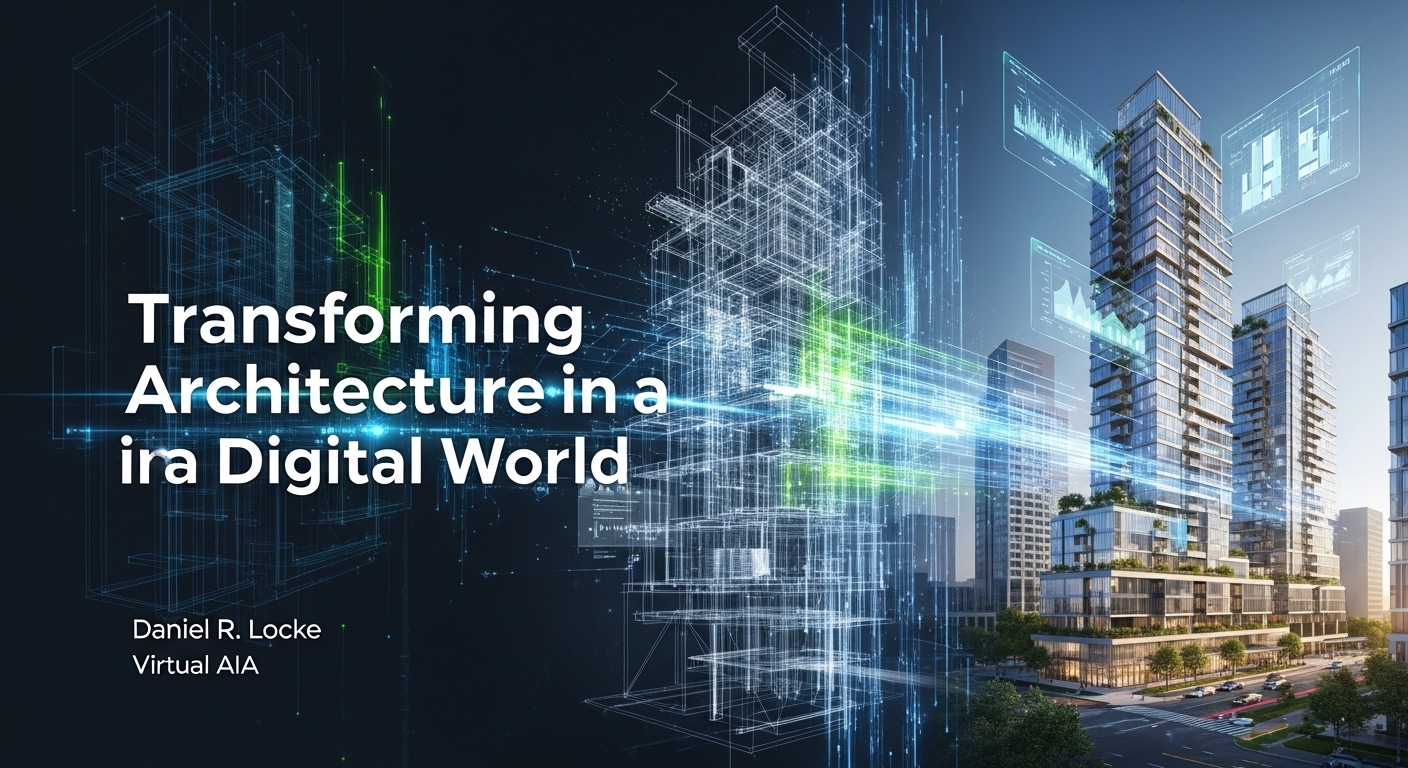
The concept of daniel r locke on virtual aia represents a major shift in how architecture is imagined, designed, and executed in the modern era. As digital tools continue to redefine industries, architecture has embraced this transformation with remarkable enthusiasm. This evolution has enabled architects to break traditional boundaries and explore innovative possibilities in design and construction. The growing reliance on virtual platforms has also enhanced collaboration, making it easier for professionals to work across geographical boundaries.
In today’s digital-first world, the role of highlights the importance of integrating technology into architectural workflows. This transformation is not just about adopting new tools but about rethinking the entire design process. Architects are now able to simulate real-world conditions, visualize projects in immersive environments, and optimize structures before construction begins. These advancements are shaping a future where creativity and technology coexist seamlessly.
The Evolution of Architecture Through daniel r locke on virtual aia
The journey of architecture from traditional drafting tables to advanced digital platforms has been remarkable. The influence of daniel r locke on virtual aia underscores how technology has redefined architectural practices over time. Early methods relied heavily on manual sketches and physical models, which often limited precision and flexibility. With the introduction of digital tools, architects gained the ability to refine designs with greater accuracy and efficiency.
As this evolution continued, became a symbol of innovation within the industry. Modern software solutions now allow architects to create detailed 3D models and simulate environmental factors such as lighting, airflow, and energy consumption. This progression has not only improved design quality but has also reduced costs and minimized errors during construction. The shift toward virtual platforms represents a new era in architectural excellence.
Key Technologies Driving daniel r locke on virtual aia
Technology plays a central role in the success of daniel r locke on virtual aia, providing architects with powerful tools to enhance their work. Advanced modeling software, virtual reality systems, and cloud-based collaboration platforms have revolutionized how projects are developed. These technologies enable professionals to visualize designs in immersive environments, making it easier to identify potential issues before construction begins.
Another critical aspect of is the integration of data-driven decision-making. Architects can now analyze large datasets to optimize building performance and sustainability. This approach ensures that structures are not only visually appealing but also environmentally responsible. The combination of creativity and technology has transformed architecture into a highly dynamic and innovative field.
Benefits of daniel r locke on virtual aia in Modern Architecture
The advantages of daniel r locke on virtual aia are evident in every stage of the architectural process. One of the most significant benefits is improved collaboration among stakeholders. Architects, engineers, and clients can work together in real time, regardless of their physical location. This level of connectivity ensures that projects move forward smoothly and efficiently.
Another major benefit is the ability to create highly accurate and detailed designs. With, architects can simulate various scenarios and make informed decisions before construction begins. This reduces the likelihood of costly errors and ensures that projects meet both aesthetic and functional requirements. The result is a more streamlined and effective design process.
Challenges Faced in daniel r locke on virtual aia Implementation
Despite its many advantages, the adoption of daniel r locke on virtual aia is not without challenges. One of the primary obstacles is the high cost of advanced technology and software. Many firms, particularly smaller ones, may struggle to invest in the tools required to fully embrace this digital transformation. This can create a gap between organizations that have access to these resources and those that do not.
Another challenge associated with is the need for continuous learning and adaptation. As technology evolves rapidly, professionals must stay updated with the latest developments to remain competitive. This requires ongoing training and a willingness to embrace change. While these challenges can be significant, they also present opportunities for growth and innovation within the industry.
Impact of daniel r locke on virtual aia on Design Creativity
The integration of daniel r locke has had a profound impact on architectural creativity. By providing access to advanced tools and technologies, architects are now able to explore design concepts that were previously unimaginable. Virtual environments allow for experimentation with different materials, shapes, and layouts, leading to more innovative and unique structures.
Furthermore, encourages a more collaborative approach to design. Architects can share their ideas with colleagues and clients in real time, receiving immediate feedback and making adjustments as needed. This iterative process fosters creativity and ensures that the final design reflects a collective vision. The result is a more dynamic and engaging architectural landscape.
Role of Collaboration in daniel r locke on virtual aia
Collaboration is a cornerstone of daniel r locke, enabling professionals to work together more effectively than ever before. Virtual platforms provide a shared space where architects, engineers, and clients can interact and exchange ideas. This level of connectivity ensures that everyone involved in a project is aligned and informed throughout the design process.
In addition to improving communication, also enhances transparency. Stakeholders can access project updates in real time, making it easier to track progress and address any issues that arise. This collaborative approach not only improves efficiency but also leads to better outcomes for all parties involved. It represents a significant shift in how architectural projects are managed.
| Aspect | Traditional Architecture | daniel r locke on virtual aia |
|---|---|---|
| Design Method | Manual sketches | Digital modeling |
| Collaboration | Limited and local | Global and real-time |
| Accuracy | Moderate | High precision |
| Cost Efficiency | Higher due to errors | Reduced through simulation |
| Visualization | Physical models | Virtual and immersive |
| Flexibility | Limited changes | Easy modifications |
Future Trends in daniel r locke on virtual aia
The future of daniel r locke is filled with exciting possibilities as technology continues to evolve. Emerging innovations such as artificial intelligence and machine learning are expected to play a significant role in shaping the next generation of architectural design. These technologies will enable architects to automate complex processes and generate optimized solutions more efficiently.
Another trend associated with is the increasing focus on sustainability. Digital tools allow architects to analyze environmental impact and design buildings that are energy-efficient and eco-friendly. As the demand for sustainable solutions grows, the integration of technology in architecture will become even more important. This forward-looking approach ensures that the industry remains adaptable and resilient.
Conclusion
The influence of daniel r locke on virtual aia on modern architecture cannot be overstated. It has transformed the way architects approach design, collaboration, and construction, paving the way for a more innovative and efficient industry. By embracing digital tools and technologies, professionals are able to create structures that are both visually stunning and functionally superior.
As the architectural landscape continues to evolve, daniel will remain a driving force behind this transformation. Its impact extends beyond individual projects, shaping the future of the industry as a whole. By combining creativity with technology, architects are redefining what is possible and setting new standards for excellence in design.


-

 Blog1 month ago
Simpcit6: Redefining Simplicity in a Complex World
-

 Technology6 months ago
YourAssistantLive com: The Future of Smart Digital Assistance
-

 food6 months ago
Calamariere: How to Perfectly Prepare at Home
-
 Blog6 months ago
Baddi Hub: An Emerging Industrial and Business Hotspot
-

 Health5 months ago
Nerovet AI Dentistry: Enhancing Patient Experience and Treatment Outcomes Dental Care
-

 Technology1 month ago
Voomixi com: The Digital Platform Redefining Online Interaction
-

 HomeImprovment5 months ago
Acamento: How Finishing Techniques Define a Building’s Style
-

 Technology5 months ago
Anonibs: The Trending Anonymous Image Board Platform