
Business
The Essential Guide to Construction Permitting for Developers and Builders

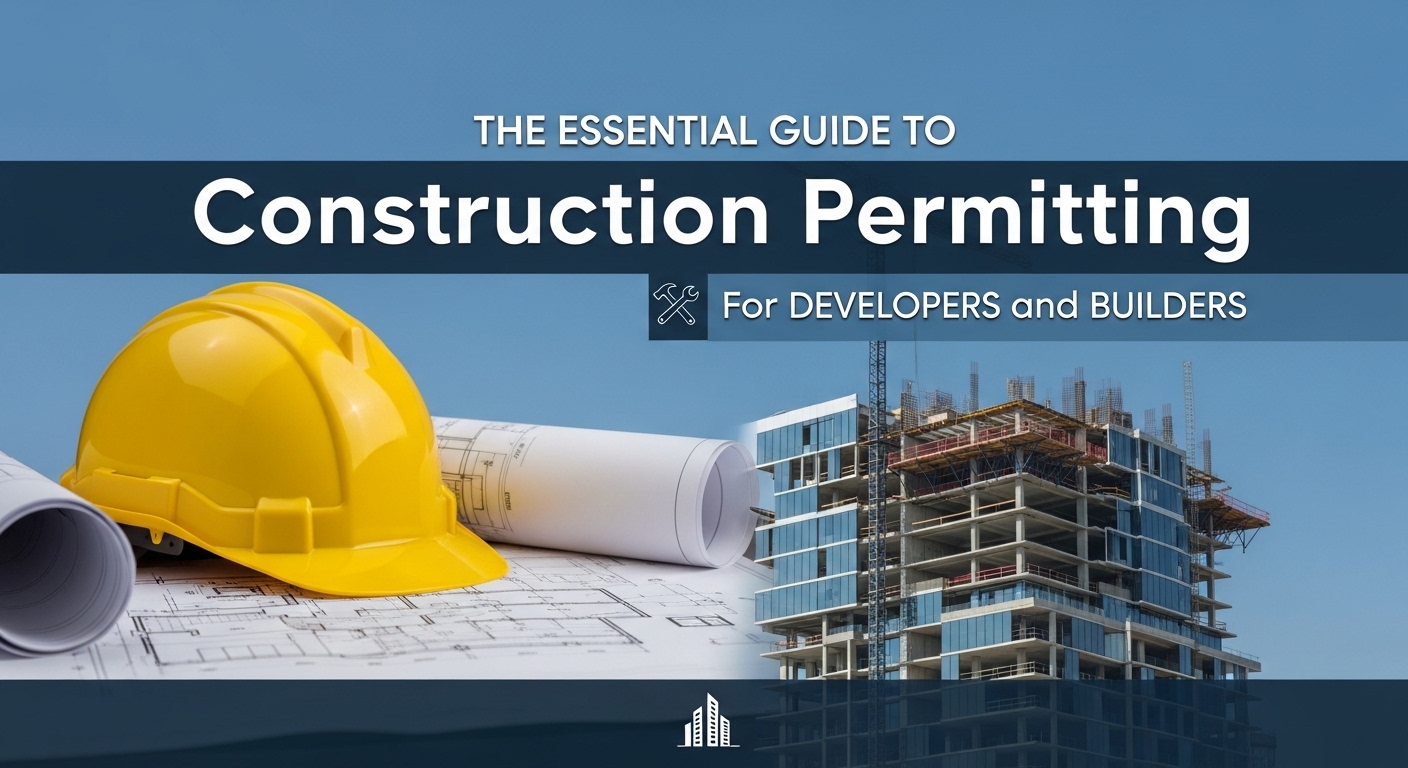
Construction projects, whether large-scale commercial developments or smaller residential builds, are complex undertakings that require careful planning, thorough preparation, and strict adherence to legal and regulatory standards. One of the most critical steps in ensuring that any construction project proceeds safely, legally, and efficiently is construction permitting. While the term may seem technical or bureaucratic, the process behind construction permitting is fundamental to maintaining structural integrity, protecting public safety, and ensuring that projects align with zoning and environmental standards. In essence, construction permitting serves as the legal and procedural framework that allows construction work to commence and progress while minimizing risks and liabilities for developers, contractors, and property owners.
Understanding the Concept of Construction Permitting
At its core, construction permitting is the official approval granted by regulatory authorities that authorizes a proposed construction project to proceed. The permit itself serves multiple purposes: it ensures compliance with building codes, confirms adherence to zoning regulations, protects environmental resources, and verifies that structural designs meet established safety standards. Without proper permitting, a construction project is vulnerable to legal penalties, work stoppages, and even demolition if found to be unauthorized. Beyond its legal function, construction permitting also encourages disciplined project planning and accountability among all stakeholders involved in the construction process.
Construction permitting is not a one-size-fits-all process; it can vary widely depending on the type, scale, and purpose of the construction project. Developers must often navigate several layers of regulation, ranging from municipal building codes to environmental protection laws, and may need to acquire multiple permits that address different aspects of construction, such as electrical work, plumbing systems, or land use. Understanding the distinctions among these permits is essential to ensuring that all aspects of a project are properly authorized.
Types of Permits Involved in Construction
Construction permitting is a broad term that encompasses several categories of approvals, each designed to address specific aspects of a construction project. Among the most common types of permits are building permits, electrical and plumbing permits, zoning permits, environmental permits, and specialized permits for unique circumstances.
Building permits are typically the most well-known and widely required. They focus on the structural safety of a building, ensuring that construction complies with established building codes and engineering standards. To secure a building permit, developers must submit detailed architectural plans, structural calculations, and sometimes additional documentation to demonstrate that their project meets safety requirements. Building permits are essential for preventing structural failures and ensuring that the final construction is safe for occupancy.
Electrical and plumbing permits are specialized approvals required for installations that directly affect the functionality and safety of a building. Electrical permits confirm that wiring, circuits, and electrical systems are installed correctly and safely, preventing hazards such as short circuits, fires, or electrical shocks. Plumbing permits, on the other hand, ensure that water supply, drainage, and sewage systems comply with health and safety standards. Both types of permits are crucial for the long-term operability and safety of a structure.
Zoning permits address land use and ensure that a proposed construction project aligns with local zoning regulations. Zoning laws define how land may be used and may impose restrictions on building height, density, setbacks, and other spatial requirements. Acquiring a zoning permit prevents conflicts with neighboring properties and maintains orderly urban development.
Environmental permits are increasingly important, especially for construction projects that could impact natural resources. These permits ensure compliance with regulations related to air quality, water management, waste disposal, and ecosystem protection. Developers may be required to conduct environmental assessments to demonstrate that their project will not cause significant harm to the surrounding environment.
In some cases, specialized permits may also be required. These include approvals for historical preservation, coastal or flood-prone areas, or industrial facilities. Each specialized permit addresses risks unique to the project and ensures that construction does not violate additional regulatory protections.
The Step-by-Step Process of Obtaining Construction Permits
Obtaining construction permits is a structured, multi-step process designed to verify that a project meets all legal and technical requirements. While the process may vary depending on jurisdiction, the general stages typically include project planning, permit application submission, review and evaluation, permit issuance, and inspections.
The first stage, project planning and design, involves preparing detailed construction plans that encompass architectural layouts, structural calculations, engineering designs, and, if necessary, environmental assessments. A thorough planning phase not only improves the quality and feasibility of the project but also reduces the likelihood of permit rejections due to incomplete or non-compliant submissions.
Once plans are ready, developers submit a permit application to the appropriate regulatory authority. This submission usually includes technical drawings, specifications, proof of property ownership, and any other documents required by local regulations. Accuracy and completeness are vital during this stage, as missing information can lead to delays or outright rejection of the application.
The next step involves review and evaluation by the relevant authorities. Regulatory agencies examine the submitted materials to ensure compliance with building codes, zoning laws, safety regulations, and environmental standards. This process may involve multiple departments, including planning, public works, fire safety, and environmental protection. Authorities may request additional documentation or modifications to address potential deficiencies.
Upon successful review, the construction permit is issued, granting legal authorization to commence construction. Permits often include specific conditions, such as inspection schedules or required adherence to certain construction methods, which must be observed throughout the project.
Even after a permit is issued, compliance monitoring continues. Regulatory authorities typically conduct periodic inspections to ensure that the construction adheres to the approved plans and meets all safety and regulatory standards. Failure to comply with these requirements can result in penalties, suspension of work, or revocation of the permit, emphasizing the importance of ongoing diligence.
Why Construction Permitting Is Critical
The significance of construction permitting cannot be overstated. Beyond fulfilling legal obligations, the permitting process serves to protect public safety, maintain environmental integrity, and promote responsible development. One of the primary benefits of construction permitting is ensuring safety. By requiring adherence to building codes, fire safety standards, and engineering regulations, permits help prevent structural failures, accidents, and hazards that could endanger occupants or workers.
Legal compliance is another critical aspect. Construction without proper permits is considered illegal in most jurisdictions, exposing developers and property owners to fines, stop-work orders, and potential lawsuits. In addition, obtaining permits ensures quality assurance, as plans and construction methods are reviewed and approved by qualified professionals. This review encourages higher standards of craftsmanship and professionalism throughout the construction process.
Environmental protection is also a major advantage of the permitting process. Many construction projects have the potential to impact ecosystems, water quality, and air quality. Environmental permits ensure that projects minimize negative effects on surrounding natural resources, promoting sustainability and responsible development. Finally, adherence to permitting requirements helps preserve property value, as structures built in compliance with regulations are more likely to retain their market value and avoid costly retrofits or legal disputes in the future.
Challenges and Solutions in Construction Permitting
Despite its importance, construction permitting can be challenging. Regulations are often complex, approval processes can be time-consuming, and multiple agencies may be involved in the review. Developers sometimes face delays, higher costs, and extensive coordination requirements, especially for large or multifaceted projects.
To streamline the permitting process, developers can adopt several best practices. Engaging with regulatory authorities early in the planning phase helps identify potential issues and clarifies submission requirements. Preparing accurate, complete, and professionally detailed documentation reduces the likelihood of permit rejection or delays. Hiring experienced professionals, including architects, engineers, and permit expediters, can further simplify the process by leveraging their knowledge of regulatory requirements. Additionally, maintaining regular compliance checks during construction ensures that all permit conditions are continuously met, reducing the risk of violations. Utilizing digital submission systems and project management software can improve coordination with regulatory agencies, track permit statuses efficiently, and provide a clear record of all communications and approvals.
Conclusion
Construction permitting is a vital element of the construction industry that ensures projects are carried out safely, legally, and responsibly. From building permits and zoning approvals to environmental clearances, the permitting process protects public safety, promotes high-quality construction, and preserves the environment. While navigating construction permitting can be challenging, understanding the process, engaging with authorities, and implementing best practices can make it more manageable and efficient. Developers and property owners who prioritize construction permitting not only comply with legal requirements but also contribute to sustainable and responsible development practices. Ultimately, construction permitting is not a mere formality; it is an investment in safety, quality, and the long-term success of any construction project.
Customer relationships are easy to talk about but much harder to manage well. As a business grows, so do the number of leads, sales conversations, support needs, follow-ups, and data points tied to each customer. Without the right system, things quickly become scattered across spreadsheets, inboxes, notes, and disconnected tools.
That is where customer relationship management platforms come in. They help businesses organize customer data, improve communication, track opportunities, and build stronger relationships over time. For companies that want a single connected platform rather than multiple disconnected systems, Microsoft offers a widely used option.
If you are new to MS Dynamics CRM, the good news is that it is not as hard to understand as it may seem at first. At its core, it is a business platform designed to help teams manage customer interactions more efficiently, make better decisions, and create smoother experiences across sales, service, and marketing.
What is Microsoft Dynamics CRM?
Microsoft Dynamics CRM refers to Microsoft’s customer relationship management capabilities built within the broader Dynamics 365 ecosystem. It helps businesses manage how they attract, engage, serve, and retain customers.
In simple terms, it is a system that stores customer information in one place and helps teams use it more effectively. Instead of keeping data spread across emails, personal files, or different tools, businesses can work from a shared platform that gives a clearer view of every customer relationship.
This means sales teams can track leads and opportunities, customer service teams can handle issues more quickly, and managers can gain real-time insights into performance. Everyone works with the same information, which reduces confusion and improves coordination.
Why businesses use CRM systems
Before understanding the platform itself, it helps to understand why CRM matters in the first place.
As businesses grow, customer engagement becomes more complex. There are more prospects to follow up with, more deals to manage, more service requests to resolve, and more pressure to provide a consistent experience. Manual tracking becomes unreliable, and teams begin missing important details.
A CRM system solves this by creating structure. It helps businesses:
Keep customer data in one place
Names, contact details, company information, purchase history, support cases, and past conversations can all be stored and viewed in a central system.
Improve follow-ups
Sales and service teams can set reminders, track next steps, and avoid losing momentum with leads or customers.
Create better visibility
Managers can see what is happening across the pipeline, team activity, open service cases, and customer trends.
Support stronger relationships
When teams have the right information at the right time, they can respond in a more helpful and personal way.
How Microsoft Dynamics CRM fits into Dynamics 365
One thing that often confuses beginners is the naming.
Microsoft originally offered CRM as a standalone product. Over time, it evolved into part of the Dynamics 365 platform. Today, what many people still call “Dynamics CRM” is mainly represented through Dynamics 365 applications such as Sales, Customer Service, Customer Insights, and related tools.
So while the older term is still commonly used, the modern version is part of a larger cloud-based business platform.
This is helpful because businesses can start with customer-facing functions and later connect them with finance, operations, commerce, or other Microsoft business applications if needed. That flexibility is one reason many organizations find the platform attractive.
Main areas of Microsoft Dynamics CRM
For a beginner, it is best to understand the platform by looking at the main business areas it supports.
Sales
The sales side of the platform helps teams manage leads, contacts, accounts, opportunities, quotes, and activities.
A salesperson can track where each prospect stands, log meetings and calls, set follow-ups, and view the full engagement history. This gives structure to the sales process and reduces the chances of missed opportunities.
It also helps sales managers monitor pipeline health, forecast revenue more accurately, and support teams with better visibility.
Common sales tasks supported
- capturing leads
- qualifying opportunities
- tracking calls and meetings
- managing quotes and proposals
- monitoring deal stages
- reviewing sales performance
Customer service
Customer service teams use the platform to manage support cases, customer issues, service requests, and communication history.
Instead of handling problems with limited context, agents can view the customer record, past interactions, open issues, and relevant notes in one place. This helps improve response quality and speed.
Common service tasks supported
- case creation and tracking
- issue resolution workflows
- service history review
- customer communication logging
- escalation management
- knowledge sharing
Marketing and customer engagement
Dynamics also supports customer engagement efforts through segmentation, journeys, campaign management, and deeper customer insights.
This allows businesses to move beyond generic communication and create more targeted outreach based on customer behavior, preferences, and history.
For beginners, the key idea is simple: the platform helps businesses understand who their customers are and communicate with them more effectively.
Core features beginners should know
You do not need to learn every feature at once. Start with the basics.
Contacts and accounts
These are the core records that store customer and company details. Think of them as the foundation of the CRM system.
Activities
Calls, emails, appointments, and tasks can be logged as activities. This helps teams keep a clear record of what has happened and what needs to happen next.
Leads and opportunities
Leads represent potential business. Opportunities represent more serious sales potential as deals move forward. This structure helps sales teams manage the pipeline more effectively.
Dashboards and reports
Users can view visual summaries of performance, pipeline status, service issues, and other key metrics. This helps teams and managers make informed decisions faster.
Workflow and automation
Many repetitive tasks can be automated. For example, the system can assign records, send alerts, update statuses, or trigger follow-up steps based on defined rules.
Integration with Microsoft tools
One of the platform’s biggest strengths is how well it fits into the Microsoft ecosystem.
For businesses already using Microsoft products, this can make adoption much easier. Users may be able to work more smoothly with Outlook, Excel, Teams, Power BI, and other Microsoft tools.
This matters because employees often resist systems that feel separate from their everyday work. When CRM connects with familiar tools, usage becomes more natural.
Why this integration matters
- easier access to customer information
- smoother collaboration across teams
- better reporting and analytics
- less switching between systems
- stronger productivity overall
Benefits of using Microsoft Dynamics CRM
For beginners, it helps to focus on the business value rather than just the product features.
Better organization
Customer information, activities, and progress are easier to track when everything lives in one system.
Improved teamwork
Sales, service, and leadership teams can work from shared information instead of disconnected records.
Faster decision-making
Real-time data and dashboards make it easier to understand what is working and what needs attention.
Better customer experience
When teams know more about the customer, they can respond in a more relevant and timely way.
Room to grow
Businesses can begin with the functions they need today and expand later as requirements become more advanced.
What beginners often misunderstand
New users sometimes assume CRM is only a contact database. It is much more than that.
It is not just a place to store names and phone numbers. It is a platform for managing relationships, tracking activity, improving processes, and supporting smarter business decisions.
Another common misunderstanding is that CRM automatically fixes business problems. It does not. A platform can support growth, but it still needs clear processes, clean data, user adoption, and thoughtful setup.
The technology is powerful, but success depends on how well it is used.
How to get started the right way
If you are just beginning, do not try to understand everything at once. Focus on the practical basics first.
Start with the business goal
Ask what you want the platform to improve. Is it lead tracking, follow-up discipline, service visibility, or reporting?
Learn the main record types
Understand how contacts, accounts, leads, opportunities, activities, and cases work together.
Keep the setup simple
A beginner-friendly rollout works better when the system is not overloaded with unnecessary complexity.
Train users based on daily work
People learn faster when training is tied to real tasks, not just software menus.
Review and improve over time
CRM works best when businesses continue to refine how they use it as needs evolve.
Final thoughts
Microsoft Dynamics CRM can feel like a big topic at first, especially for someone new to business applications. But once you break it down, the idea is straightforward. It is a platform that helps businesses manage customer relationships in a more organized, connected, and effective way.
For beginners, the most important thing is to understand its purpose. This is not just software for storing records. It is a tool for helping teams sell better, serve better, and understand customers more clearly.
When approached the right way, it becomes much easier to see why so many businesses use it as a foundation for growth and customer engagement.

This article reveals five key business description editing guidelines that marketing directors rarely disclose. Following these tips can help you write compelling and professional descriptions that attract the right audience and boost your brand’s credibility.
Your business description is not just a sentence, but the first impression potential customers and investors will see when engaging with your brand. Understanding the importance of this first impression makes it necessary to follow some guidelines when crafting or refining your business description. Business Description editing guidelines are a collection of principles and practices aimed at editing, improving, and more. Thus, these descriptions help in clarity and professionalism. In addition, these guidelines make sure that your corporate description sends the right message and is search-engine-friendly.
Whether you’re editing your website or business listings, following editing guidelines can enhance your professionalism and attract more customers. Further, not all marketing directors are willing to share their tips for editing business descriptions. That is why this article will discuss the best business description editing guidelines and offer practical advice for marketing directors.
Key Highlights of This Article
- Using the consistent brand voice in business descriptions builds trust and maintains brand recognition.
- Organising information into paragraphs, headings, and bullet points enhances readability.
- Providing all necessary information, such as company name, mission statement, and accomplishments, showcases professionalism.
- Incorporating keywords effectively for search engine optimisation increases visibility, and regularly updating business descriptions ensures adherence to industry trends.
- Reviewing grammar, tone, and consistency ensures professionalism in descriptions.
- Speaking the target audience’s language maximises engagement and conversion rates.
Top 5 Business Description Editing Guidelines That Marketing Directors Need to Know
Marketing directors know that edited business descriptions build brand awareness and improve SEO efforts. Above all, by using business description editing guidelines, directors can ensure clarity and capture the audience’s attention.
According to Forbes, research in 2025 shows that organic search accounted for 45.1% of clicks on search result pages. Moving on, adhering to these business description editing guidelines helps marketing directors improve their company profiles.
Now, let’s look at the five best editing practices for marketing directors, as also recommended by experts at The Academic Papers UK, a trusted essay writing service:
-
Maintain Brand Voice Consistency
Brand voice is your company’s personality and style in marketing communications. Most of all, a consistent brand voice in business descriptions is essential as it builds trust and makes it easy for readers to identify your brand. However, a lack of consistency can disorient readers and undermine trust in the business.
Thus, Marketing directors need to verify that all business descriptions align with the same tone, whether it be formal, informal, authoritative, or imaginative. The following table outlines actionable tips to maintain brand voice in business descriptions:
| Element | Purpose | Tips Fir Editing |
| Tone | Consistent messaging | Match brand guidelines |
| Vocabulary | Reflects identity | Use brand-approved words |
| Sentence style | Uniform flow | Avoid abrupt changes |
| Personality | Shows company ethos | Maintain signature style |
| Audience focus | Engagement | Write for the target market |
Additionally, using your brand voice in your content also supports storytelling and drives brand recognition over time. Thus, maintaining a consistent tone ensures that employees and customers have the same brand experience. Put simply, voice consistency equals professionalism and brand recognition.
-
Structure for Readability and Clarity
Structuring your business description while editing company profiles guidelines enhances understanding and retention, while drawing attention to relevant details. In short, a clear structure helps your readers easily understand your company, services, and value proposition.
Also, marketing directors must focus on structuring accessible content. An effective structure includes proper paragraphing, subheadings, and bullet points. Here is a table of the elements of readable and clear business descriptions:
| Element | Purpose | Tips Fir Editing |
| Paragraphs | Easy reading | Keep 3-4 sentences |
| Headings | Highlight sections | Use clear subheadings |
| Bullet points | Summarise Info | Limit to 5 points |
| Flow | Logical progression | Connect ideas smoothly |
| White space | Avoid clutter | Add spacing around text |
Also, editing the business profile for clarity eliminates confusion and enhances the persuasive elements of your business description. By making it easier for customers or investors to understand your business’s purpose, you increase their likelihood of engaging or investing.
-
Include All Essential Information
Your business description should address all key elements of your business, leaving no doubt in the reader’s mind. Moving on, the key information includes important information like:
- Name
- Industry
- Products or services
- Mission
- History
- Accomplishments
- Audience
Moreover, company description editing tips help marketing directors include all necessary information. The table below will help you understand it in depth.
| Element | Purpose | Tips Fir Editing |
| Company name | Identification | Verify spelling |
| Industry | Context | Specify the exact sector |
| Services | Value proposition | Highlight core offerings |
| Mission | Brand purpose | Use concise statements |
| Achievements | Build credibility | Include notable awards |
In addition, essential information fosters trust and establishes your brand as credible and reliable. Next, it ensures potential customers and investors can grasp your business’s offerings and capabilities.
-
Optimise for SEO Without Overstuffing
Business descriptions need to be online through SEO. To simplify, marketing directors need to use keywords without compromising readability. Also, business description formatting guidelines recommend avoiding excessive repetition of primary and secondary keywords, as this can adversely affect readability and search engine rankings.
You can also use concepts like innovative essay formats. However, avoid overstuffing keywords, but do include important words like services and products. Here’s a table explaining the business description best practices for SEO on business descriptions:
| Element | Purpose | Tips Fir Editing |
| Keywords | Internal links | Use naturally |
| Meta description | Boost click rate | Keep 140-160 characters |
| Headings | Keyword placement | Include primary terms |
| Alt text | Image optimization | Describe visuals |
| Internal links | Navigation & SEO | Link related pages |
Furthermore, improved descriptions boost online presence and support online marketing strategies. As a result, using SEO strategies increases your business and leads to a higher conversion rate.
-
Review and Update Regularly
Marketing managers adhere to Business Description Editing Guidelines for improving business descriptions to ensure that profiles are up to date and reflect the latest brand positioning strategy. Additionally, periodic reviews enhance search engine optimisation, show responsiveness, and reassure customers and investors.
Some of the core components to follow are:
| Element | Purpose | Tips Fir Editing |
| Content accuracy | Reflect updates | Check data annually |
| Achievements | Showcase growth | Add new awards |
| Services | Maintain relevance | Remove outdated offerings |
| Grammar | Professionalism | Proofread |
| SEO keywords | Maintain ranking | Adjust for trends |
Each review includes proofreading and verifying that industry trends are up-to-date, preventing misleading information. Moreover, updating descriptions enhances your reputation and also provides directors with the opportunity to fine-tune tone and keywords.
Editing your business description properly makes it easier for people to understand your company, see what you offer, and trust your brand. Following the tips helps your description work better. You can also get help with content marketing from top companies like Nestors Global. They show how to make descriptions more interesting and easier to read while maintaining the brand’s voice. Using these ideas helps your business description attract the right audience and look professional online.
Conclusion
Understanding how to edit business descriptions is critical for marketing directors. This helps in crafting profiles that engage their target audience and align with their brand. In addition, consistency in brand voice and search engine optimisation helps build a professional and trustworthy presence. In addition, following these Business Description Editing Guidelines enhances readability and online visibility, contributing to overall marketing and growth goals.
Moreover, editing business descriptions shows you care for customers. Further, whether you are writing for your website or for business directories, these tips help you create informative, on-brand descriptions. You can get expert support from top editors at essay writing help to make your content engaging and professionally polished. More importantly, following these Business Description Editing Guidelines sets your business up for greater engagement and marketing success.
Frequently Asked Questions About Business Description Editing Guidelines
-
What should be included in a business description?
A business description should contain the company name, industry, core products or services, and unique value proposition. Moreover, including all essential details ensures that potential clients, partners, and investors clearly understand your company’s purpose and offerings.
Marketing directors use business profile editing guidelines to confirm completeness, accuracy, and logical flow. In addition, well-rounded descriptions build credibility and help your brand stand out in competitive markets, creating a professional and engaging impression.
-
How often should a business description be updated?
Business descriptions should be reviewed at least once a year or whenever there are significant changes in your company, such as new services, achievements, or market positioning. Furthermore, regular updates ensure content accuracy, maintain relevance, and improve SEO performance.
Following business description improvement guidelines during each update helps maintain clarity, consistency, and brand voice. In addition, keeping descriptions current ensures your profiles remain professional, engaging, and optimised for audience impact.
Choosing the right representative to handle your home sale is perhaps the most critical decision you will make in the entire moving process. In a market as nuanced as Chislehurst, local knowledge is not just an advantage; it is a fundamental requirement for securing the best possible outcome. A professional who understands the specific appeal of the area—from the architectural variety on individual roads to the nuances of local schooling catchments—can bridge the gap between a standard sale and a premium result. Finding top-rated Chislehurst property agents who possess this level of granular insight can transform your entire experience. In this guide, we will explore the tangible markers of excellence that distinguish the highest performing local professionals from the rest of the pack, ensuring you make an informed decision for your next move.
Look Beyond the Marketing Presence
When you first start your search, it is easy to be swayed by the sheer volume of listings or the frequency of ‘for sale’ signs. However, high-volume marketing does not always equate to a high-quality, personalised service. The most effective agents are often those who focus on the quality of their interactions rather than just the breadth of their inventory. It is worth remembering that a massive marketing budget can mask a lack of genuine local care; you want an agent who acts as a custodian of your property’s value, not someone who views it as merely another listing to be flipped.
Pay close attention to how they present properties. Do they use professional, well-lit photography, or do they rely on quick snaps? More importantly, look at their property descriptions. Are they generic templates, or do they highlight the specific features that make a house in this part of Kent desirable? An agent who takes the time to craft a narrative around your home is an agent who understands how to sell the lifestyle it offers, not just the square footage. They should know how to capture the ‘soul’ of a property, ensuring that your home feels distinct and aspirational to prospective buyers.
- Check property portals: Spend time browsing listings similar to yours to gauge the quality of their photography and copywriting.
- Observe in person: Visit their office or attend an open house viewing to observe how they engage with potential buyers. Pay attention to whether they are knowledgeable and polite, or distracted and pushy.
- Seek authentic praise: Look for specific testimonials that mention names and particular challenges the agent helped resolve, rather than vague, generic praise.
Assessing Local Market Authority
True authority in a property market is built on data, consistency, and a deep-rooted understanding of buyer behaviour. You want to work with someone who can explain why a house on one road might command a different price point than a similar home just two streets over. This depth of knowledge is rarely found in agencies that spread their resources too thin across too many districts; you are looking for local specialists who know the heartbeat of Chislehurst.
An agent with genuine authority will not just give you a valuation based on an automated tool. They will provide an evidence-based breakdown that accounts for recent local sales, current interest levels from specific buyer demographics, and the competitive landscape of the area. They should be able to tell you exactly who your target buyer is—whether it is a young family relocating for better primary school access or a professional couple looking for convenient commute routes—and how to tailor your presentation to capture that interest. A top-tier agent will treat your valuation not as a generic number, but as a strategic positioning tool designed to create a sense of urgency and desirability.
- Evidence-based valuation: Ask them to provide a detailed list of recent comparable sales in your immediate vicinity, explaining the rationale behind those prices.
- Area fluency: Test their knowledge of local amenities, transport links, and planned developments. Do they know the neighbourhood secrets that actually sell homes?
- Micro-trend awareness: Listen for whether they talk about the market in general terms, or if they speak to the specific, micro-trends of your particular street and its unique competitive standing.
Prioritising Communication and Transparency
The process of selling a home is inherently stressful, and the most frequent complaint from sellers is a lack of communication. Excellence in this industry is as much about managing the emotional and logistical journey as it is about the transaction itself. You need a partner who values transparency above everything else, keeping you informed at every stage of the process, particularly when things get complicated.
A top-rated agent will set clear expectations from the beginning. They will provide honest feedback on your property’s presentation, even when it might be difficult to hear, because they know that small adjustments can significantly influence the final sale price. They should be proactive in their updates, reaching out before you feel the need to chase them. If an agent is cagey about their fees, vague about their marketing strategy, or hesitant to discuss potential challenges, it is a sign that they may not be the partner you need to navigate a complex negotiation. A true professional prefers an honest, sometimes difficult conversation over a sugar-coated, empty promise.
- Integrity check: Are they realistic about your property’s value, or did they provide an inflated estimate solely to win your instruction?
- Reporting process: Do they have a defined, reliable process for keeping you updated after every single viewing?
- Accessibility: How accessible are they when you have genuine questions or concerns, especially during the high-pressure stages of offer negotiation?
Conclusion
Selecting the right property agent is about finding a balance of expertise, strategy, and clear communication. You are looking for someone who treats your home as a unique asset and your sale as a priority, not just another entry on a spreadsheet. By looking beyond superficial marketing, demanding evidence of local authority, and insisting on transparent communication, you position yourself to choose a professional who will work hard to achieve the best result. The Chislehurst market rewards those who are well-prepared and well-represented. Take the time to interview multiple agents, ask probing questions about their local experience, and trust your instincts regarding who will be the most dedicated partner for your move. When you find the right person, the entire selling process becomes infinitely smoother and more successful. Reach out to local experts today to start the conversation and ensure your property is positioned perfectly for the right buyer.
-

 Blog2 months ago
Simpcit6: Redefining Simplicity in a Complex World
-

 Technology6 months ago
YourAssistantLive com: The Future of Smart Digital Assistance
-

 Blog6 months ago
Baddi Hub: An Emerging Industrial and Business Hotspot
-

 food6 months ago
Calamariere: How to Perfectly Prepare at Home
-

 Health5 months ago
Nerovet AI Dentistry: Enhancing Patient Experience and Treatment Outcomes Dental Care
-

 Technology2 months ago
Voomixi com: The Digital Platform Redefining Online Interaction
-

 Technology5 months ago
Anonibs: The Trending Anonymous Image Board Platform
-

 HomeImprovment5 months ago
Acamento: How Finishing Techniques Define a Building’s Style