
Lifestyle
Fort Wayne Landscaping: Transforming Slopes into Stylish Sanctuaries

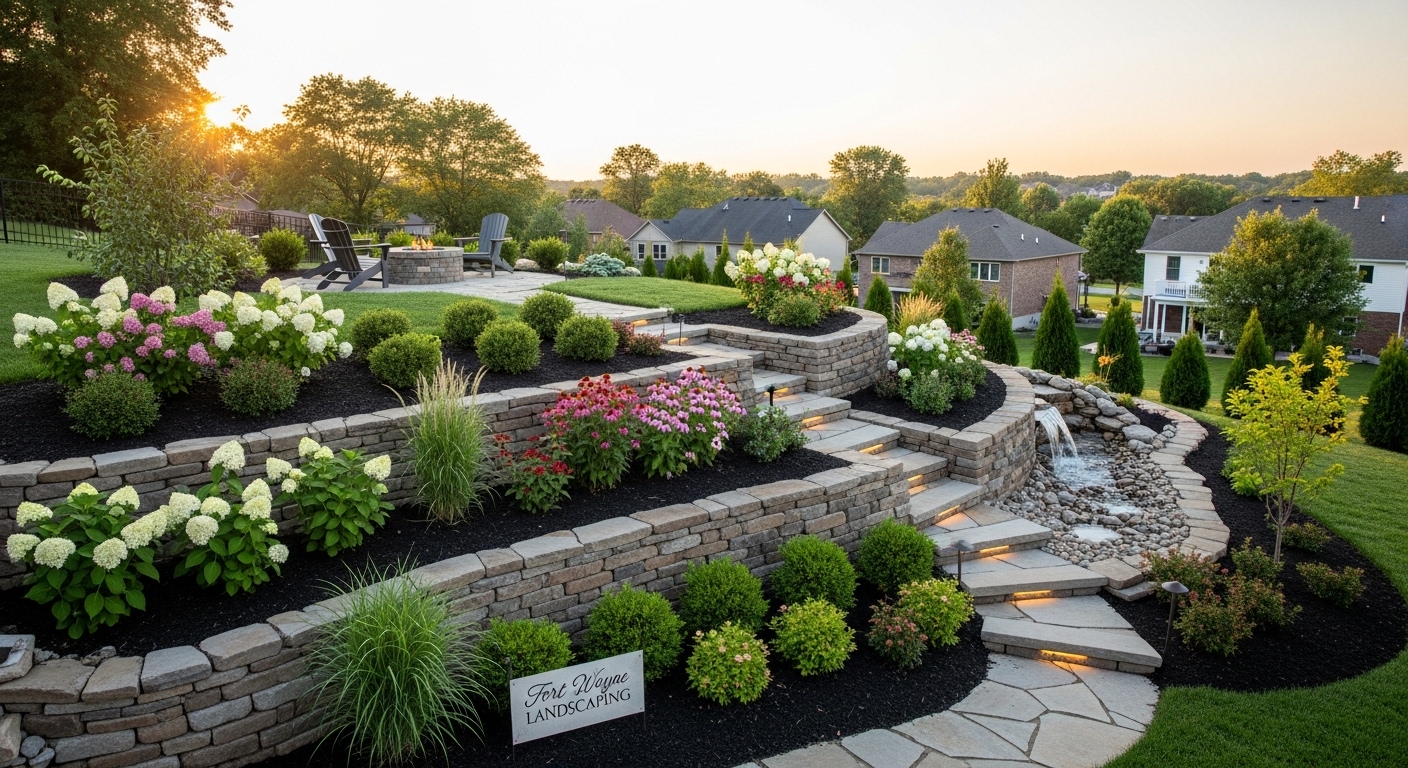
If you live in Fort Wayne, you know the terrain can be deceptive. While we aren’t exactly living in the Rockies, many local properties feature rolling slopes, uneven grading, or sharp drop-offs near property lines. For years, homeowners treated these elevation changes as a nuisance—a “dead zone” in the backyard that was hard to mow and impossible to enjoy.
The solution used to be strictly utilitarian: throw up a wall of railroad ties or basic gray cinder blocks to hold the dirt back. It worked, but it certainly wasn’t pretty.
That mindset has shifted entirely. The hardscaping revolution has turned the humble retaining wall from a functional necessity into an aesthetic centerpiece. We are seeing a surge of stylish retaining walls in Fort Wayne, where the goal isn’t just to manage soil erosion, but to create entirely new outdoor living environments. These structures are now defining spaces, creating texture, and adding significant value to homes across Northeast Indiana.
Beyond Utility: The Rise of the “Destination” Wall
The modern approach to landscaping treats a retaining wall as a canvas rather than a barrier. When executed correctly, these walls do heavy lifting—literally holding back tons of earth—while appearing elegant and intentional.
This shift is driven by a desire to reclaim yard space. By terracing a steep hill, you convert a useless slope into flat, usable tiers. Suddenly, a backyard that was once just a steep incline becomes a multi-level garden, a patio space, or a flat play area for kids.
However, the real change lies in the materials and finishes available today. We have moved past the era of rotting timber and industrial-looking concrete blocks. Modern decorative concrete allows for textures that mimic natural stone, slate, or even weathered wood, providing durability without sacrificing style.
Top Trends in Hardscape Design
If you are considering upgrading your property, it helps to know what is currently resonating with local designers and homeowners. Here are a few ways neighbors are elevating their curb appeal through structural design.
The Integrated Seating Wall
Why buy patio furniture that blows away in a storm when your landscaping can provide the seating? One of the most popular trends involves designing retaining walls at a comfortable “seat height” (usually 18 to 22 inches).
By capping the wall with a smooth, flat stone or concrete finish, the structure serves a dual purpose. It holds back the garden bed behind it while offering permanent, sturdy seating for guests during a barbecue. This is particularly effective around fire pits or patio perimeters.
The Tiered Garden Approach
A single, massive wall can look imposing and industrial. To soften the look, many designers opt for a tiered approach. Instead of one six-foot wall, they install two three-foot walls separated by a few feet of horizontal space.
This creates planting beds between the levels. You can fill these tiers with cascading ivy, vibrant perennials, or ornamental grasses. The result is a lush, green staircase that creates visual depth and makes a small yard feel significantly larger.
Lighting as a focal point
Stylish retaining walls in Fort Wayne are rarely seen in the dark. Integrated hardscape lighting is a massive trend. Low-voltage LED lights can be built directly under the cap of the wall, casting a soft, downward glow against the texture of the stone or concrete.
This does two things. First, it highlights the craftsmanship and texture of the wall itself. Second, it improves safety by illuminating pathways and changes in elevation. It turns the retaining wall into a glowing architectural feature once the sun goes down.
Why Material Choice Matters in Indiana
We have to address the elephant in the room: Indiana weather. Fort Wayne experiences harsh freeze-thaw cycles. In the winter, moisture seeps into the ground, freezes, and expands. In the spring, it thaws and contracts. This constant movement puts immense pressure on anything built into the ground.
Timber walls, while cheap upfront, often succumb to rot and warping within 10 to 15 years. They eventually lean and fail. Traditional dry-stacked stone is beautiful but can shift significantly over time if not installed with a deep, expertly compacted base.
This is why decorative concrete has become the gold standard for stylish retaining walls in Fort Wayne. It offers the aesthetic versatility to look like high-end limestone or slate but provides the structural integrity needed to withstand Midwest winters. A properly installed concrete system provides a uniform barrier against soil pressure, ensuring the wall stands straight for decades.
Solving Drainage Dramas
While style is the fun part, hydrology is the important part. A retaining wall is essentially a dam. If you block the water flow, the pressure builds up behind the wall until it bursts or tips over.
Beautiful design means nothing without engineering. This involves installing drainage aggregate (gravel) behind the wall and utilizing perforated drain pipes to move water away from the structure.
When you look at a professionally installed wall, you see the beautiful facade. What you don’t see is the sophisticated drainage system working tirelessly behind it. This is why DIY retaining walls often fail after a few seasons of heavy rain. It requires a professional understanding of hydrostatic pressure to ensure your investment doesn’t wash away.
Expanding Your Living Space
The ultimate goal of these projects is lifestyle enhancement. By cutting into a slope and installing a retaining wall, you can carve out space for a walk-out basement patio that didn’t exist before. You can create a level pad for a hot tub. You can build a raised vegetable garden that is easier to weed and harvest because you don’t have to bend down as far.
Companies like Crystal Creek Concrete recognize this potential. They understand that a wall isn’t just about holding back dirt; it’s about pushing forward the potential of your property. By combining decorative finishes with solid engineering, they turn problem areas into favorite places.
Planning Your Project
Stylish Retaining Walls in Fort Wayne create functional outdoor spaces while enhancing the natural beauty and structure of your landscape. Suppose you are looking at a hill in your backyard and wondering what if, begin by envisioning the purpose behind the transformation. Do you need an additional level of ground for entertaining or play? Are you aiming to prevent erosion and protect your foundation? Or are you hoping to design a stunning backdrop that elevates your flower beds and garden features? With the right plan and craftsmanship, a retaining wall can turn uneven terrain into a practical and visually striking extension of your outdoor living space.
Once you know the function, you can have fun with the form. Look for textures that complement your home’s exterior. If you have a modern farmhouse, a sleek, smooth finish might work best. If you have a traditional brick home, a textured, stone-look concrete might be the perfect match.
Your landscape has potential waiting to be unlocked. It just takes a little vision and the right structural support to bring it to life.


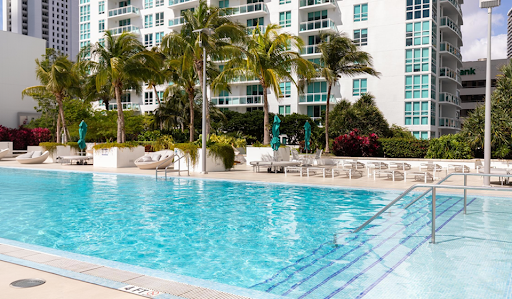
A newly built pool is an exciting addition to your home. Whether you’ve worked with a trusted pool builder in Geelong or recently completed a DIY project, proper maintenance is essential to keep your concrete or fibreglass pool looking great and functioning efficiently for years to come.
Both pool types have unique care requirements, but the fundamentals of pool maintenance remain similar. Here’s a complete guide to help you protect your investment and enjoy crystal-clear water all year round.
Tips to Maintain Your New Concrete or Fibreglass Pool
Essential Weekly Pool Maintenance
Regular weekly maintenance forms the foundation of a clean and safe swimming environment. Begin by skimming the pool surface to remove leaves, insects, and debris. This prevents the filtration system from becoming clogged. Vacuuming the pool floor and brushing the walls, especially in concrete pools, is important to reduce algae and calcium buildup. Checking water levels is also necessary, as evaporation can cause the pump to run dry and potentially damage equipment.
Maintaining proper chemical balance is another critical part of weekly care. Test the water for pH, chlorine, alkalinity, and calcium hardness using a reliable test kit. Keeping pH levels and chlorine within recommended ranges ensures the water remains clean and comfortable for swimmers.
Seasonal Care and Deep Cleaning
Seasonal changes can have a significant impact on pool condition. During hotter months, evaporation and heavy usage may require more frequent chemical adjustments and filtration. In cooler months, debris from nearby vegetation can accumulate, requiring thorough cleaning before winter closure. For concrete pools, it is advisable to inspect the plaster or tile for cracks, chips, or staining, addressing minor issues before they escalate.
Filtration and Circulation Systems
A well-functioning filtration system is essential for maintaining water clarity and hygiene. The pump and filter work together to circulate water, trapping debris and supporting chemical balance. Regularly clean skimmer baskets, pump baskets, and filters to ensure optimal flow. Circulation also helps distribute chemicals evenly, preventing stagnation and algae growth. Running your pool pump for an adequate number of hours each day ensures water remains fresh and sanitary.
Preventing and Managing Common Pool Issues
Even with diligent care, common issues can arise. Algae growth, cloudy water, scaling, and staining are typical concerns. Concrete pools are especially susceptible to calcium scaling, which appears as white deposits along the waterline. Regular brushing, water testing, and chemical adjustments prevent these problems from worsening. Fibreglass pools, while resistant to scaling, can experience surface scratches or gel coat fading that require specific treatments to restore appearance.
Equipment maintenance is equally important. Inspect pumps, heaters, and automatic cleaners for wear and tear. Replacing worn seals, lubricating moving parts, and checking electrical connections ensures your pool functions efficiently and safely.
Tips for Long-Term Pool Longevity
Maintaining a pool is an ongoing commitment, but following certain strategies can extend its life and reduce repair costs. Simple practices and regular care make a significant difference in preserving both the pool’s functionality and appearance. Key strategies for long-term pool longevity include:
- Use A Pool Cover: Covering the pool when it is not in use helps reduce debris accumulation, water evaporation, and chemical loss.
- Schedule Professional Inspections: Periodic checkups by pool builders can detect structural issues, plumbing leaks, or potential equipment failures early, preventing costly repairs.
- Follow Proper Seasonal Care: Winterisation or seasonal shutdown practices protect the pool from damage caused by extreme weather conditions.
- Maintain a Detailed Log: Keeping records of chemical adjustments, cleaning schedules, and equipment servicing ensures consistent care and can be valuable for future upgrades or renovation projects.
- Mid-Life Care and Upgrades: Over time, even well-maintained pools need updates. This is where pool renovation in Geelong becomes important for restoring both function and appearance.
By implementing these strategies, you can maximise the life of your pool while keeping it safe, clean, and enjoyable for years to come.
Conclusion
Proper pool care involves a balance of regular cleaning, chemical management, and equipment maintenance. Understanding the specific needs of your pool and following consistent routines helps maintain a safe, inviting, and fully functional swimming environment throughout the year. Regular upkeep, combined with seasonal deep cleaning, protects your investment and ensures the pool continues to provide enjoyment and relaxation. Attention to detail and proactive care are essential for preventing problems, preserving the pool’s appearance, and making the most of your outdoor space for years to come.
Frequently Asked Questions
What is involved in deep cleaning a pool?
Deep cleaning may include draining a portion of the water, removing sediment, and scrubbing hard-to-reach surfaces. Concrete pools may require extra attention for plaster or tiles, while fibreglass pools benefit from occasional polishing or gel coat inspection.
How should seasonal changes affect pool care?
Hotter months may require more frequent chemical adjustments and filtration due to evaporation and heavy usage. Cooler months need thorough cleaning to remove debris before seasonal closure. Inspect surfaces for cracks or stains during seasonal maintenance.
How important is the filtration and circulation system?
A functioning filtration and circulation system is vital for clear, hygienic water. Regularly clean skimmer baskets, pump baskets, and filters. Proper circulation also helps distribute chemicals evenly and prevents algae growth.
How can equipment be maintained for optimal performance?
Inspect pumps, heaters, and automatic cleaners for wear. Replace worn seals, lubricate moving parts, and check electrical connections to ensure the pool operates efficiently and safely.
What is the overall benefit of regular pool maintenance?
Consistent care protects the pool’s appearance, functionality, and equipment. It ensures a safe and inviting environment while maximising enjoyment and extending the lifespan of the pool.
In at least one point in our lives, I’m pretty sure we’ve all worried about getting things done while tracking time. As busy professionals, we’ve had our share of busy schedules, and like it or not, we don’t always have it in us to stay focused. Hence, the rise of chronograph and quartz watches.
The ~beauty~ of these watches is that they’re not flashy or overly complicated. Just a small ticking machine that sits on your wrist, trying to keep the rhythm of your day moving. You don’t even have to do anything, it just keeps running, steadily on its own, like a well-oiled machine.
Tick. Tick. Tick.
This steady motion is like a gentle reminder that time, regardless of what you do, simply moves forward, one second at a time. It doesn’t rush. And when the daily grind gets too busy, this same steady rhythm helps keep you grounded.
Quartz vs. Quartz Chronograph Watches
To better understand the Alba Active line, here’s what quartz and chronograph watches are like and how they work for busy professionals.
Quartz watches are the type of watch that come with a battery and a tiny crystal vibrating at a precise, steady pace. It’s a simple, highly accurate timekeeping tool designed for daily use. Compared to this, quartz chronograph watches are more like productivity tools with their stopwatch functions and sub-dials. It allows the wearer to measure short periods of time, perfect for tracking tasks, workouts, or daily activities.
While these two are slightly different, both types can be considered reliable everyday watches. They’re much better than smartphones as they don’t have it in them to bring along tons of distractions, social media notifications, messages, endless popups, and even video ads. With these watches, you only get what you need with a simple glance, teaching you to maintain a small but powerful habit: staying aware of the “now”.
Support from Alba Active Collection
Other than steady and dependable timekeeping, the Alba Active collection is filled with quartz and chronograph watches—all designed to keep accurate time even if left unused for days. Because they don’t always have to be worn to stay accurate, these low maintenance watches are ideal for professionals who always have to rotate between watches or travel. They’re quite versatile too, as you can see in these watches under this line.
AT3K93X1 – Structured Time Tracking
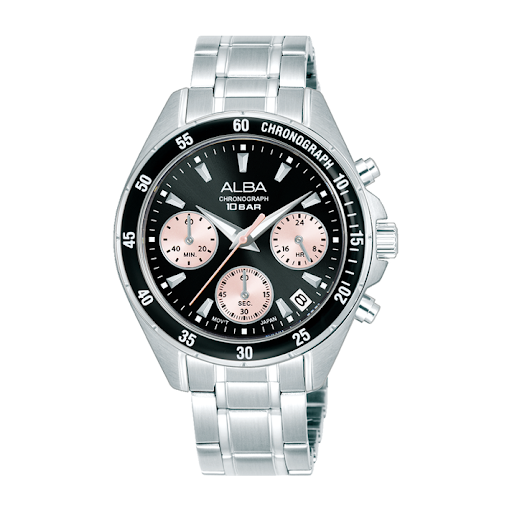
The AT3K93X1, with its black dial and stainless steel bracelet, blends sporty style with everyday practicality. Its versatile look is suitable for both work and casual settings, providing professionals with a practical way to track time throughout the day and still sport what can only be considered practical fashion. Thanks to its chronograph function that offers accurate timing and precise quartz movement to one second, professionals have what it takes to measure how long each task takes and where each minute goes—allowing them to improve concentration and organize work blocks more effectively. It’s the kind of watch that quietly reminds you to stay disciplined with your time—because as Stephen Covey once said, when it comes to productivity, “The key is not to prioritize what’s on your schedule, but to schedule your priorities.”
In essence, the AT3K93X1, aside from being one of Alba’s sporty chronograph watches, also works well in supporting focus by turning time into something visible and measurable. It helps professionals structure their day with clarity and efficiency, plus, with its 10 bar water resistance feature, it can handle daily wear confidently—from commutes in the rain to weekend trips near the water.
AT3K95X1 – Balance and Routine
The AT3K95X1, just like its other counterparts in the Active series, uses precise timekeeping and stopwatch functionality to support balanced focus and helps users time short productivity sessions. Just like when employing the Pomodoro technique, this watch encourages the wearer to stay focused on their work, maintain their routines, and move forward without chasing validation.
It features a clean pink dial and a stainless-steel bracelet, a look that offers enough versatility that it can work seamlessly in both professional environments and social settings. With this watch on your wrist, you can easily transition from office hours to evening plans without needing to change accessories.
It also offers a delicate balance between precision and style, making it one of the most reliable everyday watches that quietly supports daily productivity in the Alba Active collection.
AT3K97X1 – Clarity and Durability
The AT3K97X1, with its clean white dial, offers both clarity and durability—two qualities that matter during busy workdays. The strong visual contrast that makes the hands and chronograph sub-dials easy to read reduces distractions, encouraging you to focus on what truly matters. It also provides stopwatch timing, a 12-24 hour indication, and a date function, allowing professionals to monitor time at a glance.
This makes the watch a simple, clean, and reliable option for young professionals who want to concentrate on work and life without worrying about whether their watch is keeping up.
Alba Active Series and Productivity
In the end, productivity isn’t always about big breakthroughs. Sometimes, it’s the series of simple habits like checking the time, keeping up with work without getting distracted, and going about your daily grind, and making sure time remains visible, measurable, and manageable, that makes it real breakthroughs.
And when your watches are designed with these things in mind—like the Alba Active collection—they become more than accessories. They become productivity tools that help you with your work, ambition, and personal growth.
Because in the end, success isn’t measured in how well you’ve done after all those years. It’s measured in every small moments you choose to use wisely.
-

 Blog2 months ago
Simpcit6: Redefining Simplicity in a Complex World
-

 Technology6 months ago
YourAssistantLive com: The Future of Smart Digital Assistance
-

 Blog6 months ago
Baddi Hub: An Emerging Industrial and Business Hotspot
-

 food6 months ago
Calamariere: How to Perfectly Prepare at Home
-

 Health5 months ago
Nerovet AI Dentistry: Enhancing Patient Experience and Treatment Outcomes Dental Care
-

 Technology2 months ago
Voomixi com: The Digital Platform Redefining Online Interaction
-

 Technology5 months ago
Anonibs: The Trending Anonymous Image Board Platform
-

 HomeImprovment5 months ago
Acamento: How Finishing Techniques Define a Building’s Style