
Business
What Happens to Your Junk After It’s Picked Up?

The Journey Begins: Collection and Transportation
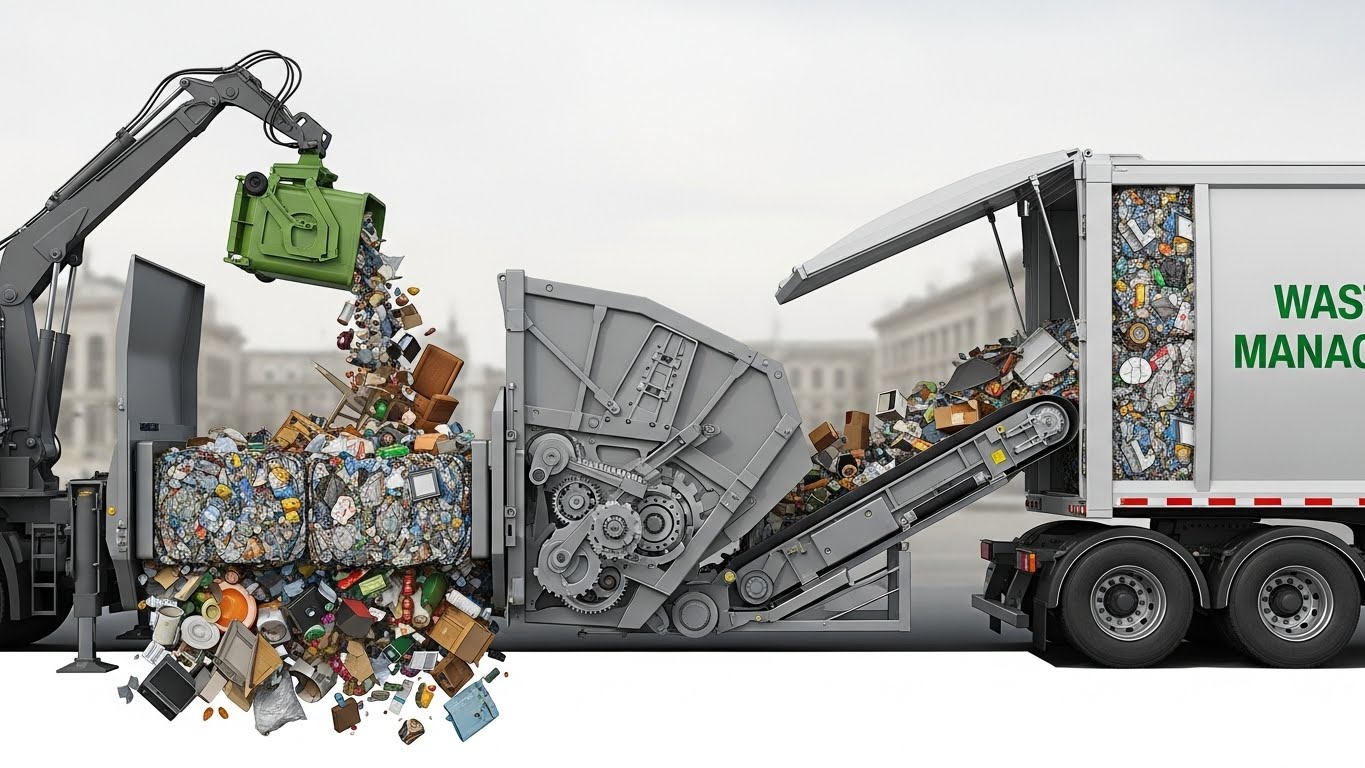
When you schedule a junk removal service, that pile of unwanted furniture, appliances, old electronics, or renovation debris is just beginning its journey. Professional crews, equipped with the right vehicles and tools, carefully load these items onto trucks. This isn’t a haphazard process—the crew strives to maximize space and prevent damage or spillage that could complicate further processing. Once loaded, the items are transported to a nearby sorting facility or transfer station, where their true fate is determined. At this point, every effort is made to ensure each object is handled in the most environmentally responsible way, whether that means donation, recycling, composting, or safe disposal. To learn about convenient and reliable junk removal in your area, visit https://www.1800gotjunk.com/us_en/locations/junk-removal-las-vegas.
Transportation logistics are a vital, but often overlooked, aspect of the junk removal process. The goal is to optimize driving routes and facility choices to maximize efficiency and minimize emissions, which can significantly affect air quality and the carbon footprint. To achieve this, companies use technology and planning tools to schedule pickups and select the most direct routes, helping reduce fuel use and greenhouse gas emissions. At the destination, collected junk is often weighed and logged, ensuring regulatory compliance and providing valuable data to improve future waste diversion efforts and track progress toward sustainability goals.
Sorting: Separating the Salvageable from the Scrap
Once all collected items arrive at the facility, sorting begins. This is usually one of the most labor-intensive steps. Still, it’s also the one that most determines how much waste is ultimately sent to a landfill versus reincorporated into productive use. Facilities employ both skilled workers and specialized machinery to accomplish this task. Larger, bulkier items like couches, refrigerators, or mattresses are separated first, followed by a systematic breakdown of mixed piles into distinct categories. Sorting isn’t simply about convenience; it’s mandated by policies aimed at reducing landfill loads and promoting higher rates of recycling and donation.
- Reusable Items: Sturdy furniture, gently used clothing, household goods, or working appliances are earmarked for donation programs that support local families and organizations in need. This not only saves landfill space but also directly benefits community members who are struggling financially by providing them with access to goods they might not otherwise afford.
- Recyclables: Cardboard, wood, paper, metals, glass, and a wide range of electronics are placed in dedicated bins for further processing. These materials are sent to specialized recycling centers, where they are broken down and repurposed into new goods, saving energy and raw materials.
- Hazardous Waste: Items such as old paint cans, chemicals, batteries in electronics, and lighter fluids are separated and stored in accordance with strict safety guidelines. Mishandling these materials could result in contamination or institutional fines, so adherence to best practices is critical.
- Landfill Waste: Non-recyclable, heavily contaminated, or badly damaged materials are finally sorted out and prepped for their final resting place in a sanitary landfill.
Proper sorting is the backbone of successful waste management, dramatically reducing the burden on landfills and preventing hazardous or recyclable materials from contaminating the environment.
Donation: Giving Items a Second Life
Anything reusable is set aside for donation instead of disposal. Local charities and nonprofit organizations often work directly with junk removal companies to redistribute gently used items. Commonly donated items include furniture, clothing, children’s toys, medical aids, tools, and working electronics. There’s a continuous demand for such items at shelters, community centers, churches, and thrift stores. The donation process diverts tons of materials from landfills each year and helps build stronger, more resilient communities.
Donating not only prevents waste; it also extends the useful life of products and supports local initiatives. When you donate household goods, you reduce demand for new materials and manufacturing, which significantly lowers the overall environmental impact associated with the extraction, production, and shipping of new goods. Many organizations provide donation receipts, so you might also benefit come tax season.
Recycling: Transforming Waste into Resources
Recyclable goods, once sorted, embark on another journey to specialized processing facilities. Metals can be melted and recast; plastics are shredded and transformed into pellets for manufacturing; and glass is crushed and remelted into new containers or construction materials. Even complex electronic devices are dismantled to safely extract valuable metals such as copper, gold, and lithium from batteries and circuit boards.
Many cities are committed to expanding their recycling infrastructure and offering residents more opportunities to recycle a wider range of materials. Recycling helps divert tons of waste from overcrowded landfills and is key to conserving natural resources and reducing greenhouse gas emissions. Since the process uses considerably less energy than creating products from new raw materials, the savings in energy and the pollution reduction are substantial.
Hazardous Waste: Ensuring Safe Disposal
Special considerations are given to hazardous waste such as automotive fluids, compressed gases, solvents, paints, and electronics containing toxic elements like mercury or lead. These substances can cause environmental disasters or severe health issues if not handled appropriately. That’s why they must be separated early and transported to regulated facilities equipped to neutralize or permanently contain them.
Laws and regulations dictate that hazardous materials are never mixed with standard landfill or recycling streams, as cross-contamination can damage expensive equipment and create unsafe work conditions for employees. Safe handling procedures, including the use of protective gear and containment barriers, are essential to both worker safety and environmental protection. Communities rely on strict oversight to prevent these substances from polluting local air, water, or soil.
Landfill: The Last Resort
Not everything can be recycled or donated. Heavily contaminated, non-recyclable, or otherwise useless materials are directed to sanitary landfills, which are equipped with engineered liners and leachate collection systems. These innovations help prevent soil and groundwater contamination, but responsible landfill use remains a major challenge as waste volumes worldwide increase.
Responsible landfill management and continued innovation are crucial as the population and its waste production grow. Across the country, efforts are ongoing to minimize reliance on landfills by boosting recycling and composting rates and developing new methods for managing waste. Every effort to divert items away from the landfill helps protect our long-term environmental health.
Composting: Turning Organic Waste into Soil
Green waste, food scraps, and garden trimmings are collected separately for composting in many regions. This process transforms what would be landfill waste into nutrient-rich soil through natural decomposition, creating valuable resources for landscaping, gardening, and agriculture. Commercial and municipal composting programs have proven highly effective at diverting organic waste from landfills while producing a much-needed product for local agriculture and landscaping businesses.
By composting, communities can dramatically decrease the volume of waste sent to landfills, reduce methane gas production (a potent greenhouse gas), and help foster healthier soil ecosystems that improve plant growth and water retention. Getting involved with local or neighborhood composting initiatives is a great way to support sustainability efforts at the grassroots level.
Why It Matters: The Environmental Impact
Every stage of the junk removal process, from careful sorting at the initial facility to recycling, donation, composting, and the safe handling of hazardous waste, is designed to minimize environmental harm while maximizing the benefits to the community. The goal is not only to dispose of unwanted items responsibly but also to inspire a culture of reuse and stewardship by demonstrating that “waste” can be a valuable resource when managed correctly.
Final Thoughts
As awareness of these processes grows, individuals and businesses are encouraged to consider more sustainable choices from the outset: purchasing less, reusing what they can, donating usable items, and recycling wherever possible. Even small shifts in our habits can add up to significant reductions in waste and pollution while supporting a cleaner, greener world for all.
The next time you schedule a junk pickup, you’ll know that the journey of your unwanted items doesn’t end at the curb; it’s just beginning, and your choices help shape a better outcome for everyone.


Selecting the right partner for your mobile application is one of the most critical decisions you will make for your project. The success of your app does not depend solely on the idea; it depends on the expertise, strategy, and execution of the development company you choose. With countless agencies and software development service providers offering mobile app solutions, identifying the right fit requires careful evaluation and clarity about your business goals.
Start with Technical Expertise and Experience
A reliable development company should have proven experience in building applications similar to your concept. Whether you are launching a customer-facing platform, an enterprise tool, or a SaaS product, the team must understand both technical architecture and user behaviour.
Review their portfolio. Examine live apps they have developed. Assess performance, user interface quality, and functionality. Strong custom mobile app builders will demonstrate versatility across industries and platforms, including iOS, Android, and cross-platform frameworks.
Beyond coding skills, look for experience in backend development, API integrations, cloud infrastructure, and security protocols. A well-built app requires a strong technical foundation that supports scalability and long-term growth.
Evaluate Their Development Process
A structured development process is essential for delivering projects on time and within budget. Ask how they manage project planning, milestones, and communication. Agile methodologies are often preferred because they allow flexibility, iterative improvements, and transparency throughout the development lifecycle.
Clear documentation, sprint planning, testing procedures, and post-launch support are signs of mature software development service providers. Companies offering professional mobile app solutions should also provide ongoing maintenance, updates, and performance monitoring after deployment.
Focus on UI/UX Capabilities
An app’s success heavily depends on user experience. Even the most innovative idea can fail if the interface is confusing or difficult to navigate. The development company should prioritise intuitive design, seamless navigation, and visually engaging layouts.
Ask about their design approach. Do they conduct user research? Do they create wireframes and prototypes before development? Strong custom mobile app builders combine creativity with functionality, ensuring that the app not only looks good but performs smoothly.
User-centric design directly impacts engagement, retention, and overall business success.
Check Scalability and Future Readiness
Your app may start with a basic set of features, but it should be built to scale. As your user base grows, your application must handle increased traffic, data loads, and feature expansions without compromising performance.
Discuss scalability strategies with the development company. Are they experienced in cloud-native architecture? Do they build modular systems that allow future enhancements? A forward-thinking team ensures your investment remains valuable over time.
Reliable providers of mobile app solutions design with growth in mind, not just launch readiness.
Assess Communication and Collaboration
Effective communication can determine the overall success of your project. Choose a development partner who values collaboration and keeps you informed throughout each stage.
Regular updates, clear reporting, and accessible project managers create a smooth working relationship. Transparency builds trust and ensures alignment between your business objectives and the technical implementation.
Strong custom mobile app builders function as strategic partners rather than just service providers.
Understand Security and Compliance Standards
Data protection and user privacy are non-negotiable in today’s digital landscape. Your chosen company must implement robust security practices, including secure coding standards, encryption, authentication systems, and compliance with relevant regulations.
Security should be integrated into the development process from day one, not treated as an afterthought.
Review Client Feedback and Reputation
Testimonials, case studies, and client reviews provide insight into reliability and performance. Look for evidence of long-term partnerships and repeat clients. Consistent positive feedback indicates professionalism, technical competence, and commitment to quality.
A company with a strong track record in delivering effective mobile app solutions will typically showcase measurable results and real-world success stories.
Align Budget with Value, Not Just Cost
While budget is important, choosing the cheapest option can lead to costly issues later. Instead, focus on value. Consider what is included in the proposal, strategy, design, development, testing, deployment, and ongoing support.
Investing in experienced custom mobile app builders may require a higher upfront cost, but it significantly reduces the risk of rework, performance failures, or scalability issues in the future.
Final Thoughts
Choosing the right mobile app development company is about more than technical capability, it is about finding a strategic partner who understands your vision and has the expertise to bring it to life. By evaluating experience, process, communication, scalability, and security, you can confidently select a team that aligns with your project goals.
The right partner will not just develop your app, they will help you build a sustainable digital product that delivers real business impact and long-term success.

Stone has a timeless appeal that few materials can match. It feels solid, looks elegant, and lasts for years with little upkeep.
Whether used in homes, landscapes, or commercial spaces, stone adds instant value. It stands strong against weather, wear, and daily use. That means fewer repairs and long-term savings.
Buyers also love its natural beauty and unique patterns. No two pieces are ever the same. If you want style and strength in one smart choice, stone makes perfect sense.
Here are the top reasons that make a stone investment worth-buying.
Longevity and Durability
Stone is known for its long life and strong structure. It can handle heavy use, harsh weather, and daily wear without losing its strength.
Unlike many other materials, stone does not crack, fade, or break easily. This makes it a smart choice for floors, walls, and outdoor spaces. It stays solid for many years with proper care.
Because it lasts so long, you save money on repairs and replacements. Choosing stone means choosing peace of mind. It gives you a surface that stands firm and continues to perform well through the seasons.
Aesthetic Appeal
Stone adds charm and character to any space. Its rich colors and soft textures create a warm and welcoming look.
Whether you prefer a modern style or a classic feel, stone fits in easily. It blends well with wood, glass, and metal. Each piece has its own pattern, which makes every project unique.
Stone can make simple spaces look more refined and stylish. It works beautifully in kitchens, bathrooms, patios, and living areas. With this, you get a natural look that feels elegant and comfortable at the same time.
Energy Efficiency
Stone helps keep indoor spaces comfortable throughout the year. It has natural thermal mass, which means it can store heat and release it slowly.
During warm days, stone stays cool and helps reduce indoor heat. In colder months, it can hold warmth longer. This helps lower energy use and may reduce utility bills.
When used in walls or floors, stone supports better temperature control. It works well with heating and cooling systems. By improving indoor comfort, stone becomes a practical and cost-effective choice for energy-conscious homeowners.
Low Maintenance
Stone is easy to care for compared to many other materials. It does not require frequent cleaning or special products. Simple sweeping and occasional wiping are often enough to keep it looking good.
When sealed properly, stone resists stains and moisture. It does not easily scratch or chip under normal use. This makes it ideal for busy homes and outdoor areas.
Because it needs less upkeep, you save time and effort. Choosing stone means less worry about constant repairs and more time enjoying your space without added stress.
Eco-Friendly Choice
Stone is a natural material taken from the earth. It does not require heavy chemical processing like some man-made products. This makes it a more environmentally friendly option.
Stone also lasts for decades, which reduces the need for replacement. Less replacement means less waste over time. Many types of stone can also be reused or recycled in other projects.
Because it is durable and long-lasting, it supports sustainable building practices. If you care about reducing your environmental impact, stone is a responsible and thoughtful choice.
Enhanced Property Value
Buyers often see stone features as a sign of quality and strength. Stone floors, countertops, or exterior walls make a home look more refined. This can attract more interest in the market.
Because stone lasts a long time, it adds lasting appeal to the property. It also improves curb appeal when used outdoors.
A well-designed stone feature can make a strong first impression. Investing in stone today may lead to better resale value and greater return in the future.
Versatility in Design
Stone offers many design options for different spaces. It comes in various colors, shapes, and finishes.
You can use it for flooring, walls, countertops, fireplaces, and outdoor paths. It works well in both modern and traditional homes.
Stone can also be cut and shaped to match custom designs. It blends nicely with many materials and decor styles.
Whether you want a bold feature wall or a simple walkway, stone can do the job. Its flexibility makes it a favorite choice for designers and homeowners alike.
Fire Resistance
Stone is naturally resistant to fire and heat. It does not burn, melt, or release harmful fumes when exposed to high temperatures.
This makes it a safe choice for fireplaces, kitchens, and exterior walls. In case of fire, it can help slow the spread of flames. It also keeps its shape and strength even under heat.
Because of this, many builders use stone for added protection. It offers beauty and safety in one strong, reliable material.
Sound Insulation
Stone helps reduce noise in indoor spaces. Its dense structure absorbs and blocks sound waves. This makes rooms quieter and more comfortable.
Stone walls and floors can limit noise from outside traffic or nearby rooms. It is a good option for homes, offices, and shared buildings.
By lowering noise levels, stone improves overall comfort. It creates a calm and peaceful environment.
When used properly, it can help make a busy space feel more private. This adds another layer of value to its many benefits.
Natural Beauty
Stone carries a natural charm that is hard to copy. Each piece has unique lines, shades, and textures formed over time. This makes every installation special and one of a kind.
Some stones, like natural diamonds, even hold rare features, which show how powerful nature can be. The rich patterns and earthy colors bring warmth into any space.
Stone connects a home to the beauty of the natural world. It is simple yet striking look never feels artificial. Opting for stone means bringing authentic beauty into your living space.
Worth Buying: Maximizing Your Stone Investment
Choosing stone is more than a design decision. It is a smart step toward lasting quality and value. With the right planning and proper care, your stone features can serve you well for many years.
So why wait? Take the next step today and explore the best stone options for your project. A strong and timeless result starts with the right choice.
Did you find this article helpful? Check out the rest of our blog now!

In a world where attention spans are shrinking and competition is growing, businesses need smarter ways to communicate. Static posters and traditional banners no longer deliver the impact they once did. This is where a digital signage company becomes a game-changer.
Digital signage transforms ordinary spaces into dynamic communication platforms. From retail stores to corporate offices, digital screens are reshaping how brands connect with their audiences. Let’s explore what a digital sinage company does, why it matters, and how it can elevate your business.
What Is a Digital Signage Company?
A digital sinage company provides end-to-end solutions for businesses looking to install and manage digital display systems. These solutions typically include:
- LED and LCD display screens
- Interactive kiosks
- Video walls
- Digital menu boards
- Outdoor LED billboards
But the service goes far beyond supplying screens. A professional company also handles installation, content creation, software setup, and ongoing technical support.
In simple terms, they help your business speak visually.
How Digital Signage Works
Digital sinage operates through a combination of hardware and software:
- Content (videos, images, promotions, announcements) is created.
- It is uploaded into a Content Management System (CMS).
- The CMS sends the content to connected screens.
- The content can be scheduled and updated remotely.
This means you can change promotions instantly, manage multiple locations from one dashboard, and keep messaging fresh without printing costs.
Why Businesses Need a Digital Signage Company
- Captures Attention Instantly
Moving visuals naturally attract the human eye. Bright screens with animations are far more noticeable than static posters.
- Boosts Sales
Digital promotions displayed at the point of purchase can influence buying decisions in real time.
- Improves Customer Experience
Clear digital menus, queue displays, and informational screens reduce confusion and enhance convenience.
- Offers Long-Term Cost Efficiency
While installation requires investment, ongoing costs are lower compared to repeated printing and physical signage replacement.
Services Offered by a Digital Signage Company
Hardware Supply
Commercial-grade screens designed for long operating hours and high brightness levels.
Professional Installation
Proper mounting, wiring, and calibration ensure optimal performance and durability.
Content Design
Creative teams develop engaging visuals aligned with your brand identity.
Software & CMS Integration
Advanced systems allow remote control, scheduling, and multi-location management.
Maintenance & Technical Support
Reliable support keeps your system running without interruptions.
Types of Digital Signage Solutions
Indoor Displays
Ideal for retail stores, hospitals, shopping malls, and offices.
Outdoor LED Displays
Weather-resistant screens perfect for storefronts and high-traffic areas.
Interactive Kiosks
Touch-enabled systems that allow customers to browse products or place orders.
Video Walls
Multiple screens combined to create a large, impactful display.
Industries That Benefit from Digital Signage
- Retail: Highlight offers and new arrivals.
- Restaurants: Display dynamic menus and combo deals.
- Healthcare: Share health tips and manage queues.
- Corporate Offices: Communicate announcements and KPIs.
- Education: Display schedules and event updates.
Almost every industry can use digital sinage to enhance communication.
How to Choose the Right Digital Signage Company
When selecting a provider, consider:
- Experience and portfolio
- Technology and scalability
- Customization options
- After-sales support
- Client reviews and testimonials
Choosing the right partner ensures long-term success and reliability.
Digital Signage vs Traditional Signage
Traditional signage is static and time-consuming to update. Digital sinage is flexible, dynamic, and instantly changeable.
Think of traditional signage as a printed newspaper, while digital signage is a live news channel — constantly updating and engaging.
The Future of Digital Signage
The industry continues to evolve with:
- Cloud-based management systems
- AI-powered content personalization
- Data analytics integration
- Smart audience targeting
Digital signage is moving toward intelligent, data-driven communication.
Conclusion
A digital signage company does more than install screens — it creates powerful communication experiences. By combining technology, creativity, and strategy, digital sinage helps businesses attract attention, improve customer engagement, and increase sales.
In today’s competitive environment, visibility is everything. If your business wants to stand out, digital sinage may be the smartest investment you can make.
-

 Blog3 weeks ago
Simpcit6: Redefining Simplicity in a Complex World
-

 Technology5 months ago
YourAssistantLive com: The Future of Smart Digital Assistance
-

 food5 months ago
Calamariere: How to Perfectly Prepare at Home
-

 Blog5 months ago
Baddi Hub: An Emerging Industrial and Business Hotspot
-

 Health4 months ago
Nerovet AI Dentistry: Enhancing Patient Experience and Treatment Outcomes Dental Care
-

 Technology3 weeks ago
Voomixi com: The Digital Platform Redefining Online Interaction
-

 Crypto5 months ago
Crypto30x.com vs Other Crypto Sites – Best Bitcoin Tools?
-

 Lifestyle3 weeks ago
Pyjamaspapper: The Ultimate Blend of Comfort and Style in Sleepwear