
Business
Fun and Practical Tips for Planning a Memorable Cabin Getaway


Cabin getaways offer the perfect escape from the hustle and bustle of everyday life, providing a chance to unwind in the tranquility of nature. Whether you’re setting off with family, friends, or that special someone, thoughtful planning ensures your trip is enjoyable from start to finish. For those seeking comfort and adventure all in one, family cabin rentals in Shenandoah Valley present an ideal blend of cozy retreat and outdoor excitement, making memories you’ll cherish for years to come.
From selecting the perfect cabin and packing your essentials to planning meals and unplugging from technology, there are numerous ways to enhance your cabin experience. With the right approach, a cabin retreat can be both enjoyable and deeply restorative, offering the opportunity to reconnect with nature—and with each other—without distraction or stress.
Selecting the Perfect Cabin
Finding the right cabin is the foundation for a memorable escape. Start by considering the size of your group and your priorities—do you want seclusion or quick access to local attractions? If hiking and fishing top your list of activities, consider a cabin near renowned trails or a riverbank. Amenities like fireplaces, hot tubs, and outdoor grills can add a layer of comfort and enjoyment, so make a checklist of your must-haves before committing to a cabin rental.
Also, remember to check reviews and location details to ensure you’re booking a place that matches your vision for the getaway. The ideal cabin will set the tone for your entire trip, offering convenience during the day’s adventures and comfort when it’s time to unwind.
Packing Essentials
Packing smartly helps protect against unexpected weather and maximizes your downtime fun. Mountain climates can swing from sunny and warm to chilly and rainy within hours. Layered clothing is best—think moisture-wicking shirts, fleece jackets, rain gear, and sturdy hiking boots. Include personal care basics, such as sunscreen and insect repellent, and organize them in a way that makes what you need easy to grab en route or during your stay.
Don’t overlook entertainment for cabin time. Books, playing cards, or board games are fantastic for relaxing evenings. For families, outdoor games and activity kits can be a lifesaver, especially on rainy days.
Planning Activities
A great cabin retreat strikes a perfect balance between adventure and relaxation. Plan a variety of activities based on your location and group interests. Popular outdoor activities, such as hiking, fishing, canoeing, and wildlife watching, can fill your days with excitement. Meanwhile, stay flexible by penciling in time for simple pleasures—such as stargazing, group games, or enjoying hot chocolate by the fireplace. This flexibility ensures all guests, regardless of energy level, feel engaged and satisfied. According to Travel + Leisure, incorporating a few unstructured hours into your itinerary can help keep your retreat spontaneous and relaxing.
Meal Preparation
Reducing the time spent in the kitchen allows you to make the most of your getaway. Plan a menu of simple, hearty meals—think sandwiches, stews, and grilled fare. Preparing or marinating parts of meals in advance reduces effort and cleanup on-site. If your cabin offers a grill, bring along easy barbecue staples and let grilling become a fun, communal event. Snacks like trail mix, fresh fruit, and granola bars are perfect for quick nourishment between outings or for busy kids.
Embracing the Digital Detox
One of the best reasons to book a cabin in the woods is to disconnect from the world truly. Limited cell service and intentionally minimizing screen time can help you focus on the natural world and meaningful conversations. Use your retreat as an opportunity to engage in long walks, journaling, or meditative moments—all proven methods to reduce stress according to Healthline. Gather your group for a campfire story night or a shared sunrise; chances are, these analog experiences are the ones you’ll remember most.
Safety Considerations
A little preparation goes a long way to keeping your cabin experience safe and worry-free. Familiarize yourself with the property’s emergency exits and safety procedures on arrival. Bring a basic first-aid kit stocked with bandages, antiseptics, allergy medications, and other essentials particular to your group. Check the forecasts before venturing out for the day, and let someone at home know your plans and estimated return time. Being aware of local wildlife—especially in mountain regions—allows you to take proper precautions and enjoy the great outdoors with peace of mind.
Creating Lasting Memories
The heart of a cabin trip lies in the shared experiences you create. Activities such as group hikes, collaborative cooking, or simply savoring coffee together in the morning can spark conversation and deepen bonds. Nightly campfire sessions, with stories or games, often become a highlight. If you’re traveling with kids, let them help plan activities or lead a nature scavenger hunt. The more you engage together, the more meaningful your escape will become.
With thoughtful preparation and an open mind, your cabin getaway will offer unforgettable memories, renewed energy, and a deeper connection to the people and natural world around you.
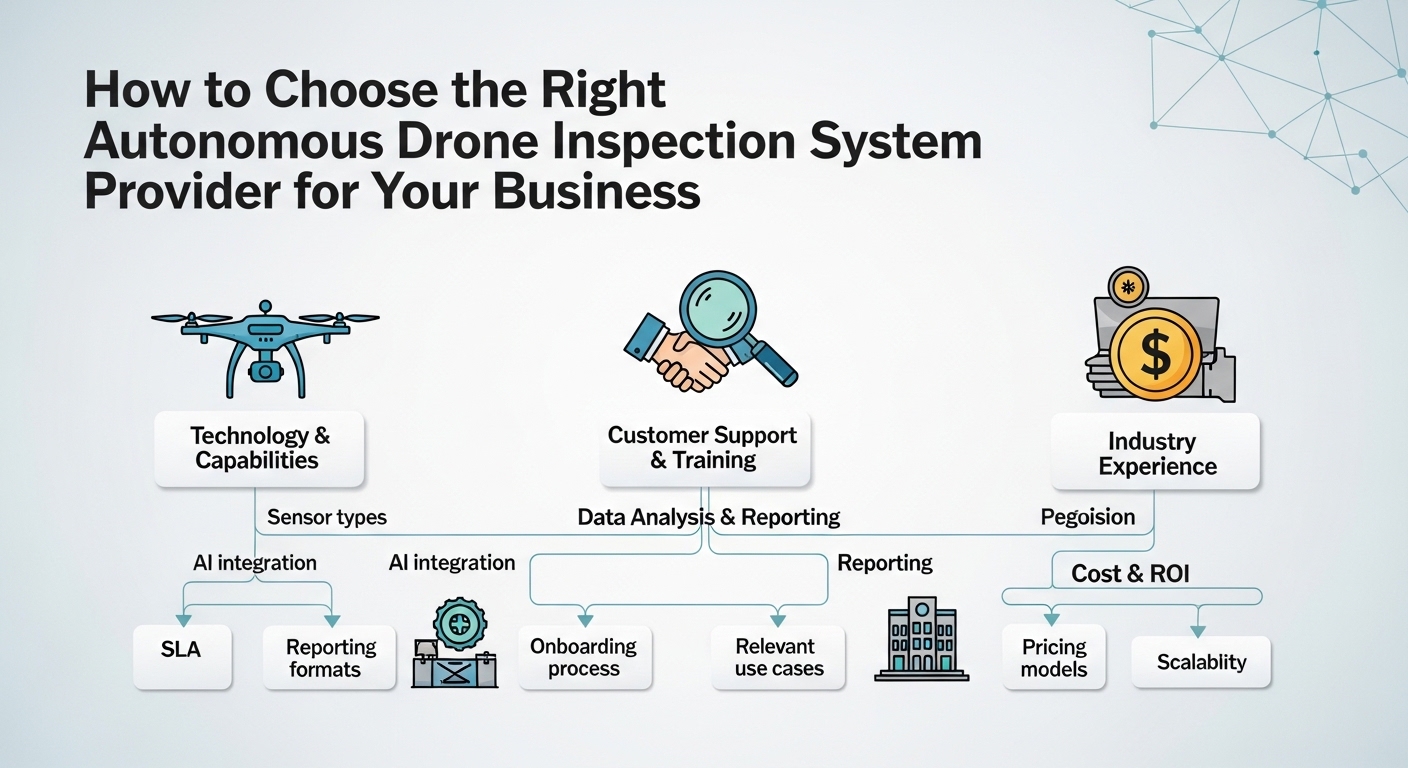
In today’s rapidly evolving industrial landscape, drone technology is transforming how businesses conduct inspections. From infrastructure and energy to construction and agriculture, companies are increasingly relying on advanced aerial systems to improve efficiency, safety, and accuracy. However, selecting the right autonomous drone inspection system provider can be a challenging task, especially with so many options available in the market.
Choosing the right partner is critical because it directly impacts the quality of data, operational efficiency, and overall return on investment. In this guide, we will walk you through the key factors to consider when selecting the best provider for your business needs.
1. Understand Your Business Requirements
Before evaluating any autonomous drone inspection system provider, you must clearly define your specific needs. Different industries have different inspection requirements, such as:
- Power line and utility inspections
- Oil and gas pipeline monitoring
- Construction site progress tracking
- Wind turbine and solar panel inspections
- Infrastructure and bridge assessments
Understanding your objectives will help you identify whether you need high-resolution imaging, thermal scanning, LiDAR capabilities, or AI-powered analytics. A reliable provider should offer customized solutions tailored to your industry.
2. Look for Industry Experience and Expertise
Experience matters when it comes to drone inspection services. An established autonomous drone inspection system provider will have a proven track record across multiple industries. Look for:
- Case studies and past projects
- Industry-specific expertise
- Client testimonials
- Portfolio of successful inspections
Providers with deep experience can better anticipate challenges and deliver more accurate, actionable insights. They also tend to have refined workflows and optimized systems for efficient operations.
3. Verify Certifications and Compliance
One of the most important factors to consider is whether the provider is an aviation certified UAV inspection company. Certification ensures that the company complies with aviation regulations and safety standards.
Key certifications and compliance checks include:
- Civil aviation authority approvals
- Licensed drone pilots
- Safety and risk management protocols
- Insurance coverage
Working with an aviation certified UAV inspection company minimizes risks and ensures that your inspection operations are legally compliant and professionally executed.
4. Evaluate Technology and Equipment
Not all drone systems are created equal. The technology used by an autonomous drone inspection system provider plays a crucial role in the quality of results.
Consider the following:
- Type of drones (fixed-wing, multirotor, hybrid)
- Sensor capabilities (thermal, LiDAR, multispectral, HD cameras)
- AI and automation features
- Real-time data transmission and processing
Advanced providers invest in cutting-edge technologies that enable autonomous flight, obstacle avoidance, and precise data collection. This ensures higher accuracy and reduced human intervention.
5. Assess Data Processing and Analytics Capabilities
Collecting data is only half the job—the real value lies in how that data is processed and analyzed. A reliable autonomous drone inspection system provider should offer:
- Cloud-based data storage
- AI-powered analytics
- Detailed inspection reports
- Predictive maintenance insights
- Integration with existing systems
An aviation certified UAV inspection company with strong analytics capabilities can help you make informed decisions, reduce downtime, and optimize asset performance.
6. Consider Safety Standards and Protocols
Safety is a critical aspect of drone operations. A professional autonomous drone inspection system provider will follow strict safety protocols to protect people, property, and assets.
Look for:
- Pre-flight risk assessments
- Emergency response procedures
- Collision avoidance systems
- Secure data handling practices
Choosing an aviation certified UAV inspection company ensures that safety is embedded in every stage of the inspection process.
7. Check Scalability and Flexibility
As your business grows, your inspection needs may evolve. It’s important to partner with an autonomous drone inspection system provider that can scale its services accordingly.
Ask questions like:
- Can they handle large-scale projects?
- Do they offer flexible service packages?
- Can they adapt to new technologies and requirements?
A scalable provider will support your long-term growth and help you stay ahead of industry trends.
8. Review Cost vs Value
While cost is an important consideration, it should not be the sole deciding factor. The cheapest option may not always deliver the best results.
Instead, evaluate:
- Quality of service
- Technology and tools used
- Expertise and certifications
- Long-term benefits and ROI
An experienced autonomous drone inspection system provider may charge more, but they often deliver superior value through accurate data, reduced operational risks, and improved efficiency.
9. Customer Support and Training
A good provider doesn’t just deliver services—they also support your team throughout the process. Look for an autonomous drone inspection system provider that offers:
- Onboarding and training programs
- Technical support
- Regular updates and maintenance
- Dedicated account management
An aviation certified UAV inspection company with strong customer support ensures a smooth and hassle-free experience.
10. Reputation and Reliability
Finally, consider the provider’s reputation in the market. A trustworthy autonomous drone inspection system provider will have:
- Positive client reviews
- Strong industry presence
- Transparent communication
- Consistent service quality
Reliability is key, especially when your operations depend on timely and accurate inspections.
Conclusion
Choosing the right autonomous drone inspection system provider is a strategic decision that can significantly impact your business operations. By focusing on experience, certifications, technology, safety, and scalability, you can find a partner that aligns with your goals.
Always prioritize working with an aviation certified UAV inspection company to ensure compliance, safety, and high-quality results. With the right provider, you can leverage drone technology to enhance efficiency, reduce costs, and gain valuable insights for better decision-making.
Investing time in selecting the right partner today will set your business up for long-term success in the era of intelligent and autonomous inspections.

Disagreements over wages and compensation can create tension in the workplace, affecting both morale and productivity. Employees may feel undervalued, while employers may face confusion over legal obligations or contract interpretations. Addressing these issues constructively requires clear communication, a solid understanding of labor laws, and a willingness to find mutually agreeable solutions. Approaching such disputes with a focus on collaboration rather than confrontation often leads to faster resolution and helps preserve professional relationships. Open dialogue, thorough documentation, and a calm, fact-based approach are key components in navigating these situations effectively.
In more complex cases, where negotiations become challenging or legal questions arise, seeking professional guidance can be essential. Consulting with experienced professionals, such as the best employment lawyers in Colorado Springs, can provide clarity on rights, obligations, and potential courses of action. Their expertise helps ensure that any resolution is fair, legally sound, and minimizes long-term conflict. By combining proactive communication with informed support, both employees and employers can resolve compensation concerns efficiently while maintaining a respectful and professional work environment.
Common Causes of Wage Disputes
Pay disagreements usually stem from misunderstandings, administrative errors, or misinterpretations of contracts. Some of the most prevalent issues include:
- Overtime Pay Violations: Employers must pay eligible employees extra for hours worked beyond the standard workweek. Failure to do so is not only unfair but illegal.
- Misclassification of Employees: Designating a worker as an independent contractor rather than an employee can deprive them of overtime, benefits, and protections.
- Unpaid Work Hours: Any period an employee performs duties, including required breaks or pre-shift preparations, should be compensated.
- Illegal Deductions: Without written consent or legal justification, taking money out of an employee’s paycheck can quickly lead to disputes and possible legal action.
Recognizing these root causes enables quicker, more effective resolution before disagreements escalate into lawsuits or regulatory investigations.
Legal Framework and Employee Rights
The balance between fair compensation and business sustainability is grounded in federal and state labor regulations. The Fair Labor Standards Act (FLSA) sets minimum wage rates and overtime pay rules, while state laws may add additional protections. In recent years, oversight has grown stricter. For example, the Equal Employment Opportunity Commission (EEOC) has secured hundreds of millions in settlements for affected workers, reflecting the seriousness with which regulatory bodies are treating wage violations.
Employers must remain vigilant about compliance, as even honest mistakes can be costly. Employees, on the other hand, have the right to pursue unpaid wages and must be informed about ways to file complaints or grievances. Detailed, accurate record-keeping is essential for resolving disputes efficiently.
Effective Communication Strategies
Clear, proactive communication is at the heart of resolving compensation issues, regardless of the workplace environment. Employers should spell out wage policies in employee handbooks, offer regular compensation reviews, and ensure payroll records match hours worked. Creating a non-retaliatory space where concerns are considered without prejudice builds trust and avoids miscommunication.
- Share all relevant compensation details at the start of employment and whenever changes are made.
- Invest in up-to-date time tracking and payroll systems to maintain accuracy.
- Invite candid feedback and provide clear steps for employees to report discrepancies.
Sustained transparency goes a long way toward preventing disputes.
Mediation as a Resolution Tool
When direct discussions fail to resolve a pay dispute, mediation offers a productive alternative to court proceedings. Mediation brings all parties to the table with a neutral third party to facilitate solutions tailored to their specific needs rather than enforce a winner-loser outcome. It generally costs less, remains confidential, and can help mend strained professional relationships. The Illinois Department of Labor, for example, has established dedicated mediation units to help parties resolve wage issues before litigation, significantly reducing strain and expense.
State agencies often make mediation available as a first step before official complaints advance to litigation.
Case Study: Successful Mediation in Wage Disputes
Noteworthy examples abound for how structured mediation and settlement can resolve longstanding wage disputes. In December 2025, the Attorney General of Washington, D.C., announced a large settlement with a construction company regarding wage shortfalls and worker misclassification. The company agreed to compensate affected employees and pay additional penalties to the state. This case illustrates that active intervention and negotiation can recover owed wages while encouraging future compliance. It is an excellent example of how constructive solutions yield fair outcomes for both sides.
Preventive Measures for Employers
- Consistently review internal policies and procedures to ensure compliance with all current regulations at both the federal and state levels.
- Train managers and HR staff in the basics of wage law and the importance of proper job classification.
- Establish confidential channels for employees to report wage issues without fear of retaliation.
By embedding these strategies into daily business practices, companies reduce risks and reinforce a supportive workplace culture.
Conclusion
Effectively resolving wage and compensation disputes requires a combination of legal awareness, fair management practices, and open communication. Mediation can be a powerful tool, helping to avoid litigation and preserve dignified working relationships. Above all, preventive measures and respect for employees’ rights are the best defenses against future disputes, cultivating a positive environment for all.


MilestoneAreaCom has emerged as a transformative platform for individuals and organizations focused on goal achievement. This innovative tool combines intuitive design with powerful tracking capabilities, allowing users to define clear objectives and monitor progress effectively. By centralizing planning and execution in one platform, MilestoneAreaCom reduces the stress and confusion often associated with goal setting. Users can now map out their ambitions, establish actionable steps, and maintain accountability with ease.
The essence of MilestoneAreaCom lies in its ability to bridge the gap between intention and action. Many people struggle with motivation and consistency, but the structured features of MilestoneAreaCom provide the guidance necessary to sustain long-term growth. Through visual dashboards, personalized reminders, and analytical insights, this platform empowers individuals to take control of their goals and ensure measurable results.
How MilestoneAreaCom Helps in Goal Setting
Goal setting is a fundamental aspect of personal and professional development, and MilestoneAreaCom excels in providing the tools necessary for success. The platform encourages users to break down large objectives into smaller, manageable milestones, fostering a sense of accomplishment at every stage. This approach not only boosts motivation but also allows for strategic adjustments along the way. With MilestoneAreaCom, users can set realistic deadlines, track completion rates, and evaluate overall performance efficiently.
Furthermore, MilestoneAreaCom emphasizes clarity and focus in goal setting. By offering customizable templates and guided workflows, the platform ensures that each goal is clearly defined, measurable, and aligned with broader objectives. This structured approach prevents common pitfalls such as vague targets or inconsistent follow-through. Ultimately, MilestoneAreaCom creates an environment where users can approach goal achievement with confidence, discipline, and a clear vision for success.
Tracking Progress with MilestoneAreaCom
Tracking progress is often the differentiator between success and stagnation, and MilestoneAreaCom provides sophisticated tracking mechanisms. Through visual dashboards and progress charts, users can see real-time updates on their goal completion rates. This continuous feedback loop reinforces positive behaviors and highlights areas that require additional attention. By monitoring progress consistently, individuals can remain accountable and make data-driven adjustments to enhance performance.
The platform also integrates advanced reporting features that allow users to analyze trends over time. By evaluating performance metrics, users can identify patterns in productivity and adapt strategies accordingly. MilestoneAreaCom’s tracking tools are designed to simplify complex processes, making goal management intuitive and actionable. This emphasis on data-driven insights ensures that every effort contributes meaningfully to achieving long-term objectives.
Enhancing Productivity with MilestoneAreaCom
Productivity is a crucial factor in reaching goals, and MilestoneAreaCom provides tools to optimize efficiency. By consolidating planning, task management, and progress tracking, the platform eliminates the need for multiple disjointed applications. Users can prioritize tasks, set deadlines, and allocate resources effectively within a single workspace. This streamlined approach reduces distractions and enhances focus, enabling consistent productivity toward goal achievement.
Additionally, MilestoneAreaCom fosters accountability through collaborative features. Teams can assign responsibilities, track contributions, and celebrate milestones collectively. This collaborative environment ensures that everyone remains aligned with shared objectives, minimizing delays and maximizing output. Whether for personal projects or organizational initiatives, MilestoneAreaCom acts as a central hub for driving productivity and achieving measurable outcomes.
Visualizing Success with MilestoneAreaCom
Visualization is a powerful tool in goal achievement, and MilestoneAreaCom offers features that make abstract objectives tangible. Users can create visual timelines, charts, and progress maps that illustrate their journey from start to completion. These visual tools not only increase motivation but also provide a clear reference for planning and execution. By seeing goals unfold graphically, users develop a stronger connection to their objectives and a more precise understanding of the steps required.
MilestoneAreaCom also supports scenario planning, allowing users to anticipate challenges and devise solutions in advance. Through simulation tools and milestone mapping, users can prepare for potential obstacles while maintaining momentum. This proactive approach fosters resilience and strategic thinking, ensuring that goals remain achievable even under changing circumstances. Visualization within MilestoneAreaCom transforms abstract ambitions into actionable realities.
Integrating MilestoneAreaCom into Daily Routines
Consistency is critical for goal attainment, and MilestoneAreaCom makes integration into daily routines seamless. The platform allows users to schedule tasks, set reminders, and monitor progress in real-time. By embedding goal-related actions into everyday activities, MilestoneAreaCom ensures that users maintain momentum without feeling overwhelmed. Routine integration also encourages habitual tracking, which is essential for sustaining long-term progress.
Beyond individual use, MilestoneAreaCom supports team-wide scheduling and coordination. Organizations can align workflows, synchronize timelines, and track collective achievements with minimal effort. This integration enhances both personal discipline and collaborative efficiency, reinforcing a culture of accountability. Through consistent use, MilestoneAreaCom becomes an indispensable companion in achieving both personal and organizational goals.
Data-Driven Decision Making with MilestoneAreaCom
Data is the backbone of effective goal management, and MilestoneAreaCom leverages analytics to inform decision making. Users gain access to insights on task completion, resource allocation, and performance trends. This data-driven perspective allows for informed adjustments to strategies, ensuring that efforts are always optimized for maximum impact. By using analytics, users can refine their approach and avoid common pitfalls in goal achievement.
Moreover, MilestoneAreaCom provides actionable reports that summarize progress and highlight areas for improvement. These insights foster strategic planning and help users prioritize high-impact actions. The platform’s focus on analytics ensures that every decision is grounded in measurable evidence, enabling continuous growth. By combining data and actionable insights, empowers users to make informed choices that lead to consistent success.
Table Example: Milestone Tracking with MilestoneAreaCom
| Goal Category | Milestone | Deadline | Completion Status | Notes |
|---|---|---|---|---|
| Personal Growth | Read 5 books | March 31 | 60% | Focus on professional development books |
| Fitness | Run 50 km | March 31 | 80% | Track distance using app integration |
| Career | Complete certification | April 15 | 40% | Prioritize modules weekly |
| Team Project | Launch campaign | April 10 | 70% | Monitor tasks and team contributions |
This table demonstrates how MilestoneAreaCom organizes and tracks multiple goals efficiently. Each milestone is clearly defined, with deadlines and completion statuses providing a clear overview of progress. Notes allow for contextual guidance, ensuring users remain aligned with objectives and capable of making adjustments when necessary.
Conclusion
MilestoneAreaCom is more than just a tracking tool; it is a comprehensive solution for achieving personal and professional goals. By integrating planning, monitoring, visualization, and analytics, the platform ensures that every user has the resources needed for consistent success. Its intuitive design and data-driven insights make goal management efficient, organized, and actionable.
Whether an individual seeks personal growth or an organization aims to optimize productivity, MilestoneAreaCom provides a structured, reliable framework for success. By fostering accountability, visualization, and routine integration, the platform turns ambitious objectives into achievable realities. truly represents the ultimate companion for anyone serious about achieving their goals.
-

 Blog1 month ago
Simpcit6: Redefining Simplicity in a Complex World
-

 Technology5 months ago
YourAssistantLive com: The Future of Smart Digital Assistance
-

 food6 months ago
Calamariere: How to Perfectly Prepare at Home
-

 Blog6 months ago
Baddi Hub: An Emerging Industrial and Business Hotspot
-

 Health4 months ago
Nerovet AI Dentistry: Enhancing Patient Experience and Treatment Outcomes Dental Care
-

 Technology1 month ago
Voomixi com: The Digital Platform Redefining Online Interaction
-

 Technology5 months ago
Anonibs: The Trending Anonymous Image Board Platform
-

 HomeImprovment4 months ago
Acamento: How Finishing Techniques Define a Building’s Style