
Health
Seeking Compensation After a Car Accident: Why You Must Lawyer Up


Getting into a car accident flips your life upside down faster than you expect. One moment you are driving normally, the next you are dealing with pain, stress, and confusion.
Between January and June of 2025, the US saw more than 17,000 fatalities due to motor vehicle crashes. Thousands of others were injured in various crashes as well, many of whom had to be hospitalized as a result.
After an accident, you may think the insurance company will handle everything fairly. That belief often fades once calls, forms, and delays start piling up. At the same time, seeking compensation alone can feel overwhelming and isolating.
Lawyers step in to protect your interests when others may not. They speak the language insurers use and understand the rules that apply. If you want a fair outcome, having guidance matters more than you think.
What is Really at Stake?
After a crash, most people focus only on fixing their car. That is just one small part of the situation. Injuries may appear minor at first, then worsen with time.
Recently, six people were injured after a car crash involving eleven cars in Colorado Springs. They might eventually reach out to a car accident attorney in Colorado Springs to help them seek compensation. After all, medical expenses often continue long after the accident fades from memory, and personal injury cases involve more than obvious damage.
As Springs Law Group notes, such cases include future treatments, lost income, and emotional strain. A personal injury lawyer helps uncover the full value of your claim. Without help, many people accept early offers that fail to cover long-term needs.
Car accident cases are rarely simple, even when fault seems clear. Insurance companies investigate carefully to protect themselves. Their goal is to reduce payouts, not protect you. Car accident lawyers understand these tactics well. They push back using evidence, records, and experience.
Compensation should reflect your entire experience, not just the first hospital visit. Having someone focused on your future makes a real difference during recovery.
Why are Insurance Companies Not on Your Side?
Right now, in the US, the national average cost for car insurance is a little over $2,100 per year. And it feels natural to trust your insurer after a collision. After all, you have paid them for years. Unfortunately, their priorities change once a claim begins.
Adjusters are trained to minimize losses for their company. They may sound friendly while questioning your injuries or delaying responses.
A car accident attorney recognizes these strategies immediately. Lawyers step in to control communication and protect your statements. One careless comment can weaken your position significantly. Legal matters involve strict timelines and detailed paperwork.
Missing one requirement can harm your claim. A car crash lawyer keeps everything on track. They gather medical records, witness accounts, and expert opinions. This preparation strengthens your case from the start. Insurance companies act differently when lawyers are involved. They know unfair tactics will be challenged. That shift alone can improve your chances of proper compensation.
How Do Lawyers Build Strong Car Accident Cases?
Many people think lawyers only argue in court. Most work actually happens long before that stage. Car accident lawyers investigate every angle of the incident. They review police reports, photos, and medical evaluations carefully.
Personal injury cases depend on clear connections between the crash and injuries. Lawyers know how to establish that link effectively. They also calculate damages accurately, including future medical expenses. This process requires experience and attention to detail.
A personal injury lawyer understands how injuries affect daily routines and work life. They present this impact in a way insurers cannot ignore. Legal matters also involve negotiating skillfully. Lawyers know when to push and when to wait. That balance often leads to better compensation outcomes.
Without representation, many people feel pressured to settle early. Strong preparation changes that dynamic completely.
The Emotional Relief of Having Legal Support
Beyond paperwork and negotiations, there is an emotional side to recovery. Dealing with pain while fighting insurers drains your energy. Hiring a car accident attorney lifts much of that burden. You gain space to focus on healing instead of arguing over forms.
Lawyers handle calls, deadlines, and disputes on your behalf. That support brings peace of mind during a stressful period. Car accident cases can take time to resolve properly. Having guidance helps you stay patient and confident. A car crash lawyer also answers questions honestly, without pressure.
Knowing your options reduces fear and uncertainty. Compensation is not just about money. It is about stability and security after disruption. When someone stands in your corner, the process feels manageable. That reassurance matters more than many people realize.
Seeking compensation after a car crash is rarely straightforward. The system is complex, and mistakes can cost you dearly. A personal injury lawyer provides knowledge, strategy, and support when you need it most.
Car accident lawyers understand both the legal process and the human impact involved. They work to ensure your injuries are taken seriously. Medical expenses, lost income, and future needs deserve fair consideration. Handling legal matters alone often leads to unnecessary stress and reduced outcomes.
If you are facing uncertainty after a collision, help is available. Choosing representation is not aggressive or greedy. It is practical, protective, and often the smartest decision you can make.
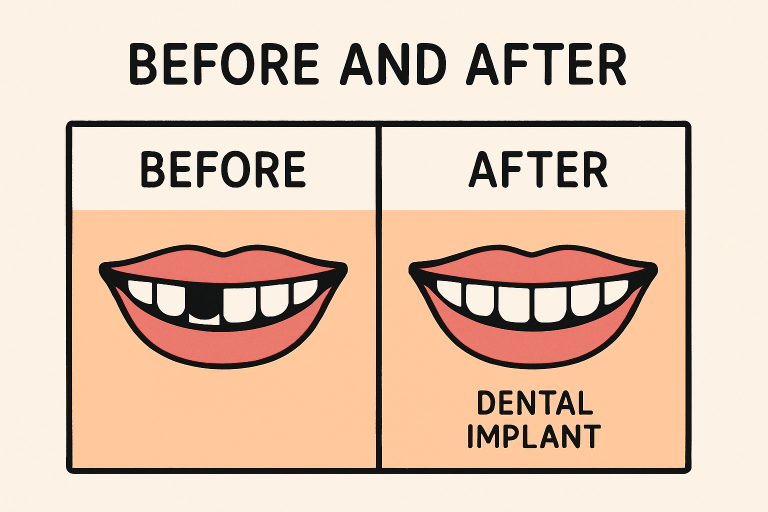
Dental implants have revolutionized restorative dentistry, providing reliable and aesthetically pleasing solutions for individuals with missing teeth. Through ongoing innovation, modern implant techniques deliver excellent function and natural appearance, allowing patients to regain confidence in their smiles while improving oral health. Specialists at the Pikos Institute and other leading centers continue to advance the field by embracing cutting-edge implant technology.
The latest advancements in dental implantology have streamlined procedures and outcomes for both dentists and patients. Today, patients benefit from faster recovery periods, immediate functional results, and reduced discomfort thanks to highly precise approaches and state-of-the-art materials. These techniques are tailored to address various oral health needs, delivering transformative results not achievable with traditional methods.
Same-Day Dental Implants: Immediate Results
Historically, dental implant therapy involved multiple steps and extended healing intervals, often requiring months before the final prosthesis could be attached. This lengthy process posed a challenge for many patients, particularly those seeking rapid results after tooth loss. Thanks to developments in implant design and surgical protocols, same-day dental implants are now achievable for suitable candidates. This technique enables patients to enter a dental clinic with gaps in their smile and leave hours later with fully functional teeth.
The same-day approach minimizes disruptions to a patient’s schedule and lifestyle, as there is less waiting and fewer visits. Additionally, immediate implant placement often helps preserve bone structure and gum tissue, which are critical elements in achieving a natural-looking outcome. According to the American Society of Implant & Reconstructive Dentistry, this innovation greatly enhances the patient experience and helps maintain oral health after tooth loss.
Stent-Based Techniques: Precision in Smile Makeovers
Composite smile makeovers once required meticulous, time-consuming application processes that were heavily dependent on a dentist’s manual skill. Stent-based techniques have transformed this landscape. By leveraging stents with built-in tooth separators, practitioners can apply composite material to multiple teeth simultaneously, ensuring uniformity and symmetry. This not only saves valuable chair time but also improves the consistency and quality of the final results. The precision supported by these devices empowers dentists to create beautifully natural smiles more efficiently than ever before.
Patients benefit through shorter appointments and more predictable outcomes. Especially when targeting aesthetic enhancement across multiple teeth, this technology offers an effective path to achieving a harmonious, radiant smile.
All-on-4 Implants: Full-Arch Restoration with Fewer Implants
For patients with significant tooth loss or diminished bone volume, the All-on-4 technique provides a revolutionary solution. In this method, four implants are strategically placed at angles within the jaw to anchor a full-arch prosthesis. Unlike conventional implants, which often necessitate bone grafting where bone is lacking, All-on-4 can typically be performed without such supplementary procedures. This approach leverages available bone, using precise placement for maximum stability and support.
The immediate loading protocol allows most patients to receive a full set of teeth on the same day as surgery, greatly improving quality of life and self-esteem. The streamlined process is an attractive option for those seeking comprehensive rehabilitation with minimal surgical intervention. According to the American Society of Implant & Reconstructive Dentistry, innovations like All-on-4 have dramatically expanded options for those in need of complete dental restoration.
Root-Analogue Implants: Custom-Fit Solutions
Traditional cylindrical implants may not always provide an ideal fit, particularly when the root anatomy is unique or irregular. Root-analogue implants are designed as custom replicas of the extracted tooth root. Manufactured using exact digital impressions or scans, these implants are placed directly into the tooth socket after extraction for a seamless, anatomical fit. Because they closely mirror the original root, surgical trauma is reduced, and healing is often faster, with better integration into the surrounding bone.
These bespoke solutions are especially useful for patients with unique biological needs or when function and aesthetics must closely match the patient’s natural dentition.
Osseointegration: The Foundation of Implant Success
The cornerstone of dental implant longevity and performance is osseointegration, the process in which bone tissue securely bonds to the implant’s surface. Without proper osseointegration, implants may fail to achieve the necessary stability for daily function. Advances in surface technology, such as improved surface texturing and biomimetic coatings, have significantly enhanced the rate and quality of osseointegration. As materials and design standards evolve, modern implants are setting new benchmarks for durability and comfort.
Thorough understanding and application of osseointegration principles ensure the predictability and success of even the most complex restoration cases, thereby increasing patient satisfaction for years to come.
Final Thoughts
Dentistry’s continuous evolution has ushered in an era where rapid, effective, and natural-looking dental restorations are accessible to more people than ever. From same-day implants to highly individualized root-analogue solutions, these advanced technologies prioritize patient comfort and deliver unmatched functional and aesthetic results. By embracing precision methods and understanding the biological foundation of implant success, professionals are transforming the landscape of restorative dentistry and empowering individuals to reclaim their oral health and confidence.


FedsoLife is more than just a concept; it is a practical and balanced approach to achieving physical vitality, mental clarity, and emotional stability in today’s fast-paced world. In an era where modern living often leads to stress, unhealthy eating, and sedentary habits, FedsoLife introduces a structured yet flexible framework that empowers individuals to make mindful decisions about their well-being. By focusing on holistic health, sustainable routines, and consistent personal growth, FedsoLife becomes a reliable companion for anyone striving to build a healthier lifestyle without unrealistic expectations or temporary solutions.
The philosophy behind this approach revolves around long-term sustainability rather than quick fixes. Instead of promoting extreme diets or rigid exercise schedules, it encourages gradual improvement and self-awareness. People who adopt this mindset often discover that health is not a destination but an ongoing journey shaped by daily habits and conscious choices.
Understanding FedsoLife and Its Core Philosophy
FedsoLife represents a lifestyle philosophy centered on balance, awareness, and intentional living. It recognizes that physical health, mental well-being, and emotional resilience are deeply interconnected. Rather than isolating one aspect of wellness, it integrates nutrition, movement, rest, and mindset into a cohesive system that supports overall quality of life.
At its core, this lifestyle emphasizes mindful nutrition, consistent physical activity, restorative sleep, and stress management. It does not demand perfection. Instead, it promotes progress through steady improvements. By acknowledging that setbacks are part of growth, the philosophy fosters resilience and long-term commitment.
The guiding principles can be better understood through the following table:
| Key Element | Description | Long-Term Impact |
|---|---|---|
| Balanced Nutrition | Emphasizes whole foods and portion awareness | Sustainable energy and improved metabolism |
| Active Living | Encourages regular movement suited to individual capacity | Stronger cardiovascular and muscular health |
| Mental Wellness | Prioritizes stress management and emotional awareness | Greater focus and resilience |
| Rest and Recovery | Values quality sleep and relaxation | Hormonal balance and reduced burnout |
| Consistency | Focuses on daily habits rather than short bursts of effort | Lasting lifestyle transformation |
Each component works in harmony, reinforcing the others to create a stable and healthy foundation.
FedsoLife and Nutritional Awareness
Nutrition forms the backbone of any healthy lifestyle. Within the FedsoLife framework, food is seen as fuel, nourishment, and a source of enjoyment. Instead of labeling foods as strictly good or bad, this approach encourages mindful consumption and balanced choices.
Whole foods such as fruits, vegetables, lean proteins, whole grains, and healthy fats play a central role. Processed items are minimized not through strict prohibition but through conscious moderation. Hydration is also emphasized, as adequate water intake supports digestion, cognitive performance, and overall vitality.
The table below highlights the nutritional focus areas:
| Nutritional Focus | Practical Application | Benefits |
|---|---|---|
| Whole Foods | Fresh produce, legumes, lean proteins | Improved digestion and immunity |
| Portion Control | Mindful serving sizes | Weight management and metabolic health |
| Hydration | Adequate daily water intake | Enhanced energy and concentration |
| Nutrient Diversity | Variety of colorful foods | Broad vitamin and mineral intake |
This balanced nutritional awareness prevents extremes and encourages sustainable habits that can be maintained for years.
Physical Activity in the FedsoLife Framework
Movement is essential for maintaining strength, flexibility, and cardiovascular health. In the context of FedsoLife, physical activity is not restricted to intense workouts. It includes everyday movements such as walking, stretching, and engaging in recreational activities.
Regular exercise improves mood, boosts metabolism, and reduces the risk of chronic conditions. However, consistency is more important than intensity. Individuals are encouraged to choose activities they genuinely enjoy, whether it is yoga, jogging, swimming, or strength training. This enjoyment factor significantly increases long-term adherence.
The following table demonstrates different types of movement and their contributions:
| Activity Type | Examples | Health Contribution |
|---|---|---|
| Cardiovascular | Walking, cycling, swimming | Heart health and endurance |
| Strength Training | Bodyweight exercises, resistance training | Muscle growth and bone density |
| Flexibility | Stretching, yoga | Improved mobility and injury prevention |
| Functional Movement | Daily chores, active commuting | Calorie expenditure and mobility |
By incorporating varied forms of movement, individuals build a well-rounded fitness foundation.
Mental Wellness and Emotional Balance
Mental health is equally important as physical well-being. The FedsoLife philosophy recognizes the impact of stress, anxiety, and emotional overload on overall health. Chronic stress can disrupt sleep, weaken immunity, and contribute to unhealthy eating patterns.
To counteract this, mindfulness practices, journaling, deep breathing exercises, and digital detox strategies are encouraged. Developing emotional awareness allows individuals to respond to challenges rather than react impulsively. Over time, these practices enhance resilience and clarity.
Emotional balance also involves setting healthy boundaries, nurturing relationships, and seeking support when necessary. By prioritizing mental well-being, individuals experience improved productivity and deeper life satisfaction.
Rest, Recovery, and the Power of Sleep
Quality sleep is often overlooked in modern society. Yet it is fundamental to hormonal balance, muscle repair, and cognitive function. The FedsoLife approach emphasizes establishing consistent sleep routines, reducing screen exposure before bedtime, and creating a calm sleeping environment.
Sleep deprivation can lead to fatigue, irritability, and poor decision-making. By valuing rest as a critical component of health rather than a luxury, individuals experience more stable energy levels and improved emotional regulation.
Recovery also includes rest days from intense workouts and moments of relaxation throughout the week. This balance prevents burnout and sustains motivation.
Building Sustainable Habits Through FedsoLife
Long-term transformation is achieved through habits rather than temporary motivation. The FedsoLife methodology encourages small, manageable changes that accumulate over time. For instance, adding an extra serving of vegetables daily or taking a short walk after dinner can gradually shift overall health outcomes.
Habit formation relies on repetition and realistic goals. Instead of drastic overhauls, incremental adjustments reduce overwhelm and increase consistency. Tracking progress, celebrating small wins, and adjusting routines when necessary help maintain momentum.
The following table outlines stages of habit development:
| Stage | Description | Outcome |
|---|---|---|
| Awareness | Recognizing areas needing improvement | Clear direction |
| Implementation | Introducing small, consistent actions | Behavioral shift |
| Reinforcement | Repeating habits regularly | Habit solidification |
| Adaptation | Adjusting routines as life changes | Long-term sustainability |
This structured approach fosters lasting change without unnecessary pressure.
Social Connections and Community Support
Human connection plays a powerful role in health. Supportive relationships provide motivation, accountability, and emotional comfort. Within the FedsoLife perspective, surrounding oneself with positive influences enhances commitment to healthy habits.
Shared activities such as group workouts, cooking healthy meals together, or participating in community events strengthen bonds while promoting well-being. Social interaction reduces stress hormones and increases feelings of belonging.
A supportive environment makes it easier to maintain consistency, especially during challenging times.
Technology and Modern Wellness Integration
In today’s digital age, technology can either hinder or enhance health. When used wisely, fitness trackers, meal-planning apps, and meditation platforms can support progress. However, excessive screen time may contribute to stress and sleep disruption.
The FedsoLife approach advocates balanced technology use. Monitoring physical activity and tracking sleep patterns can provide valuable insights. At the same time, regular digital breaks ensure mental clarity and presence.
By aligning technology with wellness goals, individuals create a modern yet mindful lifestyle.
Long-Term Benefits of Embracing FedsoLife
Adopting this lifestyle philosophy yields measurable benefits across multiple dimensions of health. Physically, individuals often experience improved energy levels, stronger immunity, and healthier body composition. Mentally, enhanced focus and reduced anxiety contribute to better decision-making.
Emotionally, consistent self-care fosters confidence and self-awareness. Over time, these improvements compound, resulting in a more vibrant and fulfilling life.
The cumulative effects can be summarized below:
| Health Dimension | Short-Term Results | Long-Term Impact |
|---|---|---|
| Physical | Increased energy | Reduced chronic disease risk |
| Mental | Improved concentration | Greater resilience |
| Emotional | Stable mood | Stronger self-esteem |
| Social | Better relationships | Supportive network |
These outcomes demonstrate that consistent effort yields meaningful rewards.
Practical Implementation of FedsoLife in Daily Life
Integrating this philosophy into daily routines does not require dramatic changes. Morning hydration, balanced meals, short movement breaks, and intentional relaxation periods can gradually reshape overall health.
Time management plays a crucial role. Scheduling workouts, meal preparation, and rest ensures that health remains a priority rather than an afterthought. Self-reflection at the end of each week helps identify progress and areas for refinement.
The key lies in adaptability. Life circumstances evolve, and routines must evolve accordingly. Flexibility prevents frustration and supports continuity.
Overcoming Common Obstacles
Every lifestyle journey includes challenges such as lack of motivation, busy schedules, or unexpected setbacks. The FedsoLife framework addresses these obstacles by encouraging realistic expectations and self-compassion.
When progress slows, revisiting core principles and reassessing goals can reignite commitment. Instead of abandoning efforts after minor setbacks, individuals are encouraged to learn from them and continue forward.
Consistency over perfection remains the central theme. By maintaining perspective, obstacles become opportunities for growth rather than reasons for failure.
FedsoLife as a Lifelong Commitment
True health transformation requires dedication beyond temporary enthusiasm. FedsoLife serves as a long-term roadmap rather than a short-term challenge. Its holistic structure ensures that improvements in one area positively influence others.
As individuals continue practicing mindful nutrition, consistent movement, adequate rest, and emotional awareness, the lifestyle becomes second nature. Over time, healthy decisions require less effort because they align with established habits. This integration marks the transition from intentional practice to natural living.
Conclusion
FedsoLife: Your Ultimate Guide to a Healthier Lifestyle illustrates how balanced nutrition, regular movement, mental clarity, and restorative rest collectively form the foundation of sustainable well-being. By focusing on gradual progress and realistic goals, this lifestyle philosophy empowers individuals to create lasting transformation without extreme measures. The integration of physical health, emotional stability, and social connection ensures a comprehensive approach to modern wellness.
Embracing FedsoLife is not about chasing perfection but about cultivating consistency. Through mindful choices and steady commitment, anyone can build a healthier, more energized, and more fulfilling life that stands strong against the pressures of contemporary living.
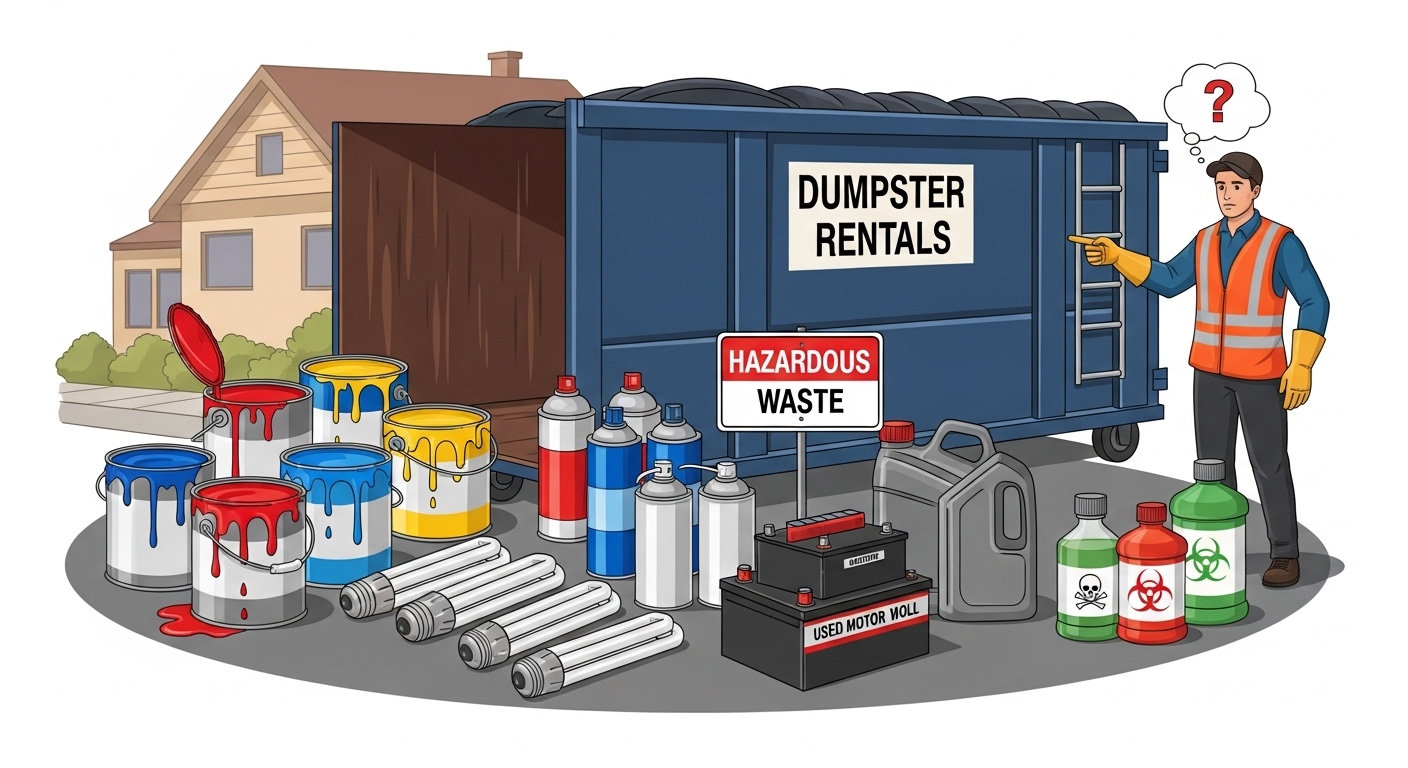
Renting a dumpster lets you deal with large amounts of waste during renovations or when cleaning out a home. Chemicals, paints, and batteries are some of the waste that are not accepted in a dumpster rental. These materials require special handling and disposal due to their hazardous nature. Here is more information on what to do with hazardous waste when renting a dumpster:
Avoid Placing in the Dumpster
When you rent a dumpster, know what materials are not allowed in the container for disposal. This is a precautionary measure to enhance the safety of both people and the environment. The following are a few items that should not be placed in a dumpster:
- Chemicals such as pesticides, herbicides, and fertilizers
- Paints, solvents, and thinners
- Batteries (both household and car batteries)
- Electronics like televisions, computers, and printers
- Fluorescent light bulbs
What you can include in a dumpster includes household debris, such as furniture and regular garbage. Construction waste such as wood, drywall, roofing shingles, and tiles is also accepted in dumpsters. Your dumpster provider can guide you on weight limits for better management of your waste.
Separate Hazardous Materials
Before your dumpster arrives on site, separate hazardous materials from your regular waste. This not only saves time during waste disposal but also verifies compliance with the dumpster provider’s terms. When you separate hazardous materials from regular waste, you avoid contamination during transportation.
You can use a segregation method to separate materials and protect any workers and the community from hazardous waste. Have a designated container where you sort and store hazardous materials until they are able to be properly disposed of. It is advised to wear protective gear when handling hazardous materials, including gloves, masks, and coveralls.
Categorize your materials to better understand their properties and how to handle them safely. Flammable liquids should be separated from corrosive substances, and both should be kept away from chemicals that may react with them. If you have an e-waste disposal category, be sure to have a designated area for storing old items for recycling.
Label Hazardous Containers
When you label all containers, boxes, or bags that contain hazardous materials, you protect the waste management team from potential harm. Labeling helps you identify the type of hazardous material and its properties for safe handling. It assists in preventing accidental mixing of incompatible materials, which could result in hazardous reactions.
Place leaking containers away from waste materials to be transported and disposed of separately. To label hazardous containers, you can use a variety of methods, including content descriptions. You should include at least one of the following pieces of information on your containers:
- Hazard symbol: This is a recognizable icon that visually depicts the type of hazard present, such as skull and crossbones for toxic substances.
- Warnings: These are short phrases or keywords that describe specific hazards or precautions to take when handling the material.
- Content descriptions: You provide more detailed information about the hazardous material, including its name, chemical composition, and physical state.
Store Safely Before Disposal
Instead of disposing of them immediately, store them safely until you find the right channel for disposal. Preparing your site for dumpster placement also entails safe storage of hazardous waste away from where the bin will be placed. It is a compliance requirement and practice that you provide a conducive environment for collection and disposal.
One of the ways for safe storage is by using leak-proof containers to avoid spillage of hazardous materials. You should keep the materials in a cool and dry place to prevent any reactions or accidents. Keeping hazardous waste out of reach of children and pets is key to championing safety during your construction project. Not only is it a legal requirement, but it also supports the well-being of everyone involved in or around the project area.
Use Approved Disposal Sites
Partnering with certified facilities for hazardous waste disposal eliminates cases of non-compliance and landfill contamination. You access dumpsters of different sizes for either small renovation projects or commercial construction work. These professionals classify what waste is allowed and follow the proper handling, transport, treatment, and disposal procedures.
Avoid storing hazardous waste for long periods of time, and contact a dumpster rental provider as soon as possible if you are unsure whether an item is allowed in the bin. Improper handling of hazardous waste can be environmentally harmful and dangerous to people working on your site. A reputable dumpster provider will be honest with you in terms of what materials are able to be disposed of safely.
Hire a Dumpster Rental for Your Project
If you are renovating your home or undertaking any other project that generates waste, invest in dumpsters. A dumpster rental allows you to manage waste and keep your site clean. Contact a reputable dumpster rental company to provide you with a safe, effective solution for disposing of waste.
-

 Blog2 weeks ago
Simpcit6: Redefining Simplicity in a Complex World
-

 Technology5 months ago
YourAssistantLive com: The Future of Smart Digital Assistance
-

 food5 months ago
Calamariere: How to Perfectly Prepare at Home
-

 Blog5 months ago
Baddi Hub: An Emerging Industrial and Business Hotspot
-
 Health4 months ago
Nerovet AI Dentistry: Enhancing Patient Experience and Treatment Outcomes Dental Care
-

 Technology2 weeks ago
Voomixi com: The Digital Platform Redefining Online Interaction
-

 Crypto5 months ago
Crypto30x.com vs Other Crypto Sites – Best Bitcoin Tools?
-

 Lifestyle2 weeks ago
Pyjamaspapper: The Ultimate Blend of Comfort and Style in Sleepwear