
HomeImprovment
Small Apartments, Cats, and the Search for Durable Sofa Beds

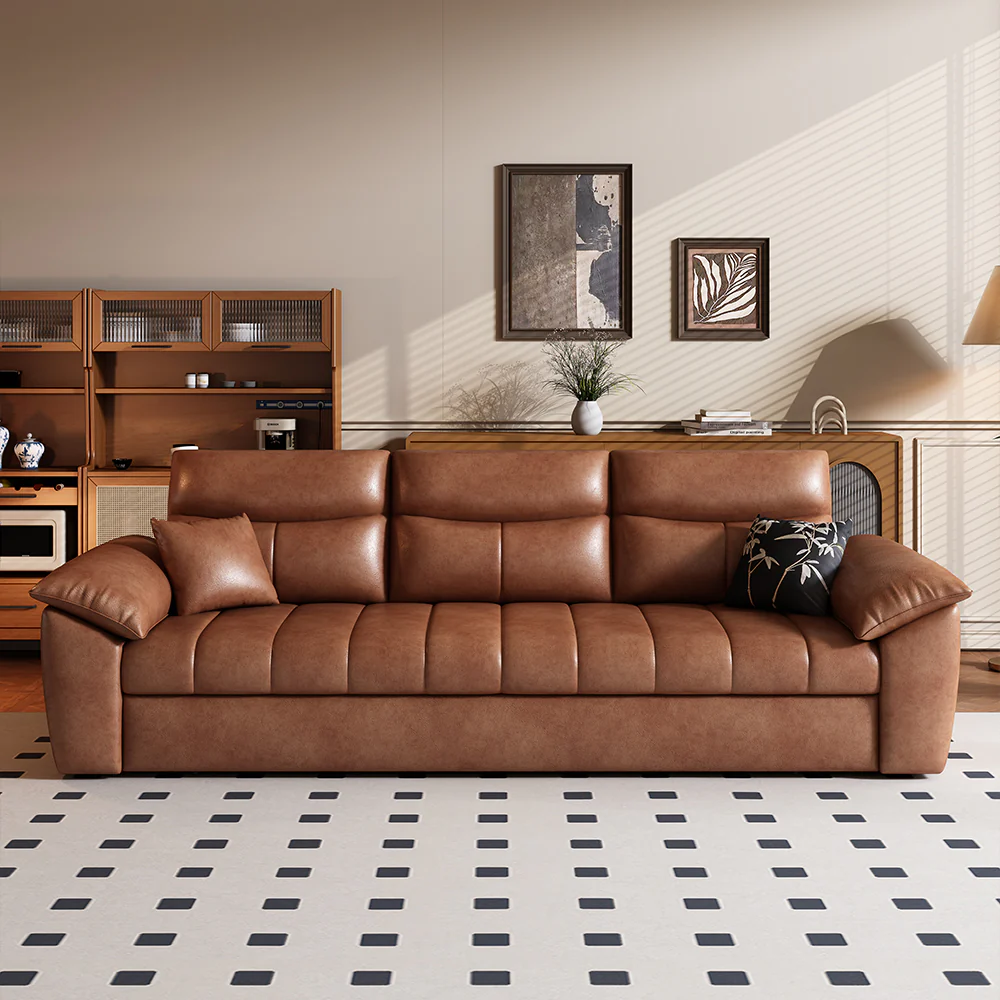
If you spend enough time in small-city apartments, a pattern begins to emerge. The living room is rarely just a living room. It’s where people work, eat, scroll, host friends, and sometimes sleep. And very often, it’s where the cat has already claimed a corner.
Put those pieces together — limited square footage, multipurpose seating, and a pet with sharp claws — and furniture starts to feel less decorative and more strategic.
Over the past few years, that strategy has quietly shifted toward durability.
Smaller Apartments Mean Furniture Works Harder
In compact apartments, a sofa bed isn’t backup furniture. It’s the main seat in the room. It carries daily weight, repeated folding and unfolding, coffee spills, laptop edges, and whatever else real life leaves behind.
Unlike larger homes, there isn’t always a separate guest room or secondary sitting area to absorb wear. Everything happens in one space. That means the sofa bed becomes one of the hardest-working pieces in the apartment.
And when one piece works that hard, weaknesses show up quickly.
The Cat Factor: Claws, Shedding, and Surface Stress
Add a cat to the equation, and the surface of that sofa bed becomes even more important.
Cats don’t scratch with malice; they scratch because texture invites them to. Woven fabric gives them grip. Soft upholstery holds onto loose hair. In smaller rooms where airflow is limited, odors linger longer. None of this is catastrophic — but it is cumulative.
For renters in particular, frequent replacement isn’t appealing. Nor is living with visible fraying along the arms of the one sofa in the room.
It’s not surprising that more shoppers are pausing before choosing upholstery. The question is no longer just “Does it look good?” It’s “Will it hold up?”
Why Material Is Becoming the Real Conversation
For a long time, fabric dominated apartment-friendly sofa beds because it felt warm and approachable. But over time, people started noticing patterns. Woven textiles can trap pet hair. They can absorb spills. Once threads begin to pull, the damage tends to spread.
That doesn’t mean fabric is inherently flawed. It simply behaves in predictable ways under stress.
This is where interest in the leather sofa bed category has started to reappear in smaller urban homes. Smooth surfaces don’t give claws much to catch onto. Hair sits on top rather than inside fibers. Cleaning often requires a wipe rather than a deep vacuum session.
It’s not about claiming that leather is immune to damage — it isn’t. It’s about acknowledging that in tight spaces with daily use and pets, certain materials may age more predictably than others.
From “Durable” to “Cat-Friendly Sofa”
What’s changed more recently is the language people use when searching. Instead of generic durability claims, shoppers are getting specific. Terms like cat friendly leather sofa reflect a shift from broad reassurance to targeted performance.
That specificity points to something interesting: people aren’t just worried about wear; they’re thinking about how their pet behaves.
Engineered faux leather has evolved in response. Some versions are backed with reinforced layers to reduce puncture risk. Others rely on tighter surface finishes that make it harder for claws to grip. For renters and urban households, faux leather can sometimes make more sense than natural leather, which varies in softness and grain.
The distinction matters less than the intent behind it. Buyers are actively looking for surfaces designed with real-life stress in mind.
A Case Example: Faux Leather Built for Compact Pet Homes
This shift becomes clearer when you look at how some brands are approaching design. Take Arrtle faux leather sofa bed. It doesn’t market itself as indestructible, nor does it lean solely on style. Instead, it integrates several apartment-relevant features at once: scratch-resistant faux leather upholstery, hidden storage beneath the seat, and a convertible structure that turns into a sleep surface when needed.
The emphasis is not theatrical transformation. It’s practical. In a small apartment, concealed storage can matter as much as surface durability. Bedding, pet blankets, or seasonal items need somewhere to go.
Products like this illustrate how the conversation has broadened. Durability, storage, and transformation are no longer separate concerns; they’re intertwined.
How People Are Researching Differently
Another subtle change is where these decisions are being made. Instead of relying entirely on in-store impressions, many shoppers now begin their search through an online furniture store, reading reviews, zooming in on upholstery textures, and filtering by material type.
Online research makes durability more visible. Customers share whether claws left marks. They mention how easily hair wipes away. They compare faux leather finishes. That kind of peer feedback didn’t always surface so clearly in traditional retail environments.
For apartment dwellers balancing tight budgets and high-use furniture, that transparency is reassuring. It shifts the buying process from guesswork to pattern recognition.
What This Really Reflects
Seen together, smaller apartments and steady pet ownership don’t just influence lifestyle; they shape furniture expectations.
Sofa beds, especially, sit at the center of that expectation. They need to host guests, support daily lounging, tolerate pet behavior, and often store extra linens — all within one footprint.
Durability is becoming less of a bonus feature and more of a baseline question. Not because people expect perfection, but because replacing a heavily used piece in a small apartment is inconvenient and expensive.
The growing attention toward leather and engineered faux leather options doesn’t signal the end of fabric. It signals a recalibration. In compact homes shared with cats, furniture isn’t merely aesthetic — it’s functional infrastructure.
And infrastructure, more than anything else, needs to hold up.
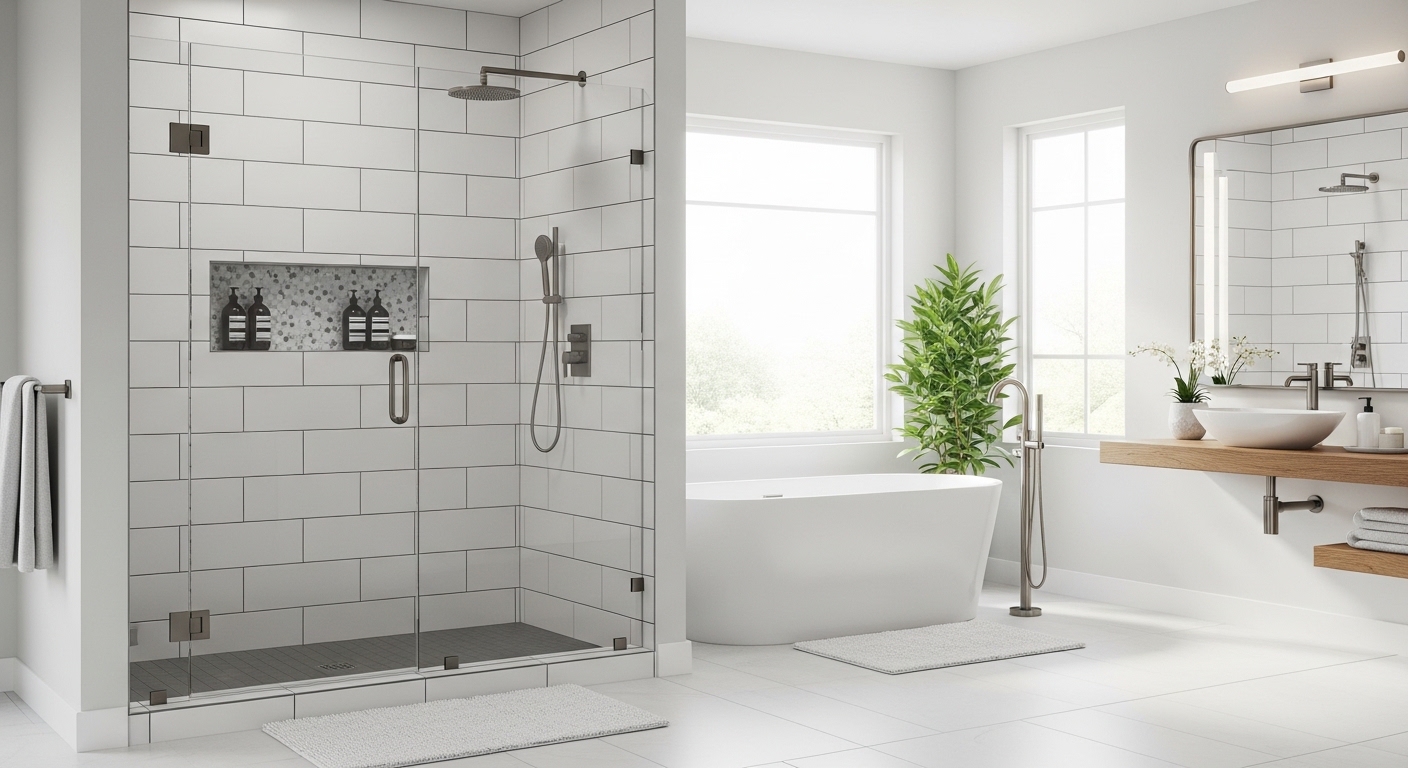
A glass shower door provides a sleek and sturdy enclosure that fits efficiently in many bathroom spaces. Features such as rainfall showerheads, thick tempered glass panels, and high-end fixtures create a minimalist design that enhances your bathroom’s modern style. Here are several ways glass shower doors can elevate your bathroom:
Amplifies Light Flow
For bathrooms with small windows, glass shower doors help the space appear brighter throughout the day. Their transparent panels allow the limited sunlight to pass freely into the shower area. The doors feature smooth, reflective panes that bounce light around the room; this illuminates bathroom areas that might otherwise remain dim.
Frameless enclosures further enhance this natural light flow. They eliminate the metal framing that sometimes blocks or interrupts light. Increased natural light creates a bright and comfortable bathroom environment, and it also enhances the space’s overall functionality.
Promotes Water Containment
Glass shower enclosures may feature durable, watertight seals that help provide superior protection against leaks. The enclosed environment created by these doors blocks splashes effectively, so the showering space stays dry and comfortable. Both frameless and framed glass doors form tight seals along the shower perimeter, which cause them to fit snugly against walls, floors, and bases. This helps prevent water from escaping, including during vigorous showers.
Tempered glass panels in shower enclosures may resist warping, sagging, and cracking, even under prolonged exposure to high water pressure. This durability helps maintain tight seals, and it promotes consistent water containment. Glass also dries relatively quickly, reducing residual moisture that can lead to leaks. Enclosures with features like low walls or splash panels further block water sprays, causing water to rebound inward and stay within the shower area.
For optimal water containment, have your glass shower door professionally installed to align precisely with thresholds and tracks. Properly aligned panels and accurate sealing create a reliable barrier against leaks. Enhanced water containment prevents floor spills, keeping bathrooms cleaner and safer while protecting the flooring from moisture damage. On wood, vinyl, or tile floors, glass shower enclosures may also help prevent issues like warping and grout erosion.
Enhances the Bathroom’s Ambiance
Elegant glass shower enclosures, combined with optimal natural light, help create a luxurious, spa-like atmosphere in your bathroom. Better illumination highlights premium fixtures and tiles, adding to the overall aesthetic. Tailored shower enclosures with textured or frosted glass panels provide privacy. This allows you to relax in a secluded space while still allowing diffused natural light to brighten the room. The absence of bulky frames in frameless glass shower enclosures adds a minimalist touch that further reinforces a high-end, spa-inspired look.
High-quality tempered glass enclosures may also sparkle when cleaned, enhancing the bathroom’s pristine, spa-like aesthetic. Their modern, sleek design pairs well with wood accents or natural stone. This helps create a cohesive look that unifies other contemporary elements in the space.
Simplifies Cleaning Routines
Glass shower enclosures have non-porous surfaces that help simplify bathroom maintenance. These surfaces may resist the buildup of stains and grime better than tiled surrounds or curtains. They have fewer spaces for mold, mildew, and soap scum to accumulate, and this makes them easier to wipe down and maintain a clean appearance.
Some modern glass shower enclosures also feature factory-applied protective coatings, which help reduce staining, corrosion, and residue buildup. Installing frameless enclosures simplifies the cleaning routine as well. These glass doors lack metal tracks and seals where dirt and grime can accumulate. Their effective water containment also helps protect floors from soap and shampoo splashes, reducing the need for frequent mopping.
Boosts Hygiene Standards
The non-porous surfaces of glass shower enclosures may prevent bacterial growth by blocking grime and moisture from seeping in. Sealed materials help keep the bathroom fresher for longer. Effective water and moisture containment also reduces dampness. This can lower the risk of mold and mildew on floors and walls, potentially preventing health issues from musty odors.
Install Glass Shower Doors Today
Glass shower doors enhance a bathroom’s aesthetic with their minimalist, elegant design. They also offer customizable options, such as configuration, opening style, and glass thickness, to help meet your visual preferences and functionality expectations. Work with a reputable glass and mirror company today to create a stylish, durable shower enclosure.
Creating a clean and inviting home environment can feel challenging, especially during the days between deep cleaning or professional visits. Fortunately, with a handful of smart strategies, you can keep your living space looking pristine every day without much stress. Habits and routines play a huge role in effortlessly maintaining a fresh home atmosphere. By using these practical ideas and leveraging resources like Sparkulous, you will find it easier to keep your home sparkling between cleaning sessions.
Small, consistent efforts go a long way toward maintaining order. You do not have to spend hours each day tidying up. Instead, chipping away at tasks a little at a time pays off big over the course of a week. By fostering a clean mindset and developing easy systems, you will see remarkable improvements in your living spaces. These approaches can reduce clutter, minimize stress, and give your home a welcoming feel for family and guests alike.
Establish a Daily Cleaning Routine
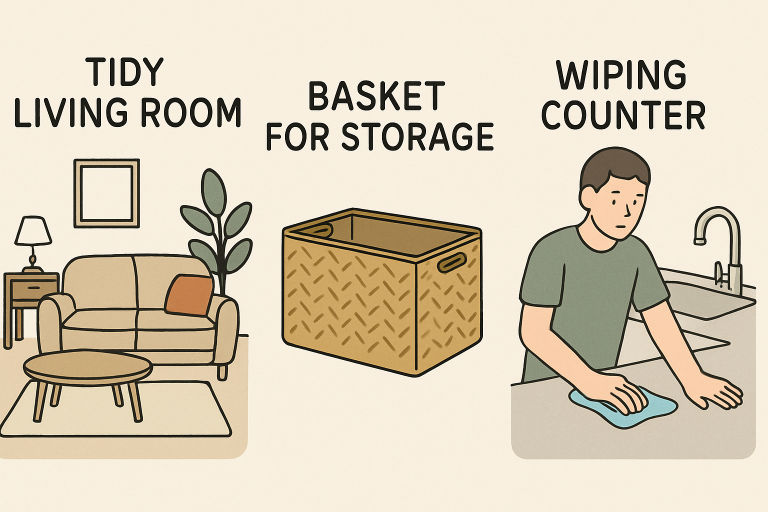
Maintaining a daily cleaning routine is the foundation of keeping your home sparkling. Choose a specific time each day, perhaps before bed or in the morning, to do a quick sweep of your most-used areas. Spending just 10 to 15 minutes wiping down kitchens and bathrooms, tidying the living room, or sweeping entryways can prevent messes from becoming larger problems. According to Martha Stewart, structuring your cleaning into simple, daily chunks helps avoid feeling overwhelmed and ensures your home always looks guest-ready.
Consistency is more effective than sporadic deep cleans. Focus your quick routine on high-impact spots. Clear kitchen counters, wash up any dishes from the night before, and put away shoes or coats that may clutter the entryway. These small efforts can make a significant impact on your home’s overall tidiness.
Embrace the “Clean as You Go” Philosophy
One of the best ways to minimize cleaning stress is by adopting the “clean as you go” philosophy. Every time you cook, meal prep, or use a shared space, take a few moments to tidy up. Wipe down kitchen counters and stovetops immediately after use. Wash dishes or load the dishwasher rather than letting items pile up. This approach keeps surfaces clear and messes small, making cleaning much less daunting in the long run.
Bathrooms can benefit enormously from quick daily attention. Run a disinfecting wipe over the sink and faucet, and use glass cleaner on any mirror smudges as you notice them. Not only does this habit save time later on, but it also helps prevent the buildup of grime and soap scum, making weekly cleanings faster and easier overall.
Utilize Smart Storage Solutions
Clutter is often the culprit behind a home that feels messy, even when it is technically clean. Introducing smart storage solutions makes it easier to keep your home tidy with minimal effort. Decorative baskets or bins on shelves, labeled containers in closets, and over-the-door organizers all help make the most of your available space. Store everyday items out of sight but within easy reach, encouraging everyone in your household to put things away as they use them.
Take time once a month to go through your personal belongings and discard or donate items you no longer need. This regular decluttering minimizes the amount of organization required throughout the week and keeps your storage systems running efficiently.
Set a Weekly Cleaning Schedule
While daily tidying is important, a weekly cleaning schedule helps prevent less-visible dirt and dust from accumulating. Assign each day of the week a specific set of chores, such as dusting on Mondays, vacuuming on Wednesdays, and cleaning bathrooms on Fridays. Breaking larger tasks into smaller pieces keeps the process manageable and helps prevent procrastination.
Try to include more thorough tasks, such as mopping hard floors, washing bed linens, and deep-cleaning kitchen appliances, on a rotating basis. By sticking to a consistent schedule, you will find it easier to stay on top of cleaning and avoid marathon sessions on the weekend. Involve your family by assigning age-appropriate tasks to share the workload and build teamwork.
Focus on High-Traffic Areas
Certain rooms and entryways require extra attention because they see the most foot traffic. Place sturdy doormats at every external door to trap dirt and moisture before it enters your home, and vacuum these areas at least twice a week. Wipe down handles and light switches frequently to reduce grime and germs. Bathrooms, which are both high-use and prone to moisture-related messes, especially benefit from regular, targeted cleaning.
Kitchen and dining spaces also require mindfulness, as crumbs and spills are common. Wipe surfaces promptly and make a habit of sweeping under tables and chairs after meals. These small steps prevent sticky situations from turning into stubborn stains or inviting pests.
Engage the Whole Family
Maintaining a sparkling home is a shared responsibility. Assigning specific chores to all household members, even young children, reinforces teamwork and makes the workload lighter for everyone. Create a simple chore chart to track tasks, allowing rotation to keep things fair. Delegation also fosters a sense of ownership and accomplishment within the family.
By consistently sharing the responsibility for keeping the house tidy, everyone is more likely to pitch in and keep personal areas neat. Each small contribution adds up to a tidy, harmonious environment that everyone can enjoy.
Leverage Technology for Assistance
Modern technology can help lighten the cleaning load. Robotic vacuums are excellent for keeping floors free of dust and debris, especially in busy households or homes with pets. Programmable washing machines and smart dishwashers streamline repetitive cleaning chores, saving time and energy. Many devices now offer scheduling features, allowing you to run them while you are out or overnight for added convenience.
Consider using digital reminders for recurring tasks or apps designed to help manage household chores. Technology-enhanced organization and cleaning can free up your time, reduce stress, and keep your home consistently neat with minimal manual input.
Use Quality Cleaning Tools and Products
The tools and products you use directly affect the efficiency and quality of your cleaning. Investing in high-quality cleaning equipment, such as a reliable vacuum, microfiber cloths, and a steam mop, ensures better results with less effort. Well-made cleaning products can break down grime faster and reduce physical labor. When possible, select eco-friendly and non-toxic cleaning supplies that protect both the household and the environment.
High-performance tools last longer, and using the correct tool for each task can make all the difference. Keep your favorites in an easily accessible cleaning caddy so you can quickly tackle anything that arises throughout the week.
Final Thoughts
By adopting these strategies and forming good habits, your home can remain consistently clean and welcoming, even between major cleaning sessions. The combination of prioritized routines, shared responsibility, smart technology, and efficient storage solutions will keep your living spaces sparkling. Small, everyday efforts add up to a dramatic improvement in your home’s appearance and comfort, giving you lasting peace of mind.

Homeowners in Rochester are paying closer attention to their property values in 2026 — whether they’re planning to sell, refinance, track equity, or simply understand their financial position. Free online home value estimators have become a popular first step, offering fast, data-driven insights with just an address. While these tools can be incredibly helpful, understanding how they work — and where they fall short — is key to using them wisely.
1. How Free Online Home Value Estimators Work
Free online home value estimators rely on automated valuation models (AVMs), which use algorithms and large datasets to calculate a home’s estimated market value. These models analyze public records, tax data, recent sales, MLS information (when available), market trends, and user-provided property details.
The result is an instant estimate designed to give homeowners a general pricing snapshot — not a formal appraisal or final sale price.
2. Why Rochester-Specific Data Matters
Rochester’s housing market has unique characteristics that heavily influence automated estimates. Local sales activity, neighborhood turnover, and pricing patterns vary widely between areas like Irondequoit, Brighton, and the city core.
AVMs perform best when there’s a strong pool of recent comparable sales nearby. In Rochester, neighborhoods with consistent transaction volume tend to produce more reliable estimates than areas with fewer recent sales or highly varied home styles.
3. Seasonal Shifts and Local Market Conditions
Rochester’s seasonality plays a meaningful role in valuation accuracy. Spring and early summer typically see higher buyer demand and more active listings, which improves the freshness of sales data used by AVMs.
Winter slowdowns, common in upstate New York, can result in less recent pricing data — increasing the chance that an estimator relies on older comps that don’t reflect current demand. This is one reason estimates may fluctuate throughout the year.
4. Older Housing Stock and Unique Home Features
Many Rochester homes were built decades ago, and that history adds complexity to automated estimates. Renovations, deferred maintenance, finished basements, updated systems, or unique architectural details are often invisible to public data unless homeowners manually update details.
AVMs tend to struggle with homes that don’t closely match nearby comparables, making estimates less precise for properties with distinctive layouts or upgrades.
5. Popular Free Estimators and What They Do Well
In 2026, homeowners have access to several well-known estimation tools, each with its own strengths and limitations:
- Some platforms emphasize recent sales and owner-input condition data
- Others aggregate multiple valuation models to show a broader range
- Several tools disclose error rates and historical value trends
- Certain estimators allow manual updates to test remodel scenarios
Testing multiple tools often reveals noticeable differences — sometimes tens of thousands of dollars — even for the same property. This variation reinforces that no single estimator should be treated as definitive.
6. Understanding Accuracy and Error Rates
Accuracy varies depending on whether a home is on or off the market. On-market homes generally have lower median error rates, while off-market estimates tend to be less precise due to limited interior data and stale pricing inputs.
Across platforms, estimates may miss:
- Recent renovations
- Property condition issues
- Rapid market shifts
- Hyper-local neighborhood influences
That’s why a free online home value estimator should be viewed as a starting point rather than a pricing authority.
7. When Automated Tools Aren’t Enough
AVMs can’t replace local expertise. A real estate agent’s comparative market analysis (CMA) accounts for nuances that algorithms can’t fully capture — including buyer behavior, neighborhood momentum, and current competition.
This human layer is especially valuable when homeowners are preparing for major financial decisions such as listing, refinancing, or equity planning.
8. How Value Estimates Connect to Selling Options
Understanding your home’s estimated value is essential when weighing different selling paths. Some Rochester homeowners explore traditional listings, while others consider alternatives like We Buy Houses in Rochester companies for speed and convenience.
Cash buyers often prioritize simplicity and quick closings over market-maximizing prices, making it critical to understand your home’s approximate open-market value before comparing offers.
Conclusion
Free online home value estimators play an important role in today’s real estate landscape, offering fast, accessible insights powered by AI and large datasets. In Rochester, factors like seasonality, older housing stock, and neighborhood variability can influence how accurate those estimates are.
The smartest approach in 2026 is to use multiple estimators to identify a realistic value range — then pair those insights with local expert guidance. When used together, technology and human expertise give homeowners the clarity they need to make confident, informed decisions.
-

 Blog2 weeks ago
Simpcit6: Redefining Simplicity in a Complex World
-

 Technology5 months ago
YourAssistantLive com: The Future of Smart Digital Assistance
-

 food5 months ago
Calamariere: How to Perfectly Prepare at Home
-

 Blog5 months ago
Baddi Hub: An Emerging Industrial and Business Hotspot
-

 Health4 months ago
Nerovet AI Dentistry: Enhancing Patient Experience and Treatment Outcomes Dental Care
-

 Technology2 weeks ago
Voomixi com: The Digital Platform Redefining Online Interaction
-

 Crypto5 months ago
Crypto30x.com vs Other Crypto Sites – Best Bitcoin Tools?
-

 Lifestyle2 weeks ago
Pyjamaspapper: The Ultimate Blend of Comfort and Style in Sleepwear