
Health
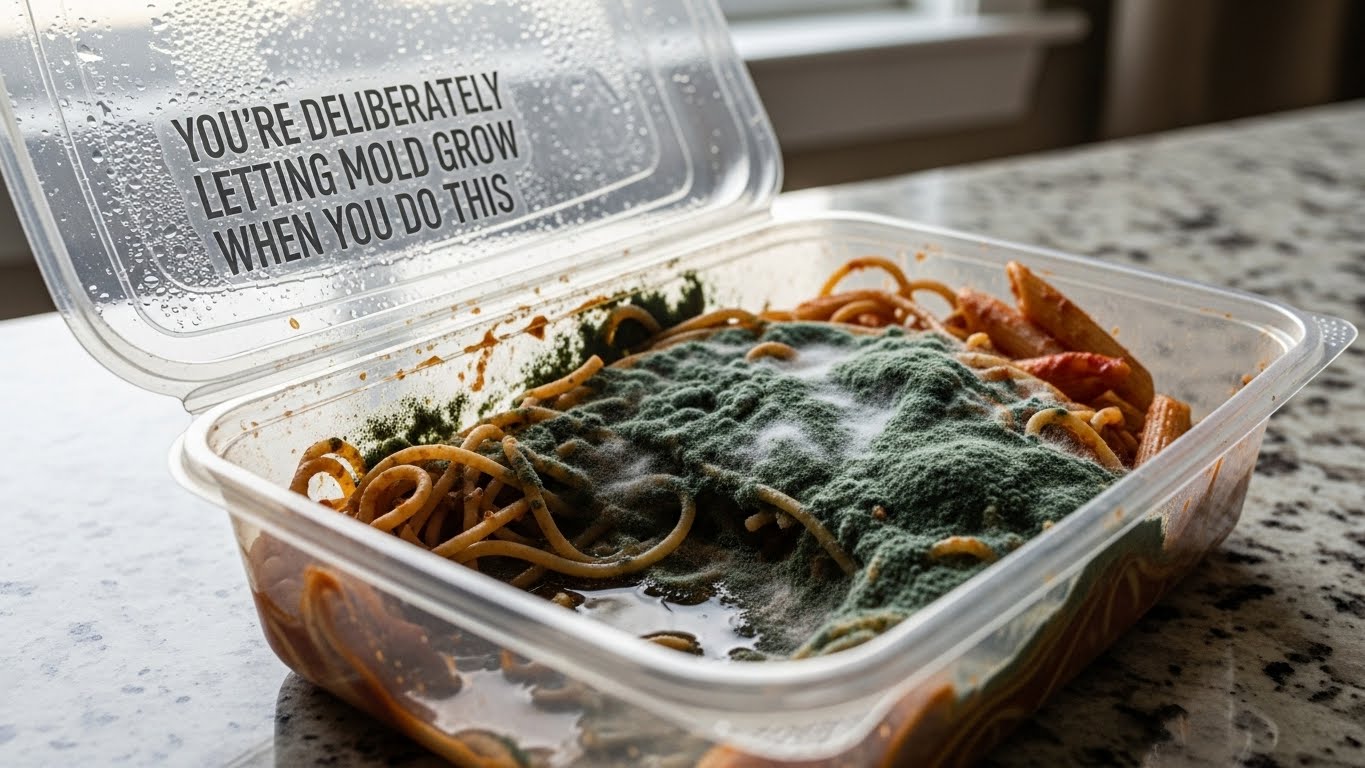
You’re Deliberately Letting Mold Grow When You Do This

For many, the bathroom is a place that means “relax” at home.
A nice warm bath or just a refreshing shower is enough to wash off a long day.
Washing your hair, accompanied by your skincare routine with some music, maybe even candles, sometimes is a great Friday plan.
So what happens? After using the bathroom, you’re tired, and you don’t want to pick everything up. “I’ll clean up tomorrow,” you say, and leave your towel on the floor, all the products you used are wet, and the walls have water running down.
That is a huge mistake.
By the time you wake up tomorrow, mold might already be growing in your bathroom. It takes around 24 to 48 hours for mold to grow in damp conditions.
You might think it is not a big deal, but mold and moisture are both related to an increase in respiratory issues in the US.
Moreover, mold causes structural damage. Fixes because of mold can be expensive, and mold invasions can decrease the value of your property as well.
When homeowners want to get rid of mold in the bathroom, the problem is usually bigger than what they can see on the surface.
When mold expands and gains territory, it becomes more difficult to eliminate it effectively.
Because of that, here are some reasons why mold grows in the bathroom and how to prevent it before it’s too late.
Causes of Mold Growth in Bathrooms
Condensation and humidity provide an ideal place for mold to proliferate, so it is not strange that this fungus is frequently present in bathrooms or kitchens.
There are several things in your bathroom that contribute to mold growth, and you don’t even notice:
- Lack of ventilation: Moisture is the basic ingredient for mold to grow, and that’s why your bathroom is an excellent place for it. When the flow of air is not sufficient to eliminate dampness, mold finds its way into your bathroom.
- Wet bath items: Water accumulation under shampoo bottles, sponges, and brushes provides an excellent environment for mold to grow.
- Poor cleaning: Another reason for mold to grow in your bathroom is poor cleaning. The accumulation of organic matter and moisture, plus using inappropriate products and neglecting mats or curtains, propel mold growth.
So, every time you let drops of water on the walls, or you leave the wet towels in the bathroom, you increase the chances of mold development in your lovely bathroom.
Usually, people let this room dry on its own, but when ventilation is not good, if you don’t open windows, and if there are high humidity levels, it takes more time to dry, or it might not dry completely, making room for mold to grow.
Tips to Reduce and Eliminate Mold
If you want to reduce the possibilities of mold problems in your bathroom, go over these key steps and recommendations.
- Ensure Ventilation: Ventilation is necessary to reduce moisture. Open windows to allow air in and dry the bathroom. For windowless bathrooms, fans and dehumidifiers are good options to remove humidity.
- Reduce Water Accumulation: Use squeeges to dry the remains of water after baths and showers. Check for broken pipes or leaks as well, especially under vanities, and fix them immediately.
- Remove Wet Items: After use, take out towels, sponges, and bottles, and remove water buildup. Wet curtains and other bath clothes also promote mold, so remember to wash and dry them properly.
- Clean Thoroughly: Use anti-fungal products and select products that don’t damage the surfaces in your bathroom.
By following these tips, the opportunities of mold growing in your bathroom decrease, and with it, the chances of health issues and structural problems as well.
Don’t Let Mold Take Over Your Bathroom
When you use your bathroom, you should be able to enjoy it, relax, take that moment to be present, and take care of yourself.
But when mold grows in your bathroom, it can quickly turn into a problem, especially if you have children, or you are allergic or have immune issues, as mold can trigger allergies, asthma, or other respiratory problems.
Mold also poses a risk to the structural integrity of your bathroom. I’m not talking of some little black stains, but of a huge invasion behind your walls and ceiling if you ignore its presence.
Don’t let a mold issue destroy your bathroom, and start preventing mold growth today with the recommendations in this post.


Watching a parent or loved one struggle with memory loss is one of the most emotionally complex experiences a family can face. The moments of confusion, the repeated questions, the gradual shift in personality—it’s painful in ways that are hard to put into words. But here’s something families across Crown Point, Indiana, are discovering: the right memory care environment doesn’t just manage the condition. It restores dignity, routine, and even joy.
That’s exactly what Two Hearts Home For Seniors was built to do.
When families search for memory care facilities near me, they’re rarely just looking for a bed and a medication schedule. They’re looking for a place that genuinely understands what dementia and Alzheimer’s do to a person—and to a family. They want caregivers who don’t just follow a protocol but who actually see their loved one as an individual. Two Hearts Home For Seniors offers exactly that kind of care.
Memory Care That Goes Beyond the Basics
Many memory care facilities offer a standard set of services: meals, medication management, and some structured activities. Two Hearts Home For Seniors takes a different approach—one rooted in the belief that every resident carries a lifetime of experiences, relationships, and personality traits worth honoring.
Memory loss doesn’t erase who a person is. It changes how they express themselves. Skilled memory care means learning to meet residents where they are, not where their diagnosis suggests they should be. The team at Two Hearts Home For Seniors is trained to do precisely that—reading behavioral cues, building trust over time, and creating moments of genuine connection throughout the day.
This is the kind of care that families notice. Not in brochures or checklists, but in the small details: a caregiver who remembers that a resident used to love gardening, or one who knows exactly how to redirect anxiety into calm. These details are the difference between a facility that houses people and one that genuinely cares for them.
A Setting Designed for Comfort and Safety
The physical environment matters enormously in memory care. Disorientation is a daily reality for many residents, and a poorly designed space can heighten agitation, confusion, and distress. Two Hearts Home For Seniors has been thoughtfully arranged to minimize those triggers.
Clear, familiar layouts help residents navigate with confidence. Comfortable common spaces encourage social connection without overwhelming stimulation. Private and semi-private rooms offer a personal retreat where residents can keep meaningful belongings close—photos, familiar furniture, items that anchor them to who they are.
Safety features are built in without feeling clinical or institutional. Families searching for memory care facilities near me often worry about that sterile, hospital-like atmosphere. Two Hearts Home For Seniors feels like home because it was designed to.
Structured Days, Meaningful Moments
Routine is one of the most powerful tools in memory care. When a day has a predictable rhythm, it reduces anxiety and creates space for positive experiences. At Two Hearts Home For Seniors, daily schedules are built around activities that are engaging, purposeful, and adapted to each resident’s abilities and interests.
Music therapy, light movement, creative expression, and social time aren’t just ways to fill hours—they’re evidence-based approaches that support cognitive function and emotional wellbeing. Residents who might struggle to hold a conversation can still sing along to a song they’ve known for decades. That kind of connection is powerful, and it happens every day at Two Hearts.
Families who visit often comment on the atmosphere—calm but not quiet, structured but not rigid. There’s warmth in the hallways that’s hard to manufacture. It comes from a team that shows up every day with genuine purpose.
What Families Experience When They Choose Two Hearts
The decision to move a loved one into memory care is rarely easy. Guilt, grief, and uncertainty tend to travel alongside it. What families at Two Hearts Home For Seniors consistently find is that those feelings begin to ease once they see the level of care their loved one receives.
Regular communication keeps families connected and informed. Updates on daily well-being, changes in health status, or simply how a resident spent their afternoon—families aren’t left wondering. That transparency builds trust, and trust makes the transition manageable.
Visiting is encouraged. The team at Two Hearts understands that family relationships are essential to a resident’s sense of identity and belonging. A familiar face, a shared meal, a walk around the garden—these visits carry real therapeutic value and are welcomed warmly.
Personalized Care Plans That Evolve
Memory conditions progress differently in every individual. A care plan that works well in the early stages may need adjustment months later. Two Hearts Home For Seniors builds care plans around the person, not just the diagnosis—and reviews them regularly to ensure they stay relevant.
This means families aren’t navigating sudden changes alone. The team proactively communicates when adjustments are needed and works collaboratively with families to make decisions that reflect the resident’s values and preferences. That partnership is one of the most important things Two Hearts offers.
A Community Built on Trust
Crown Point, Indiana, is a community that values connection and care. Two Hearts Home For Seniors reflects those values in everything it does. The staff-to-resident ratio is kept intentionally high so that each person receives attentive, personalized support. Staff turnover is low—a meaningful indicator that the people working there feel valued and invested in their work.
Consistency matters in memory care. Familiar faces reduce anxiety and build the kind of trust that allows residents to feel genuinely safe. Families notice when the same caregivers show up day after day, and so do the residents.
Finding the Right Fit
Searching for memory care facilities near me is the first step. Visiting, asking questions, and observing are the next steps. At Two Hearts Home For Seniors, families are always welcome to tour the facility, meet the team, and get a real sense of what daily life looks like for residents.
No brochure can replace an in-person visit, and no checklist can fully capture what it feels like to walk into a place and sense that your loved one would be genuinely cared for here.
Peace of Mind Starts Here
Memory care facilities near me should connect families with communities that provide specialized support, safety, and personalized care designed for seniors with memory challenges, while giving peace of mind to their loved ones. Choosing memory care for a family member is one of the most important decisions you will make. It deserves thoughtful consideration, open and honest conversations, and a facility that demonstrates trustworthiness through consistent, compassionate care, meaningful engagement, and a nurturing environment every day.
Two Hearts Home For Seniors has built its reputation on exactly that. For families in Crown Point and the surrounding area, the search for quality memory care doesn’t have to be overwhelming—because the right answer may already be close to home.
Reach out to the Two Hearts Home For Seniors team today to schedule a tour and learn more about how they support residents and families through every stage of the memory care journey.
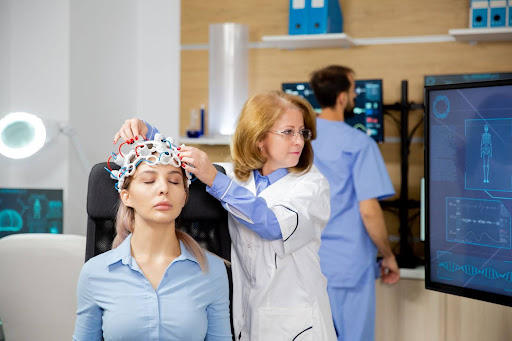
To be honest, the majority of individuals outside the medical field are unaware of what an EEG technician is. It’s not one of those glamorous medical professions that are discussed at dinner parties or seen in TV dramas. But if you’ve ever had a neurologist order a brain scan to check for seizures, sleep issues, or head trauma, there’s a good chance an EEG tech was the one running that equipment behind the scenes.
And right now, hospitals can’t seem to hire enough of them.
What’s going on with the demand?
A couple of things are happening at once. Neurological conditions — think epilepsy, Alzheimer’s, chronic migraines — are showing up at higher rates, partly because the global population is getting older, and partly because diagnostic tools have gotten better at catching things that used to go unnoticed. The World Health Organization has been flagging this for years. More diagnoses means more tests, and more tests means somebody’s got to run the machines.
On top of that, EEG technology itself has changed a lot. The equipment used to be bulky and limited to hospital settings. Now there are portable systems being used in ERs, outpatient clinics, even remote monitoring programs where patients wear devices at home. Every one of those settings needs a trained technologist to handle the recordings and make sure the data is clean enough for a neurologist to read.
The Bureau of Labor Statistics backs this up. Roles in diagnostic technology are growing faster than the national average, and EEG sits right in the middle of that trend. Some hospitals are throwing in signing bonuses just to fill open positions. That should tell you something.
Getting certified isn’t exactly a walk in the park
Here’s the thing people don’t always realize — you can’t just apply and start working. Most employers want candidates who’ve completed an accredited program and passed a national certification exam. The test itself covers electrode placement, montage selection, recognizing artifacts in recordings, patient safety, and a bunch of other clinical specifics that you really do need to know.
I’ve talked to a few people who went through the process, and the ones who passed on their first attempt all said the same thing: they didn’t just read textbooks. They spent weeks grinding through EEG practice tests for exams that mirrored the real thing. That kind of hands-on repetition builds a different type of confidence than passive studying ever could.
There’s actually a decent number of practice tests online now compared to even a couple of years ago. Some are basic flashcard-style questions, others are timed simulations that feel pretty close to sitting in the actual testing center. The timed ones tend to help more, in my experience talking to recent test-takers, because pacing is half the battle when you’re staring at 100+ questions under a clock.
If you’re just starting out and want to test the waters before committing to a paid prep course, grabbing a practice test free of charge is a smart first move. Several platforms let you try a sample set to see where you stand. No sense paying for a full course if you realize the field isn’t clicking for you, right?
So is it actually worth pursuing?
Short answer — yeah, probably. The pay is solid for a role that doesn’t require a four-year degree. Most accredited programs run about two years, some even less. You get to work directly with patients, the job has real clinical weight to it, and the demand curve doesn’t show signs of flattening out anytime soon.
It’s one of those rare healthcare paths where the barrier to entry is manageable but the ceiling keeps rising. If you’ve got steady hands, genuine curiosity about how the brain works, and enough discipline to buckle down for a certification exam, this might be exactly the kind of career pivot worth looking into.
Just don’t skip the prep work. The people reading your EEG results are making real decisions about real patients — and that starts with you knowing your stuff before you ever touch the equipment.
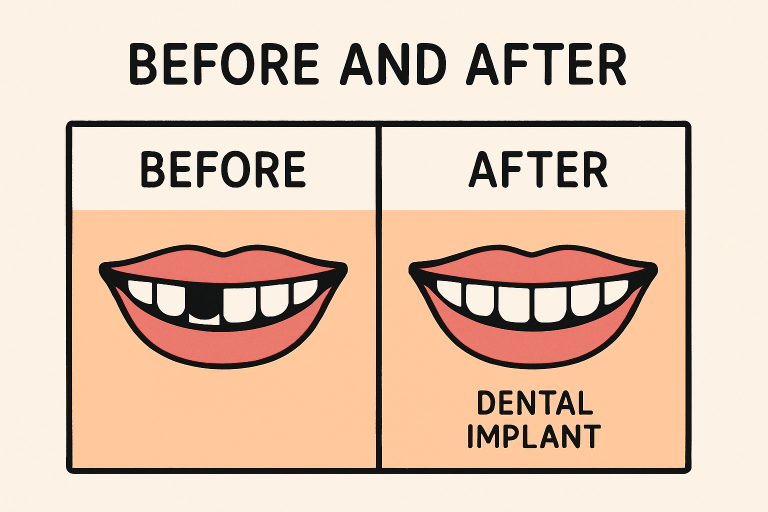
Dental implants have revolutionized restorative dentistry, providing reliable and aesthetically pleasing solutions for individuals with missing teeth. Through ongoing innovation, modern implant techniques deliver excellent function and natural appearance, allowing patients to regain confidence in their smiles while improving oral health. Specialists at the Pikos Institute and other leading centers continue to advance the field by embracing cutting-edge implant technology.
The latest advancements in dental implantology have streamlined procedures and outcomes for both dentists and patients. Today, patients benefit from faster recovery periods, immediate functional results, and reduced discomfort thanks to highly precise approaches and state-of-the-art materials. These techniques are tailored to address various oral health needs, delivering transformative results not achievable with traditional methods.
Same-Day Dental Implants: Immediate Results
Historically, dental implant therapy involved multiple steps and extended healing intervals, often requiring months before the final prosthesis could be attached. This lengthy process posed a challenge for many patients, particularly those seeking rapid results after tooth loss. Thanks to developments in implant design and surgical protocols, same-day dental implants are now achievable for suitable candidates. This technique enables patients to enter a dental clinic with gaps in their smile and leave hours later with fully functional teeth.
The same-day approach minimizes disruptions to a patient’s schedule and lifestyle, as there is less waiting and fewer visits. Additionally, immediate implant placement often helps preserve bone structure and gum tissue, which are critical elements in achieving a natural-looking outcome. According to the American Society of Implant & Reconstructive Dentistry, this innovation greatly enhances the patient experience and helps maintain oral health after tooth loss.
Stent-Based Techniques: Precision in Smile Makeovers
Composite smile makeovers once required meticulous, time-consuming application processes that were heavily dependent on a dentist’s manual skill. Stent-based techniques have transformed this landscape. By leveraging stents with built-in tooth separators, practitioners can apply composite material to multiple teeth simultaneously, ensuring uniformity and symmetry. This not only saves valuable chair time but also improves the consistency and quality of the final results. The precision supported by these devices empowers dentists to create beautifully natural smiles more efficiently than ever before.
Patients benefit through shorter appointments and more predictable outcomes. Especially when targeting aesthetic enhancement across multiple teeth, this technology offers an effective path to achieving a harmonious, radiant smile.
All-on-4 Implants: Full-Arch Restoration with Fewer Implants
For patients with significant tooth loss or diminished bone volume, the All-on-4 technique provides a revolutionary solution. In this method, four implants are strategically placed at angles within the jaw to anchor a full-arch prosthesis. Unlike conventional implants, which often necessitate bone grafting where bone is lacking, All-on-4 can typically be performed without such supplementary procedures. This approach leverages available bone, using precise placement for maximum stability and support.
The immediate loading protocol allows most patients to receive a full set of teeth on the same day as surgery, greatly improving quality of life and self-esteem. The streamlined process is an attractive option for those seeking comprehensive rehabilitation with minimal surgical intervention. According to the American Society of Implant & Reconstructive Dentistry, innovations like All-on-4 have dramatically expanded options for those in need of complete dental restoration.
Root-Analogue Implants: Custom-Fit Solutions
Traditional cylindrical implants may not always provide an ideal fit, particularly when the root anatomy is unique or irregular. Root-analogue implants are designed as custom replicas of the extracted tooth root. Manufactured using exact digital impressions or scans, these implants are placed directly into the tooth socket after extraction for a seamless, anatomical fit. Because they closely mirror the original root, surgical trauma is reduced, and healing is often faster, with better integration into the surrounding bone.
These bespoke solutions are especially useful for patients with unique biological needs or when function and aesthetics must closely match the patient’s natural dentition.
Osseointegration: The Foundation of Implant Success
The cornerstone of dental implant longevity and performance is osseointegration, the process in which bone tissue securely bonds to the implant’s surface. Without proper osseointegration, implants may fail to achieve the necessary stability for daily function. Advances in surface technology, such as improved surface texturing and biomimetic coatings, have significantly enhanced the rate and quality of osseointegration. As materials and design standards evolve, modern implants are setting new benchmarks for durability and comfort.
Thorough understanding and application of osseointegration principles ensure the predictability and success of even the most complex restoration cases, thereby increasing patient satisfaction for years to come.
Final Thoughts
Dentistry’s continuous evolution has ushered in an era where rapid, effective, and natural-looking dental restorations are accessible to more people than ever. From same-day implants to highly individualized root-analogue solutions, these advanced technologies prioritize patient comfort and deliver unmatched functional and aesthetic results. By embracing precision methods and understanding the biological foundation of implant success, professionals are transforming the landscape of restorative dentistry and empowering individuals to reclaim their oral health and confidence.
-

 Blog3 weeks ago
Simpcit6: Redefining Simplicity in a Complex World
-

 Technology5 months ago
YourAssistantLive com: The Future of Smart Digital Assistance
-

 food5 months ago
Calamariere: How to Perfectly Prepare at Home
-

 Blog5 months ago
Baddi Hub: An Emerging Industrial and Business Hotspot
-

 Health4 months ago
Nerovet AI Dentistry: Enhancing Patient Experience and Treatment Outcomes Dental Care
-

 Technology3 weeks ago
Voomixi com: The Digital Platform Redefining Online Interaction
-

 Crypto5 months ago
Crypto30x.com vs Other Crypto Sites – Best Bitcoin Tools?
-

 Lifestyle3 weeks ago
Pyjamaspapper: The Ultimate Blend of Comfort and Style in Sleepwear