
HomeImprovment
Why Your Walls Deserve an Artist’s Touch: The Impressions Painting Difference


Every home tells a story. It’s written in the scuff marks in the hallway where kids learned to walk, the faded patch in the living room where the sun hits every afternoon, and the color of the kitchen walls where family dinners happen. But sometimes, that story needs a new chapter. Maybe the beige that felt safe five years ago now feels tired. Maybe the exterior is showing the wear of too many harsh winters. Or perhaps you’ve just moved in, and the walls are a blank canvas waiting for your personality.
Changing the color of your home is one of the most personal and impactful renovations you can undertake. It shifts the mood, alters the light, and redefines the space. Yet, so often, homeowners view painting as a chore to be endured or a quick weekend DIY project that ends in uneven lines and frustration.
At Impressions Painting, we see things differently. We believe that painting isn’t just about covering a surface; it’s about creating an atmosphere. It’s about precision, care, and the kind of transformative power that turns a house into a dream home. When you choose a professional service, you aren’t just paying for labor; you are investing in a vision.
The Psychology of Color in Your Living Space
Before a brush even touches the wall, the transformation begins with color selection. It’s fascinating how profound an impact a simple hue can have on your daily life. Color psychology isn’t just a buzzword; it’s a real factor in how you experience your home.
Soft blues and greens in a bedroom can lower blood pressure and induce sleep. Vibrant yellows in a kitchen can spark energy and appetite. Deep, moody charcoal or navy in a study can encourage focus and introspection. However, finding the exact shade that works with your lighting and furniture can be daunting.
This is where the expertise of Impressions Painting shines. We don’t just hand you a fan deck and wish you luck. We understand the nuances of undertones—why that “perfect white” might look pink in the morning light or gray in the evening shadow. Our team helps navigate these choices, ensuring the color you fall in love with on the swatch is the color you love on your walls.
Beyond the Brush: The Art of Preparation
The secret to a flawless finish isn’t actually the painting itself. It’s the preparation. This is the step most often rushed by amateurs and budget contractors, yet it is the foundation of quality work.
Think of your walls like a canvas. If the canvas is rough, dirty, or cracked, the masterpiece will suffer. Our process at Impressions Painting is rigorous. We meticulously inspect surfaces for imperfections. Drywall cracks are repaired, nail holes are filled and sanded flush, and rough patches are smoothed out. We protect your floors, furniture, and fixtures with the same care we would our own.
We understand that inviting contractors into your home requires trust. You are giving us access to your private sanctuary. That is why our prep work extends to respect for your space. We maintain a clean work environment, minimizing dust and disruption. When we leave at the end of the day, the only evidence of our presence should be the progress on your walls, not a mess on your floor.
Exterior Excellence: Curb Appeal and Protection
While interior painting is about mood, exterior painting is about protection and pride. Your home’s exterior faces a constant barrage of elements: UV radiation, rain, wind, and fluctuating temperatures. Over time, paint creates a shield against these forces. When that shield fails, moisture can seep in, leading to rot, mold, and structural damage.
Impressions Painting approaches exterior projects with a focus on longevity. We know that the key to a long-lasting exterior job lies in using premium products suited for the specific climate and surface material. Whether it’s stucco, siding, brick, or wood trim, we utilize coatings designed to flex with temperature changes and resist fading.
But let’s not forget the aesthetic value. A fresh coat of exterior paint offers the highest return on investment of almost any home improvement project. It instantly boosts curb appeal. Whether you are looking to sell or just want to be the envy of the block, a crisp, professional exterior paint job signals that a home is well-loved and well-maintained.
The Impressions Painting Standard
In an industry often plagued by horror stories of no-show contractors and sloppy finishes, Impressions Painting stands apart through reliability and craftsmanship. We aren’t just painters; we are trade professionals who take immense pride in our work.
Precision Cutting and Rolling
Have you ever looked closely at the line where the wall meets the ceiling? In a DIY job, it’s often wavering or bleeding over. In an Impressions Painting job, it is razor-sharp. Our painters have the steady hands and experienced techniques required for perfect “cutting in.” We ensure consistent texture with our rolling, avoiding the dreaded roller marks or uneven sheen that screams “amateur.”
Premium Materials
We believe that quality labor deserves quality materials. We partner with top-tier paint manufacturers to ensure vivid pigment, excellent coverage, and durability. Cheap paint might save a few dollars upfront, but it often requires more coats and fails sooner. We use products that scrub clean easily and hold their color for years, providing you with better value in the long run.
Timeliness and Communication
Renovations can be stressful. We aim to take the stress out of the equation. From the initial estimate to the final walk-through, we prioritize clear communication. We stick to schedules. If we say we will be there at 8 AM, we are there at 8 AM. We provide realistic timelines for project completion so you can plan your life accordingly. No guessing games, just professional service.
Commercial Spaces: Painting for Success
Our expertise isn’t limited to residential properties. Impressions Painting also serves the commercial sector. We understand that for a business, appearance is everything. A scuffed, dated lobby sends the wrong message to clients. A bright, freshly painted office boosts employee morale and productivity.
Commercial painting requires a different set of logistics. We know that downtime is lost revenue. That’s why we offer flexible scheduling to work around your business hours, ensuring minimal disruption to your operations. Whether it’s a retail space, an office complex, or a hospitality venue, we deliver commercial-grade durability with a designer’s touch.
Why Choose Impressions Painting?
There are plenty of painters out there. You could find a handyman on a community board or try to tackle it yourself next Saturday. But if you want a result that elevates your home, protects your investment, and brings you joy every time you walk into the room, you need a specialist.
Impressions Painting offers:
- Detailed Consultations: We listen to your needs and vision.
- Transparent Pricing: No hidden fees or surprise upcharges.
- Skilled Craftsmanship: A team of experienced, dedicated painters.
- Cleanliness and Respect: We treat your property with the utmost care.
- Satisfaction Guarantee: We aren’t finished until you are happy.
A New Look Awaits
Impressions Painting delivers expert craftsmanship and flawless finishes that enhance your home’s beauty and value. Professional painting transforms your walls with precision and care, ensuring your personal haven looks its best while protecting your most significant investment.
Don’t let faded walls or outdated colors dull your daily experience. Refreshing your space is easier than you think when you have the right partner. Let us help you reimagine your surroundings. From the first drop cloth to the final brush stroke, Impressions Painting is dedicated to bringing your vision to life with vibrant color and impeccable quality.
Reach out to us today for a consultation. Let’s create a lasting impression together.

Kitchen remodeling is one of the best investments you can make in your home to enhance its value and improve its comfort and use. These are spaces that are used on a regular basis, and a renovation in these areas will give you a great return on investment, whether you’re looking to sell your home or just want to make a few improvements to your living area. The kitchen are typically the best areas to begin home remodeling in Houston, TX.
Increase Your Home’s Market Value
The first areas buyers check out of a property are the kitchen. Furnishings, renovations, and energy-efficient fixtures will help make a home more appealing and can add a lot to the value of a home.
While you may not be looking to put your home on the market, these improvements will keep your home competitive in a busy real estate market in Houston.
Improve Daily Functionality
Remodeling isn’t only about the look; it’s about how your home functions for you. An overhaul of the kitchen can offer more storage and better planning, as well as better equipment to allow more fun in cooking and entertaining.
Enhance Energy Efficiency
Energy-efficient appliances, LED lighting, water-saving fixtures, and enhanced insulation are common features in modern renovations. These enhancements can also save on your utility costs and make your home more eco-friendly.
Efficient ventilation systems and replacing old plumbing fixtures may also enhance long-term performance and reduce maintenance costs.
Customize Your Living Space
Each family is different. Homeowners can remodel their kitchens to reflect their lifestyles and tastes, from layouts to cabinets, countertops, flooring, and fixtures.
Remodeling offers you all the control over the look and performance of your home, from a trendy design to a classic one to a luxurious one.
Address Aging Features and Repairs
The cabinetry, floors, plumbing, or electrical systems may be worn or outdated in older homes. Remodeling is a chance to upgrade outdated materials before they turn into a big expense.
Solving these problems during the renovation helps to enhance the safety of the building and its durability, as well as to prevent future costly emergency repairs.
Maximize Return on Investment
Renovations to the kitchen are always one of the best-performing home improvement projects. When executed properly, these improvements will sell, and that too quickly; they will draw in buyers and enhance the value of the property.
The use of quality materials and professional craftsmanship further enhances the long-term value of your investment.
Why Work with Professionals?
For a successful remodeling project, one needs to be careful about planning, skill, and details. A professional remodeling contractor can assist homeowners in creating a functional and long-lasting layout, finding high-quality materials, and managing budgets, as well as ensuring that all parts of the home renovation adhere to local building codes.
Professional advice also eliminates delays, prevents expensive errors, and provides beauty and lasting results.
Conclusion
Home remodeling in Houston, TX, is a sensible investment to increase the value, efficiency, and routine comfort of your home. But thoughtful renovations can give long-term value for years, whether you’re aiming to update out-of-date spaces or design your dream home.
MDH Remodeling offers homeowners trustworthy remodeling solutions that are tailored to their kitchen needs, promising a blend of practicality and elegance. They have a team of experts to help them turn your kitchen into a beautiful, functional area that will increase the value of your home for years.
HomeImprovment
Avoid Costly Mistakes With a Construction Feasibility Study Before Designing House Plans
Key Takeaways
- A construction feasibility study can be used to discover potential problems prior to design and construction.
- When the homeowner is on the wrong side of the plans, the project is likely to suffer from unexpected costs, delays, and design changes.
- Before developing home builder house plans, all of these should be taken into account: Site conditions, zoning rules, and budget should all be looked at.
- The sooner the feasibility is assessed, the better the construction will be performed and the better the long-term results will be.
- Experienced architects help to make ideas a reality and create concrete plans that can be built.
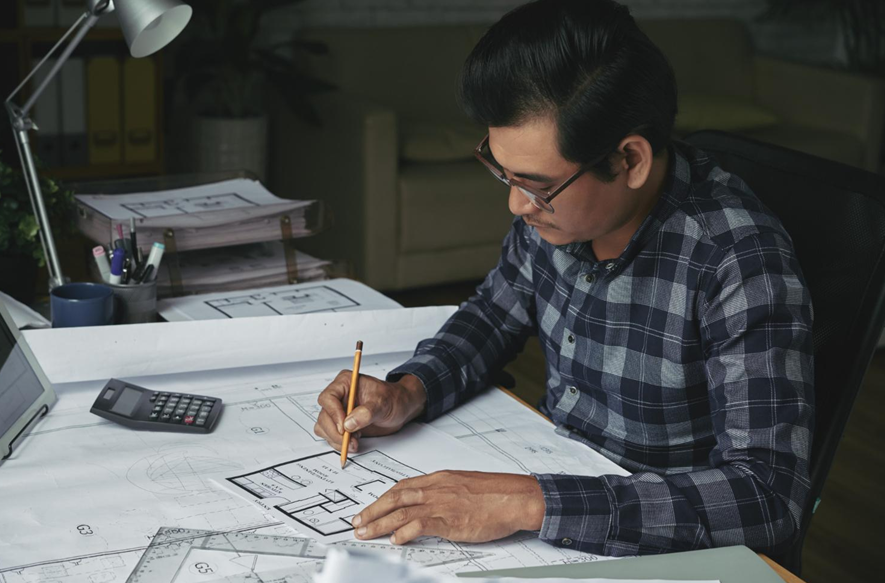
The construction of a home or home improvement is a huge investment, and all projects begin with careful planning. Before creating home builder house plans, it’s essential to complete a construction feasibility study. Getting a preliminary assessment can reveal potential problems, determine if your vision can be realized, and prevent costly surprises at construction time.
What Is a Construction Feasibility Study?
A construction feasibility study is a comprehensive analysis that decides whether a construction project is practicable, economical, and acceptable to the local authority.
Architects and planning professionals consider the property’s features, constraints, budget, construction needs, etc., before entering the design phase. This process gives homeowners a clear vision of what can be accomplished without spending the time and money on detailed plans.
Why Feasibility Comes Before Design
Many construction problems take place because essential questions are not addressed at the beginning of planning.
A feasibility study can help to identify the following factors:
- Zoning and planning restrictions
- Property setbacks
- Utility access
- Site topography
- Soil conditions
- Environmental constraints
- Preliminary construction costs
Solving these issues before design starts will minimize the chances of redesigns, permit delays, and budget overruns.
Common Mistakes a Feasibility Study Helps Prevent
Designing Beyond Your Budget
You can easily develop a dream design that is more than your budget can afford.
A feasibility study will establish project objectives and realistic construction costs, enabling homeowners to determine what features they want to build first before design begins.
Ignoring Local Regulations
Each municipality will have different zoning, height, and setback requirements.
Acknowledging these constraints early on in the process of facilitating the plan prevents unnecessary changes and additions later in the planning process that can be costly.
Overlooking Site Challenges
Sloped lots, drainage problems, poor soils or lack of access can make construction significantly more expensive.
These challenges are identified during a feasibility assessment, which does not delay the project.
Underestimating Construction Timelines
Getting permits, utility connections, and site preparation can take longer than anticipated. Good planning leads to a more realistic project timetable and will help to reduce delays.
How Feasibility Improves House Plans
After developers have a solid grasp of the project constraints, designers can develop more efficient and practical designs.
The design process is geared towards solutions that are appropriate to the property, budget, and design objectives of the homeowner from the outset, rather than making expensive changes later.
This often results in:
- Better space planning
- Improved construction efficiency
- Faster permitting
- Lower risk of unexpected expenses
- Greater long-term property value
When Should You Complete a Feasibility Study?
A feasibility study is recommended to be done before the purchase of detailed design services or the submission of permit applications.
It’s particularly useful for:
- Custom homes
- Home additions
- Second-story additions
- ADUs
- Major renovations
- Sloped or challenging lots
Even projects that appear straightforward can benefit from early professional evaluation.
Choosing the Right Design Team
A feasibility study works best when it’s carried out by a professional and experienced residential designer who is aware of planning and building regulations in the area.
Working with architects early in the project allows homeowners to make informed decisions without having to incur any unnecessary costs later in the process of the project.
Effective communication, budgeting, and planning play a crucial role in the success of construction projects.
Conclusion
Good things always start with good preparation. When building house plans are developed, it is far better to have completed a construction feasibility study first to discover the potential problems early, safeguard your investment, and ensure that the construction process goes smoothly from beginning to end.
From feasibility studies to creatively designed homes that are both functional and long-lasting, at Bay Area Architects, we help homeowners navigate each step of the planning journey.
HomeImprovment
Post Renovation Cleaning and Handover Cleaning – The Final Step to a Perfect Property Presentation
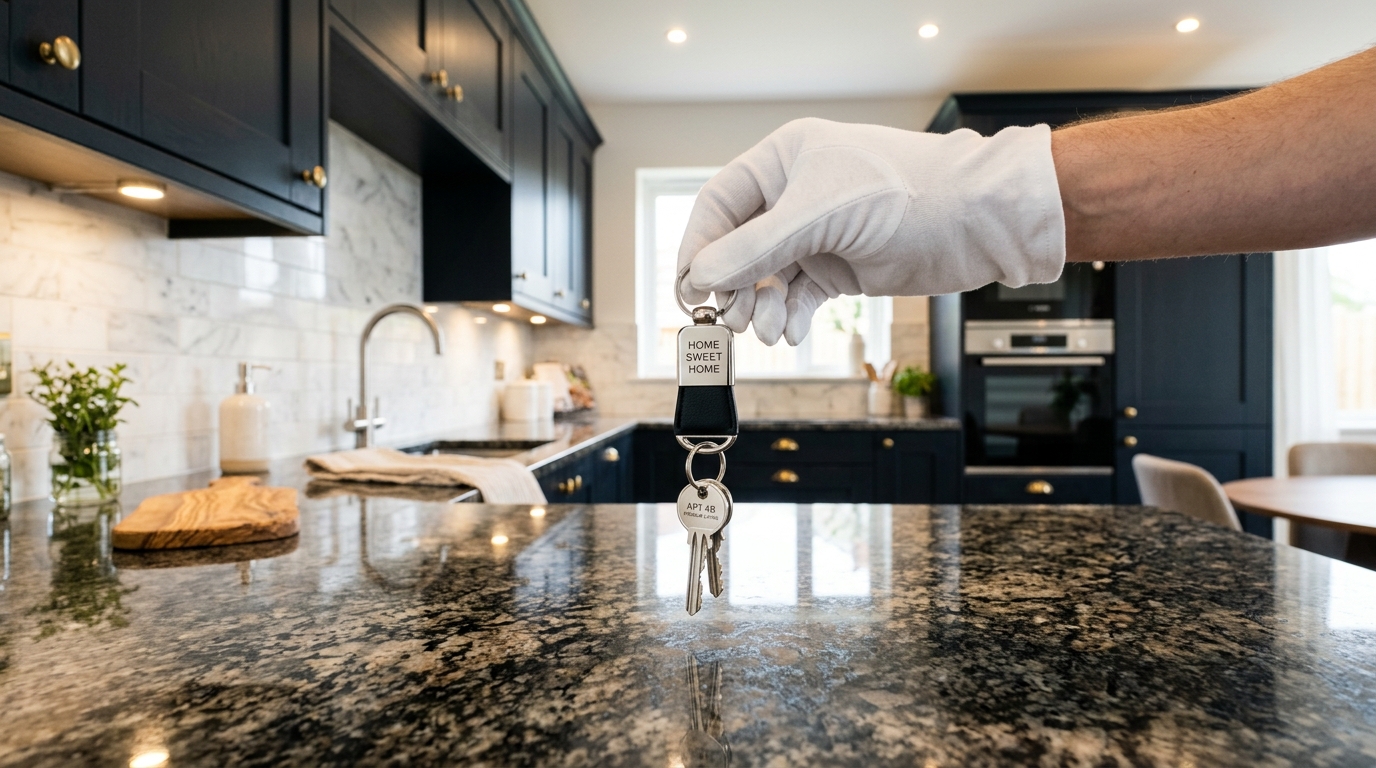
A renovation project can completely transform a property, giving it a fresh new look and enhanced functionality. However, even the most impressive renovation is not truly complete until the property has undergone professional post renovation cleaning. Dust, debris, paint splatters, adhesive residue, and construction waste can significantly affect the appearance of a newly renovated space. This is why handover cleaning Singapore services have become an essential part of every renovation project.
At Govico, a professional and highly trusted cleaning company in Singapore, we understand the importance of delivering a spotless property that is ready for immediate occupation, inspection, or handover. Our specialised post-renovation cleaning solutions help homeowners, contractors, interior designers, developers, and property managers present their completed projects in the best possible condition.
Why Post Renovation Cleaning Is Necessary
Renovation works inevitably generate large amounts of dust and dirt, even when contractors take precautions to protect the property. Fine construction dust often settles on walls, ceilings, floors, light fixtures, window frames, and air-conditioning vents. These particles can remain hidden long after renovation work is completed.
Professional post renovation cleaning goes beyond ordinary housekeeping. It involves a systematic and detailed cleaning process that targets every area affected by renovation activities. The goal is to eliminate all traces of construction work and restore the property to a clean, safe, and welcoming environment.
At Govico, our trained cleaning specialists use professional-grade equipment and proven cleaning methods to remove stubborn dust, dirt, and residues without damaging newly installed surfaces. We pay close attention to every detail, ensuring that the finished space reflects the quality of the renovation itself.
The Importance of Handover Cleaning Singapore
Whether it is a residential home, office, retail outlet, or commercial property, the final presentation of a space can leave a lasting impression. This is where handover cleaning Singapore services play a critical role.
A handover inspection is often the final stage of a renovation project. Property owners expect to receive a clean and immaculate space, while contractors and interior designers want their work to be showcased at its best. Any visible dust, stains, or debris can detract from an otherwise successful project.
Govico’s handover cleaning Singapore service is designed specifically to prepare properties for final inspections and handovers. We ensure that every room, fixture, and
surface is thoroughly cleaned and polished to create a professional and move-in-ready appearance.
Our Comprehensive Cleaning Process
Our post-renovation and handover cleaning services cover all key areas of the property. We remove dust from ceilings, walls, light fittings, switches, doors, and skirting boards. Floors are carefully vacuumed and mopped to eliminate fine particles and construction residue.
Special attention is given to kitchens and bathrooms, where renovation work often leaves behind grout haze, cement stains, adhesive marks, and protective film residues. Glass panels, mirrors, windows, and frames are meticulously cleaned to achieve a crystal-clear finish.
We also clean built-in cabinets, wardrobes, shelving units, and other fixtures to ensure every part of the property is ready for use. Our detailed approach ensures that no corner is overlooked.
Why Choose Govico
Govico has built a strong reputation in Singapore for reliability, professionalism, and attention to detail. Our experienced cleaning teams understand the unique challenges associated with post renovation cleaning and handover cleaning Singapore projects.
We are committed to delivering high-quality results within agreed timelines, helping clients meet project deadlines and handover schedules with confidence. Whether the property is a condominium, landed house, office, retail space, or commercial facility, we tailor our services to suit the specific requirements of each project.
Conclusion
A renovation project deserves a flawless finish. Professional post renovation cleaning and handover cleaning Singapore services ensure that every detail of the newly renovated property is presented at its absolute best. With Govico’s expertise, clients can enjoy a smooth handover process and complete confidence that their property is clean, polished, and ready for its next chapter.
-

 Blog7 months ago
Simpcit6: Redefining Simplicity in a Complex World
-

 Blog11 months ago
Baddi Hub: An Emerging Industrial and Business Hotspot
-

 food11 months ago
Calamariere: How to Perfectly Prepare at Home
-

 Technology11 months ago
YourAssistantLive com: The Future of Smart Digital Assistance
-

 Health10 months ago
Nerovet AI Dentistry: Enhancing Patient Experience and Treatment Outcomes Dental Care
-

 Crypto12 months ago
Crypto30x.com vs Other Crypto Sites – Best Bitcoin Tools?
-

 Technology7 months ago
Voomixi com: The Digital Platform Redefining Online Interaction
-

 Business9 months ago
Top Benefits of Using Quality Wire Rope Lube in US Heavy Industry