
Health
Christian Counseling to Strengthen Men’s Emotional Health


For many men, the weight of responsibility can feel isolating. You are expected to be the provider, the protector, and the rock for your family, often at the expense of your own emotional well-being. It is easy to tell yourself that you just need to work harder or be tougher. However, simply “powering through” rarely addresses the root causes of unhappiness, relationship friction, or internal conflict.
While traditional therapy offers tools for symptom management, it often overlooks a critical component of your identity: your faith. For believers, healing isn’t just about feeling better psychologically; it is about understanding why you matter in the grand scheme of creation. This is where the integration of theology and psychology becomes vital. If you are seeking a path that honors your spiritual convictions while addressing real-world struggles, Christian Counseling for men in Sacramento offers a holistic approach to recovery and growth.
The Intersection of Faith and Emotional Health
It is a common misconception that faith and psychology are at odds. In reality, they can work in tandem to provide a more profound level of healing. Standard counseling focuses on the mind and behavior, while Christian counseling invites God into the process.
This approach acknowledges that humans are spiritual beings. When you face challenges—whether in your marriage, career, or personal habits—those struggles often have spiritual dimensions. You might feel a sense of “spiritual dryness” where God feels distant, or perhaps you are wrestling with how to apply Biblical values to modern complications.
Effective faith-based therapy provides a space where you don’t have to leave your beliefs at the door. Instead, your values become the foundation upon which you rebuild your life. It allows you to explore your emotions through the lens of scripture and tradition, ensuring that your mental health journey aligns with your soul’s purpose.
You Don’t Have to Have It All Figured Out
There is a pervasive myth in many religious circles that being a “man of faith” means being flawless. You might feel that admitting to struggles with anger, addiction, or anxiety is an admission of spiritual failure. This could not be further from the truth.
Being a man of God does not grant immunity from the trials of life. In fact, many great figures in scripture wrestled with despair, doubt, and failure. Christian counseling understands this reality. It is not about judgment or demanding perfection; it is about meeting you exactly where you are.
Whether you are active in your church leadership or are quietly trying to live out your faith on the margins, you deserve support that respects your current position. The goal is to help you reconnect with the core of who you are, without pressure.
Key Areas Addressed in Christian Counseling
Faith-based therapy is practical. It tackles the gritty, difficult aspects of life with a compassionate, truth-seeking approach. Here are several key areas where this specific type of counseling proves transformative.
- Strengthening Relationships and Marriage
Relationships are often the first place our internal struggles manifest. You may love your spouse and family, yet find yourself trapped in cycles of conflict or emotional distance. Christian counseling helps men navigate these dynamics by combining communication tools with biblical principles of love, service, and forgiveness. It offers a roadmap for husbands and fathers to lead with humility and connect deeply with their loved ones.
- Navigating Belief Differences
It is increasingly common for men to find themselves in relationships where there is a disparity in spiritual values. Perhaps your spouse does not share your faith, or your children are walking a different path. This can be a source of profound grief and friction. Therapy provides strategies for navigating these differences with grace, helping you maintain your own spiritual integrity while loving those who believe differently.
- Reconciling Trauma and Faith
Trauma can shatter one’s view of the world and God. If you have experienced abuse, loss, or significant pain, you may wonder where God was in that moment. A skilled Christian therapist can help you walk through the valley of trauma without dismissing your difficult questions. This process involves reconciling the reality of your pain with the truth of God’s love, moving toward a place of peace rather than bitterness.
- Healing from Spiritual Abuse
Sadly, the church itself can sometimes be a source of deep wounding. If you have experienced spiritual abuse or toxic leadership, your trust in religious institutions—and perhaps God himself—may be fractured. Reforming your beliefs after such experiences requires a delicate, safe environment. Christian Counseling for men in Sacramento provides a sanctuary to disentangle toxic religion from true relationship with God, allowing you to heal from spiritual wounds.
The Role of Catholic Tradition in Therapy
For men from a Catholic background, specific traditions and sacraments are central to life. Therapy that ignores these elements can feel incomplete. A Catholic-informed approach integrates the rich history of the Church, the wisdom of the saints, and the importance of sacraments into the therapeutic process.
This isn’t about catechesis or religious instruction; it is about using the language and symbols of your faith to facilitate healing. Whether you identify as Catholic, Protestant, or non-denominational Christian, the objective remains the same: to place your beliefs at the center of your journey to heal.
Why Local Support Matters
Finding the right therapist is about fit. You need someone who understands not just the clinical side of things, but the cultural and spiritual context you live in. Choosing Christian Counseling for men in Sacramento connects you with professionals who understand the unique pressures of living in Northern California and the Bay Area.
From the fast-paced nature of the tech industry in the Bay to the specific community dynamics of Sacramento, local counselors can offer insights that are relevant to your daily environment. They help you bridge the gap between Sunday service and Monday morning reality.
Moving Forward with Purpose
Ignoring emotional pain does not make it go away; it only drives it underground where it can cause more damage. Taking the step to seek counseling is an act of courage, not weakness. It demonstrates a desire to be the man you were created to be—whole, healed, and purposeful.
If you are ready to explore your beliefs, build stronger relationships, and find peace amidst the chaos, faith-based therapy offers a pathway forward. It is an invitation to stop walking alone and start building a life where your emotional health and spiritual life support one another.
Frequently Asked Questions
Do I need to be “religious” to benefit from this counseling?
No. While the framework is Christian and Catholic, you do not need to be a theologian or even active in a church to benefit. If you are open to exploring how spirituality impacts your life, this approach can be helpful regardless of where you are on your spiritual journey.
Is this different from talking to a priest or pastor?
Yes. While pastoral care is valuable, clinical therapy offers specific psychological tools and evidence-based interventions to treat mental health issues. Christian counseling bridges the gap, offering professional therapeutic techniques alongside spiritual direction.
What if I am angry at God?
Anger is a valid human emotion and often a response to pain. A Christian therapist provides a safe, non-judgmental space to express and process that anger. You will not be shamed for your doubts or frustrations; rather, you will be helped to work through them constructively.
How do I find Christian Counseling for men in Sacramento?
Look for centers or therapists who explicitly state their focus on men’s issues and faith integration. Ensure they are licensed professionals who respect your values and have experience dealing with the specific challenges you are facing.
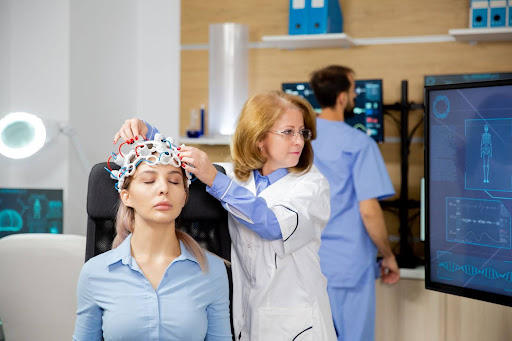
To be honest, the majority of individuals outside the medical field are unaware of what an EEG technician is. It’s not one of those glamorous medical professions that are discussed at dinner parties or seen in TV dramas. But if you’ve ever had a neurologist order a brain scan to check for seizures, sleep issues, or head trauma, there’s a good chance an EEG tech was the one running that equipment behind the scenes.
And right now, hospitals can’t seem to hire enough of them.
What’s going on with the demand?
A couple of things are happening at once. Neurological conditions — think epilepsy, Alzheimer’s, chronic migraines — are showing up at higher rates, partly because the global population is getting older, and partly because diagnostic tools have gotten better at catching things that used to go unnoticed. The World Health Organization has been flagging this for years. More diagnoses means more tests, and more tests means somebody’s got to run the machines.
On top of that, EEG technology itself has changed a lot. The equipment used to be bulky and limited to hospital settings. Now there are portable systems being used in ERs, outpatient clinics, even remote monitoring programs where patients wear devices at home. Every one of those settings needs a trained technologist to handle the recordings and make sure the data is clean enough for a neurologist to read.
The Bureau of Labor Statistics backs this up. Roles in diagnostic technology are growing faster than the national average, and EEG sits right in the middle of that trend. Some hospitals are throwing in signing bonuses just to fill open positions. That should tell you something.
Getting certified isn’t exactly a walk in the park
Here’s the thing people don’t always realize — you can’t just apply and start working. Most employers want candidates who’ve completed an accredited program and passed a national certification exam. The test itself covers electrode placement, montage selection, recognizing artifacts in recordings, patient safety, and a bunch of other clinical specifics that you really do need to know.
I’ve talked to a few people who went through the process, and the ones who passed on their first attempt all said the same thing: they didn’t just read textbooks. They spent weeks grinding through EEG practice tests for exams that mirrored the real thing. That kind of hands-on repetition builds a different type of confidence than passive studying ever could.
There’s actually a decent number of practice tests online now compared to even a couple of years ago. Some are basic flashcard-style questions, others are timed simulations that feel pretty close to sitting in the actual testing center. The timed ones tend to help more, in my experience talking to recent test-takers, because pacing is half the battle when you’re staring at 100+ questions under a clock.
If you’re just starting out and want to test the waters before committing to a paid prep course, grabbing a practice test free of charge is a smart first move. Several platforms let you try a sample set to see where you stand. No sense paying for a full course if you realize the field isn’t clicking for you, right?
So is it actually worth pursuing?
Short answer — yeah, probably. The pay is solid for a role that doesn’t require a four-year degree. Most accredited programs run about two years, some even less. You get to work directly with patients, the job has real clinical weight to it, and the demand curve doesn’t show signs of flattening out anytime soon.
It’s one of those rare healthcare paths where the barrier to entry is manageable but the ceiling keeps rising. If you’ve got steady hands, genuine curiosity about how the brain works, and enough discipline to buckle down for a certification exam, this might be exactly the kind of career pivot worth looking into.
Just don’t skip the prep work. The people reading your EEG results are making real decisions about real patients — and that starts with you knowing your stuff before you ever touch the equipment.
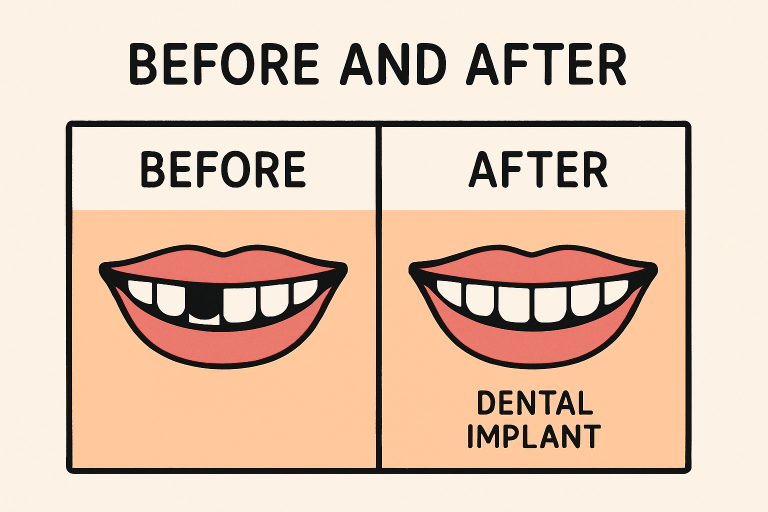
Dental implants have revolutionized restorative dentistry, providing reliable and aesthetically pleasing solutions for individuals with missing teeth. Through ongoing innovation, modern implant techniques deliver excellent function and natural appearance, allowing patients to regain confidence in their smiles while improving oral health. Specialists at the Pikos Institute and other leading centers continue to advance the field by embracing cutting-edge implant technology.
The latest advancements in dental implantology have streamlined procedures and outcomes for both dentists and patients. Today, patients benefit from faster recovery periods, immediate functional results, and reduced discomfort thanks to highly precise approaches and state-of-the-art materials. These techniques are tailored to address various oral health needs, delivering transformative results not achievable with traditional methods.
Same-Day Dental Implants: Immediate Results
Historically, dental implant therapy involved multiple steps and extended healing intervals, often requiring months before the final prosthesis could be attached. This lengthy process posed a challenge for many patients, particularly those seeking rapid results after tooth loss. Thanks to developments in implant design and surgical protocols, same-day dental implants are now achievable for suitable candidates. This technique enables patients to enter a dental clinic with gaps in their smile and leave hours later with fully functional teeth.
The same-day approach minimizes disruptions to a patient’s schedule and lifestyle, as there is less waiting and fewer visits. Additionally, immediate implant placement often helps preserve bone structure and gum tissue, which are critical elements in achieving a natural-looking outcome. According to the American Society of Implant & Reconstructive Dentistry, this innovation greatly enhances the patient experience and helps maintain oral health after tooth loss.
Stent-Based Techniques: Precision in Smile Makeovers
Composite smile makeovers once required meticulous, time-consuming application processes that were heavily dependent on a dentist’s manual skill. Stent-based techniques have transformed this landscape. By leveraging stents with built-in tooth separators, practitioners can apply composite material to multiple teeth simultaneously, ensuring uniformity and symmetry. This not only saves valuable chair time but also improves the consistency and quality of the final results. The precision supported by these devices empowers dentists to create beautifully natural smiles more efficiently than ever before.
Patients benefit through shorter appointments and more predictable outcomes. Especially when targeting aesthetic enhancement across multiple teeth, this technology offers an effective path to achieving a harmonious, radiant smile.
All-on-4 Implants: Full-Arch Restoration with Fewer Implants
For patients with significant tooth loss or diminished bone volume, the All-on-4 technique provides a revolutionary solution. In this method, four implants are strategically placed at angles within the jaw to anchor a full-arch prosthesis. Unlike conventional implants, which often necessitate bone grafting where bone is lacking, All-on-4 can typically be performed without such supplementary procedures. This approach leverages available bone, using precise placement for maximum stability and support.
The immediate loading protocol allows most patients to receive a full set of teeth on the same day as surgery, greatly improving quality of life and self-esteem. The streamlined process is an attractive option for those seeking comprehensive rehabilitation with minimal surgical intervention. According to the American Society of Implant & Reconstructive Dentistry, innovations like All-on-4 have dramatically expanded options for those in need of complete dental restoration.
Root-Analogue Implants: Custom-Fit Solutions
Traditional cylindrical implants may not always provide an ideal fit, particularly when the root anatomy is unique or irregular. Root-analogue implants are designed as custom replicas of the extracted tooth root. Manufactured using exact digital impressions or scans, these implants are placed directly into the tooth socket after extraction for a seamless, anatomical fit. Because they closely mirror the original root, surgical trauma is reduced, and healing is often faster, with better integration into the surrounding bone.
These bespoke solutions are especially useful for patients with unique biological needs or when function and aesthetics must closely match the patient’s natural dentition.
Osseointegration: The Foundation of Implant Success
The cornerstone of dental implant longevity and performance is osseointegration, the process in which bone tissue securely bonds to the implant’s surface. Without proper osseointegration, implants may fail to achieve the necessary stability for daily function. Advances in surface technology, such as improved surface texturing and biomimetic coatings, have significantly enhanced the rate and quality of osseointegration. As materials and design standards evolve, modern implants are setting new benchmarks for durability and comfort.
Thorough understanding and application of osseointegration principles ensure the predictability and success of even the most complex restoration cases, thereby increasing patient satisfaction for years to come.
Final Thoughts
Dentistry’s continuous evolution has ushered in an era where rapid, effective, and natural-looking dental restorations are accessible to more people than ever. From same-day implants to highly individualized root-analogue solutions, these advanced technologies prioritize patient comfort and deliver unmatched functional and aesthetic results. By embracing precision methods and understanding the biological foundation of implant success, professionals are transforming the landscape of restorative dentistry and empowering individuals to reclaim their oral health and confidence.


FedsoLife is more than just a concept; it is a practical and balanced approach to achieving physical vitality, mental clarity, and emotional stability in today’s fast-paced world. In an era where modern living often leads to stress, unhealthy eating, and sedentary habits, FedsoLife introduces a structured yet flexible framework that empowers individuals to make mindful decisions about their well-being. By focusing on holistic health, sustainable routines, and consistent personal growth, FedsoLife becomes a reliable companion for anyone striving to build a healthier lifestyle without unrealistic expectations or temporary solutions.
The philosophy behind this approach revolves around long-term sustainability rather than quick fixes. Instead of promoting extreme diets or rigid exercise schedules, it encourages gradual improvement and self-awareness. People who adopt this mindset often discover that health is not a destination but an ongoing journey shaped by daily habits and conscious choices.
Understanding FedsoLife and Its Core Philosophy
FedsoLife represents a lifestyle philosophy centered on balance, awareness, and intentional living. It recognizes that physical health, mental well-being, and emotional resilience are deeply interconnected. Rather than isolating one aspect of wellness, it integrates nutrition, movement, rest, and mindset into a cohesive system that supports overall quality of life.
At its core, this lifestyle emphasizes mindful nutrition, consistent physical activity, restorative sleep, and stress management. It does not demand perfection. Instead, it promotes progress through steady improvements. By acknowledging that setbacks are part of growth, the philosophy fosters resilience and long-term commitment.
The guiding principles can be better understood through the following table:
| Key Element | Description | Long-Term Impact |
|---|---|---|
| Balanced Nutrition | Emphasizes whole foods and portion awareness | Sustainable energy and improved metabolism |
| Active Living | Encourages regular movement suited to individual capacity | Stronger cardiovascular and muscular health |
| Mental Wellness | Prioritizes stress management and emotional awareness | Greater focus and resilience |
| Rest and Recovery | Values quality sleep and relaxation | Hormonal balance and reduced burnout |
| Consistency | Focuses on daily habits rather than short bursts of effort | Lasting lifestyle transformation |
Each component works in harmony, reinforcing the others to create a stable and healthy foundation.
FedsoLife and Nutritional Awareness
Nutrition forms the backbone of any healthy lifestyle. Within the FedsoLife framework, food is seen as fuel, nourishment, and a source of enjoyment. Instead of labeling foods as strictly good or bad, this approach encourages mindful consumption and balanced choices.
Whole foods such as fruits, vegetables, lean proteins, whole grains, and healthy fats play a central role. Processed items are minimized not through strict prohibition but through conscious moderation. Hydration is also emphasized, as adequate water intake supports digestion, cognitive performance, and overall vitality.
The table below highlights the nutritional focus areas:
| Nutritional Focus | Practical Application | Benefits |
|---|---|---|
| Whole Foods | Fresh produce, legumes, lean proteins | Improved digestion and immunity |
| Portion Control | Mindful serving sizes | Weight management and metabolic health |
| Hydration | Adequate daily water intake | Enhanced energy and concentration |
| Nutrient Diversity | Variety of colorful foods | Broad vitamin and mineral intake |
This balanced nutritional awareness prevents extremes and encourages sustainable habits that can be maintained for years.
Physical Activity in the FedsoLife Framework
Movement is essential for maintaining strength, flexibility, and cardiovascular health. In the context of FedsoLife, physical activity is not restricted to intense workouts. It includes everyday movements such as walking, stretching, and engaging in recreational activities.
Regular exercise improves mood, boosts metabolism, and reduces the risk of chronic conditions. However, consistency is more important than intensity. Individuals are encouraged to choose activities they genuinely enjoy, whether it is yoga, jogging, swimming, or strength training. This enjoyment factor significantly increases long-term adherence.
The following table demonstrates different types of movement and their contributions:
| Activity Type | Examples | Health Contribution |
|---|---|---|
| Cardiovascular | Walking, cycling, swimming | Heart health and endurance |
| Strength Training | Bodyweight exercises, resistance training | Muscle growth and bone density |
| Flexibility | Stretching, yoga | Improved mobility and injury prevention |
| Functional Movement | Daily chores, active commuting | Calorie expenditure and mobility |
By incorporating varied forms of movement, individuals build a well-rounded fitness foundation.
Mental Wellness and Emotional Balance
Mental health is equally important as physical well-being. The FedsoLife philosophy recognizes the impact of stress, anxiety, and emotional overload on overall health. Chronic stress can disrupt sleep, weaken immunity, and contribute to unhealthy eating patterns.
To counteract this, mindfulness practices, journaling, deep breathing exercises, and digital detox strategies are encouraged. Developing emotional awareness allows individuals to respond to challenges rather than react impulsively. Over time, these practices enhance resilience and clarity.
Emotional balance also involves setting healthy boundaries, nurturing relationships, and seeking support when necessary. By prioritizing mental well-being, individuals experience improved productivity and deeper life satisfaction.
Rest, Recovery, and the Power of Sleep
Quality sleep is often overlooked in modern society. Yet it is fundamental to hormonal balance, muscle repair, and cognitive function. The FedsoLife approach emphasizes establishing consistent sleep routines, reducing screen exposure before bedtime, and creating a calm sleeping environment.
Sleep deprivation can lead to fatigue, irritability, and poor decision-making. By valuing rest as a critical component of health rather than a luxury, individuals experience more stable energy levels and improved emotional regulation.
Recovery also includes rest days from intense workouts and moments of relaxation throughout the week. This balance prevents burnout and sustains motivation.
Building Sustainable Habits Through FedsoLife
Long-term transformation is achieved through habits rather than temporary motivation. The FedsoLife methodology encourages small, manageable changes that accumulate over time. For instance, adding an extra serving of vegetables daily or taking a short walk after dinner can gradually shift overall health outcomes.
Habit formation relies on repetition and realistic goals. Instead of drastic overhauls, incremental adjustments reduce overwhelm and increase consistency. Tracking progress, celebrating small wins, and adjusting routines when necessary help maintain momentum.
The following table outlines stages of habit development:
| Stage | Description | Outcome |
|---|---|---|
| Awareness | Recognizing areas needing improvement | Clear direction |
| Implementation | Introducing small, consistent actions | Behavioral shift |
| Reinforcement | Repeating habits regularly | Habit solidification |
| Adaptation | Adjusting routines as life changes | Long-term sustainability |
This structured approach fosters lasting change without unnecessary pressure.
Social Connections and Community Support
Human connection plays a powerful role in health. Supportive relationships provide motivation, accountability, and emotional comfort. Within the FedsoLife perspective, surrounding oneself with positive influences enhances commitment to healthy habits.
Shared activities such as group workouts, cooking healthy meals together, or participating in community events strengthen bonds while promoting well-being. Social interaction reduces stress hormones and increases feelings of belonging.
A supportive environment makes it easier to maintain consistency, especially during challenging times.
Technology and Modern Wellness Integration
In today’s digital age, technology can either hinder or enhance health. When used wisely, fitness trackers, meal-planning apps, and meditation platforms can support progress. However, excessive screen time may contribute to stress and sleep disruption.
The FedsoLife approach advocates balanced technology use. Monitoring physical activity and tracking sleep patterns can provide valuable insights. At the same time, regular digital breaks ensure mental clarity and presence.
By aligning technology with wellness goals, individuals create a modern yet mindful lifestyle.
Long-Term Benefits of Embracing FedsoLife
Adopting this lifestyle philosophy yields measurable benefits across multiple dimensions of health. Physically, individuals often experience improved energy levels, stronger immunity, and healthier body composition. Mentally, enhanced focus and reduced anxiety contribute to better decision-making.
Emotionally, consistent self-care fosters confidence and self-awareness. Over time, these improvements compound, resulting in a more vibrant and fulfilling life.
The cumulative effects can be summarized below:
| Health Dimension | Short-Term Results | Long-Term Impact |
|---|---|---|
| Physical | Increased energy | Reduced chronic disease risk |
| Mental | Improved concentration | Greater resilience |
| Emotional | Stable mood | Stronger self-esteem |
| Social | Better relationships | Supportive network |
These outcomes demonstrate that consistent effort yields meaningful rewards.
Practical Implementation of FedsoLife in Daily Life
Integrating this philosophy into daily routines does not require dramatic changes. Morning hydration, balanced meals, short movement breaks, and intentional relaxation periods can gradually reshape overall health.
Time management plays a crucial role. Scheduling workouts, meal preparation, and rest ensures that health remains a priority rather than an afterthought. Self-reflection at the end of each week helps identify progress and areas for refinement.
The key lies in adaptability. Life circumstances evolve, and routines must evolve accordingly. Flexibility prevents frustration and supports continuity.
Overcoming Common Obstacles
Every lifestyle journey includes challenges such as lack of motivation, busy schedules, or unexpected setbacks. The FedsoLife framework addresses these obstacles by encouraging realistic expectations and self-compassion.
When progress slows, revisiting core principles and reassessing goals can reignite commitment. Instead of abandoning efforts after minor setbacks, individuals are encouraged to learn from them and continue forward.
Consistency over perfection remains the central theme. By maintaining perspective, obstacles become opportunities for growth rather than reasons for failure.
FedsoLife as a Lifelong Commitment
True health transformation requires dedication beyond temporary enthusiasm. FedsoLife serves as a long-term roadmap rather than a short-term challenge. Its holistic structure ensures that improvements in one area positively influence others.
As individuals continue practicing mindful nutrition, consistent movement, adequate rest, and emotional awareness, the lifestyle becomes second nature. Over time, healthy decisions require less effort because they align with established habits. This integration marks the transition from intentional practice to natural living.
Conclusion
FedsoLife: Your Ultimate Guide to a Healthier Lifestyle illustrates how balanced nutrition, regular movement, mental clarity, and restorative rest collectively form the foundation of sustainable well-being. By focusing on gradual progress and realistic goals, this lifestyle philosophy empowers individuals to create lasting transformation without extreme measures. The integration of physical health, emotional stability, and social connection ensures a comprehensive approach to modern wellness.
Embracing FedsoLife is not about chasing perfection but about cultivating consistency. Through mindful choices and steady commitment, anyone can build a healthier, more energized, and more fulfilling life that stands strong against the pressures of contemporary living.
-

 Blog3 weeks ago
Simpcit6: Redefining Simplicity in a Complex World
-

 Technology5 months ago
YourAssistantLive com: The Future of Smart Digital Assistance
-

 food5 months ago
Calamariere: How to Perfectly Prepare at Home
-

 Blog5 months ago
Baddi Hub: An Emerging Industrial and Business Hotspot
-

 Health4 months ago
Nerovet AI Dentistry: Enhancing Patient Experience and Treatment Outcomes Dental Care
-

 Technology3 weeks ago
Voomixi com: The Digital Platform Redefining Online Interaction
-

 Crypto5 months ago
Crypto30x.com vs Other Crypto Sites – Best Bitcoin Tools?
-

 Lifestyle3 weeks ago
Pyjamaspapper: The Ultimate Blend of Comfort and Style in Sleepwear